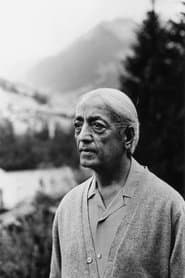
Is it possible to live a life without constant battle? To really understand this you have to see what your life is. Don't escape from it, just watch. In the very act of attention the struggle comes to an end.
Jiddu Krishnamurti
as Himself
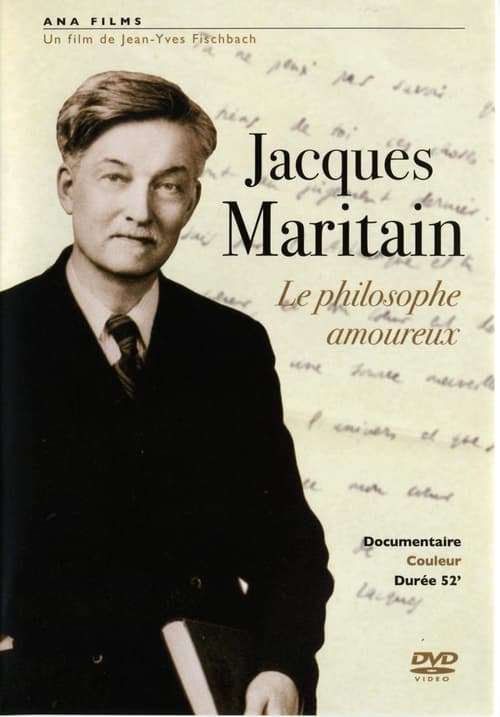
This documentary retraces the life of Jacques Maritain (1882 - 1973), French Christian philosopher. In evoking his life, it paints a portrait of the 20th century: the scientism of the Sorbonne, the rise of Nazism, the Resistance, Free France, Christian Democracy in South America, but also art, freedom, peace and love for the human person. Jacques Maritain, in the torments of the 20th century, of it's murderous madness and it's hope for peace, holds a secret: his ineffable and faithful love for his wife Raïssa, the inspiration for his political commitments and his philosophical thought.
An insight into the life and works of Michel Foucault and how his work on Knowledge and Power still has an impact on daily life. This is applied practically to the real world of SOAS University and the online world of Social Media. Presented by Merle Tschirschnitz, Kiran Thomas and Adam Brocklesby
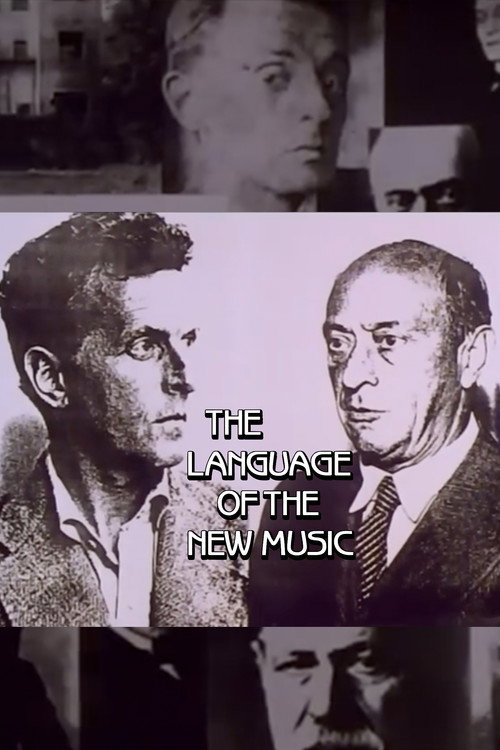
This is a film about Ludwig Wittgenstein and Arnold Schoenberg; two men whose lives and ideas run parallel in the development of Viennese radicalism. Both men emerged from the turmoil of the Habsburg Empire in its closing days with the idea of analyzing language and purging it with critical intent, believing that in the analysis and purification of language lies the greatest hope that we have. They never met and might never have fully understood one another, because while the nature of their genius they found themselves alone breaking new ground of the very frontiers of their respective disciplines. But their work springs from the same soil and shares a common ethical purpose, so that their ideas and methods echo and illuminate those of each other to a remarkable degree.
This live show features the energetic analysis of television network news by Brian Winston. Winston looks at the news as a unique institution, governed by its own conventions and constraints.
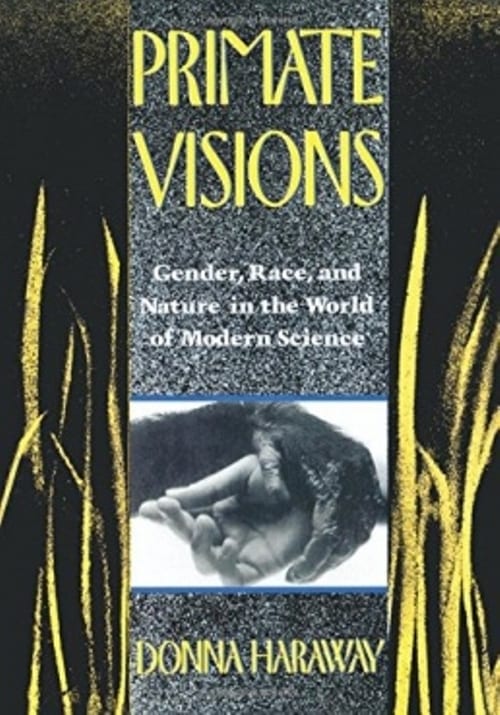
How does the "cultured" gorilla, i.e. Koko, come to represent universal man? Author and cultural critic Donna Haraway untangles the web of meanings, tracing what gets to count as nature, for whom and when, and how much it costs to produce nature at a particular moment in history for a particular group of people.
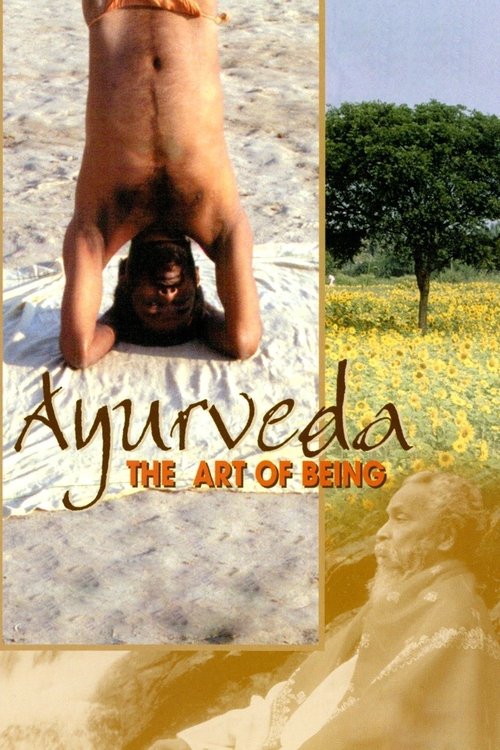
Ayurveda is a science of life and a healing art, where body, mind and spirit are given equal importance. This voyage of thousands of miles across India and abroad takes you on a unique poetic journey, where we encounter remarkable men of medicine or simply a villager who lives in harmony with nature. "Hope is nature's way of enabling us to survive so that we can discover nature itself."
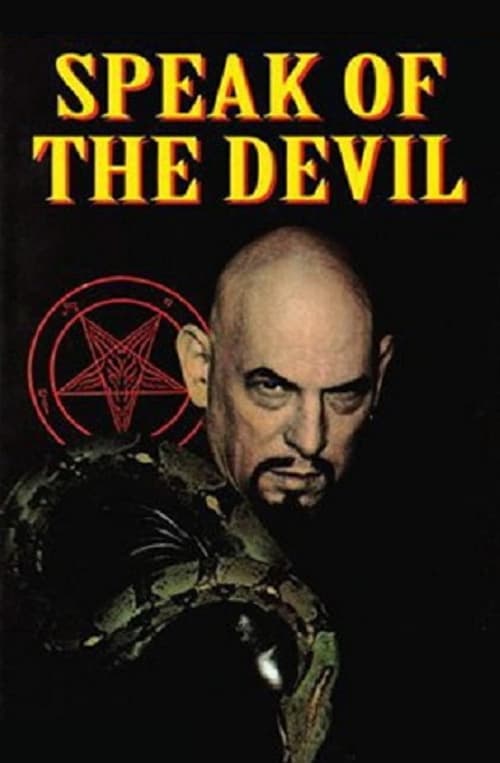
But what is the Church of Satan? Who is Anton LaVey? Where is he from? Why does he do that? It does not take much to imagine the worst. Orgiastic ceremonies, where one revels in the blood of virgins, moonlight lamb sacrifices, noise concerts in the basement of a historical building… No, really nothing that amusing among the activities in the Church of Satan. Anton LaVey is nothing like a horned Charles Manson, and his path is all the more unexpected. Nick Bougas allows us to discover the artist, the musician, the philosopher, all through hallucinatory images retrieved from archives, making this rare documentary only two years before the author of the Satanic Bible disappeared.
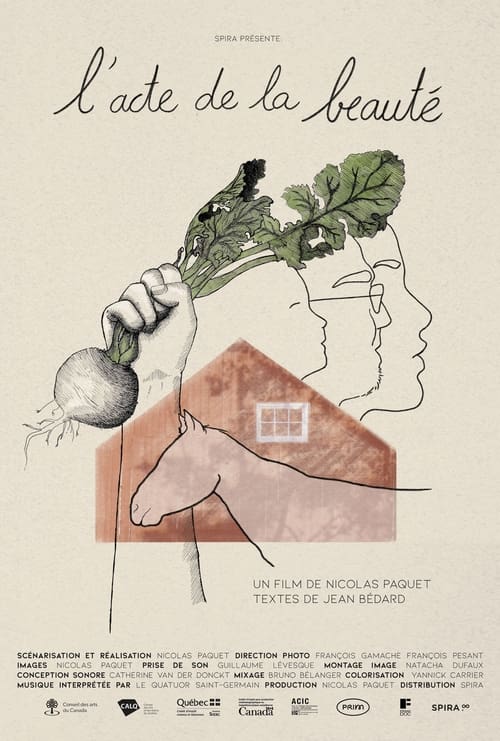
A portrait of a couple of ceramic artists living in the French countryside. Structured around snippets of their daily lives, the documentary evolves into a deeper reflection on art and its transience
After a $30K film project went south, Isaiah had to make a risky decision to flip the idea upside down, and turn the train-wreck of a film into his own disaster-piece.
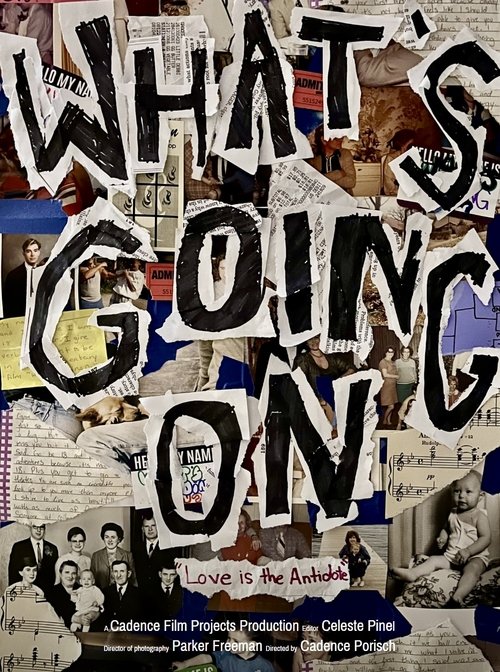
The audience is taken through a range of years through archival footage exploring the ups and downs of our lives and the thing that connects us all, love. Seven interview subjects: a philosophy professor, a film professor, a humanities professor, a retired lawyer turned archivist, a volunteer, a dance student, and a fashion student, explore their backgrounds with religion, their current personal philosophies, whether or not they believe we have a purpose, or if the things we do have any meaning at all. Eventually everything wraps back around to love.
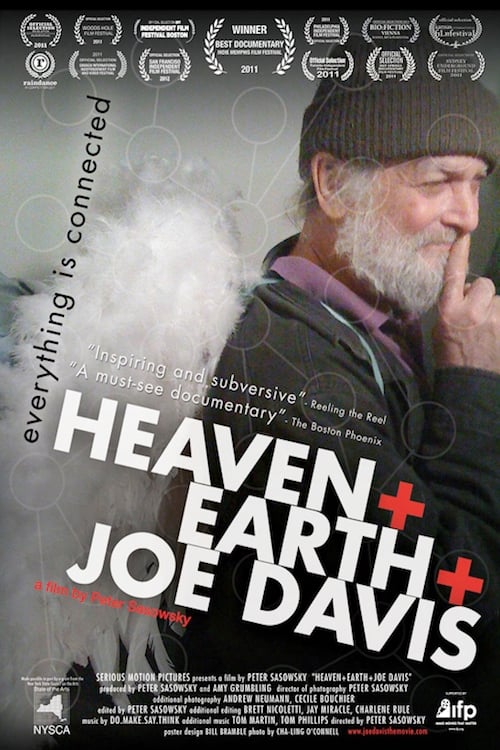
Filmmaker Peter Sasowsky examines the life and work of artist Joe Davis
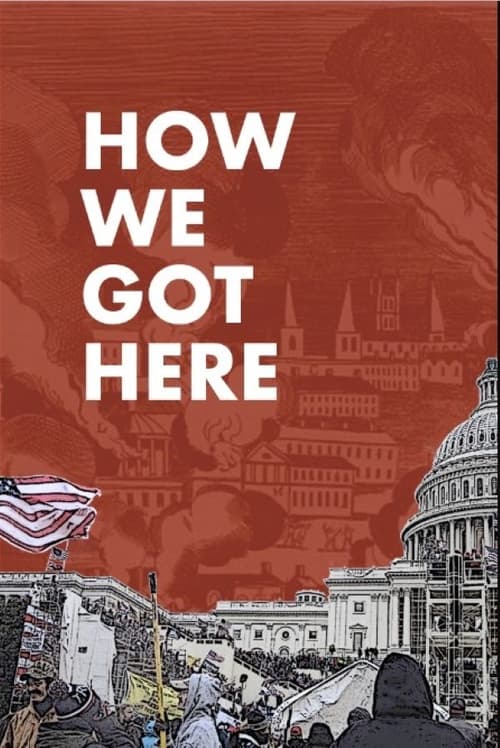
Diverse voices trace the history of postmodernism from its roots in art and philosophy all the way to Fox News, Q-Anon, and election denial.
a poem. trees. fragments of fritz. love—and nothing besides!
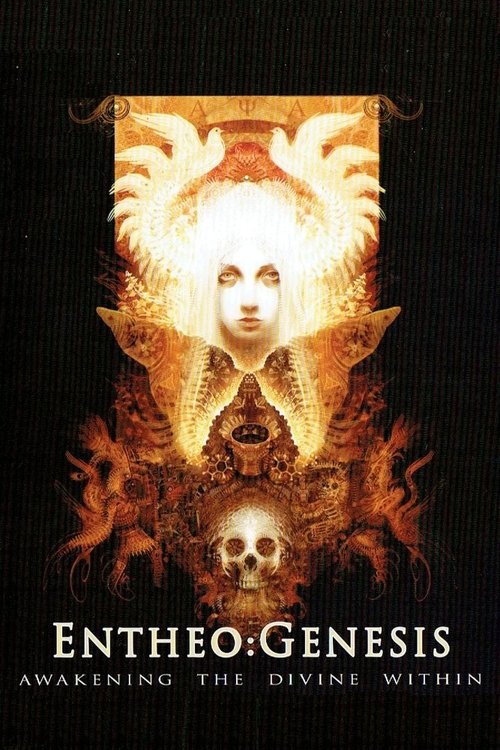
A feature length documentary which invites the viewer to rediscover an enchanted cosmos in the modern world by awakening to the divine within. The film examines the re-emergence of archaic techniques of ecstasy in the modern world by weaving a synthesis of ecological and evolutionary awareness,electronic dance culture, and the current pharmacological re-evaluation of entheogenic compounds.
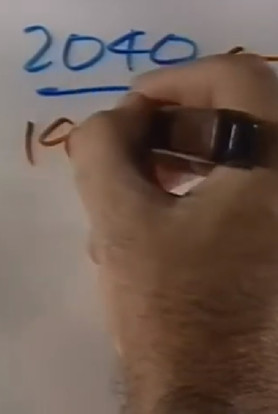
Edward de Bono literally sketches out the future in a 90 minute lecture filmed in Copenhagen. He explains 2040 as seen by someone frozen cryogenically in 1997.
102 Years in the Heart of Europe: A Portrait of Ernst Jünger (Swedish: 102 år i hjärtat av Europa) is a Swedish documentary film from 1998 directed by Jesper Wachtmeister. It consists of an interview by the journalist Björn Cederberg with the German writer, philosopher and war veteran Ernst Jünger (1895-1998). Jünger talks about his life, his authorship, his interests and ideas. The actor Mikael Persbrandt reads passages from some of Jünger's works, such as Storm of Steel, The Worker, On the Marble Cliffs and The Glass Bees.