This is the story of Dona Virginia, an elderly woman who awaits the expropriation of her house. Year after year, the government threatens to destroy the place, her past and her memories.
Joana Oliveira
as Joana Oliveira
Avelino Chillarón was 12 or 13 years old when he realized that his surnames and those of his cousins didn't match, so he decided to ask his uncle. This is how he learned that, although his father and aunt were siblings, they didn't have the same father, so he and his cousins didn't share the same grandfather. In this way, Avelino realized that there was a part of his family he didn't know. The protagonist of this story feels partially mutilated from a part of his family history, a part that was taken away from him by a regime that established, over the years, a long period of widespread social amnesia about a series of corpses and missing persons throughout the spanish geography.
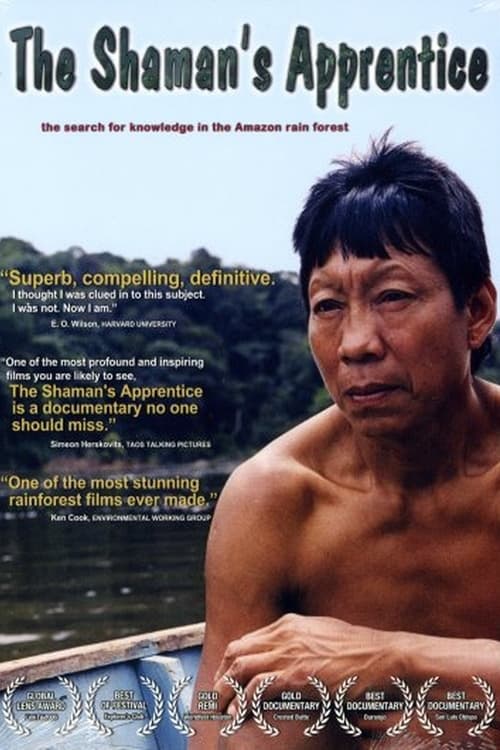
Scientist Mark Plotkin races against time to save the ancient healing knowledge of Indian tribes from extinction.
Huelva, Spain, an isolated region lost in time. The grass, the sand and the sky are the same that those foreigners saw in the spring of 1895, when they crossed the sea from a distant country to mark the unspoiled terrain and extract its wealth, when the tower was new, when people could climb to the top of the highest dune and imagine that the city of Tartessos was still there, in the distance, almost invisible in the morning brume.
For centuries, Stonehenge has been cloaked in mystery. Who built it? How did they do it? Why did they do it and what is its significance? Now, a team of archaeologists takes a high-tech approach to find out, and their discoveries will exceed all expectations. Learn the full story of the world's most investigated prehistoric site, featuring a forgotten people who were meticulous planners, profound believers and true warriors. It's a 10,000-year-old tale, pieced together by state-of-the-art survey equipment and compelling archaeological evidence.
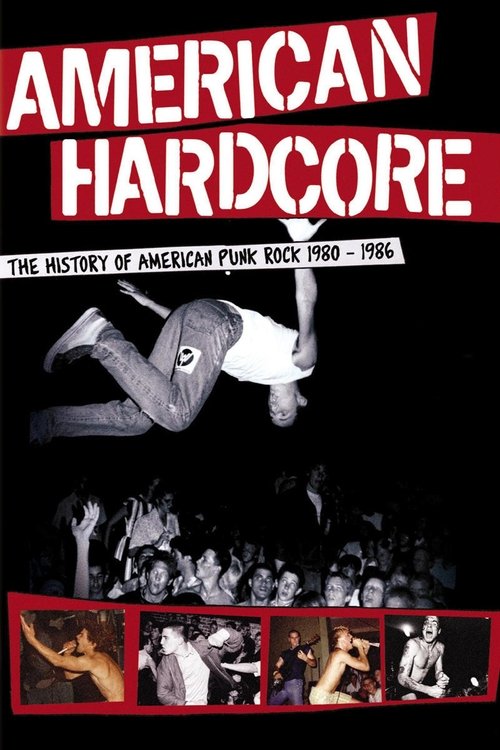
Inspired by Steven Blush's book "American Hardcore: A tribal history" Paul Rachman's feature documentary debut is a chronicle of the underground hardcore punk years from 1979 to 1986. Interviews and rare live footage from artists such as Black Flag, Bad Brains, Minor Threat, SS Decontrol and the Dead Kennedys.
An exploration of the heavy metal scene in Los Angeles, with particular emphasis on glam metal. It features concert footage and interviews of legendary heavy metal and hard rock bands and artists such as Aerosmith, Alice Cooper, Kiss, Megadeth, Motörhead, Ozzy Osbourne and W.A.S.P..
A 2004 documentary on thirty years of alternative rock 'n roll in NYC.Documenting the history from the genuine authenticity of No Wave to the current generation of would be icons and true innovators seeing to represent New York City in the 21st century
Commissioned by the journal Présence Africaine, this short documentary examines how African art is devalued and alienated through colonial and museum contexts. Beginning with the question of why African works are confined to ethnographic displays while Greek or Egyptian art is celebrated, the film became a landmark of anti-colonial cinema and was banned in France for eight years.
In 1968, the fury and violence of the Democratic National Convention in Chicago propelled us toward a tipping point in politics. Martin Luther King Jr. and Robert F. Kennedy were assassinated, America suffered its bloodiest year in Vietnam and drugs seduced us. Yet idealism--and hope--flourished. Explore the significance of that turbulent year and the way it continues to affect the American landscape. Tom Brokaw offers his perspective on the era and shares the rich personal odysseys of some of the people who lived through that chaotic time, along with the stories of younger people now experiencing its aftershocks. Includes archival footage and interviews with former Atlanta Mayor Andrew Young, who was talking to King when he was assassinated and rushed to his side to try to staunch the wound; Olympic gold medalist Rafer Johnson, who wrestled RFKs' assassin to the ground; and Arlo Guthrie, best known for his song "Alice's Restaurant.
Drawing on original footage from National Geographic, Etched in Bone explores the impact of one notorious bone theft by a member of the 1948 American-Australian Scientific Expedition to Arnhem Land. Hundred of bones were stolen and deposited in the Smithsonian Institution in Washington DC, until it became known to Arnhem elders in the late 1990s. The return of the sacred artefacts was called for, resulting in a tense standoff between indigenous tribespeople and the Department of Anthropology at the Smithsonian.
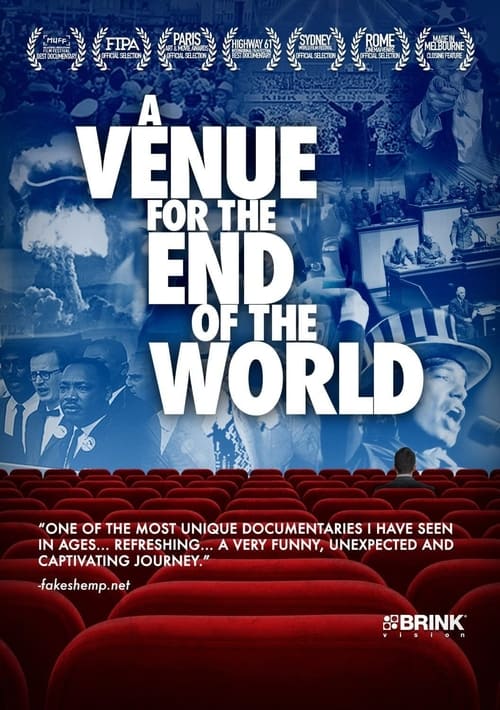
Haunted by uncanny similarities between Nazi stage techniques and the showmanship employed by modern entertainers, a filmmaker investigates the dangers of audience manipulation and leader worship.
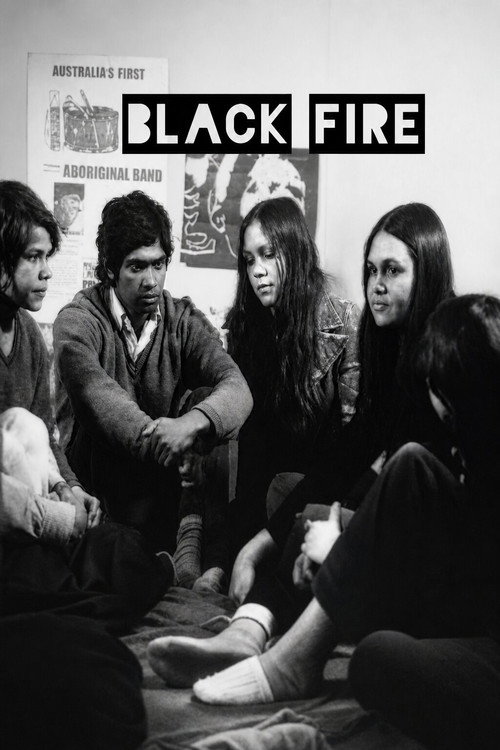
Long thought to be the first film ever made by an Indigenous filmmaker, Black Fire examines the situation of First Nations people in the early 1970s through politically charged discussions, comical vox pops, and interviews with luminaries of the time such as Pastor Doug Nicholls and Aboriginal Tent Embassy co-founder Bertie Williams.
Video dedicated to the celebration of the centenary of Edison Carneiro’s birth, one of the great exponents of folklore studies in Brazil, whose contribution remains present to this day, forming important documentary collections and influencing the institution’s mission.
This film is a portrait of unique cultural space for Spirits, Gods and People. While permanent theatres are commonly built in most cosmopolitan modern cities, Hong Kong preserves a unique theatrical architecture, a Chinese tradition that has lasted more than a century - Bamboo Theatre.
John Bishop and Naomi Bishop present a portrait a peculiar life style of the Himalayan indigenous Sherpa people in their documentary , the Himalayan Herders. The 76 minutes long film is about the diverse culture and life style of herders community near Mt. Everest region of Nepal.The film was made in 1997 as a part of Case Studies in Cultural Anthropology Series.
The film discusses the traits and originators of some of metal's many subgenres, including the New Wave of British Heavy Metal, power metal, Nu metal, glam metal, thrash metal, black metal, and death metal. Dunn uses a family-tree-type flowchart to document some of the most popular metal subgenres. The film also explores various aspects of heavy metal culture.