Brothers Erik and Sigvard live by old traditions - they grow their own food and bake their own bread. The only time they leave their family farm is to buy tobacco and to see the king and queen visit Växjö, but they once biked to nearby Gislaved.
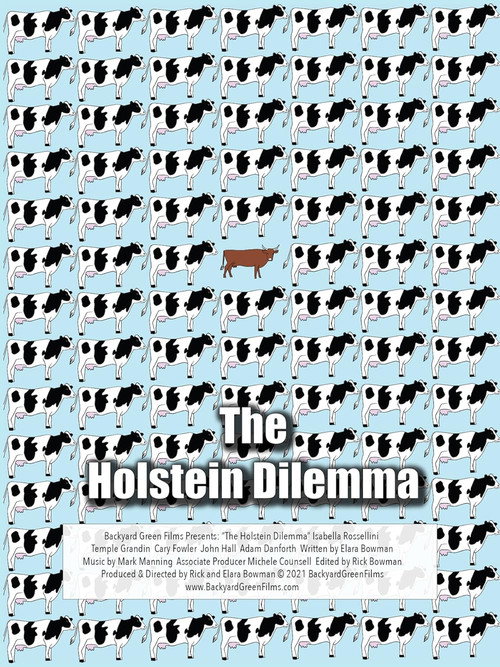
What the heck is a heritage breed, anyway, and why should we all care? What started out as a simple question at a livestock fair inspired filmmakers Rick and Elara Bowman to search for answers across North America, from those who actually do the work and the experts that back it up with science. With interviews from agriculturalists, scientists and personalities to find out more about Heritage Breed livestock, this film explores why diversity is important in today's agricultural model that's based on large volume, fast growth, and the cheapest product possible for the consumer, but little else. Heritage breed animals have things to offer that we won't know we need until we need them, like pest and disease resistance, fertility, and tolerance to climate extremes.
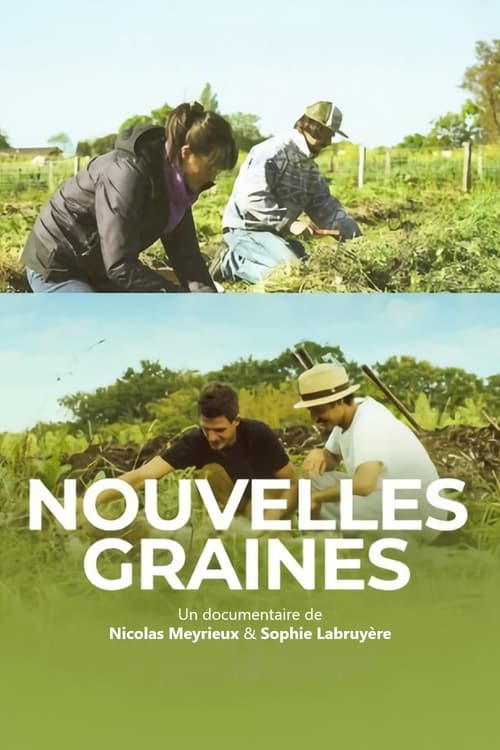
For 5 years, Nicolas made videos and shows about the environment. He left Paris to settle in the Landes and met Zoé and Anthony. This young farming couple, recently settled on 7 hectares of almost dead land, is building a farm with impeccable ethics in accordance with the rules of nature. Inspired by their experience, Nicolas decides to change his life, becomes an intern for his friends and takes his farming diploma. But on the field, reality catches up with them and redraws the projects of each of them.
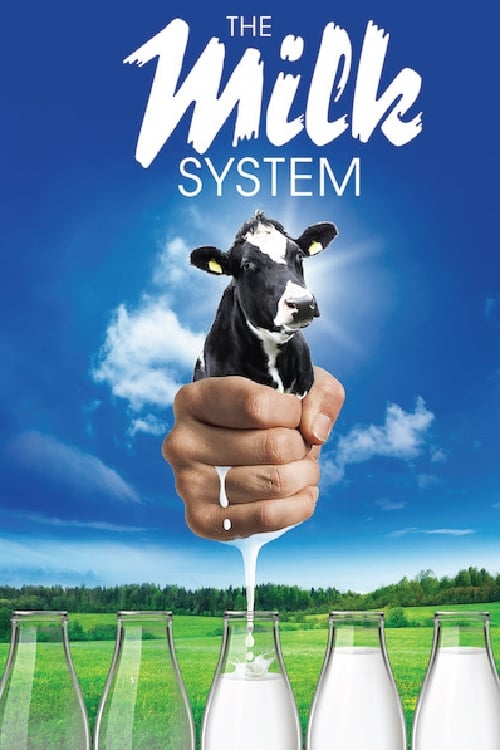
Milk is Big Business. Behind the innocent appearances of the white stuff lies a multi-billion euro industry, which perhaps isn't so innocent…
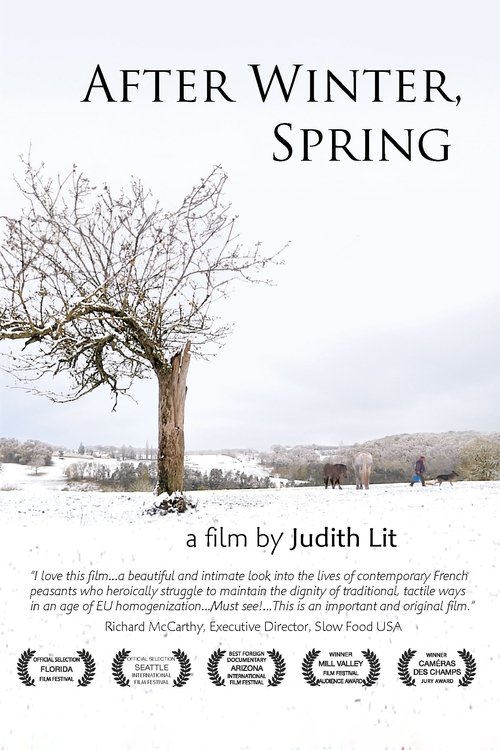
Family farmers in southwest France practice an ancestral way of life under threat in a world increasingly dominated by large-scale industrial agriculture.
Gamer Girl follows Allison Drouillard, a college freshman and top ranked Valorant player. While fighting off virtual enemies, she’ll recount her battles with very real ones as she balances her interest and skill in collegiate esports with everyone else’s expectations.
America's policy of producing cheap food at all costs has long hobbled small independent farmers, ranchers, and chefs. Worried for their survival, trailblazing food writer Ruth Reichl reaches out across political and social divides to uncover the country's broken food system and the innovators risking it all to transform it.
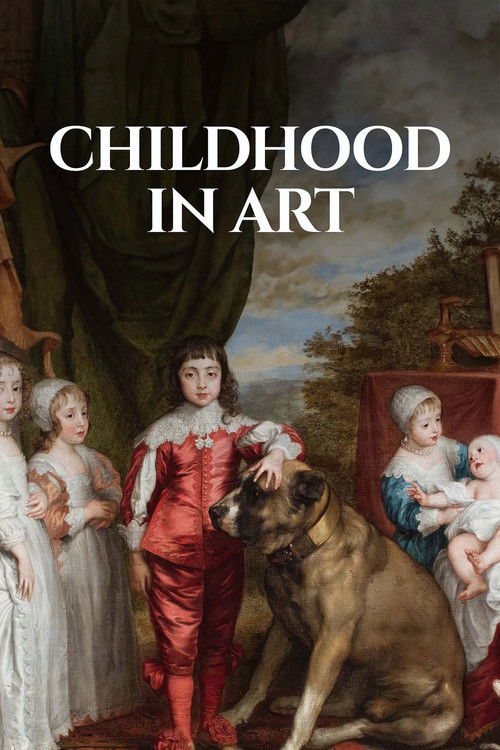
How have the changing views on children been reflected in their representation in art? From Baby Jesus to the first photographic portraits, an exploration of six centuries of art history through the prism of childhood.
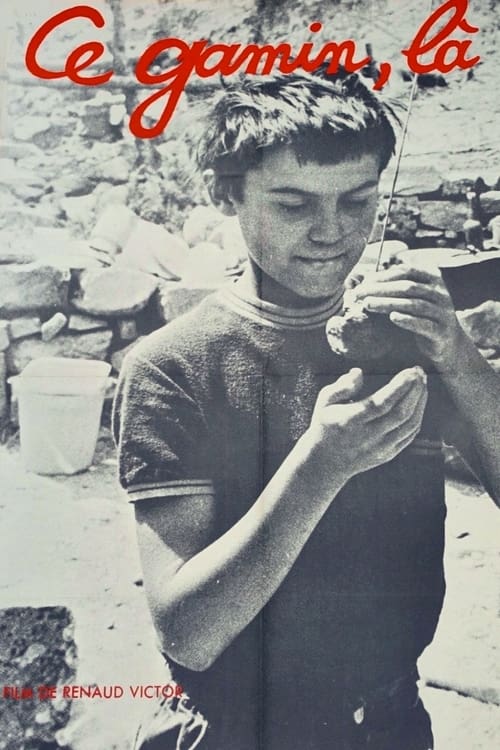
A group of educators led by Fernand Deligny are working to create contact with autistic children in a hamlet of the Cevennes.
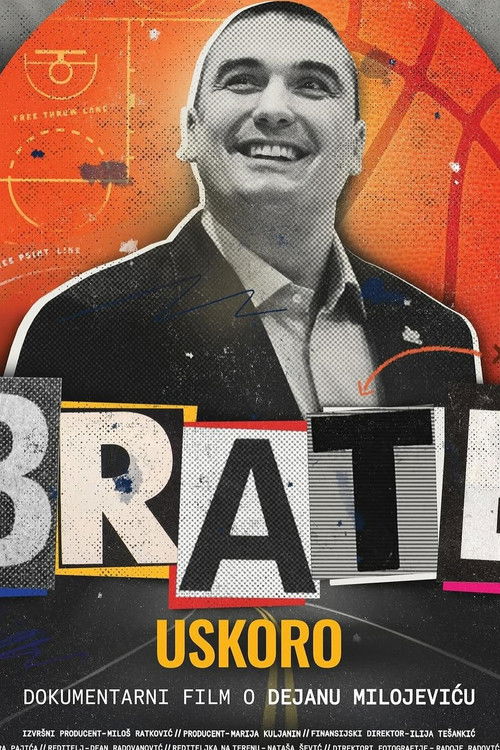
The documentary film “BRAT” captures the deep connections Dejan Milojević built with the people around him — he called everyone “BRATE” Even in America, among NBA stars and coaches, he preserved that same spirit.
Director Hannah Livingston spends 6 months tracking two of America's most radical Christian hate groups - a notorious pastor from Arizona and a network of extremist preachers.
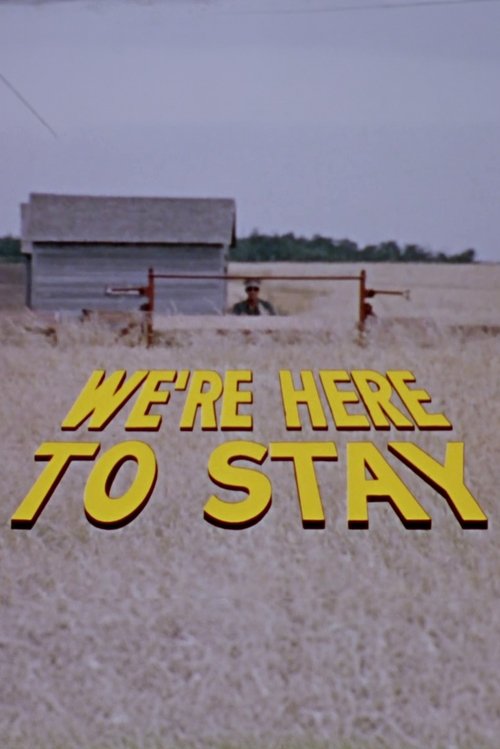
Farm families in Lestock, Saskatchewan, have pooled their resources so that rising operating costs will not drive them off their land. By pooling their land, their equipment, their livestock, and farming as a cooperative, they are able to live as they choose, to maintain their standard of living, and even to have some spare time left over to enjoy. An engaging look at a novel approach to big-scale farming.
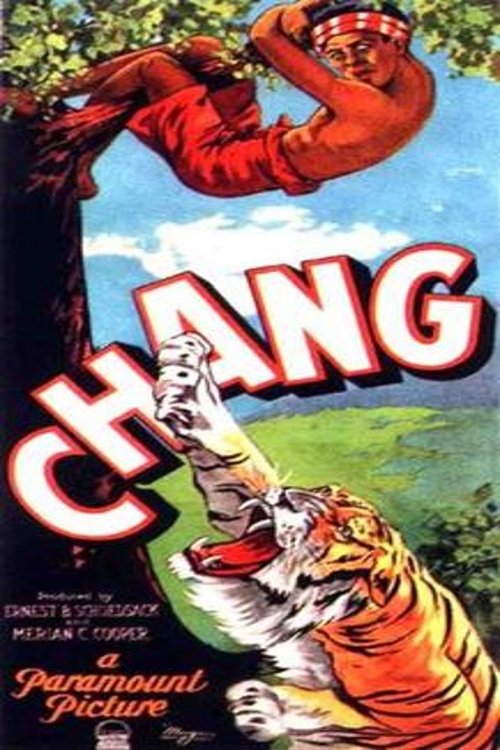
Elephants disrupt the lives of a family deep in the jungles of Northern Siam, and an entire village.
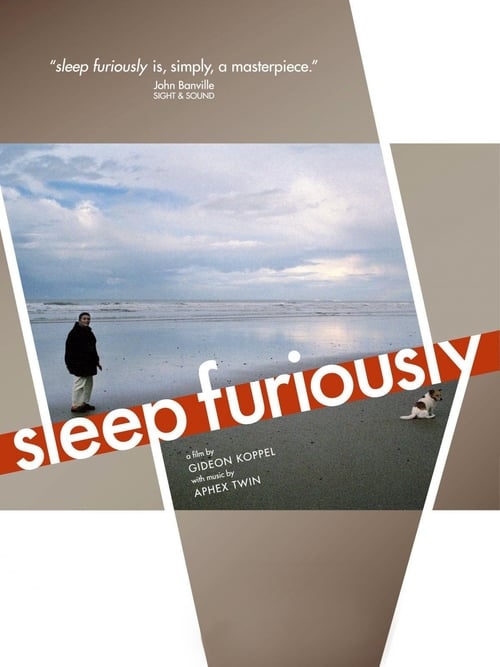
Set in a small farming community in mid Wales, a place where Koppel's parents - both refugees - found a home. This is a landscape and population that is changing rapidly as small scale agriculture is disappearing and the generation who inhabited a pre-mechanised world is dying out. Much influenced by his conversations with the writer Peter Handke, the film maker leads us on a poetic and profound journey into a world of endings and beginnings; a world of stuffed owls, sheep and fire.
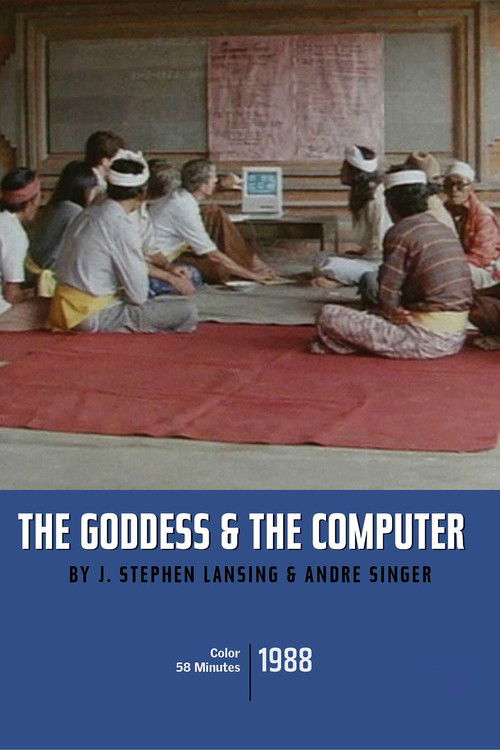
For centuries, rice farmers on the island of Bali have taken great care not to offend Dewi Danu, the water goddess who dwells in the crater lake near the peak of Batur volcano. Through an analysis of ritual, resource management practices (planting schedules, irrigation vs. conservation, etc) and social organization, anthropologist Steve Lansing and ecologist James Kremer discover the intricacy and sustainability of this ancient water management agricultural system.
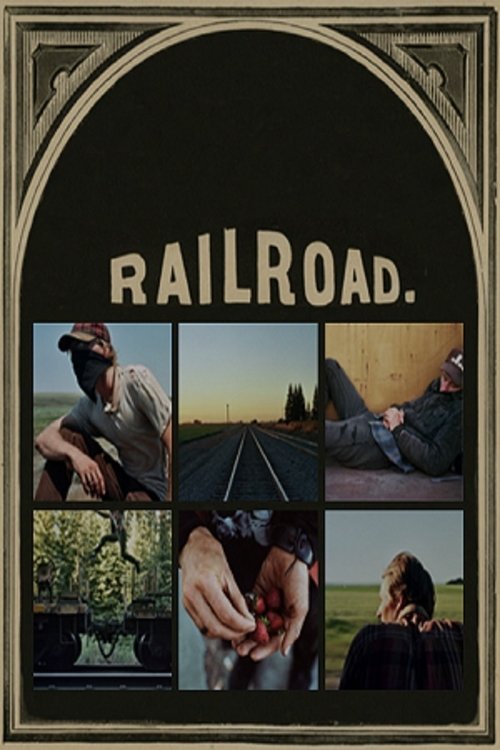
A short documentary film about poet brothers Kai and Anders Carlson-Wee hopping freight trains across the country. Shot over the summer of 2013 on the Burlington Highline route from Minneapolis, Minnesota to Wenatchee, Washington.