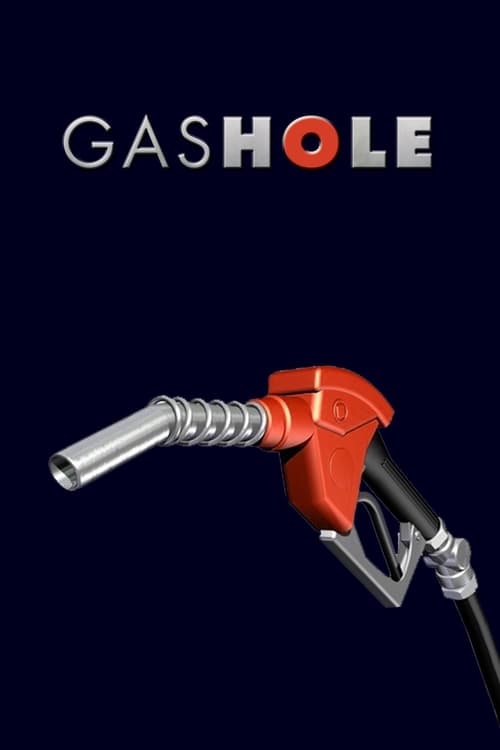
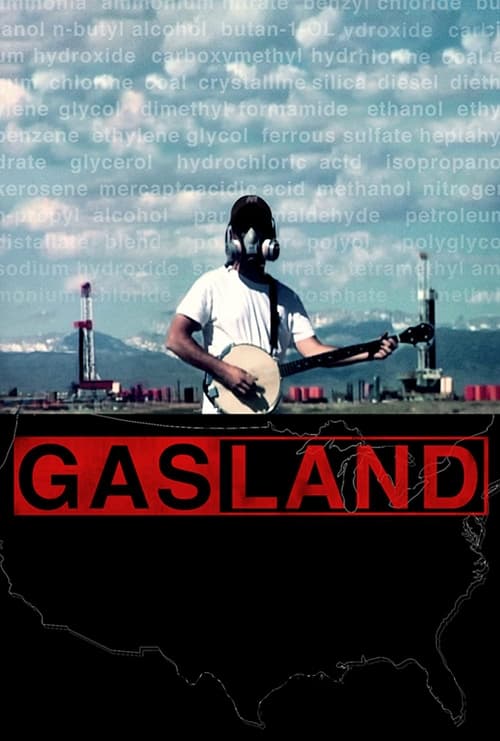
This compelling Emmy Award winning documentary shows the dirty side of hydraulic fracturing and natural gas, an energy source the industry touts as a clean alternative to fossil fuels.
Ali MacGraw
as Self - Narrator (voice)
Living on the prairies during the summer, the Swainson Hawk flies 11,000 km to Argentina for the winter. But toxic pesticides pose a serious threat to these majestic birds. Dr. Stuart Houston and his team use satellite technology along with traditional bird-banding to greatly increase our knowledge of the lives of migratory birds.
Maura is a black woman, mother of 7 children and recyclable material collector in one of the largest cities in Latin America. While she works hard to maintain herself, she has to deal with prejudice, invisibility and the ignorance of those who do not recognize the value and important role of the recyclable material collector bring to the city, as an environmental agent.
Just one of the many far-reaching impacts of the slave trade on human history is on agriculture and horticulture. While the French plantation owners on the Caribbean island of Martinique had their gardens laid out, Versailles-style, their enslaved workers continued their tradition of using medicinal wild herbs. Nowadays these herbs represent one of several resources through which the people of Martinique counter the health and ecological ravage caused by the use of pesticides on the banana plantations. Farmers are reclaiming uncultivated lands to grow indigenous vegetables, without any industrial pesticides; they fight boldly for simple biodiversity.
This is one of the most beautiful rewilding stories of our time, that of Douglas and Kristine Tompkins, a couple of successful entrepreneurs – The North Face and Esprit – who decided to dedicate themselves to protecting vast territories in Patagonia. The results of their actions are astounding: in 30 years they enabled the creation and expansion of 18 national parks between Chile and Argentina, covering a total area of 7 million hectares, equivalent to the size of a country like Ireland. By transforming these spaces and reconstructing natural ecosystems, the development of these parks has also enabled the creation of social bonds, developed a new form of economic activity, brought forth a political space, and contributed to strengthening the population’s sense of belonging to their territories.
The film discusses the various uses of land for producing food, clothing, and shelter. It explains how different types of land are cultivated for growing crops, raising livestock, and sourcing raw materials for clothing like cotton, wool, and leather. The film also covers the extraction of resources for building materials, such as lumber, clay, stone, and iron ore. Additionally, it touches on the production of plastics and synthetic materials from minerals. The film emphasizes the importance of making wise decisions in land use, balancing agricultural, industrial, and recreational needs, and the necessity of conserving land for its natural beauty and environmental value.
When the water in her small Mexican town proves to be radioactive, a young mom suddenly finds herself leading a local resistance movement. Her life is upended when she has to face a powerful and corrupt government hellbent on burying the truth.
The foreshore as you've never seen it before! War, survival, and marine ballet: in a Microscomos-style odyssey with sumptuous images, this documentary takes a close-up look at the aquatic world at low tide and its colorful creatures.
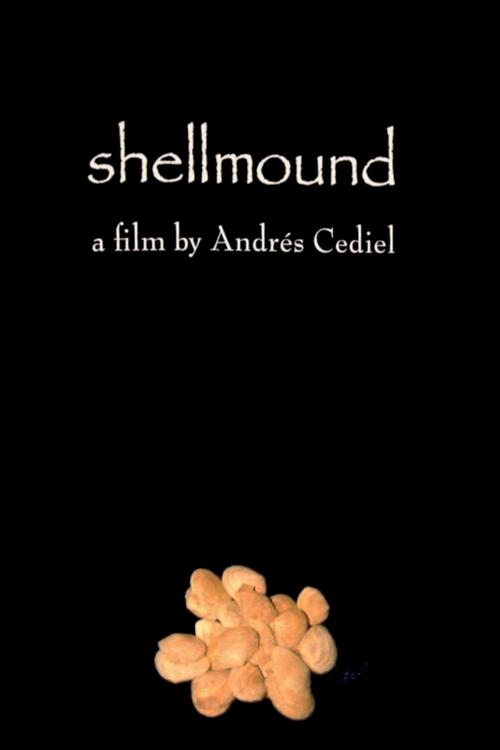
“Shellmound” is the story of how one location was transformed from a sacred center of pre-historic cultures to a commercial mecca for modern people. What began as a Native American burial ground three thousand years ago, was transformed first into an amusement park, and later an industrial age paint factory. Now, the tainted ancient soil sits beneath the glittering lights of Banana Republic, Victoria’s Secret, and the AMC movie theaters. “Shellmound” examines the decisions made during the recent toxic cleanup, excavation, and construction of the Bay Street mall through the eyes of the city of Emeryville, the developer, the archaeologists, and the native Californians who worked on the site.
Every day, the world over, large amounts of high-level radioactive waste created by nuclear power plants is placed in interim storage, which is vulnerable to natural disasters, man-made disasters, and to societal changes. In Finland the world’s first permanent repository is being hewn out of solid rock – a huge system of underground tunnels - that must last 100,000 years as this is how long the waste remains hazardous.
Documentary film about the history of Oil prices and the future of alternative fuels. The film takes a wide, yet detailed examination of our dependence on foreign supplies of Oil. What are the causes that led to America turning from a leading exporter of oil to the world's largest importer?
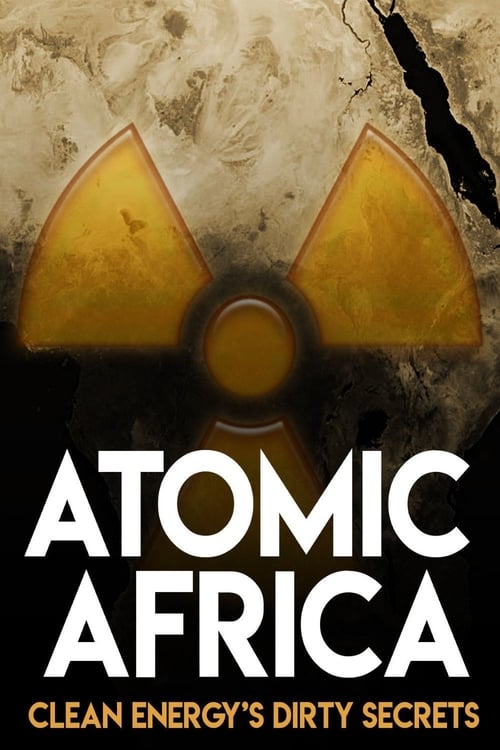
Africa's development is being held back by poor infrastructure and undersized power plants. Countries like Uganda can only produce only 1/4 of the energy needed, leading to daily power cuts with disastrous economic impacts. It's a golden opportunity for nuclear giants who lobby aggressively for more power plants in Africa. But how safe are these new reactors? And what do they mean for the locals?
It is happening all across America-rural landowners wake up one day to find a lucrative offer from an energy company wanting to lease their property. Reason? The company hopes to tap into a reservoir dubbed the "Saudi Arabia of natural gas." Halliburton developed a way to get the gas out of the ground-a hydraulic drilling process called "fracking"-and suddenly America finds itself on the precipice of becoming an energy superpower.
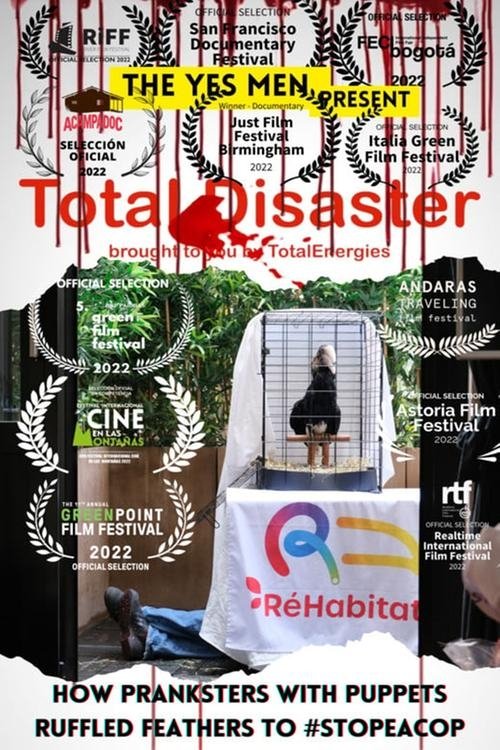
Armed with realistic bird puppets, trickster environmental activists pretend to be oil company Total—staging a satirical press conference to introduce “RéHabitat,” a program to rescue animals from the East African Oil Pipeline by relocating them to “more sustainable” habitats. Using humor and mischief, they expose a deadly ecological disaster in a zany effort to help #StopEACOP.
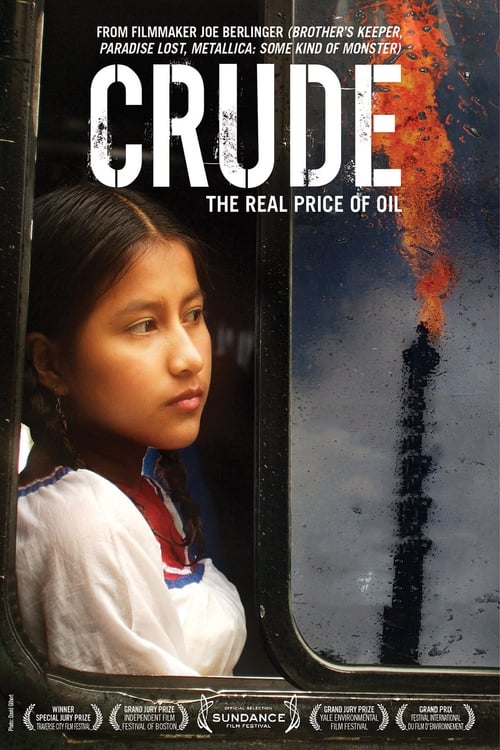
The story of lawsuit by tens of thousands of Ecuadorans against Chevron over contamination of the Ecuadorean Amazon.
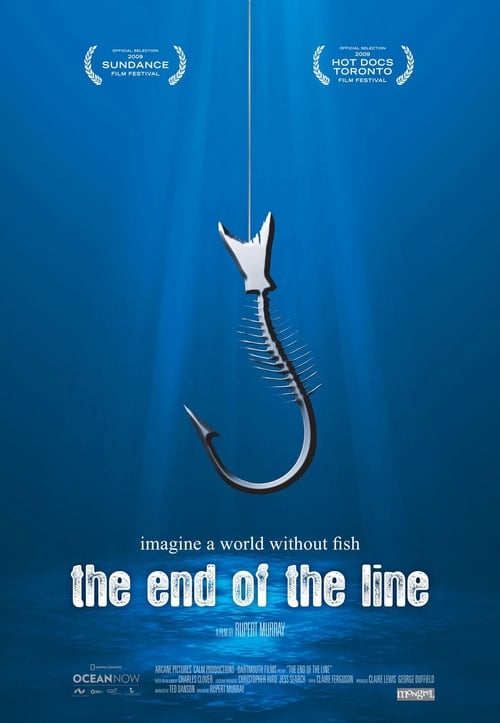
Examines the devastating effect that overfishing has had on the world's fish populations and argues that drastic action must be taken to reverse these trends. Examines the imminent extinction of bluefin tuna, brought on by increasing western demand for sushi; the impact on marine life resulting in huge overpopulation of jellyfish; and the profound implications of a future world with no fish that would bring certain mass starvation.
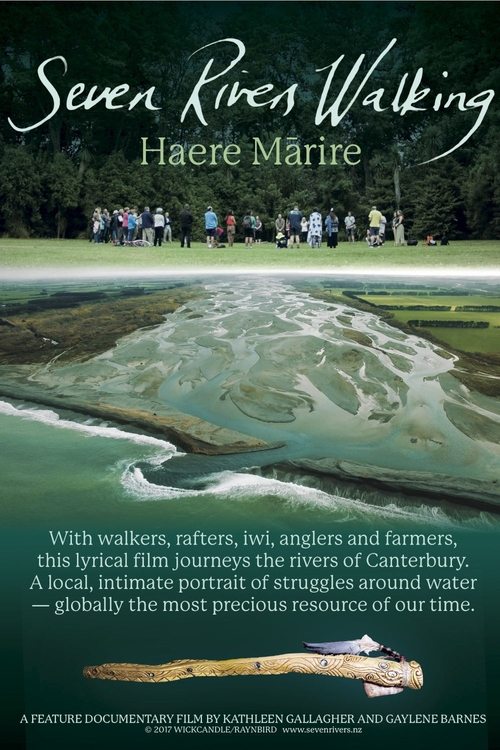
Documentary about the degraded rivers of Canterbury, New Zealand.
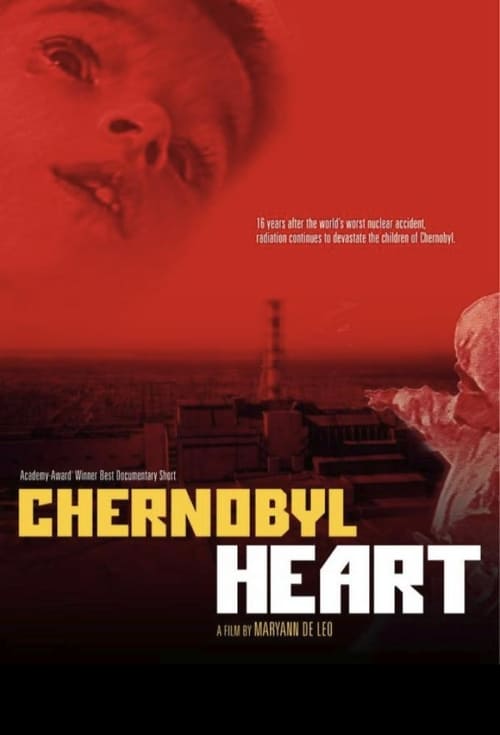
This Academy Award-winning documentary takes a look at children born after the 1986 Chernobyl nuclear plant disaster who have been born with a deteriorated heart condition.