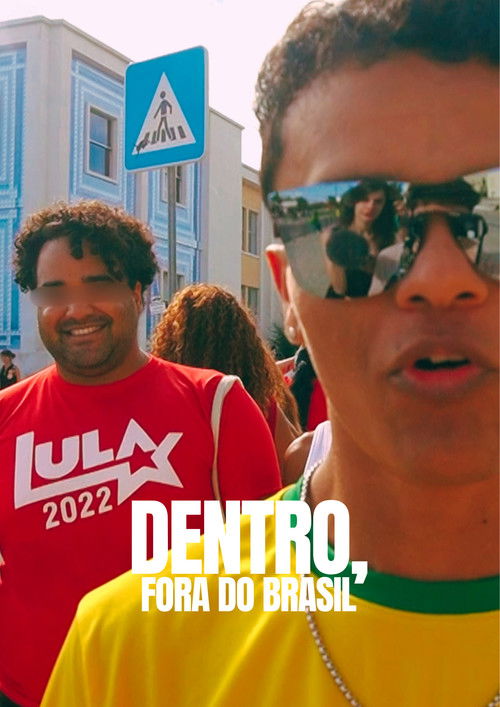
A small group of people is in a music festival on an island in the middle of the Atlantic Ocean. In "Fear and Loathing and Party in Las Ponta Delgada", we experience the happiness and insanity behind one of the most unique festivals in the world.
Diogo Lima
as
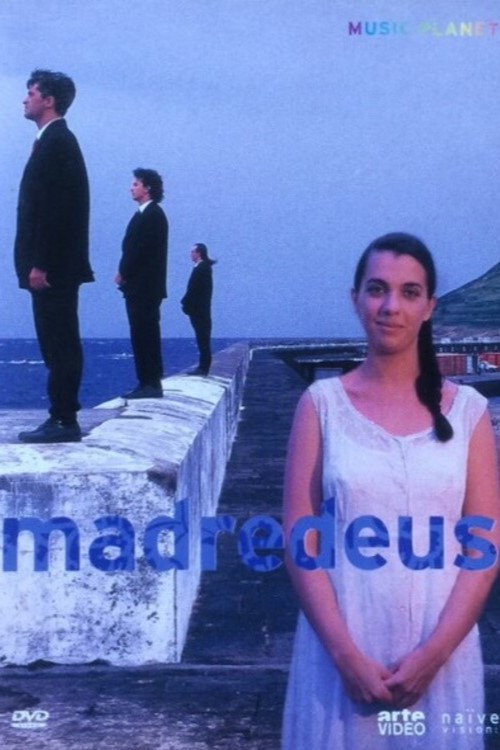
Lost in the Atlantic, the Azores have kept an identity of their own: sea and volcanic mountains, lush vegetation and fields of black lava, a light that changes from one moment to the next. Teresa Salgueiro, the singer of Madredeus, and Pedro Ayres Magalhães, the composer, travel from island to island and find the mixed origins of their music, traces of an imaginary Portugal: traditions that have vanished on the mainland live on here. A landscape, the words of an old man, a village feast call up their songs. Teresa’s voice, with a single guitar, rises on the shore of a still lake. “Madredeus is an isolated case,” says Pedro, “a little like the Azores, lost in the ocean.”
All the stories told, all the memories, dreams and lost moments were left in a tank from other generations.
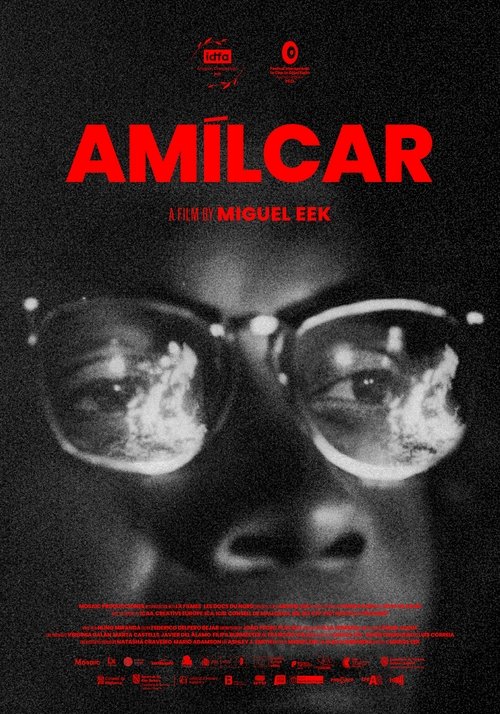
Poet, agricultural engineer and revolutionary Amílcar Cabral was born in Guinea-Bissau to Cape Verdean parents. After studying in Portugal, he emerged as the charismatic leader of the anti-colonial struggle against Portuguese rule. With his utopian ideas, he sparked a cultural and an armed uprising that went on to inspire other African liberation movements.
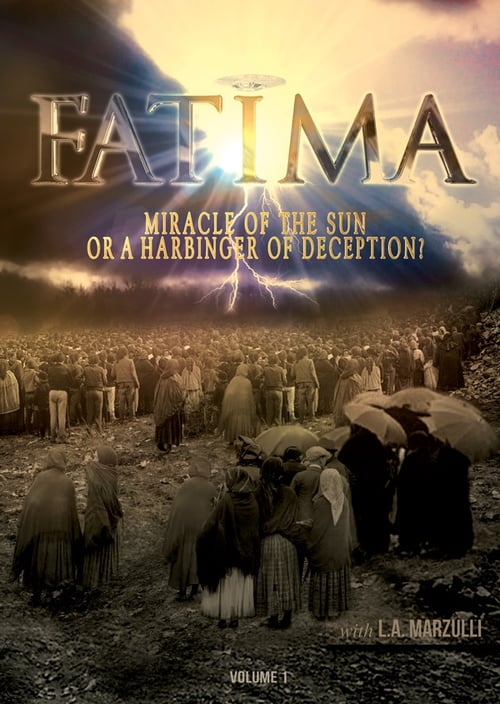
100 years ago an event happened that changed the world. Upwards of 70,000 were gathered in the little village of Fatima, Portugal. They were told, by an apparition that had appeared to three children—what many believed to be Mary of the Bible—that a miracle would occur. Something happened on October 13, 1917 and thousands of people witnessed it… It was called, The Miracle of the Sun.
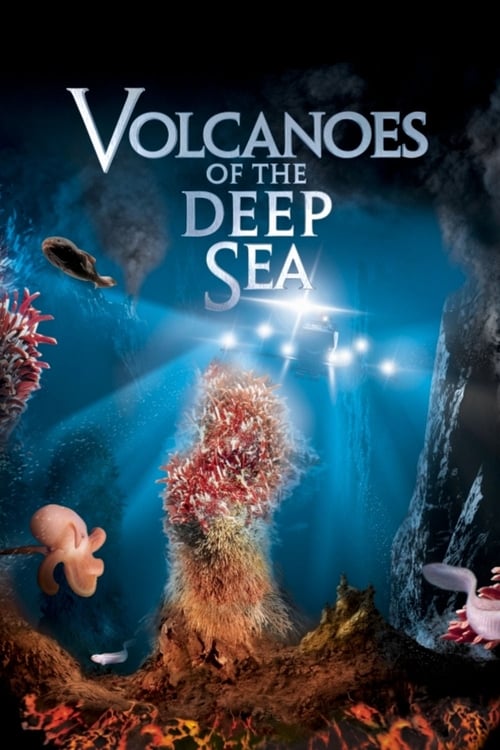
12,000 feet down, life is erupting. Alvin, a deep-sea mechanized probe, makes a voyage some 12,000 feet underwater to explore the Azores, a constantly-erupting volcanic rift between Europe and North America.
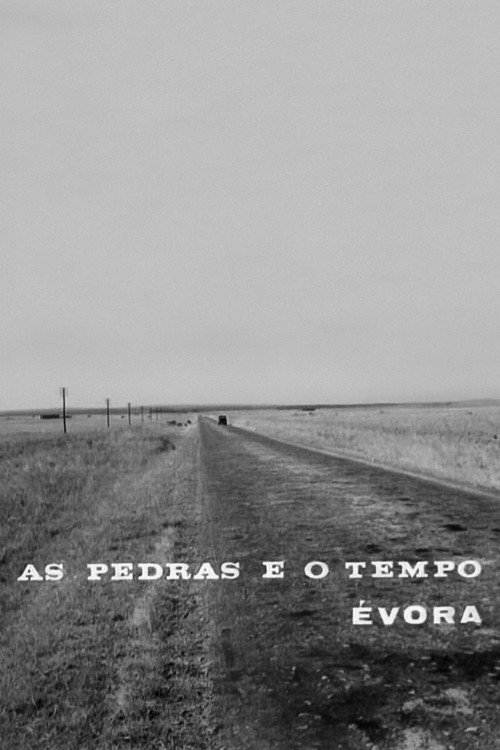
Documentary short film on the city of Évora, Portugal. Usually regarded as the first film of the Portuguese New Wave.
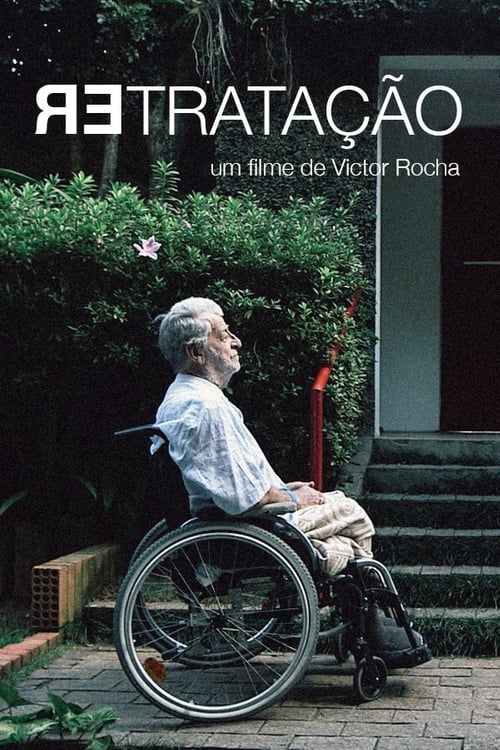
Fernando Lemos, a Portuguese surrealist artist, fled from dictatorship to Brazil in 1952 searching for something better. The movie follows the last moments of his journey and the struggle for the preservation of his legacy, trying to fulfill his last great desire: to be a good dead man.
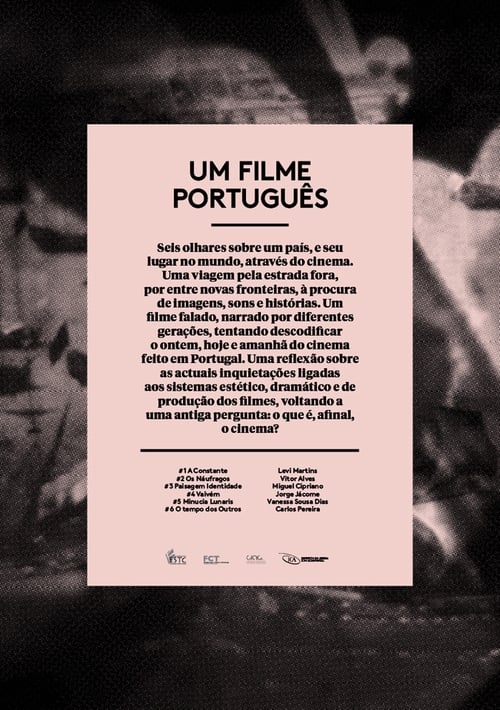
A documentary about the world of portuguese cinema, with interviews with some critics and directors.
A box with a 1992 VHS and some film slides from a friends trip to Sri Lanka.
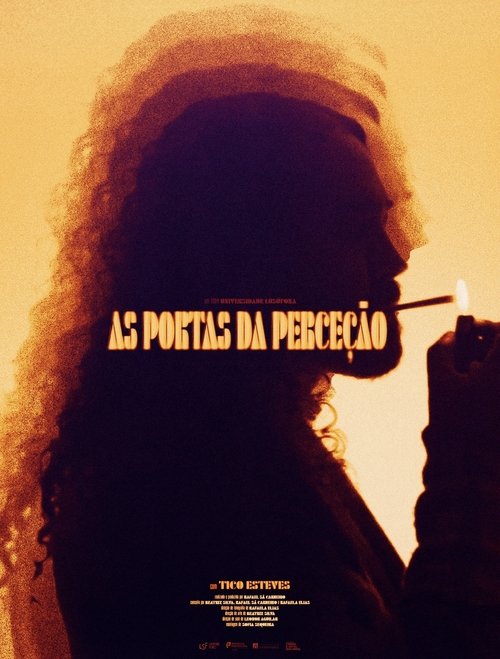
Francisco Esteves, an elevator technician, lives between routine and a quiet passion for art. Inspired by the music of The Doors, he reflects on the paths not taken and the dreams that still drive him, in a constant search for meaning and freedom.
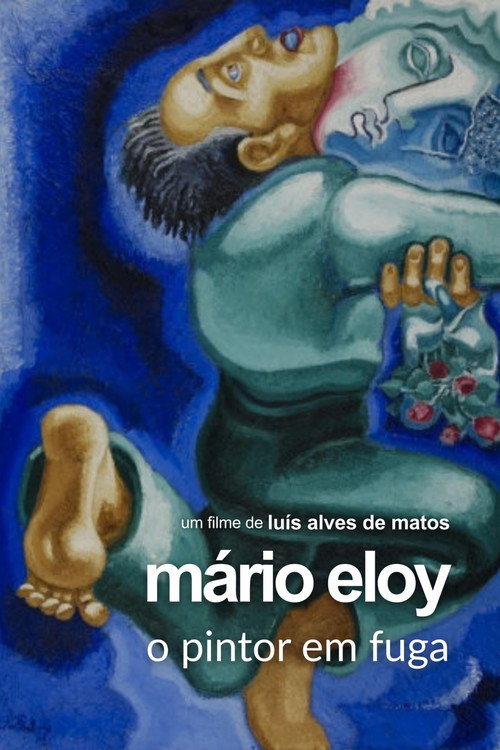
Documentary about the life and work of Mário Eloy, one of the greatest painters of the second generation of modernism in Portugal.
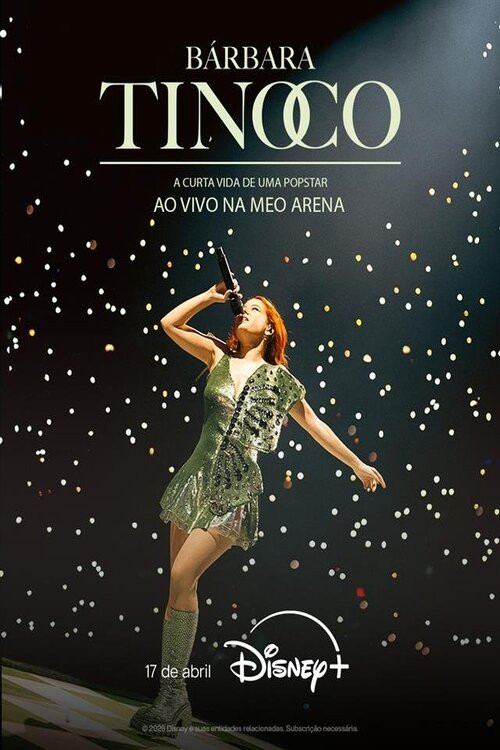
A concert film by Bárbara Tinoco, filmed live at the MEO Arena in Lisbon, Portugal. Bárbara Tinoco is the youngest Portuguese artist to sell out the country’s largest arena, taking the stage with a magical, theatrical, but also very moving show.
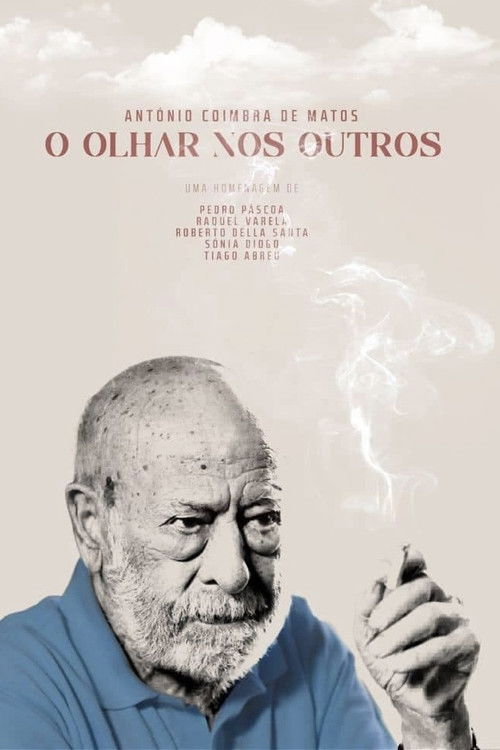
"Thoughts on the moon, feet on the road, eyes on others": António Coimbra de Matos revolutionized psychoanalysis.