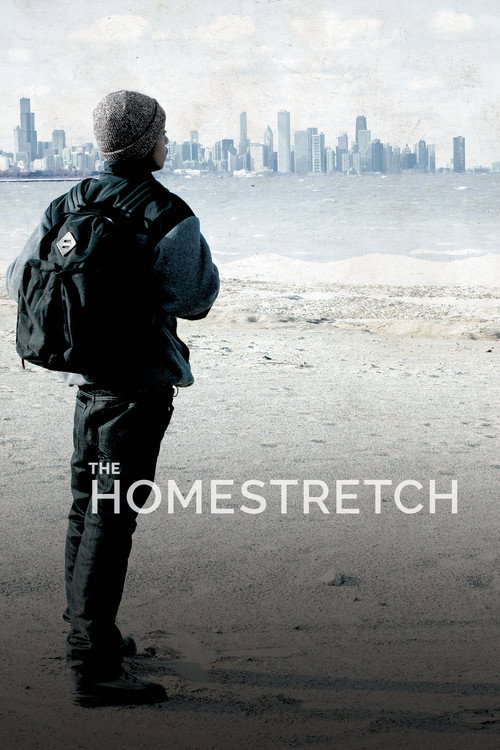
An account of the experiences by poet and National Literature Award laureate Raúl Zurita, during his travels and his daily life, as he reflects on topics such as state terrorism and death
Raúl Zurita
as Self

Jesus Camp is a Christian summer camp where children hone their "prophetic gifts" and are schooled in how to "take back America for Christ". The film is a first-ever look into an intense training ground that recruits born-again Christian children to become an active part of America's political future.
During the 1977 World Series, Sports Illustrated reporter Melissa Ludtke was denied access to the players' locker room. After a very public fight, the door was opened, but the debate about female journalists in the male sanctum of the clubhouse remained. Through interviews with pioneering female sports writers, Let Them Wear Towels captures the raw behavior, humorous retaliation, angry lawsuits and remarkable resolve that went into the struggle for equal access for women reporters.
"Plastic Paradise" is an independent documentary film that chronicles Angela Sun's personal journey of discovery to one of the most remote places on Earth, Midway Atoll, to uncover the truth behind the mystery of the Great Pacific Garbage Patch. Along the way she encounters scientists, celebrities, legislators and activists who shed light on what our society's vast consumption of disposable plastic is doing to our oceans -- and what it may be doing to our health.
Film Title Poem is comprised of over 500 film title cards.
NiiSoTeWak means “walking the path together.” Tapwewin and Pawaken are 10-year-old brothers trying to make sense of the world, their family and each other. They’re already grappling with some heady questions about identity. What does it mean to be a twin? What does it mean to be Cree? How do you define yourself when you’re forever linked to someone else? The twins discuss these questions with their two elder brothers — 22-year-old actor Asivak and 20-year-old basketball player Mahiigan — and their parents, Jules and Jake.
The Kitades run a butcher shop in Kaizuka City outside Osaka, raising and slaughtering cattle to sell the meat in their store. The seventh generation of their family's business, they are descendants of the buraku people, a social minority held over from the caste system abolished in the 19th century that is still subject to discrimination. As the Kitades are forced to make the difficult decision to shut down their slaughterhouse, the question posed by the film is whether doing this will also result in the deconstruction of the prejudices imposed on them. Though primarily documenting the process of their work with meticulous detail, Aya Hanabusa also touches on the Kitades' participation in the buraku liberation movement. Hanabusa's heartfelt portrait expands from the story of an old-fashioned family business competing with corporate supermarkets, toward a subtle and sophisticated critique of social exclusion and the persistence of ancient prejudices.
Agnes may not seem like someone with much to laugh about. For one thing, she has albinism - a lack of pigment in the skin, hair and eyes - and her appearance has provoked prejudice from family, friends and strangers since she was born. But despite all odds, Agnes refuses to lead a life of sorrow. This fascinating and inspiring documentary also shares the stories of seven other people's individual experiences of living their lives with albinism in Kenya, a predominantly black society. While each person's story is unique, they all have one thing in common: they know what it is like to stand out uncomfortably from the crowd.
Fox Rich, indomitable matriarch and modern-day abolitionist, strives to keep her family together while fighting for the release of her incarcerated husband. An intimate, epic, and unconventional love story, filmed over two decades.
Explores the lives of Sara, Gigi and Giovanna, three Latino transvestites who for years have lived on the streets of Manhattan supporting their drug addictions through prostitution. They made their temporary home inside broken garbage trucks that the Sanitation Department keeps next to the salt deposits used in the winter to melt the snow. The three friends share the place known as "The Salt Mines".
Ricardo was once Sara, a homeless HIV positive transvestite, living in the underbelly of Manhattan. Today he is a churchgoing, married man, "saved" by a Dallas ministry. He has renounced his homosexuality, but is his conversion complete? Susana Aiken and Carlos Aparicio offer an intimate look at Ricardo's transformation.
Australian filmmaker Sophia Turkiewicz investigates why her Polish mother abandoned her and uncovers the truth behind her mother's wartime escape from a Siberian gulag, leaving Sophia to confront her own capacity for forgiveness.
Helke Sander interviews multiple German women who were raped in Berlin by Soviet soldiers in May 1945. Most women never spoke of their experience to anyone, due largely to the shame attached to rape in German culture at that time.
Documentary about teenage mothers, their boyfriends and their babies.
Filmmaker Froukje van Wengerden’s 86-year-old grandmother shares a powerful memory from 1944, when she was just 14. As her story unfolds, we see a group of contemporary 14-year-old girls. Their procession of portraits permits the spectator to see simultaneously forward and back, into the future and towards the past. A miraculous testimonial that uses eye contact to focus the viewer inward and evoke unexpected emotions.
Starting with a long and lyrical overture, evoking the origins of the Olympic Games in ancient Greece, Riefenstahl covers twenty-one athletic events in the first half of this two-part love letter to the human body and spirit, culminating with the marathon, where Jesse Owens became the first track and field athlete to win four gold medals in a single Olympics.
Part two of Leni Riefenstahl's monumental examination of the 1938 Olympic Games, the cameras leave the main stadium and venture into the many halls and fields deployed for such sports as fencing, polo, cycling, and the modern pentathlon, which was won by American Glenn Morris.
Recaptures the lives and times of Ma Rainey, Bessie Smith, Ida Cox, Alberta Hunter, Ethel Waters, and the other legendary women who made blues music a vital part of American culture. The film brings together for the first time dozens of rare, classic renditions of the early blues.
Dovzhenko and Solntseva's documentary about the Bukovina region.