Three generations of the Nabi family flee their home in Aleppo and try to make it to safety in Germany where some members of the family have already settled. Along the way they suffer countless setbacks and heartache.
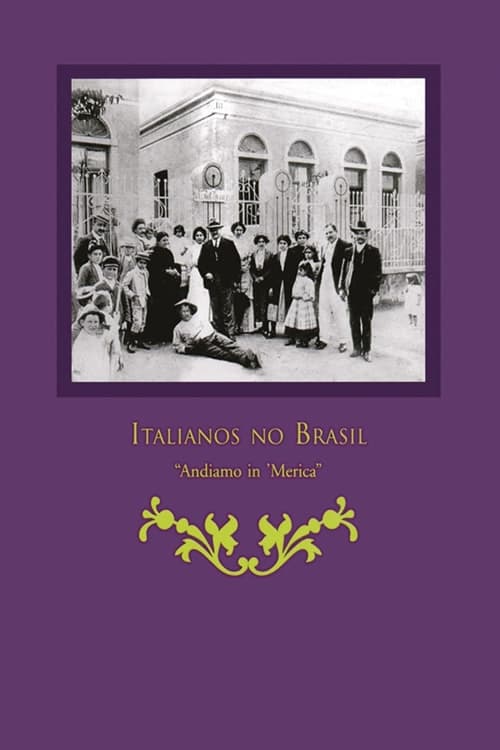
A documentary about Italian immigration in Brazil.
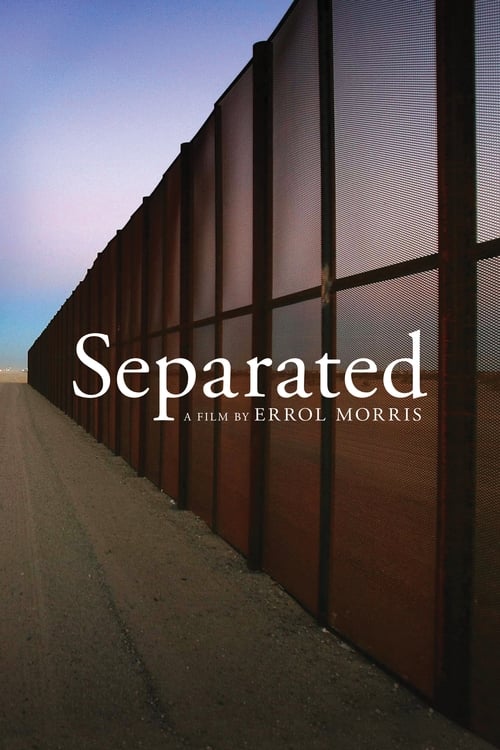
Academy Award®-winning filmmaker Errol Morris confronts one of the darkest chapters in recent American history: family separations. Based on NBC News Political and National Correspondent Jacob Soboroff’s book, Separated: Inside an American Tragedy, Morris merges bombshell interviews with government officials and artful narrative vignettes tracing one migrant family’s plight. Together they show that the cruelty at the heart of this policy was its very purpose. Against this backdrop, audiences can begin to absorb the U.S. government’s role in developing and implementing policies that have kept over 1300 children without confirmed reunifications years later, according to the Department of Homeland Security.
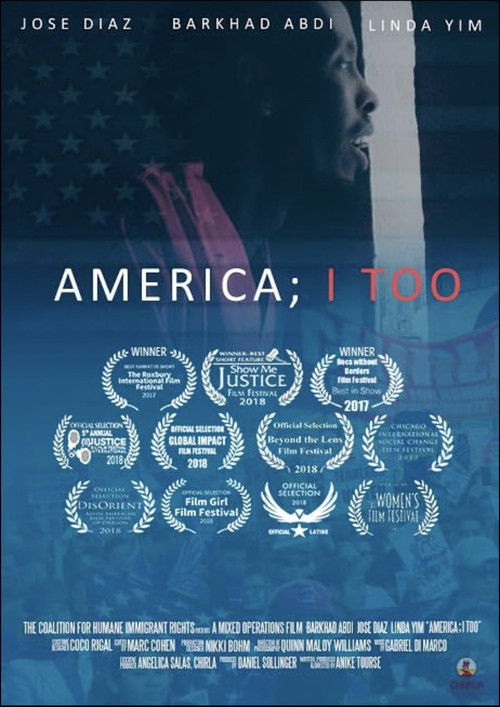
Three arrested and detained undocumented immigrants must navigate the system to fight impending deportation.
The remarkable story of Jelena Dokic – an elite tennis star who beat the best in the world with a mental toughness few could match. Jelena survived the turmoil of being a refugee, the pressure of centre court, and the burden of a volatile father.
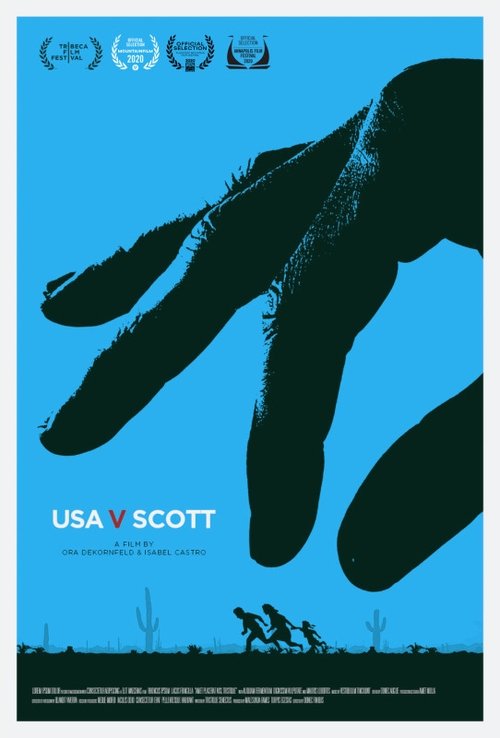
When an Arizona resident is charged with three felony counts and faces a 20-year prison sentence for helping migrants, his community grapples with moral questions posed by his arrest.
The only thing colder than a Canadian winter is Canadian bureaucracy (probably). Based on five real life stories, Romy Boutin St-Pierre and Joe Nadeau pay homage to the nation-wide stress headache of phone calls with the government in this surprising short.
A documentary about Antti Jalava, a Swedish-Finnish writer who was among the first to write about the immigrant experience in Sweden.
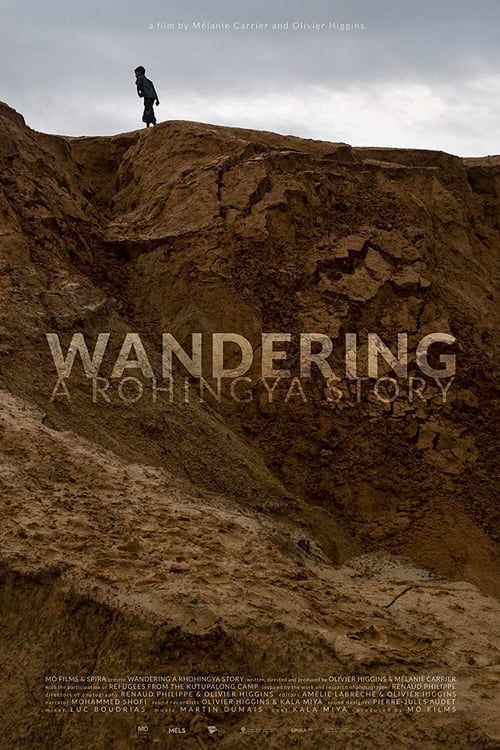
Within a few months, the Kutupalong refugee camp has become the biggest in the world. Out of sight, 700,000 people of the Rohingya Muslim minority fled Myanmar in 2017 to escape genocide and seek asylum in Bangladesh. Prisoners of a major yet little publicized humanitarian crisis, Kalam, Mohammad, Montas and other exiles want to make their voice heard. Between poetry and nightmares, food distribution and soccer games, they testify to their daily realities and the ghosts of their past memories. Around them, the spectre of wandering, waiting, disappearing. In this place almost out of space and time, is it still possible to exist?
“Forgetting is complicit in recidivism,” says the commentary of this film dedicated to the demonstration of October 17, 1961 in Paris and the savage repression that followed. 11,538 Algerians will be arrested, which is reminiscent of the great Vel d’hiv roundup of July 16 and 17, 1942 where 12,884 Jews were arrested. The film brings together eyewitnesses including a priest, a peacekeeper, a couple of workers sympathetic to the Algerian cause, a lawyer, Paris municipal councilors including Claude Bourdet (then one of the leaders of the PSU and journalist to France Observateur), Gérard Monatte, the future police union leader, and the editor and writer François Maspero.
Thousands of undocumented migrants are illegally employed and exploited in the Italian crops to grow Italy's food. One Day One Day follows their lives from the inside of Italy's biggest slum.
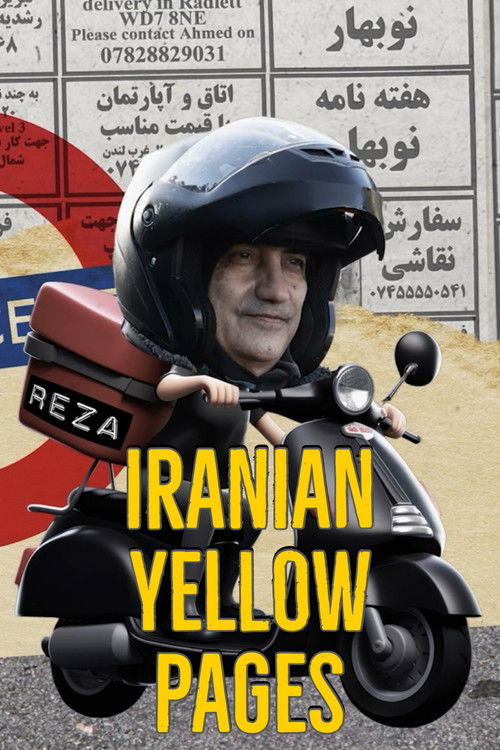
Striving to build a successful life in London, Reza places an ad in a peculiar newspaper and discovers the Iranian community hidden in plain sight. Winner of the Netflix Documentary Talent Fund.
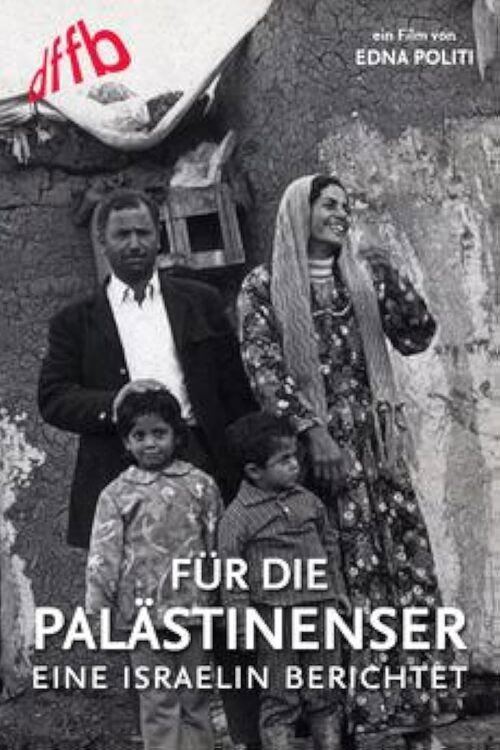
The film provides a historical overview of the history of the Palestinians between 1948-1974 and shows the living conditions of Palestinians in territories occupied by Israel since 1967.
A snappy and hyper-saturated ode and eulogy to growing up in Tegucigalpa, Honduras, and immigrating to Canada. A slice of life through the lens of a camcorder.
Made in the sunset years of Paul Bowles’ life, the film sees the eccentric author and composer reminisce on how he ended up in Morocco.
Debrah John and Ayor Makur are championing and advocating for change in regards to the practice of child marriage that is taking place in South Sudan.
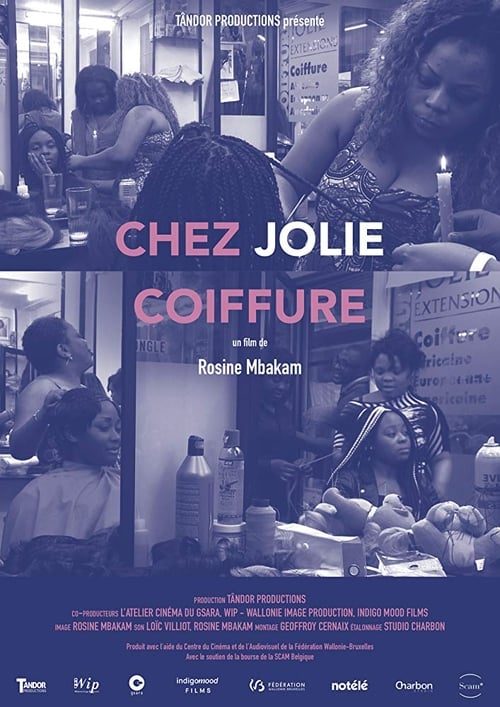
Rosine Mbakam is invited to step in Sabine’s small hairdresser’s because it is dangerous in the street. She accepts and pushes in with her camera. Sabine’s stories and the customers’ joys, worries, problems and fears bring depth and life into the premises. At times, it feels like the entire African quarter of Brussels had squeezed in. Laughter abounds, anecdotes and life stories elicit emotions, and a male visitor brings a touch of flirt into the salon.