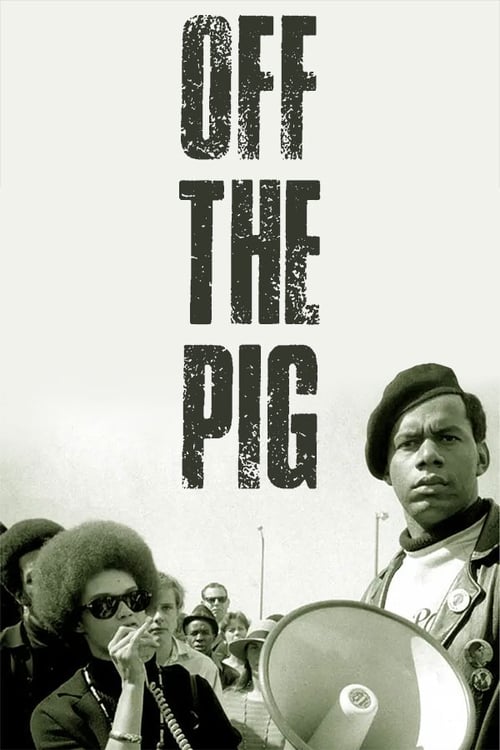
A film documenting the life of Richard Aoki, a Japanese-American activist and founding member of the Black Panther Party.
Richard Aoki
as Self (archive footage)
This one-of-a-kind comedy special showcases the comedian's riotous stand-up performance, exploring everything from the Disability experience to her Italian-Catholic upbringing to body image issues and more.
This Traveltalk series short celebrates San Francisco, past and present.
This documentary on the "youth movement" of the late 1960s focuses on the hippie pot smoking/free love culture in the San Francisco Bay area.
Thizz Nation takes you on a journey with some of Thizz & the San Francisco Bay Area's hottest rap stars. Take a visit to the real streets of The Crest, Fillmore, Pittsburg, East Palo Alto, Lakeview, North Richmond, Mission District, Sacramento, Thizz South, Millersville and Hunter's Point. Featuring PSD, Mac Mall, Rydah J. Klyde, San Quin, Cellski, Bavgate, J. Diggs, Little Bruce, Mistah F.A.B., Goldtoes and many more.
Two countries, two restaurants, one vision. At Gabriela Cámara's acclaimed Contramar in Mexico City, the welcoming, uniformed waiters are as beloved by diners as the menu featuring fresh, local seafood caught within 24 hours. The entire staff sees themselves as part of an extended family. Meanwhile at Cala in San Francisco, Cámara hires staff from different backgrounds and cultures, including ex-felons and ex-addicts, who view the work as an important opportunity to grow as individuals. A Tale of Two Kitchens explores the ways in which a restaurant can serve as a place of both dignity and community.
In the summer of 1992 two filmmakers, Jeroen Berkvens and Walter Stokman, travelled through the United States of America. They were searching for tracks of the famous soulsinger Sly Stone.
Funk legend Sly Stone disappeared from the limelight for more than 20 years. Musicians and the media tried to find the recluse but failed. In 2005 Willem Alkema started searching for Sly. Sly didn't want to be found or filmed, but Willem didn't give up and finally followed Sly in his first steps on stage in decades.
A love song to the artists, dance, music, slang, clothes and, most importantly of all, the people who came of age during the Hyphy Movement. We were there, we were hyphy.
Festival panafricain d'Alger is a documentary by William Klein of the music and dance festival held 40 years ago in the streets and in venues all across Algiers. Klein follows the preparations, the rehearsals, the concerts… He blends images of interviews made to writers and advocates of the freedom movements with stock images, thus allowing him to touch on such matters as colonialism, neocolonialism, colonial exploitation, the struggles and battles of the revolutionary movements for Independence.
Through first person accounts and searing archival footage, this documentary tells the story of the local movement and young Student Nonviolent Coordinating Committee (SNCC) organizers who fought not just for voting rights, but for Black Power in Lowndes County, Alabama.
Beyond her historic role in the Montgomery Bus Boycott, this comprehensive dive into Civil Rights icon Rosa Parks sheds light on her extensive organizing, radical politics, and lifelong dedication to activism.
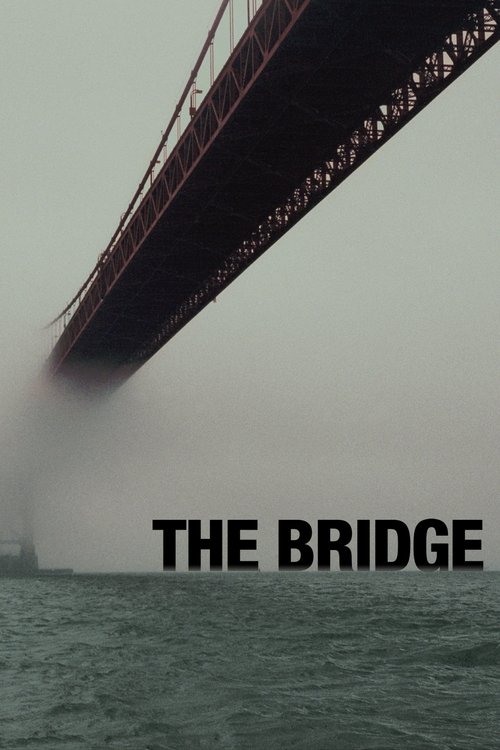
The Bridge is a controversial documentary that shows people jumping to their death from the Golden Gate Bridge in San Francisco - the world's most popular suicide destination. Interviews with the victims' loved ones describe their lives and mental health.
Loosely based on Charles Dicken’s book “A Tale of Two Cities”, Working Class tells the tale of underground street artists Mike Giant and Mike Maxwell and their decade long friendship that started with a tattoo. The story is told through the cities they call home by, cutting back and forth between the neighborhoods of San Francisco and San Diego, as the artists talk about their life philosophies and the work they create.
Harvey Milk was an outspoken human rights activist and one of the first openly gay U.S. politicians elected to public office; even after his assassination in 1978, he continues to inspire disenfranchised people around the world.
Chronicling the single-afternoon gathering (June 4, 1967) of 11 American athletes and a politician. Meeting in Cleveland, Ohio, to have a discussion with Muhammad Ali about his refusal to enter the Vietnam War draft.
San Francisco Bay Area salsa and Latin jazz performers and audiences struggle to maintain culture, creativity and community in the face of powerful socioeconomic and demographic changes. This fascinating history of the Bay Area Latin music scene explores the post-WWII growth of California’s multi-ethnic music community, the 1950s Mambo craze, the 70s heyday of Salsa, and subsequent expansions of the art form. In today’s fast-changing environment, despite decreasing audiences and venues, Bay Area performers are transforming the future of the Afro-Latin music and dance through education and outreach.
Cold Refuge is about the physical, psychological, and spiritual aspects of full immersion in the natural world: how, though it may seem counter-intuitive, swimming in cold water helps mitigate some of life’s most serious challenges. The film’s diverse film subjects include a wheelchair-bound, paralyzed swimmer who faces fear by diving off a high pier; a Black man who was told by whites when he was 13 that “Black people don’t swim” (it took him 30 years to try); a blind man who tethers himself to a sighted swimmer; a woman with aggressive breast cancer who “swims to chemo;” a lawyer who reduces courtroom stress in the open water; and a young woman who communes with her late mother in San Francisco Bay, where they both swam together. Along with swimmers’ stories of adversity and resilience, the film’s marine mammals, birds, artwork, and a variety of open-water locations create a visual meditation on what it means to escape our abstract digital world in favor of what’s real.
Fred Hampton was the leader of the Illinois Chapter of the Black Panther Party. This film depicts his brutal murder by the Chicago police and its subsequent investigation, but also documents his activities in organizing the Chapter, his public speeches, and the programs he founded for children during the last eighteen months of his life.