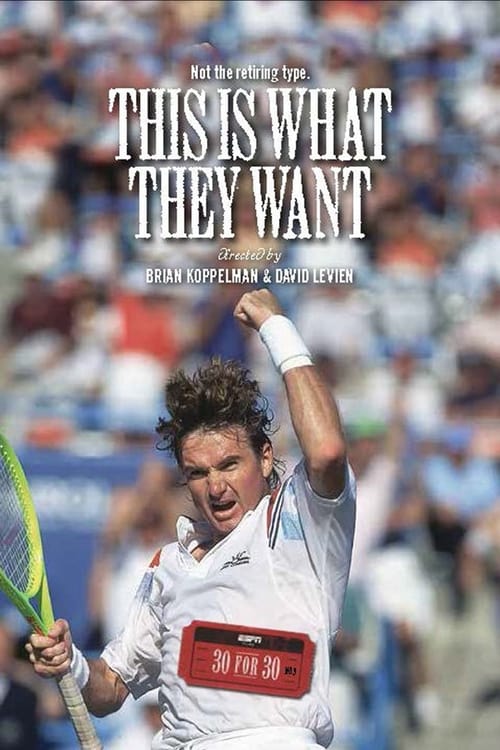
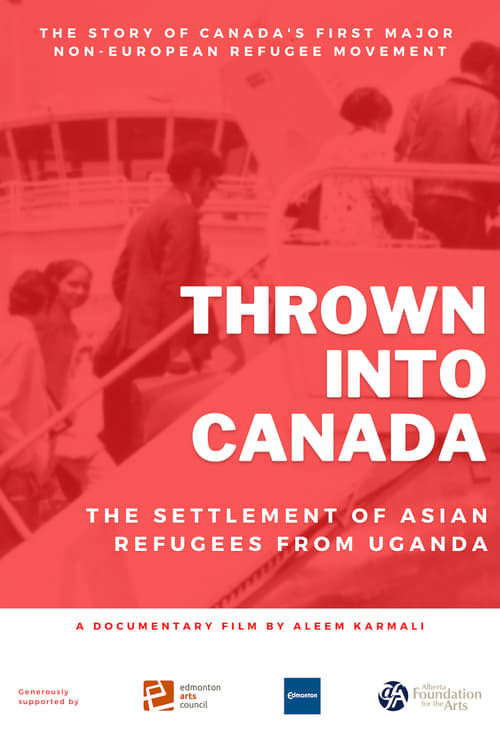
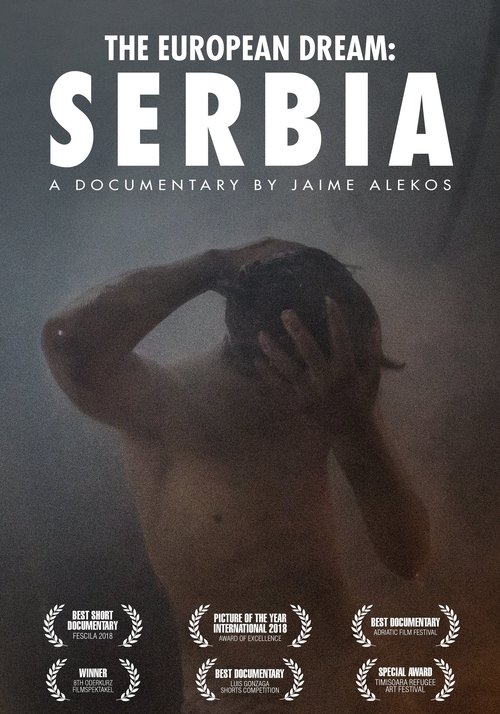
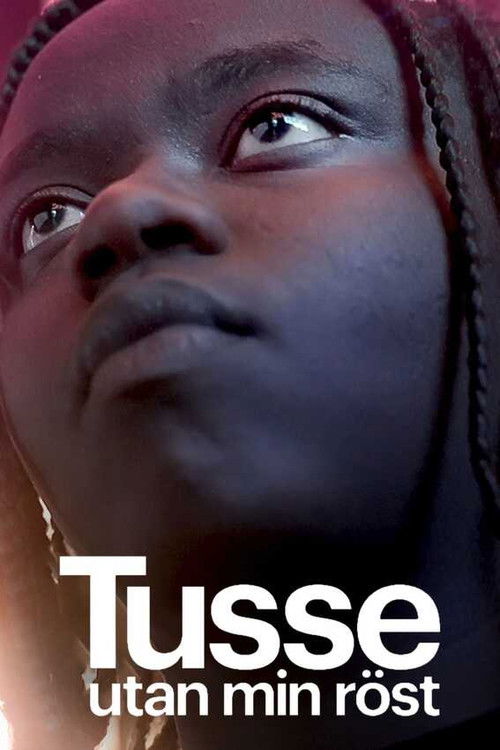
The remarkable story of Jelena Dokic – an elite tennis star who beat the best in the world with a mental toughness few could match. Jelena survived the turmoil of being a refugee, the pressure of centre court, and the burden of a volatile father.
Jelena Dokic
as Self
Todd Woodbridge
as
Lindsay Davenport
Pam Shriver
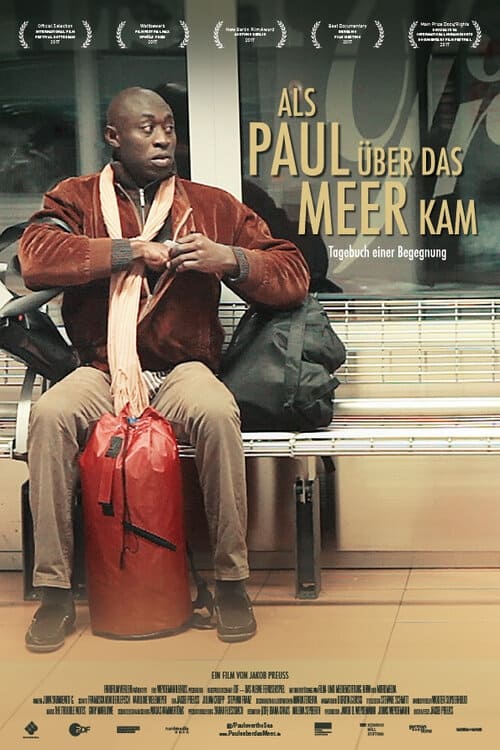
Firas, Jallow and Batoul just arrived in Berlin. They meet one another in a theatre group. They are searching for the good life in Germany - yet things don’t turn out the way they hoped. Through video letters, they reveal their deepest emotions to their families and friends back in their war-torn or poverty-stricken home countries.
"Boris Becker - The Player" is a rousing and emotional portrait of one of the greatest German sports heroes ever! It shows us the person Boris Becker up close: We experience him as a privateer, trainer, businessman and as a loving husband and father.
Recounted mostly through animation to protect his identity, Amin looks back over his past as a child refugee from Afghanistan as he grapples with a secret he’s kept hidden for 20 years.
Stories about young Ukrainian dancers and their hasty flight to the Netherlands. You see their new life as refugees. The former conservatory in The Hague is a shelter for them where they collect their lives and find refuge in their profession: dance. The formation of a new ballet company, The United Ukrainian Ballet, is an important foothold in winning back their lives. They find comfort in each other and close friendships develop. In addition, there is the great love for ballet, for the dancers the best way to express themselves.
After 21 years I return to my city of birth in order to find out what would have occured to my family if we hadn't fled the war.
Drawing inspiration from his personal encounter with the Italian refugee child Giovanna during World War II, Markus Imhoof tells how refugees and migrants are treated today: on the Mediterranean Sea, in Lebanon, in Italy, in Germany and in Switzerland.
"Renee" tells the story of Renee Richards' battle to enter the 1977 U.S. Open as the first transgender tennis player. Simultaneously, it follows her today as she struggles to cope with a life of contradictions and personal conflict. Through interviews with tennis legends, family, friends and experts from the transgender field, a story of perseverance, breakthrough and hardship unfolds.
Part road-movie and part intimate portrait of lives in transit, IT WILL BE CHAOS unfolds between Italy and the Balkan corridor, intercutting two unforgettable refugees stories of human strength and resilience.
We know about the swing. We know about the swagger. But what most Americans don't know about Venus Williams is how she changed the course of her sport. In a stunning case that captured the European public beginning in 2005, Williams challenged the long-held practice of paying women tennis players less than their male counterparts at Wimbledon. With a deep sense of obligation to the legacy of Billie Jean King, Williams lobbied British Parliament, UNESCO and Fleet Street for financial parity. And it was her poignant op-ed piece in The London Times that convinced many people that the Wimbledon tournament organizers were "on the wrong side of history." Roland Garros and Wimbledon finally relented in 2007. That year at Wimbledon, Venus became the first women's champion to earn as much as the men's singles winner (Roger Federer). VENUS VS. chronicles Williams' fight for pay equality.
Relive the most thrilling moments of Australia’s beloved tennis tournament in this chronicle of its ascent to top-seed status on the global stage.
Dark as ebony and agile as a panther was Tom Alandh's father. Many said that the darkness and wildness of him made him look like Tarzan, even though he only came from Åmål.
Chaja Florentin and Mimi Frons have been best friends for 83 years. Born and raised in Berlin, they had to escape from the Nazis to Palestine with their families in 1934. They talk about their complicated relationship with Berlin in a Tel Aviv café where they meet everyday. A film about friendship, homeland and identity.
A portrait of the life and work of the great Hungarian composer Béla Bartók, exploring both his music and his passionate interest in his country's folklore.
Along an overgrown rail track south of the Zairean town Kisangani, a UN expedition together with a handful of journalists discover “lost” refugees. They are eighty thousand Hutus from far away Rwanda, the last survivors of three years of hunger and armed persecution that transpired throughout the vast Congo basin. The Hutu-refugees leave the forest, gathering in two gigantic camps. Hundreds of refugees die every day from diseases and malnutrition The Rwandans are promised repatriation with airplanes out of Kisangani. The film traces those refugees into the heart of the rainforest, and the hopeless attempts to help them.. But only four weeks later, the unprotected UN-camps are again attacked by machine-gun fire, deliberately massacred by factions of the rebel army (AFDL) of today’s Democratic Republic Congo. Eighty thousand men, women and children disappear once again back into the jungle. (jedensvet.cz)
In the nine months prior to World War II, 10.000 innocent children left behind their families, their homes, their childhood, and took the journey... to Britain to escape the Nazi Holocaust.
The first time Chris Evert and Martina Navratilova stepped onto a tennis court together, the world scarcely noticed. Only a few hundred spectators saw the pert 18-year-old beat the scrappy 16-year-old Czech in 1973. “I remember that she was fat,” Evert recalled. “She was very emotional on the court, whining if she didn't feel she was playing well. But I remember thinking, if she loses weight, we’re all in trouble.” Said Navratilova, “My goal was for her to remember my name.” Eighty matches later – amid the extraordinary growth of women’s tennis – Evert not only remembered, but became a tried and true friend and confidante, remarkable considering the two appeared to be polar opposites in upbringing, life styles and personal relationships. Through a series of personal conversations, this documentary will tell the story of one of the greatest one-on-one sports rivalries and capture these two extraordinary athletes’ views on tennis and an ever-changing world.
Refuge(e) traces the incredible journey of two refugees, Alpha and Zeferino. Each fled violent threats to their lives in their home countries and presented themselves at the US border asking for political asylum, only to be incarcerated in a for-profit prison for months on end without having committed any crime. Thousands more like them can't tell their stories.
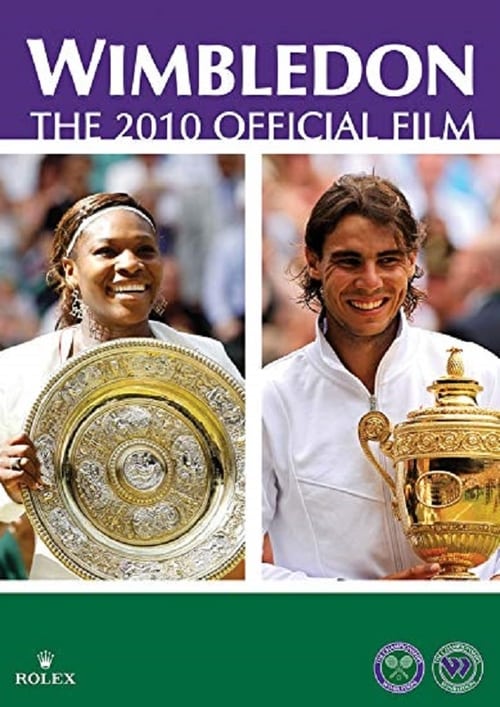
The film intertwines Roger Federer and Rafael Nadal's lives with their famed 2008 Wimbledon championship - an epic match so close and so reflective of their competitive balance that, in the end, the true winner was the sport itself.
REFUGEE CONVERSATIONS / PAKOLAISKESKUSTELUJA is a 90-minute documentary film. Its themes are: refugees, racism, xenophobia, Islam, Christianity and compassion — or the lack of it. What is the meaning and role of these in Finland, a country which according to many studies is the happiest country in the world?