Vladimir Horowitz's piano recital in 1987 at the Musikvereinssaal in Vienna.
Vladimir Horowitz
as Performer (piano)/Self
After the great success of his Beethoven cycle, Christian Thielemann now turns with his new orchestra, the Staatskapelle Dresden, to the symphonic work of Johannes Brahms. Bonus features include: an extensive 52 minute interview with Christian Thielemann on Brahms' Symphonies and provides and in-depth look into his interpretation of Brahms.
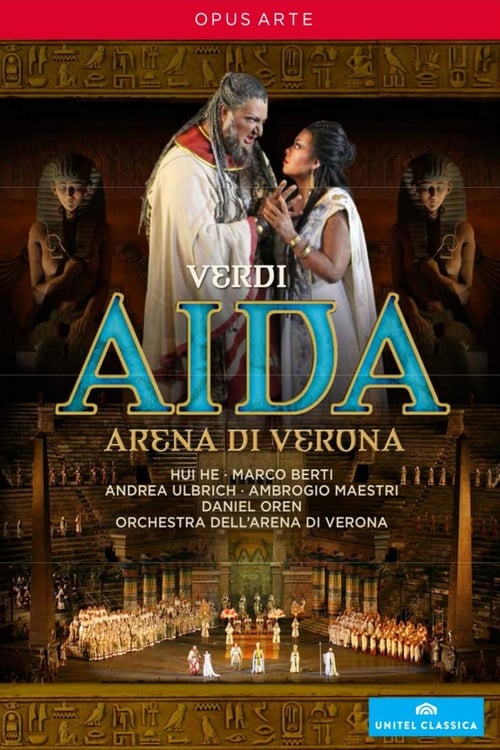
The grand scale and magnificent acoustics of the Roman arena in Verona are ideally suited to the pageantry of Verdi's Egyptian opera, presented here in a staging that is true to the original 1913 production, framed by obelisks and sphinxes and filled with chorus and dancers. Chinese soprano Hui He has won international acclaim for her portrayal of the eponymous slave girl whose forbidden love for the war hero Radamés (Marco Berti, the experienced Verdi tenor) brings death to them both.
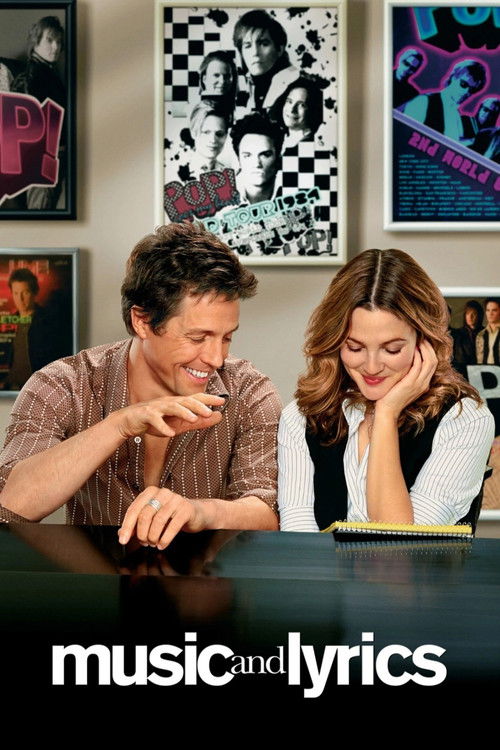
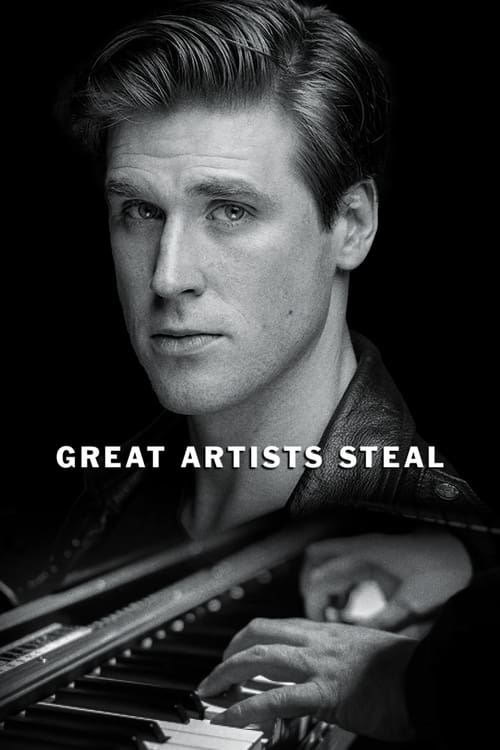
A washed-up '80s pop star gets a chance at a comeback when reigning pop diva Cora Corman invites him to write & record a duet with her, but there's a problem--Alex hasn't written a song in years; he's never written lyrics and he has to come up with a hit in a matter of days.
The Nutcracker is Mikhail Baryshnikov's breathtaking and critically acclaimed Emmy-nominated production. This spectacular performance is danced by the magnificent team of Baryshnikov, one of the greatest classical dancers of the century, and Gelsey Kirkland, both showcased at the peak of their careers, with members of the American Ballet Theatre.
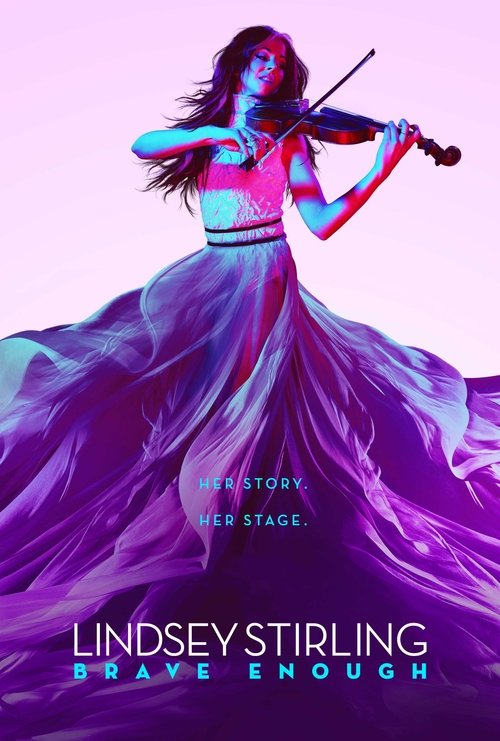
Beginning on the eve of her thirtieth birthday, “Brave Enough,” documents violinist Lindsey Stirling over the past year as she comes to terms with the most challenging & traumatic events of her life. Through her art, she seeks to share a message of hope and courage and yet she must ask herself the question, “Am I Brave Enough?” Capturing her personal obstacles and breakthrough moments during the “Brave Enough,” tour, the film presents an intimate look at this one-of- a-kind artist and her spectacular live performances inspired by real-life heartbreak, joy, and love.
A look back at the violent conflict between the two leading figures of musical modernity, Arnold Schönberg and Igor Stravinsky, in the first decades of the 20th century. Although Arnold Schönberg and Igor Stravinsky both had a decisive influence on the fourth art, their creations remained diametrically opposed. While the Austrian developed the dodecaphonic method, placing the twelve notes of the chromatic scale at the heart of the composition technique to the detriment of tonality, his Russian rival based his practice on stylistic eclecticism. Their supporters formed two opposing camps, and the two composers - one the father of the Second Viennese School, the other of Neoclassicism - became, in the wake of their successes, the figureheads of a conflict that marked the history of music by its duration and intensity.
Changing colors according to the music.
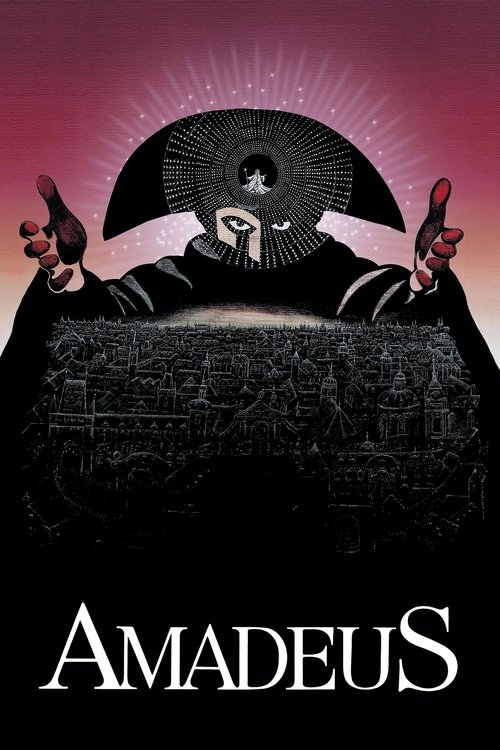
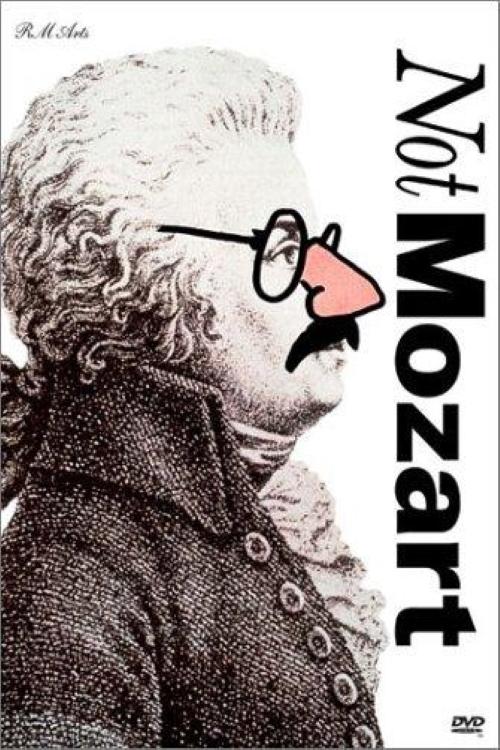
Disciplined Italian composer Antonio Salieri becomes consumed by jealousy and resentment towards the hedonistic and remarkably talented young Salzburger composer Wolfgang Amadeus Mozart.
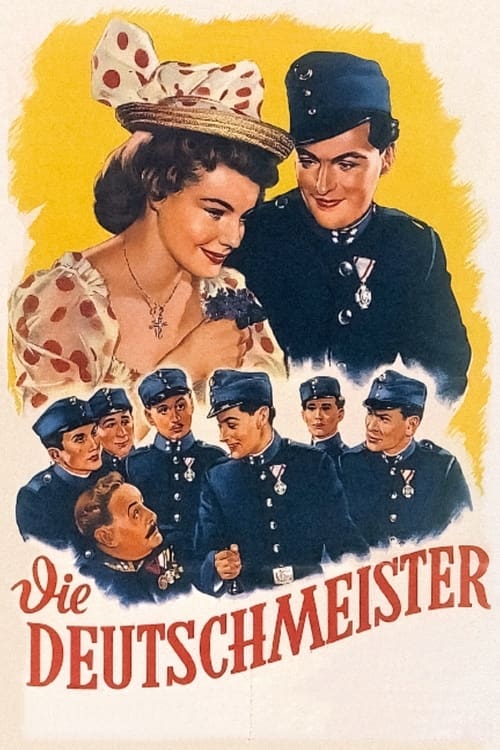
Young Stanzi who is visiting Vienna helps a young corporal and musician to become famous for his marching song "Die Deutschmeister".
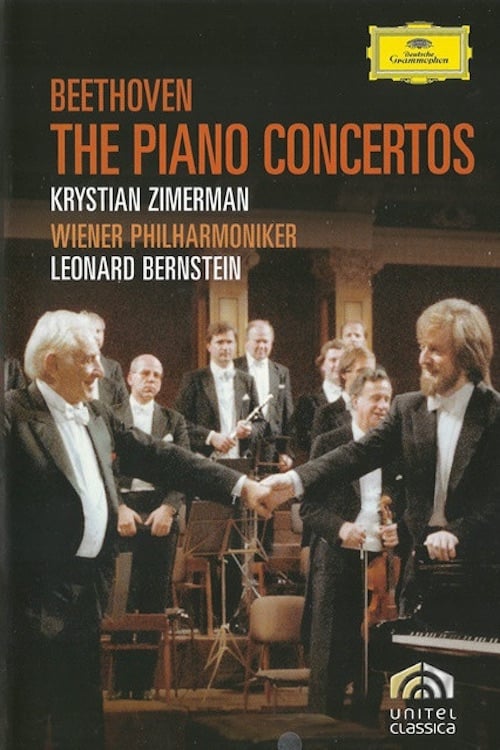
Under the guidance of famed American composer and conductor Leonard Bernstein, Polish classical pianist Krystian Zimerman and the Vienna Philharmonic deliver a rousing performance of Ludwig van Beethoven's Piano Concertos nos. 3, 4 and 5. Premiered in 1808, Beethoven's fourth concerto marked the last time the composer would take the stage as a soloist with an orchestra.
The Third Part of the Third Measure creates an encounter with the militant minimalism of black avant-garde queer composer, pianist and vocalist Julius Eastman. The film focuses on what The Otolith Group describe as ‘an experience of watching in the key of listening’, invoking political feelings of defiance and the collective practice of movement building that participates in the global struggles against neoreactionary authoritarianism. The Third Part of the Third Measure invites viewers to attend to exemplary ecstatic aesthetics of black radicalism that Eastman himself once described as ‘full of honour, integrity and boundless courage’.
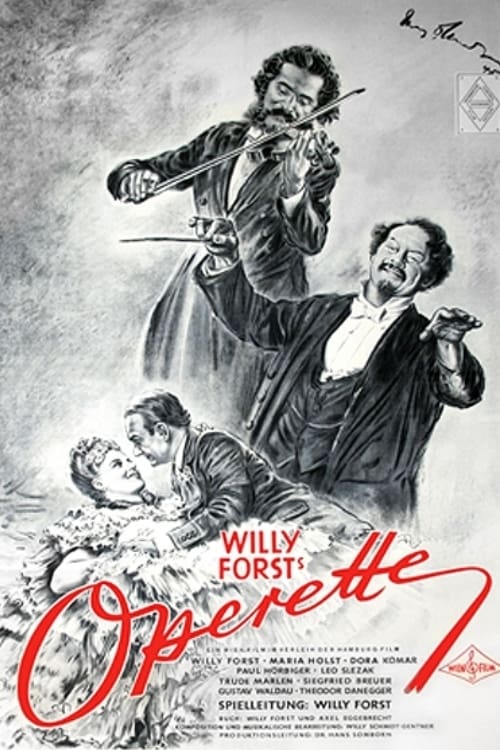
A musical based on the life and music of Johann Strauss, Jr.
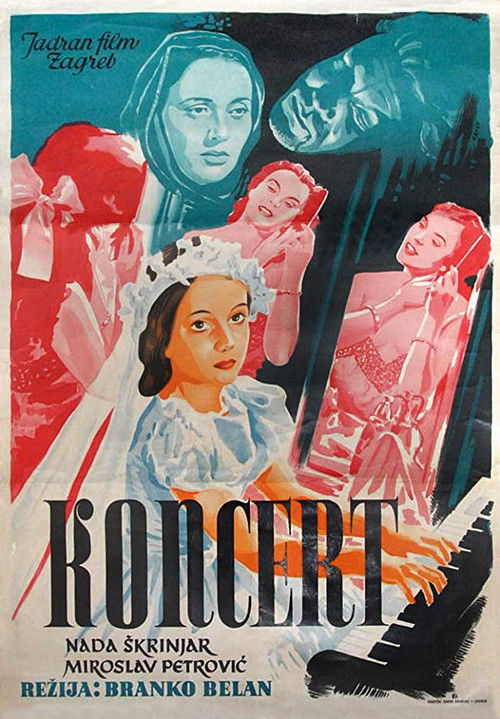
Celebrating the end of World War II and liberation of their city, a group of students is set on holding a cultural evening. They invite Ema, a reclusive piano teacher from the same building, to play for them. Ema declines, but starts reminscing back on her own life and the historical events that have seemingly overshadowed it.
A musician is offered a job in Vienna as stage director, but his disagreements with the aristocratic opera manager end in abrupt firing in spite of a mutual attraction. He's quickly engaged by another theatre and becomes famous for his lavish stage productions and fine acting, which begins their golden age with Suppé and Strauss.
Letters, Riddles and Writs is a one act opera for television by Michael Nyman broadcast in 1991.
Set in 1980s Melbourne, a disgraced jazz pianist attempts to get back into his former band by sabotaging his replacement.
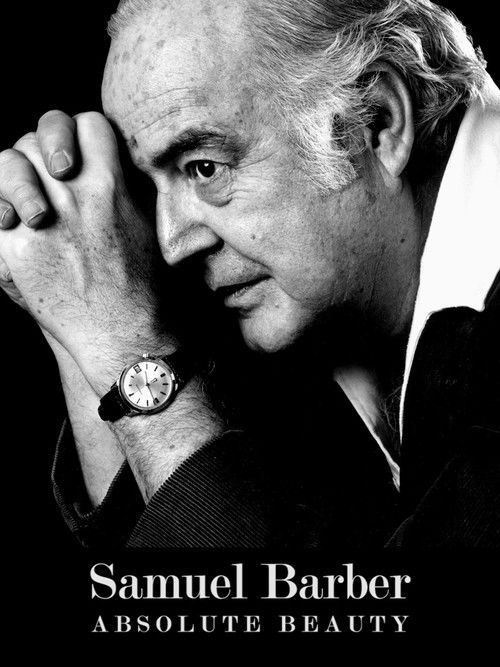
Known for his mournful "Adagio for Strings," Samuel Barber was never quite fashionable. This acclaimed film is a probing exploration of his music and melancholia. Performance, oral history, musicology, and biography combine to explore the life and music of one of America’s greatest composers. Features Thomas Hampson, Leonard Slatkin, Marin Alsop and many more of the world's leading experts on Barber's music, with tributes from composers Leonard Bernstein, Aaron Copland, Virgil Thomson and William Schuman. The film was broadcast on PBS, and screened at nine film festivals internationally, with three best-of awards. It was named a Recording of the Year 2017 by MusicWeb International.