bell hooks is one of America's most accessible public intellectuals. In this two-part video, extensively illustrated with many of the images under analysis, she makes a compelling argument for the transformative power of cultural criticism.
bell hooks
as Self
TOMBOY explores the obstacles that young girls encounter on the recreational stage, the stereotypes, language issues and cultural disparities that follow, and ultimately the insufficient media coverage and compensation that afflicts elite professional athletes seeking full recognition for their talents. The journey of the female athlete is often discouraging, and despite progress achieved during the Title IX era, gender equity in athletics has a long way to go.
A procession from Artists' Campaign to repeal the 8th Amendment of the Republic of Ireland.
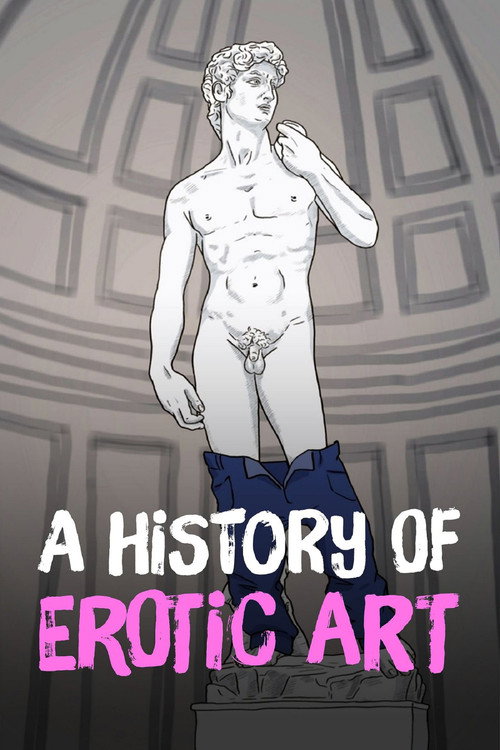
The people of Antiquity had little problem with nudity and would not find graphic depictions of sexual acts as morally suspect or obscene. But Christianity changed perspectives, bringing in notions of shame and the negation of the body. This documentary looks at the erotic in art over the last two thousand years.
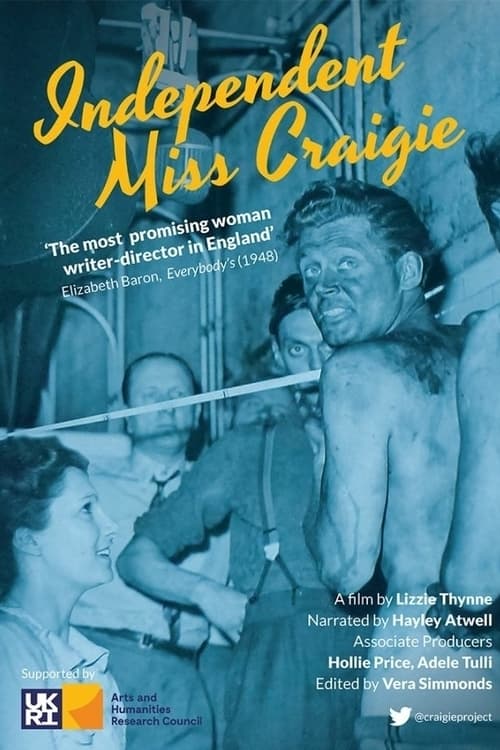
Some time after her death, film director Jill Craigie (1911- 99), re-opens an old suitcase, prompting memories of the extraordinary life and loves of this forceful, charismatic woman, whose work has been long neglected. Craigie was one of the first women to direct documentaries. Working outside the British Documentary Movement in the 1940s and early 1950s, her films such as To Be Woman (1951), on equal pay, and Out of Chaos (1944), the first film about artists at work, featuring Henry Moore and Paul Nash, tackled new subjects for the cinema through a unique blend of drama, polemic and humour. Independent Miss Craigie uses the director’s unseen papers, and her films, to reveal her energetic struggles to get her radical projects made and distributed, including her last one, on the Yugoslav conflict, made when she was 83, with her husband, former Labour leader, Michael Foot.
“Touch one, touch us all” is a slogan of the women who took over the streets in Brazil and organized themselves in social networks to face male chauvinist and conservatism. Through testimonies of women who have been subjected to violence, the documentary reveals that, despite legal achievements, the woman still remains vulnerable. Amongst other deponents are Maria da Penha, Joanna Maranhão, Luíza Brunet, and Clara Averbuck.
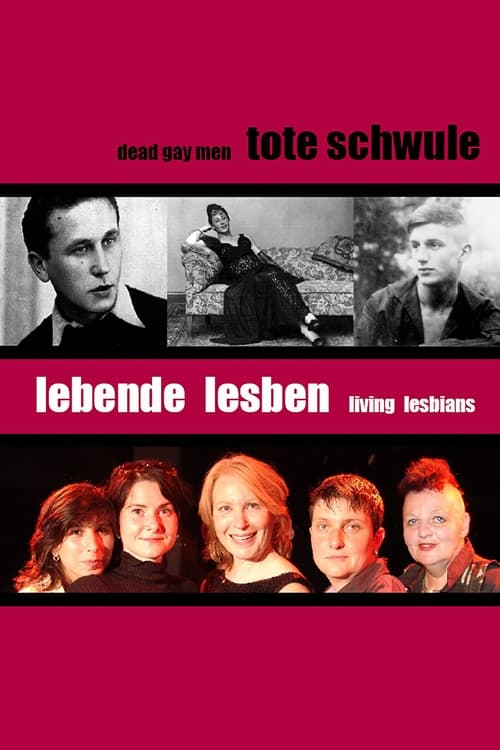
As a result of the Holocaust and later, AIDS, the male homosexual community has sustained bitter losses and, according to Praunheim, lesbian women have now placed themselves at the head of the so-called queer movement. The female protagonists in the film represent two different generations; they also incorporate the past and present status of homosexuals in society.
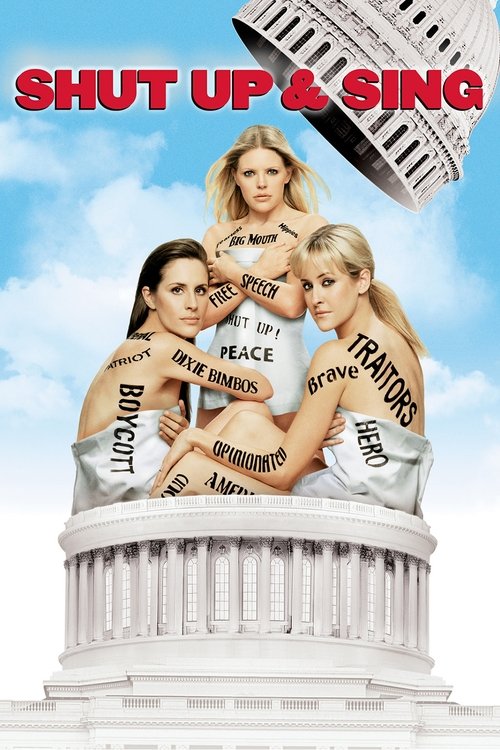
Shut Up and Sing is a documentary about the country band from Texas called the Dixie Chicks and how one tiny comment against President Bush dropped their number one hit off the charts and caused fans to hate them, destroy their CD’s, and protest at their concerts. A film about freedom of speech gone out of control and the three girls lives that were forever changed by a small anti-Bush comment
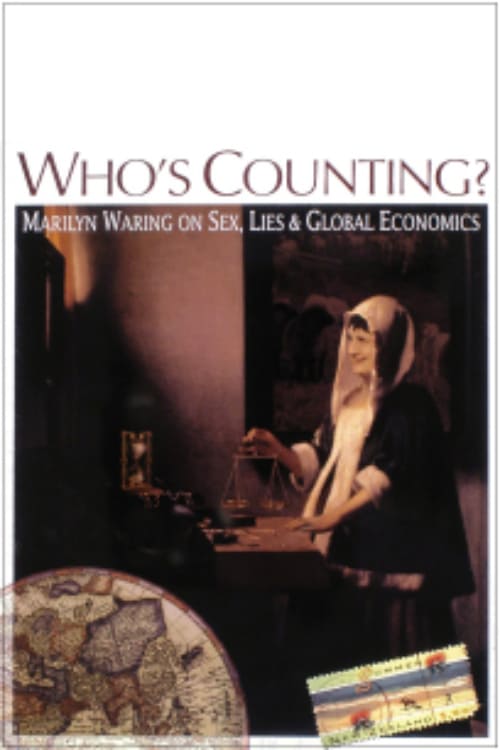
This documentary profiles economist and writer Marilyn Waring. In extensive interviews, Waring details her feminist approach to finances and challenges commonly accepted truths about the global economy. The filmmakers detail Waring's early rise to political prominence and her successful protests against nuclear arms. Waring also speaks candidly about wartime economies, suggesting that government policies tend to marginalize the fiscal contributions of women.
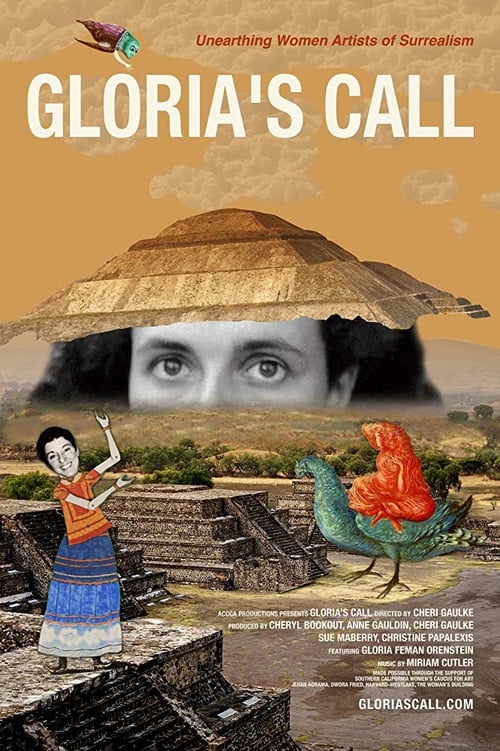
In 1971, graduate student Gloria Orenstein received a call from Surrealist artist Leonora Carrington that sparked a lifelong journey into art, ecofeminism and shamanism. This short film uses art, animation and storytelling to celebrate this wild adventure. Now more than 40 years later, award-winning Dr. Gloria Feman Orenstein is a feminist art critic and pioneer scholar of women in Surrealism and ecofeminism in the arts. Her delightful tale brings alive an often unseen history of women in the arts.
From a high school art class to a local radio station, the day-to-day lives of several women coalesce into a poetic documentation of women’s presence and physicality across everyday spaces.
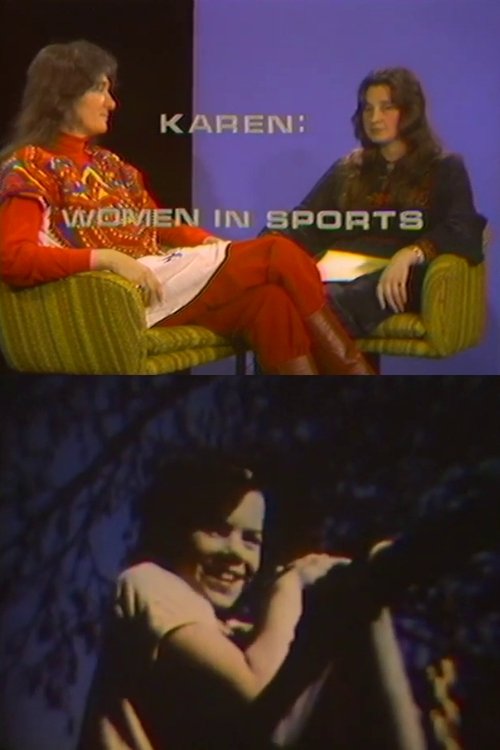
Guest speakers from "Women In Motion" Conference, Vancouver, B.C. 1975.
Moira Mulholland narrates the history of (European) women's rights through images, interviews, and performances focusing in on the Women's Suffrage Movement in Canada.
A presentation of the historical process of rape, followed by a more recent approach of current studies that reinforce ÒRape Reliefs own statistics.
Female composers' names are mentioned throughout history.
Provocative, feminist critique of man’s technological progress.
In the Arab world, women are fighting a two-front war against repressive internal constraints and intrusive Western interference. In this program, a feminist delegation composed of author Nawal Saadawi and other renowned activists from the Middle East and North Africa gathers at the UN, on college campuses, and in church basements to speak out about deterioration of women's rights in the Arab states in an effort to heighten awareness of the Arab feminist struggle for equality--and the effects of U.S. foreign policy on their efforts.
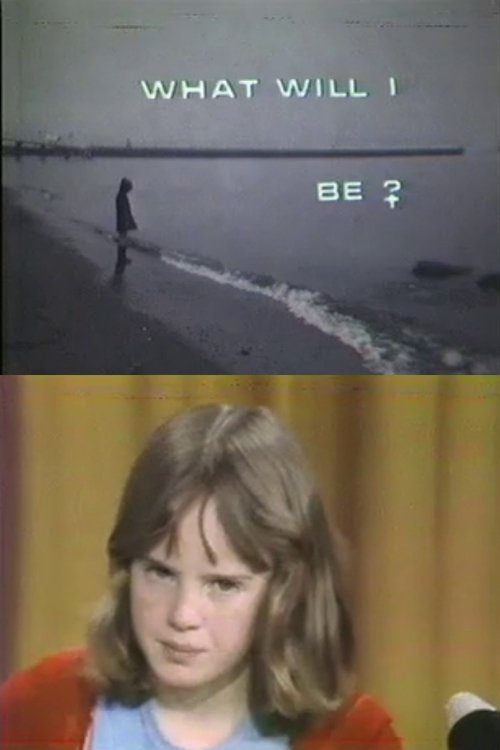
Vancouver s two leading authorities on sexism in the school system, Linfa Shuto and Reua Dexter, relate their opinions on the problem and some solutions that they are working on. The tape also includes a short historical look at women s position in education and a critical discussion on sex stereotype roles by Grade 6 students.