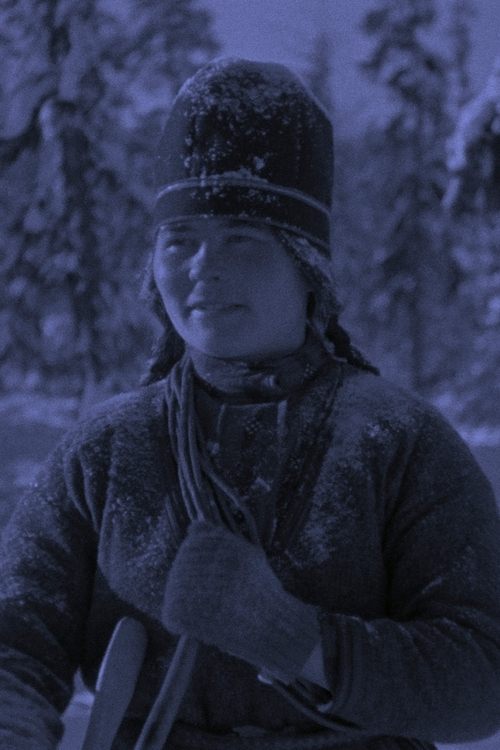
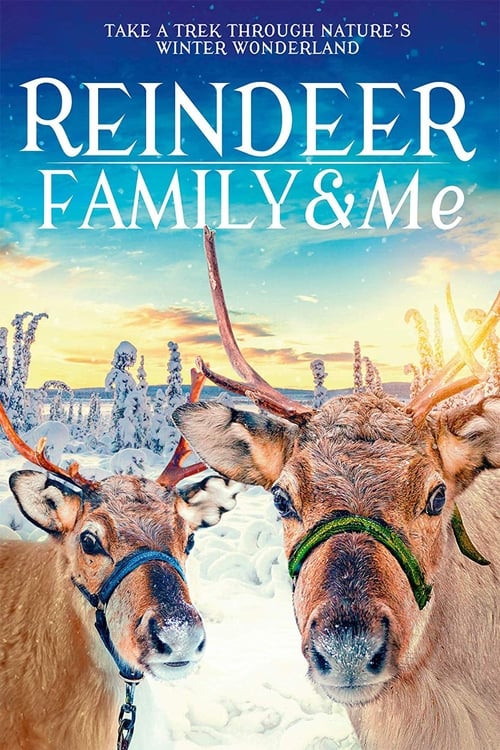
The third and final part of a trilogy based on Arctic creation myths. The film is a multifaceted tissue weave of myths and traditions reflected in the symbiosis between reindeer, human and landscape.
Lars Henrik Blind
as
Johan Märak
Maxida Märak
Maj-Doris Rimpi
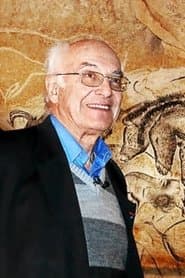
Jean Clottes
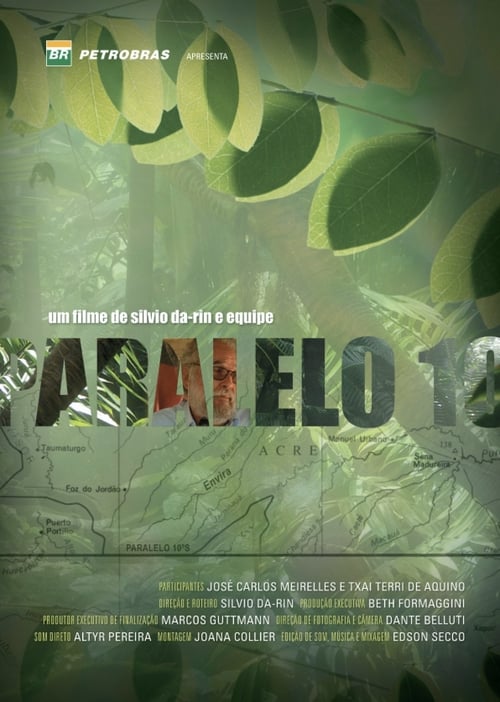
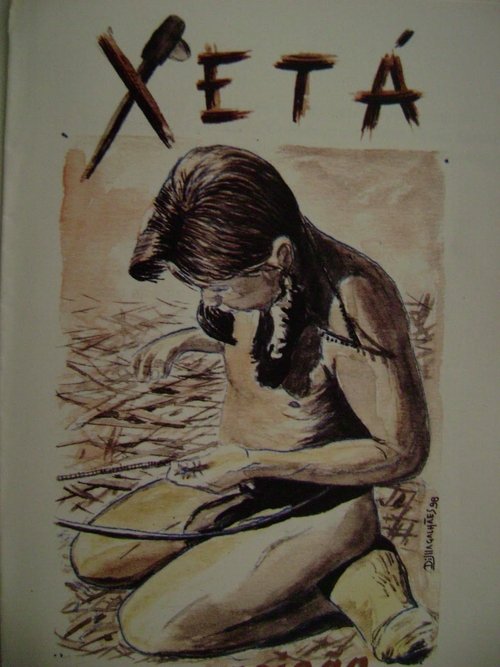
It portrays a pioneering and risky work carried out in a small Xinane base, by FUNAI, near Parallel 10º South, west of Acre, on the border with Peru. In simple installations, in the middle of the jungle, the sertanista José Carlos Meirelles carries out the difficult mission of protecting the isolated Indians of the region, with the help of anthropologist Terri Aquino. With few resources, specialists perform their tasks tirelessly. In addition to carrying out a permanent negotiation with the riverside populations in the area, they also deal with the confrontation with traffickers and squatters who try to invade it.
Seven adventurers embark on an expedition in the world's most hostile environment, The Arctic. Starting from the Southernmost peninsula of Spitsbergen Svalbard, they travel to the Northernmost part of the Island lasting for 40 days.
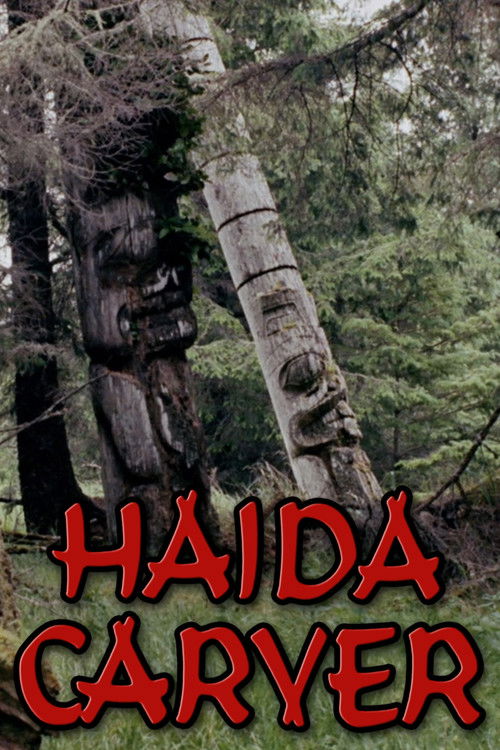
On Canada's Pacific coast this film finds a young Haida artist, Robert Davidson, shaping miniature totems from argillite, a jet-like stone. The film follows the artist to the island where he finds the stone, and then shows how he carves it in the manner of his grandfather, who taught him the craft.
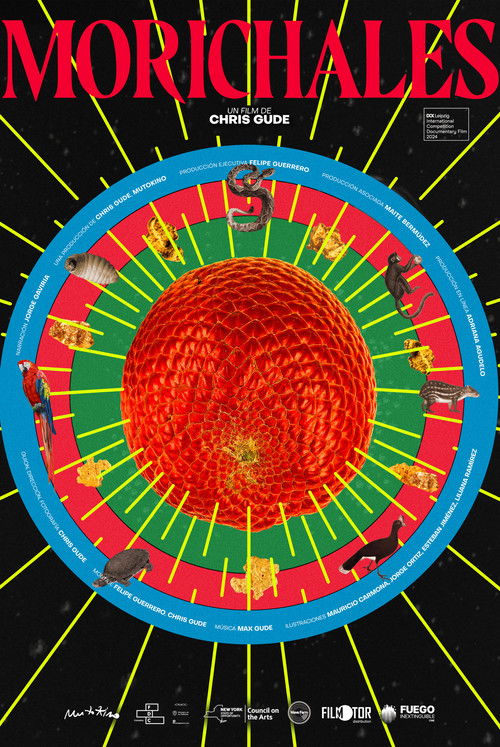
In Venezuelan Guayana, large gold reserves lie beneath “moriche” palms, attracting multitudes of miners to the territory. A fictional explorer narrates a journey from far-flung mines in the jungle to the banks of the Orinoco River, trying to understand the uncertain fortune of humanity immersed in the anxious quest for treasure. His reflections combine illustrations and photochemical paintings to draw a map of the extraction and commercialization of gold, object and symbol through which he questions where value resides.
A young woman talks about her journey, which took her from her original community to an urban environment. After experiencing a culture shock in the city, this is where she wants to live from now on. Iskwew-ishkueu: a gentle film born from a strength of resilience.
Everyday wintertime life of Sámi reindeer herder Inka Länta and her family, mingling authentic and fictionalized takes.
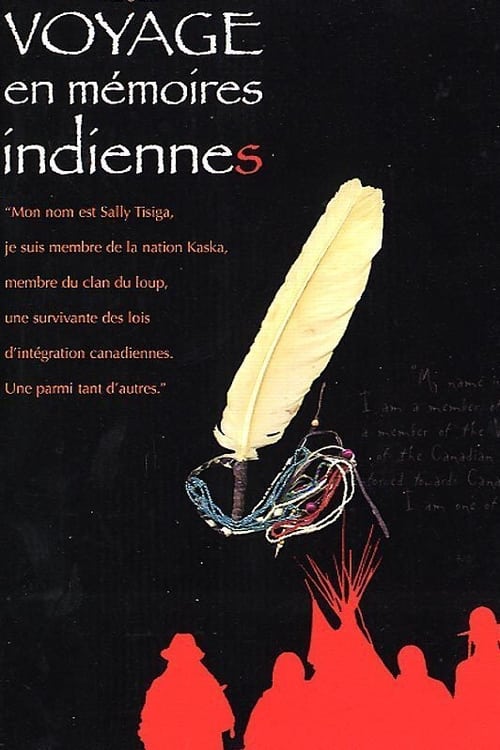
A woman with indiginous roots in her 40s goes on a trip into her past: When she was four years old she had been taken away from her mother by the canadian authorities, like many others. This is her very sad story as an example for many others.
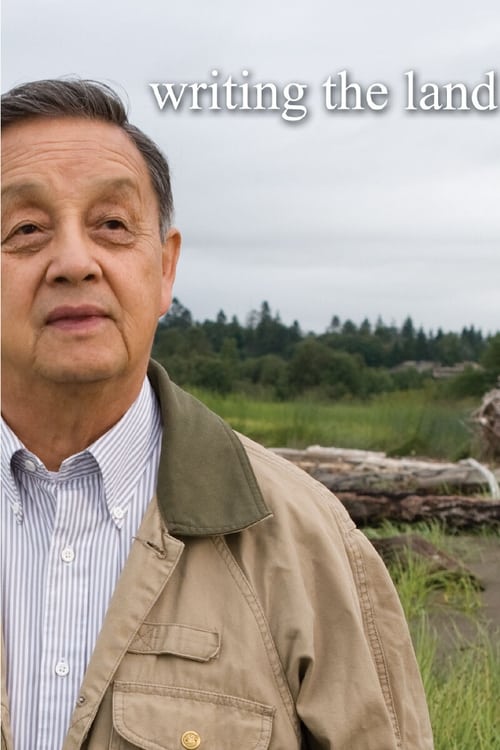
In this short documentary, a Musqueam elder rediscovers his Native language and traditions in the city of Vancouver, in the vicinity of which the Musqueam people have lived for thousands of years. Writing the Land captures the ever-changing nature of a modern city - the glass and steel towers cut against the sky, grass, trees and a sudden flash of birds in flight and the enduring power of language to shape perception and create memory.
Wildlife cameraman Gordon Buchanan travels to the frozen north, deep inside the Arctic Circle, to meet the ancient Sami people and the animals they hold so close - reindeer.
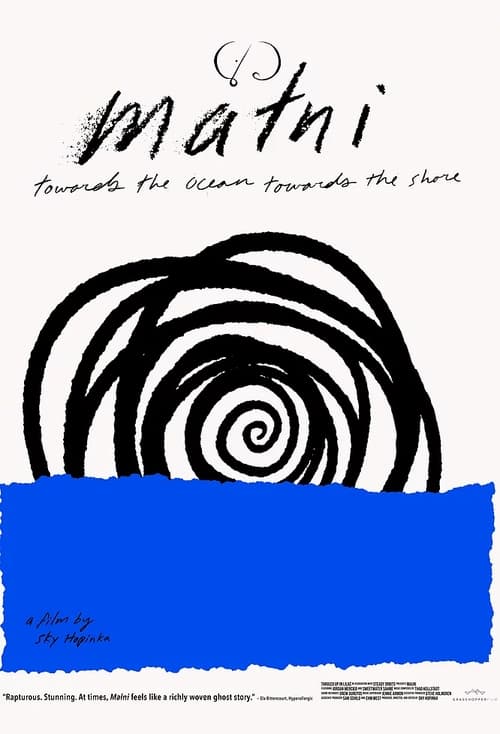
An experimental look at the origin of the death myth of the Chinookan people in the Pacific Northwest, following two people as they navigate their own relationships to the spirit world and a place in between life and death.
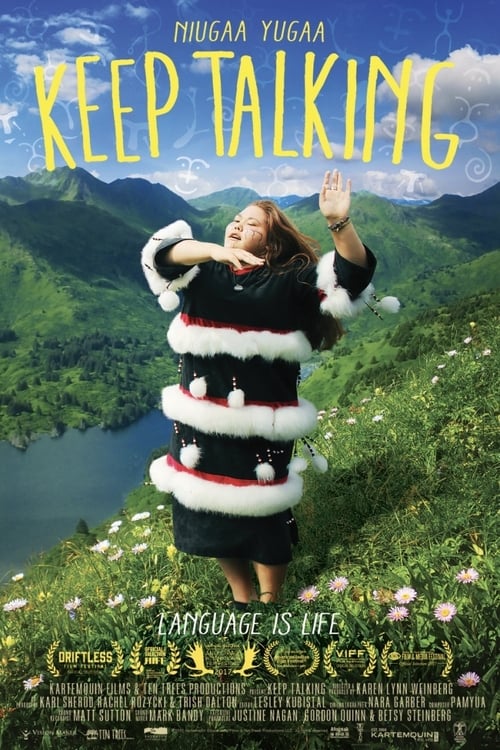
Three Alaska Native women work to save their endangered language, Kodiak Alutiiq, and ensure the future of their culture while confronting their personal demons. With just 41 fluent Native speakers remaining, mostly Elders, some estimate their language could die out within ten years. The small community travels to a remote Island, where a language immersion experiment unfolds with the remaining fluent Elders. Young camper Sadie, an at-risk 13 year old learner and budding Alutiiq dancer, is inspired and gains strength through her work with the teachers. Yet PTSD and politics loom large as the elders, teachers, and students try to continue the difficult task of language revitalization over the next five years.