A cinematic omnibus rooted in New Orleans, challenging the idea of black cinema as a "wave" or "movement in time," proposing instead a continuous thread of achievement.
Donna Crump
as
Edward Spots
The cartoon based on the works of Alexander Pushkin was created on the basis of drawings from the exhibition "Pushkin through the eyes of children".
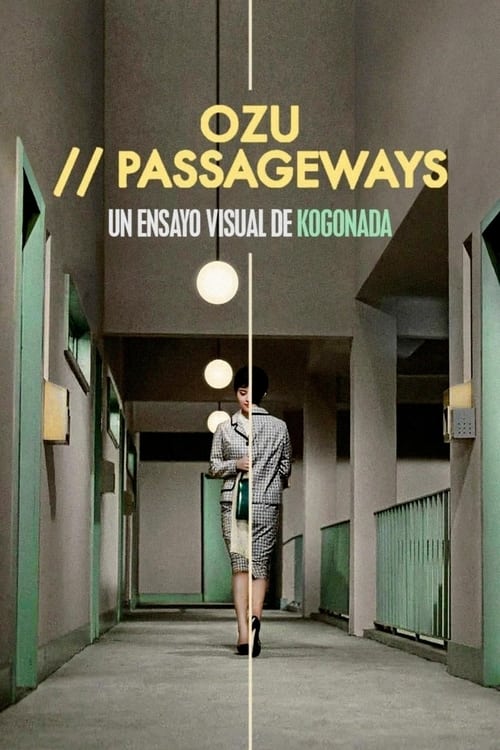
People constantly appear walking through passageways in the films of Japanese filmmaker Yasujirō Ozu (1903-63). His art resides in the in-between spaces of modern life, in the transitory: alleys are no longer dark and threatening traps where suspense is born, but simple places of passage.
The cinema of Koreeda Hirokazu is defined by moments of everyday life. Whatever potential there is for heightened drama – the suicide of a husband, a cult massacre, abandoned children – it is diffused by the familiar rhythms of everydayness. This attention to the everyday must be understood within the context of death, which plays a significant role in all of Koreeda’s films. It is death that deepens our sense of life and makes even the most mundane moment seem profound.
A 60th anniversary retrospective documentary on the influence and context of the 1962 film, To Kill a Mockingbird.
A beautiful and vital film that tells the story of a young woman's fight with death.
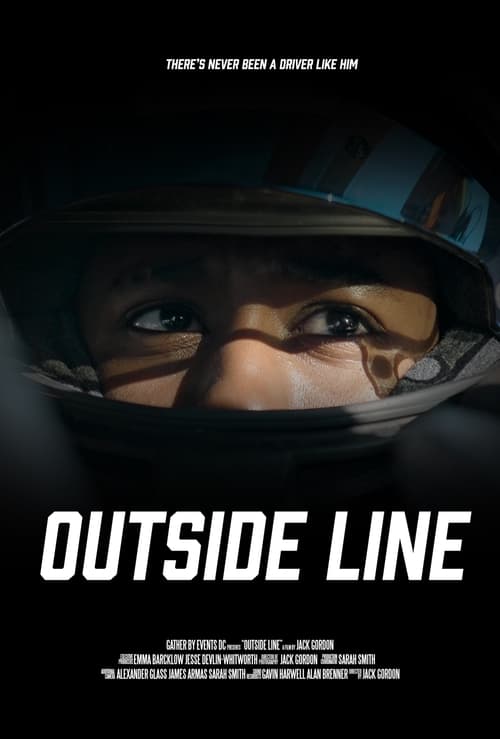
Rajah Caruth wasn’t supposed to be a NASCAR driver. As a Black kid growing up in Washington D.C., he had no connections and little representation in the industry. Determined to fulfill his childhood dream of becoming a driver, he pursued the only path he saw available: virtual racing. He made a name for himself in the online world of iRacing, leveraging his rapidly growing talents and personal brand into a spot in a real-life race car. In the few short years since Caruth first got into a car, he has risen to NASCAR’s penultimate racing series, with his sights set at the top. This short documentary tells his story and follows him as he prepares for a bold new chapter in his racing career.
Beijing Changping Qiliqu Temporary Shelter is a shelter that was part of the network of temporary shelters used in China from the early 1950s to accommodate homeless people (the liumang 流氓). Changping Qiliqu shelter was used as a detention center in the 1990s, in particular, to incarcerate recalcitrant Yuanmingyuan artists, including Xu Ruotao. With its cold and soulless images, this video has a latent subversive tone, and a consistent vision of a hostile world.
With an off beat sense of humour, the film looks at the politics and glamour of lipstick and the dilemmas of the modern woman in a marketed world.
Through one woman's experience as an adopted person and also as a mother who relinquished her child in 1971, this documentary highlights the many complex issues associated with adoption.
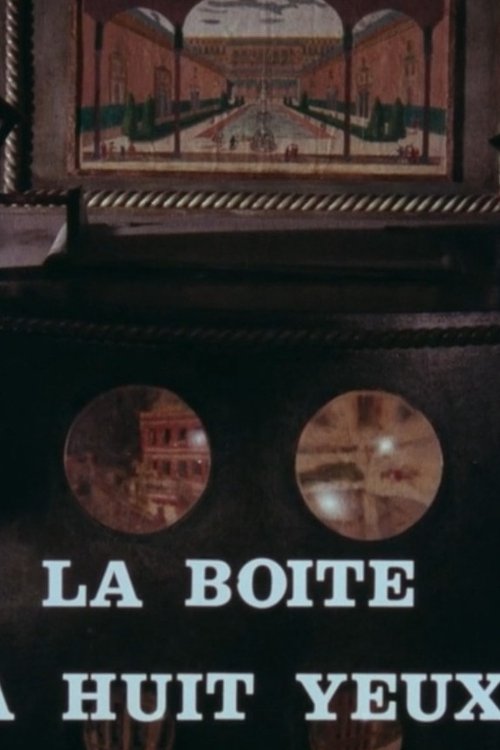
The 2nd short film as part of the Magica series dealing with pre-cinema. In the 18th and 19th centuries, optical views were shown in optical boxes with magnifying lenses. The showmen organised a real spectacle, with a barker, music and sound effects. The views played with light (transparencies, perforations). A series of engravings shows the public's enthusiasm for these shows. The second part of the film is a reconstruction of such a show. First, there are views of Paris, Venice, Constantinople and Versailles, followed by various disasters: plague, floods, fires and shipwrecks.
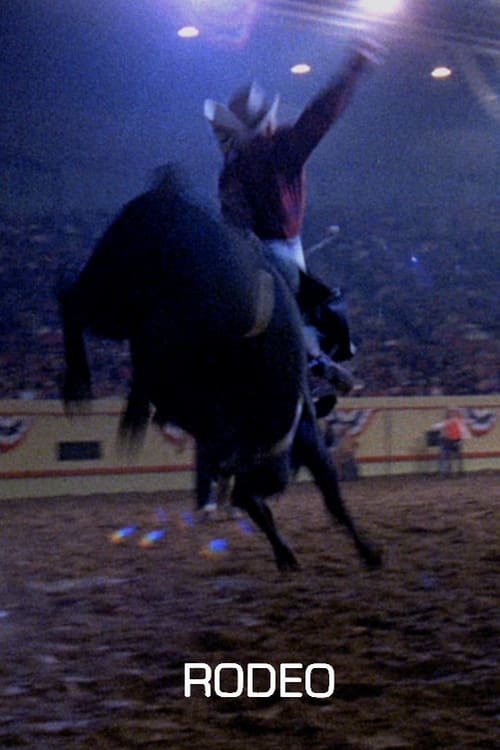
Shot in four days during the 1968 National Rodeo Finals in Oklahoma City, this lyrical documentary takes you inside the arena atop a 2800 lb bull. Watch Freckles Brown, a legendary cowboy, conferring with a young Larry Mahan, the previous year's champion and see crowd favorite Myrtis Dightman trying to hold his own in a dramatic ride. "Rodeo" shows the classic struggle of man against beast, a matter of life and death. Dick Rosmini's hypnotizing folk-fusion soundtrack and an intricate sound mix add to the climatic result.
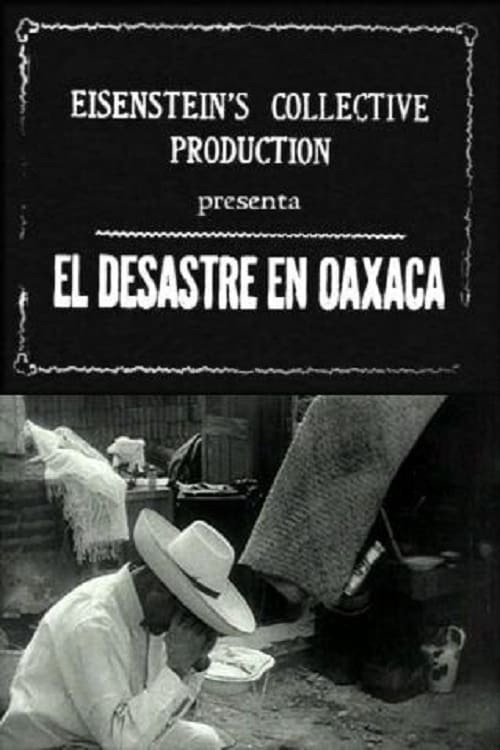
Footage of the aftermath of the January 14 1931 earthquake in Oaxaca, Mexico.
Golf expert Bobby Jones arrives on the golf course to join actors James Cagney, Anthony Bushell, Donald Cook, Evalyn Knapp, and Louise Fazenda in shooting a golf instruction film. Louise Fazenda however has no knowledge of golf and her ongoing commentary disrupts Jones's attempts to practice. While Cagney and Bushell hold Louise's mouth shut, Jones demonstrates his approach to golf. Later, upon arrival of director George Marshall, Louise is sent off "to practice" alone while the cast and crew go about shooting the film.
The mourning has passed, it is not time to lament, but to celebrate, to wait for the rituals to work and for our dead to come, but how will they know the way if it is increasingly diffused?