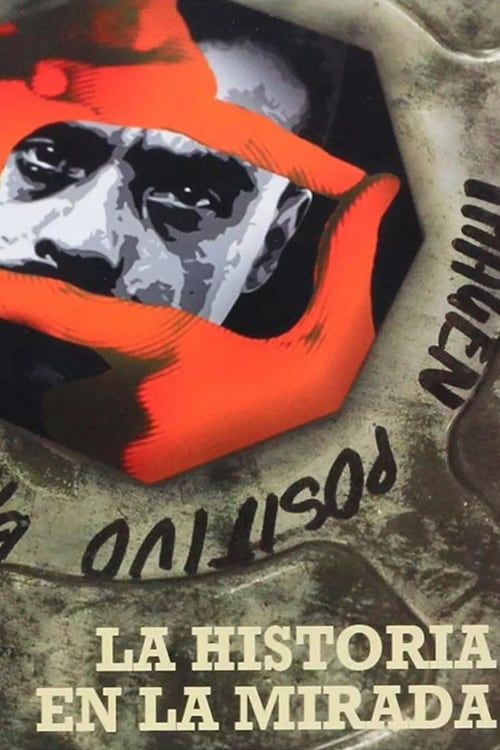
An emotional journey through the film archives of the Mexican Revolution, ranging from Venustiano Carranza's administration to the creation of the PNR party by Plutarco Elias Calles.
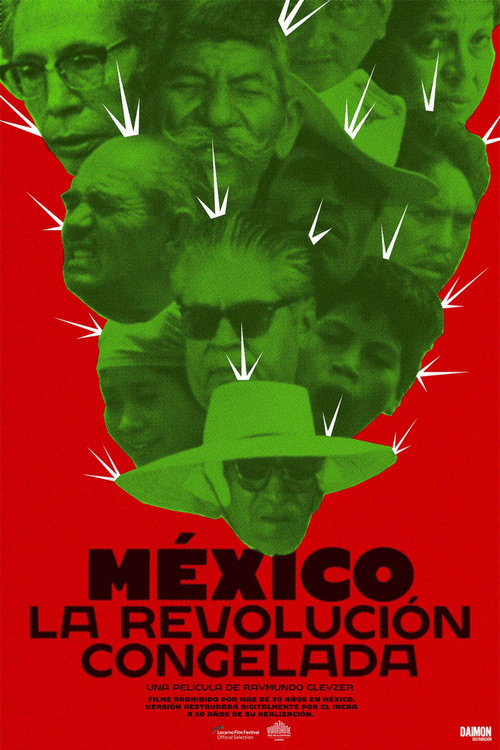
A thorough analysis of the socio-politics of Mexico, within the historical context of the Mexican Revolution reality. Includes footage from the 1910s, interviews with farmers, politicians, intellectuals, middle class, union, etc, as well as scenes from the life of an Indian family in Chiapas, their religious rituals, their crops, trials and bilingual schools. The film ends with the slaughter in the Plaza de Tlatelolco in 1968, during the infamous Olympics.
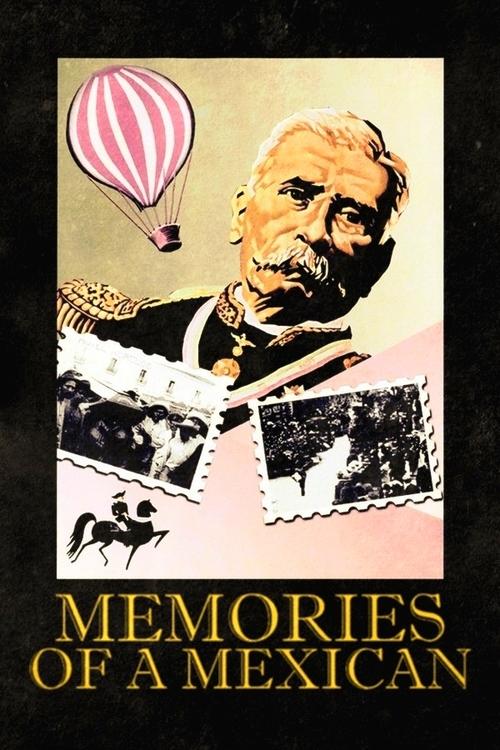
A history of the Mexican Revolution (1910-17), narrated through the striking images of the enormous film archive of Salvador Toscano (1872-1947), pioneer of Mexican cinema, compiled by his daughter, Carmen Toscano.
The hope of a young historian to corroborate the existence of Pascual Vázquez, a supposed general of the Mexican revolution, materializes in Ms. Hilda, Pascual's granddaughter, who offers to tell the stories of her grandfather.
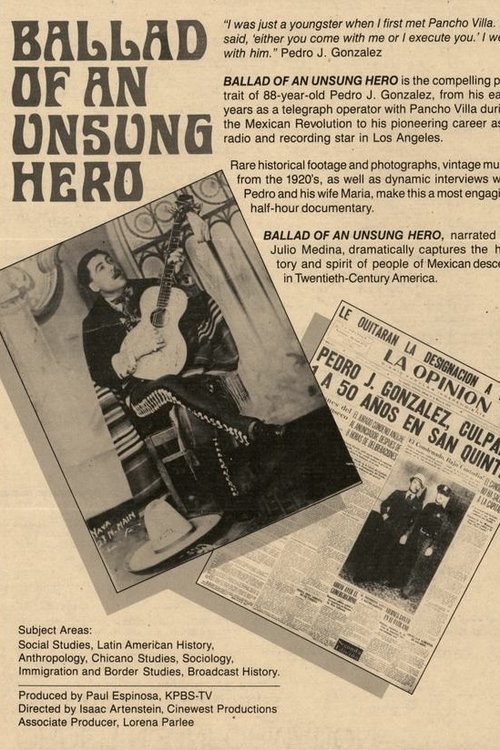
Using rare historical footage, vintage musical recordings, and interviews with 88-year-old Pedro J. Gonzalez and his wife, this film chronicles Gonzalez’s long and colorful life, from his early days with Pancho Villa during the Mexican Revolution, to his career as a popular radio personality in Los Angeles in the 1930s, to the controversial court case that sent him to San Prison, a victim of the repressive forces operating against the Chicano/Mexicano community during that period.
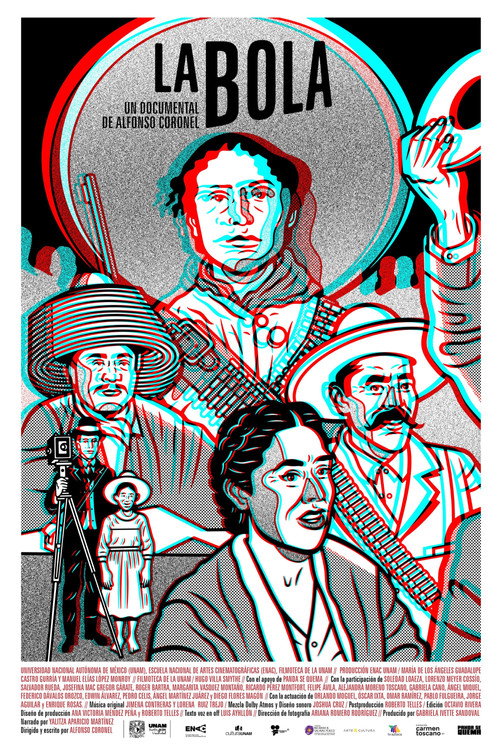
The film portraits the stage previous to the outbreak of the Mexican Revolution, from the end of Porfirio Díaz´ government, the social volatility, the ephemeral government of Madero and the presence of the working class in the figures of Villa and Zapata, until the signing if the Constitution of 1917. All of this through moving images, filmed during those events mainly by the Alva brothers, filmmakers of that time. Those images let us perceive the contradictory and shuddered glance of the people of that period.
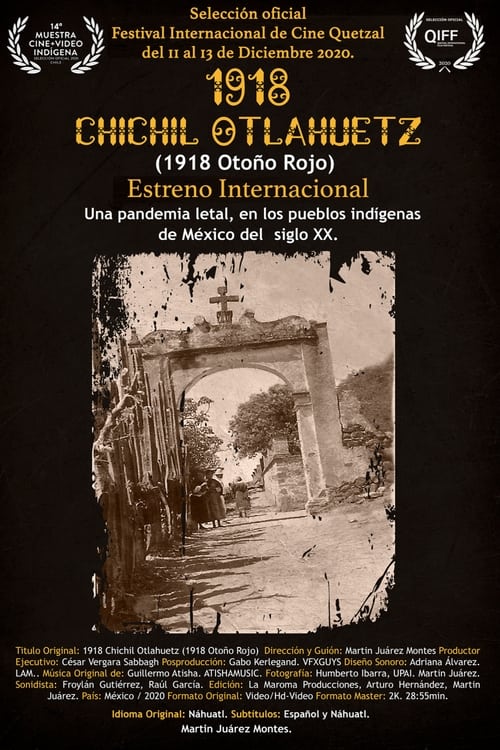
Historical heritage documentary about the disease that, 100 years ago, occurred during and after the Mexican Revolution. This film presents real testimonies of this cruel pandemic in the indigenous peoples of Mexico in the 20th century.
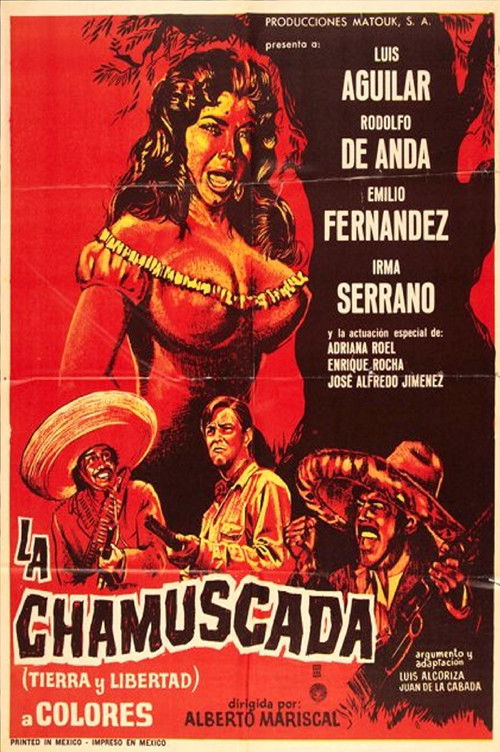
During the Mexican Revolution, the people tired of living in poverty and enduring the atrocities committed by the federals, decide to follow one of their own, General Demetrio Macias, a thief with tricks he learned in jail and who along with "La Pintada" decides to take his people to victory. Led by Captain Anastacio Montañez, the newly formed army fight and honor their code at the same time as they loot houses to spread the wealth.
Villistas, army officers, heirs and heiresses all gather at the home of a recently deceased hacendado. Everybody has an agenda, everybody butts heads in comical ways. Or not so much.
Tita, who lives on a ranch in Mexico, falls in love with a boy, Pedro, who lives nearby; but when they want to get married, Tita's family prevents it, because she must remain single to take care of her mother.
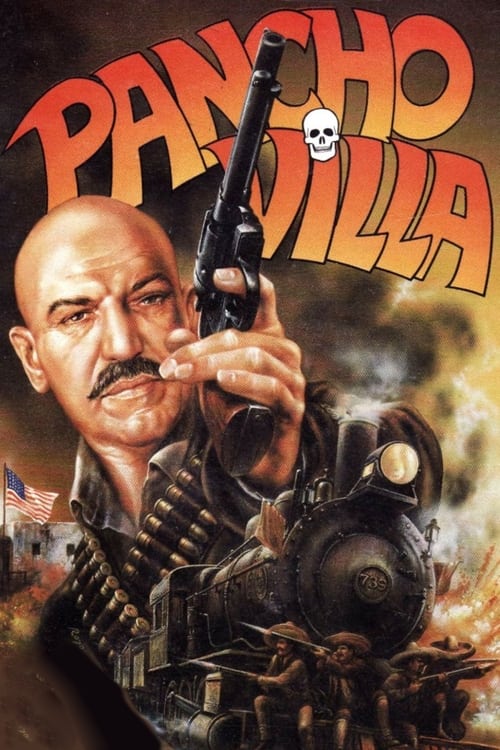
Pulled into the Mexican Revolution by his own greed, Texas gunrunner and pilot Lee Arnold joins bandit-turned-patriot Pancho Villa and his band of dedicated men in a march across Mexico battling the Colorados and stealing women's hearts as they go. But each has a nemesis among his friends: Arnold is tormented by Fierro, Villa's right-hand-man; and Villa must face possible betrayal by his own president's naiveté
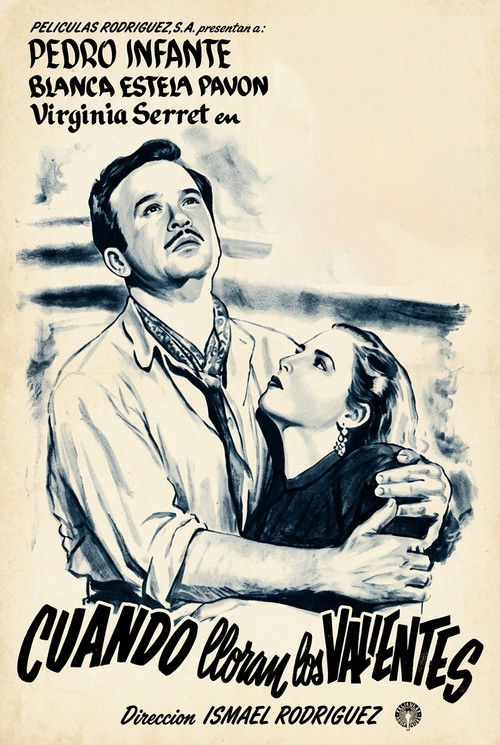
Peasant farmer and landowner are rivals for a woman. Sequel to Ay Jalisco No Te Rajes.
At the behest of local revolutionaries, a mercenary enlists four specialists in various combat styles to help him rob a Mexican Army train carrying $500,000 in gold.
A story about two men caught in the Mexican revolution: close friends before, but now on the opposite sides. One of them is military officer, while the other one expects capital punishment. The prisoner's mother comes to visit his son, unaware that his former best friend is now his enemy.
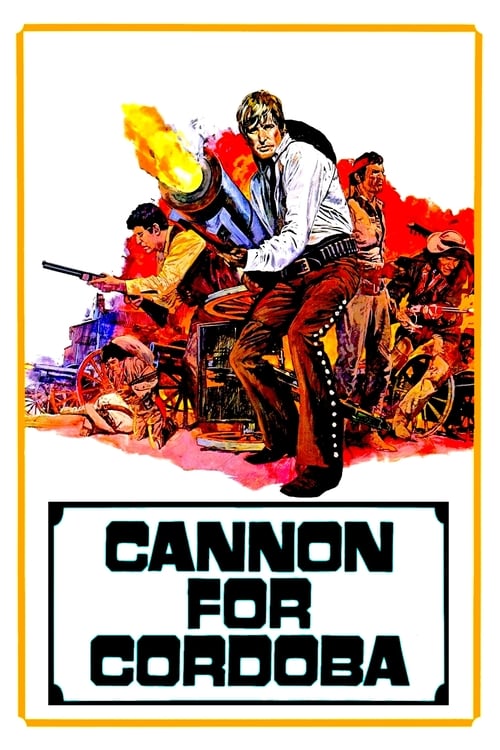
American arms dealer Kennedy hopes to make a killing by selling to the "regulares" in the 1916 Mexican revolution. American mercenary Wilson favors the rebel faction headed by Escobar, and they plot to hijack Kennedy's arms; but Wilson also has his eye on Kennedy's wife. Raids, counter-raids, and escapes follow in a veritable hail of bullets.
A cowboy drifting around the border gets mixed up with Mexican revolutionary gun smuggling when he becomes friends and rivals with the chief smuggler.
Revoltoso | Set on 1913. Jabalito, a small one-eyed wild boar is on the scene of one of the first filmed wars in history: the Mexican Revolution. In the midst of the war he discovers cinema. Revoltoso is a stop-motion short film. The look and feel is inspired by Cubism.