Jesús Armesto
as Jesús Armesto
Mar García
as Mar García
Antonio Manuel
as Antonio Manuel
Sebastian De la Obra
as Sebastian De la Obra
Boaventura de Sousa Santos
as Boaventura de Sousa Santos
A documentary featuring internationally renowned photographer Toni Hafkenscheid as he explores hidden stories behind iconic architectural structures once considered "Visions of the Future" from the 1960's. This film is a light-hearted look at the way we perceive life and embrace modern advancements. It is a photography expose that becomes a personal journey of self-discovery while exploring innovative Visions of the Future that celebrate memories of Toni's, and our, collective past.
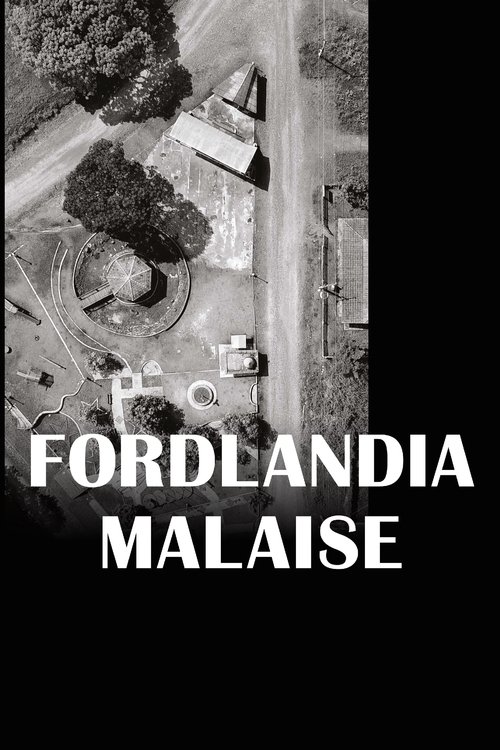
Fordlandia Malaise is a film about the memory and the present of Fordlandia, the company town founded by Henry Ford in the Amazon rain forest in 1928. His aim was to break the British rubber monopoly and produce this material in Brazil for his car production in the United States. Today, the remains of construction testify to the scale of the failure of this neocolonialist endeavor that lasted less than a decade. Nowadays, Fordlandia is a space suspended between times, between the 20th and 21st centuries, between utopia and dystopia, between visibility and invisibility: architectural buildings of steel, glass, and masonry still remain in use while traces of indigenous life left no marks on the ground.
An experimental short assembled from YouTube videos of the director’s former classmate, TV fragments, and a 2006 graduation interview recorded in Alchevsk. What starts as an ironic play with early-2000s home-video aesthetics slowly falls apart. Through montage of personal and online material, Chepelev tries to reconnect with a man he once loved – a man whom war and time have made almost unrecognisable. Laughter loses its protective function and gives way to the impossible wish to return to a place that no longer exists.
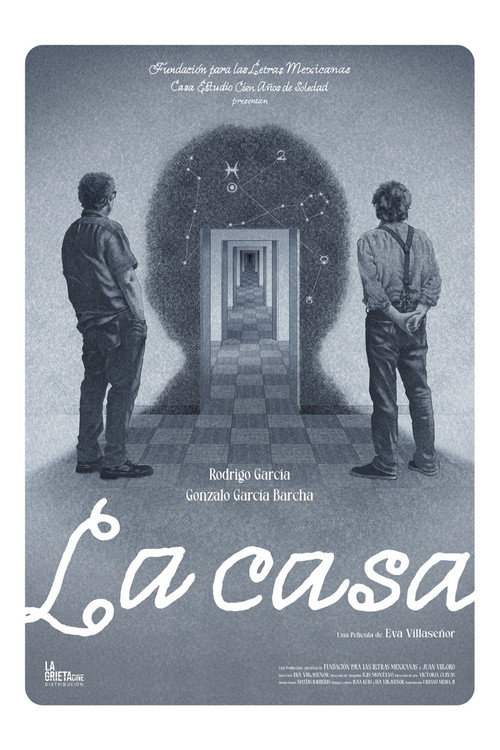
For decades, Gabriel García Márquez envisioned a novel titled La Casa (The House), inspired by the home in Aracataca where he lived with his grandparents. Fragments emerged, but it was only after living in another house —in Mexico City— that he was able to develop the work that became Cien años de soledad (One Hundred Years of Solitude), his magnum opus. In this documentary directed by Eva Villaseñor, the writer’s sons, Rodrigo and Gonzalo García Barcha, return to their childhood home—a place where memory transforms time.
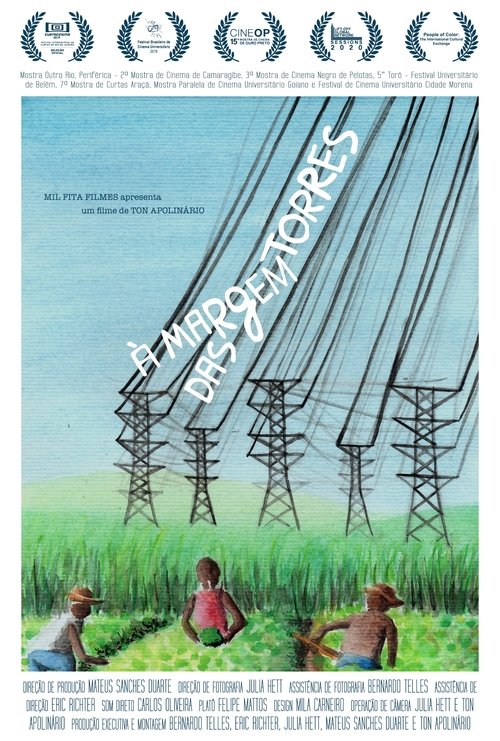
Vila das Torres was a self-built community based on one of the largest urban gardens in Rio de Janeiro, below the energy towers of the Light Company and next to the train lines. Eight years after its removal for the construction of Parque Madureira, former residents report their memories.
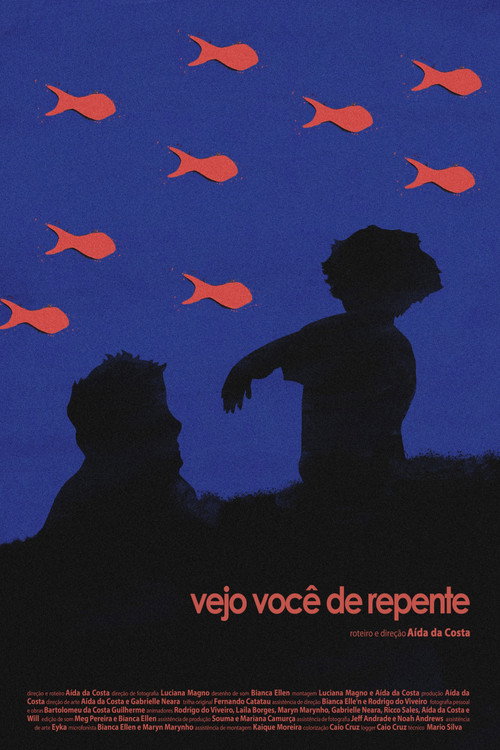
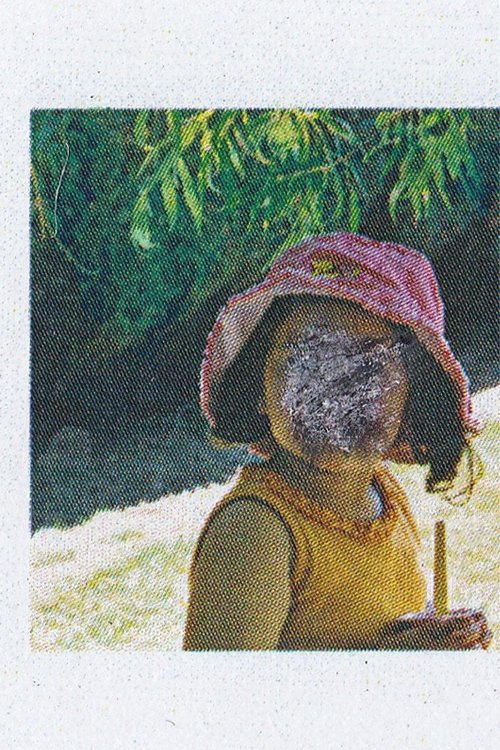
Da Costa, an artist from Ceará, decides without warning to walk away. Nearly three decades later, his daughter relies on a few clues to visit her father’s ghost.
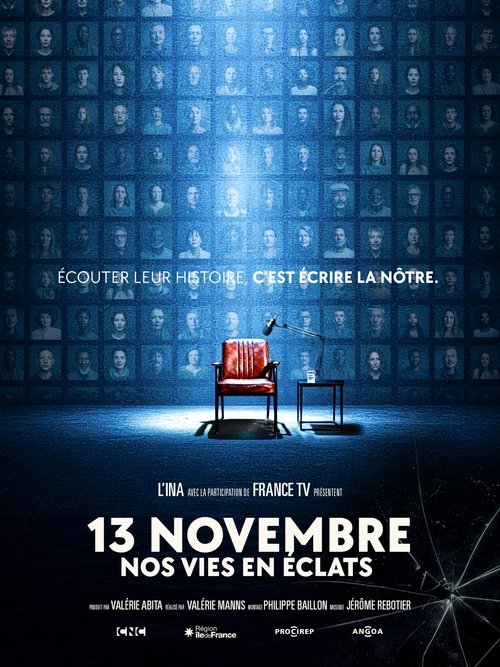
On November 13, 2015, the attacks in Paris and Saint-Denis, carried out by three Islamist commandos and claimed by ISIS, were the deadliest in France since the end of World War II. In the months that followed, the November 13 Program was launched by the CNRS and Inserm to study the construction of individual and collective memory around an event that profoundly marked French society. Today, the testimonies of 27 volunteers—among some 1,000 people—who participated in the study form a mosaic of experiences that shows how trauma extends beyond the immediate circle to permeate the national collective memory.
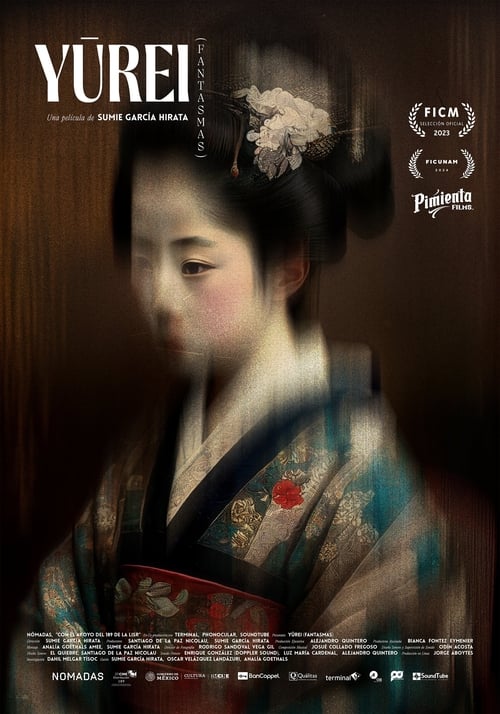
The veiled story of Japanese diaspora in Mexico and the endurable impact of historic silence in its descendants is portrayed through testimonies and an exploration of landscape and choreography, questioning the formation and theatricality of individual and collective identity. When everything that's left of history are memories, how are invisible wounds healed? Yurei goes through different zones in Mexico towards an exploration of memory.
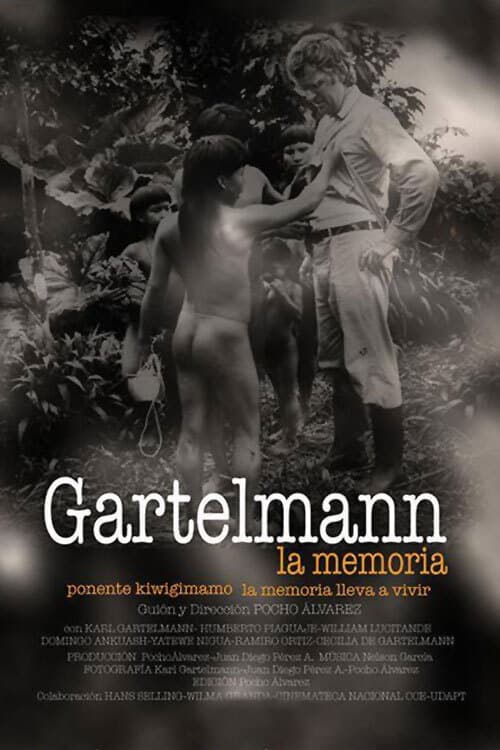
Karl Dieter Gartelmann, a German photographer and filmmaker, arrived in Ecuador in the seventies, in the midst of the oil boom, with an old 16mm Bolex video camera, and began a journey through the Ecuadorian jungle, collecting the visual testimony of a life that is dying. This documentary brings together the director's permanent concerns: culture and nature wasted by extractivism. A conversation between two directors about the creation of memory through cinema.
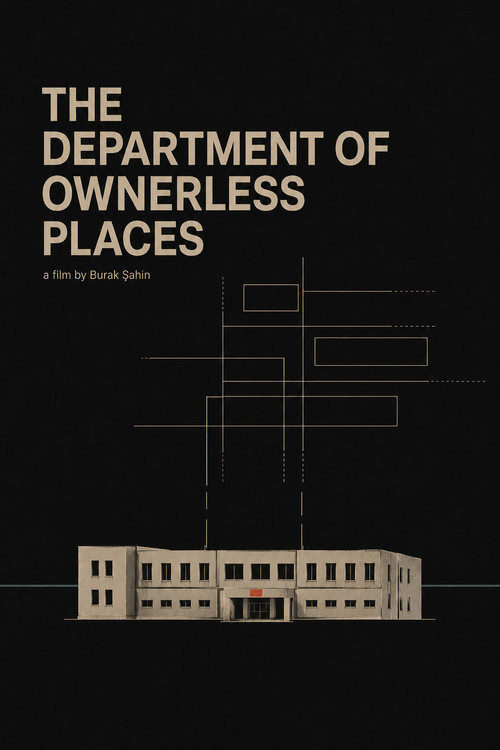
Standing before a decaying state hospital in the Aegean coastal town of Foça, "The Department of Ownerless Places" investigates the philosophical and legal paradox of what property law defines as an "ownerless place" (sahipsiz yer). Merging poetic observation with an essayistic, psychogeographical gaze, filmmaker and lawyer Burak Şahin navigates the empty corridors of this former public sanctuary, examining how modern law uses legal abstractions to evade sovereign responsibility.
Flora, 30, is a French geneticist. She analyzes what is transmitted or not between generations. She lost her parents who were fervent Maoists within the proletarian Left from the end of the 1960s. She must now sort through her parents' apartment: what to choose to keep or not from their memory?
A young woman searches for traces of herself through a prehistoric monument engulfed by the urban landscape. Driven by a persistent feeling of déjà vu, she returns to the place where she grew up, repeating gestures of observation, collecting and photographic development in an attempt to recover a memory that may never have existed. Between ritual, the analogue darkroom and fragments of the landscape, she builds an intimate archive where memory, imagination and reality become intertwined.
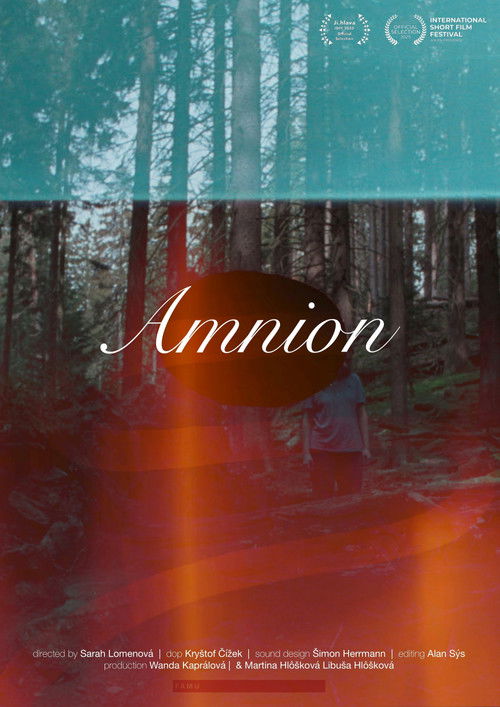
The amnion – the fetal membrane protecting the embryo – becomes a metaphor in the film for an intimate space where pain can be shared and a path to healing sought. This sensitive portrait of three women whose lives have been marked by sudden separation is carried from the outset by a meditative soundtrack that shapes an environment in which personal experience becomes expressible. Ritual gestures – traditional costumes, cooking together, hugging – create a protective shell that allows pain not only to be expressed and shared, but also transformed.
We record things, forgetting the reason why; fragments of your consciousness are an incomplete film . . .
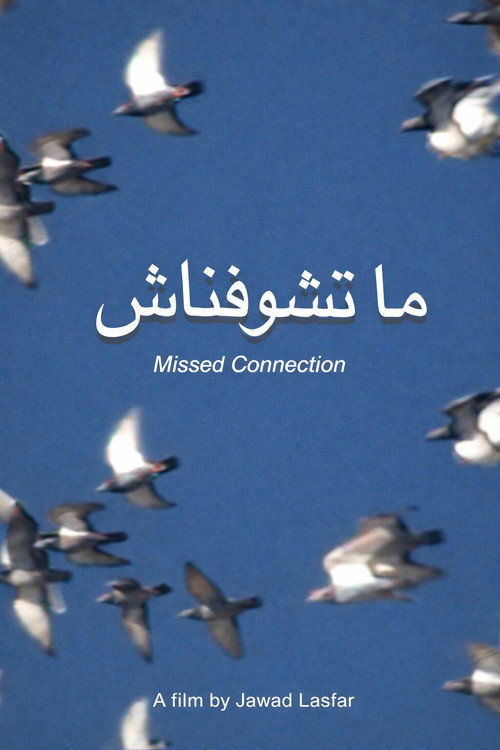
A young man returns to Morocco after a decade of living in Germany. In the form of a letter to his mother, he reflects on his journey. Filmed with the same analog camera his parents used to document his childhood, the film explores memory, belonging and the experience of living between two worlds. Observational documentary images merge with an intimate and restrained narrative voice.
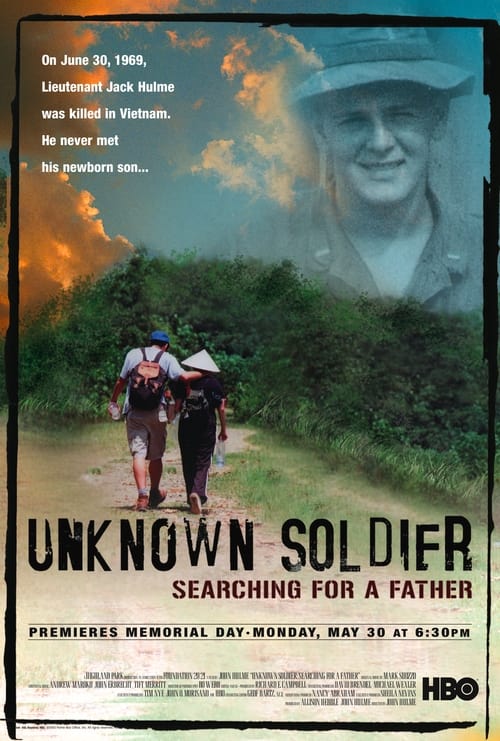
From HBO's "America Undercover." On June 30, 1969, Lt. Jack Hulme was killed in Vietnam, having never met his newborn son. Thirty years later, filmmaker John Hulme finally seeks out what happened to his father, and who he really was. From family members and childhood friends to the soldiers who fought beside him, John tracks down everyone, chasing his fathers ghost across the country. What he discovers is a life that mirrored a generations struggles...husbands vs. wives, soldiers vs. protestors, America vs. Vietnam. But he also finds wounds that are painfully fresh, especially his mothers. Together, using the accounts of first-hand witnesses, they travel back to Vietnam, to the place where Jack spent the last few moments of his life so they can finally come to terms with his death.