Salvatore Vecchio
as Narrator (as Savatore F. Vecchio)
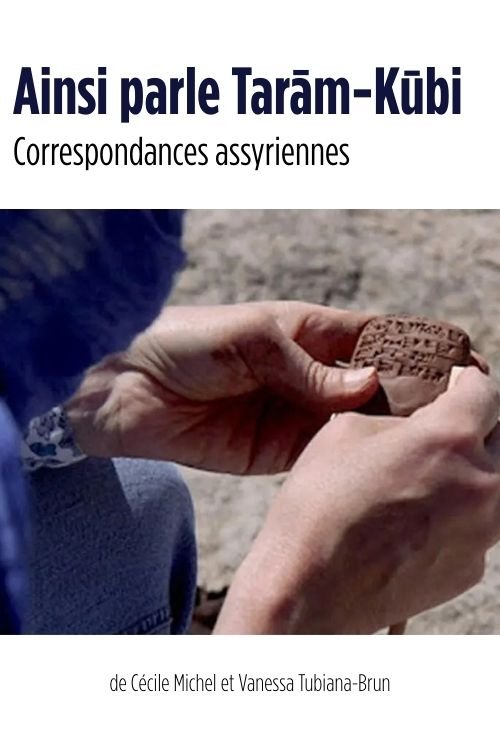
About 4 000 years ago, Assyrian merchants established a commercial settlement in the ancient city of Kaneš, within Central Anatolia. They came from Aššur, north of Mesopotamia. We have come to understand their history through their writings on clay tablets that have stood the test of time: more than 22 500 cuneiform tablets have been unearthed from the archaeological site of Kültepe. How did these Mesopotamian clay tablets arrived in Anatolia and what do they tell us? The voice of Tarām-Kūbi, an Assyrian woman who corresponded with her brother and her husband in Kaneš, takes us back in time.
Documentary on the annual French award ceremony where the Victoire accolade is delivered by the French Ministry of Culture to recognize outstanding achievement in the music industry.
Punta del Este was built upon a small, treasurable port town still alive in the memories of former residents and visitors. However, talk of progress has arised in present times. A kind of progress involving physical, historical, spiritual destruction. Bajo la Arena poses a crossroads between the passage of time and its ever-present traces in the landscape and in people's affections.
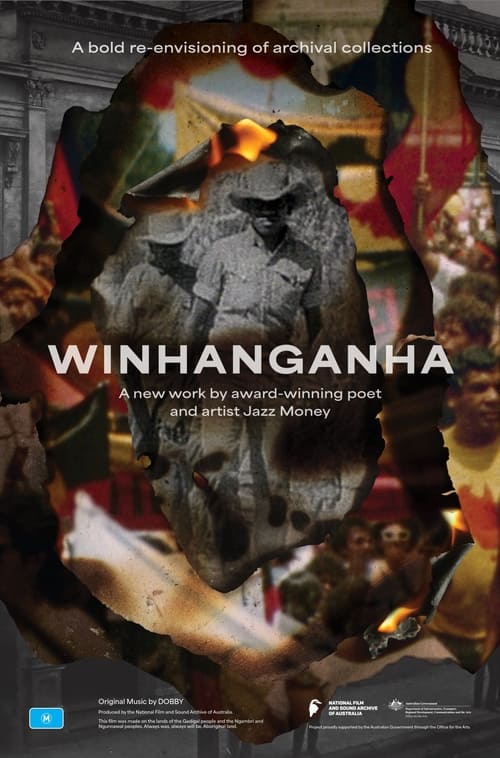
WINHANGANHA (Wiradjuri language: Remember, know, think) - is a lyrical journey of archival footage and sound, poetry and original composition. It is an examination of how archives and the legacies of collection affect First Nations people and wider Australia, told through the lens of acclaimed Wiradjuri artist, Jazz Money.
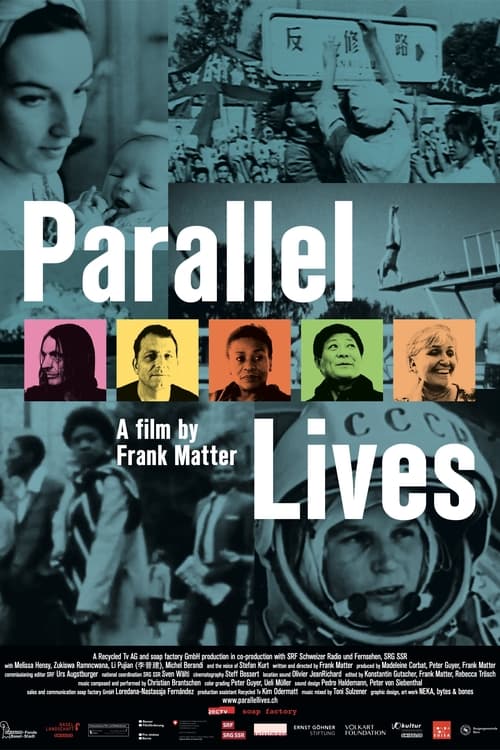
Born June 8, 1964, Frank Matter films four "twins", born the same day as him, but in other latitudes. Interweaving their life stories with rich archival material, the filmmaker links these Parallel Lives with elements from his own biography, to compose a fascinating fresco where intimate trajectories are part of the advent of the global village.
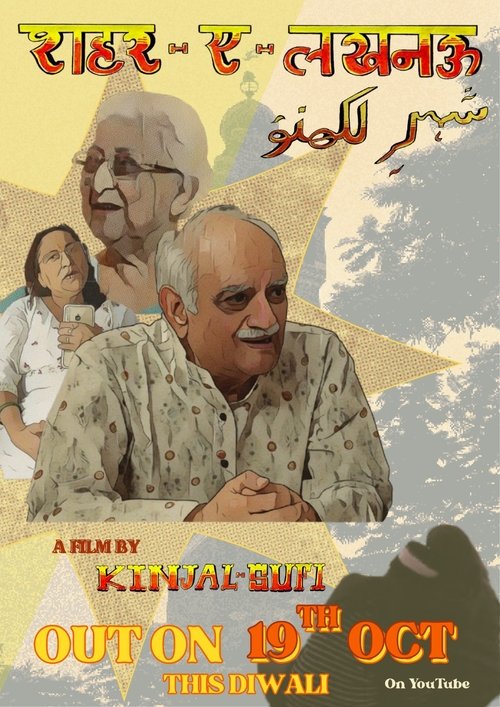
A docu-film about the city Lucknow where the creators ask their family members important questions they have always wanted answers to, while indulging in tomfoolery around town. The film showcases the differences in the way three different generations perceive Lucknow. An ode to the city, and an attempt to provide solace to the social misfits of the creators' hometown.
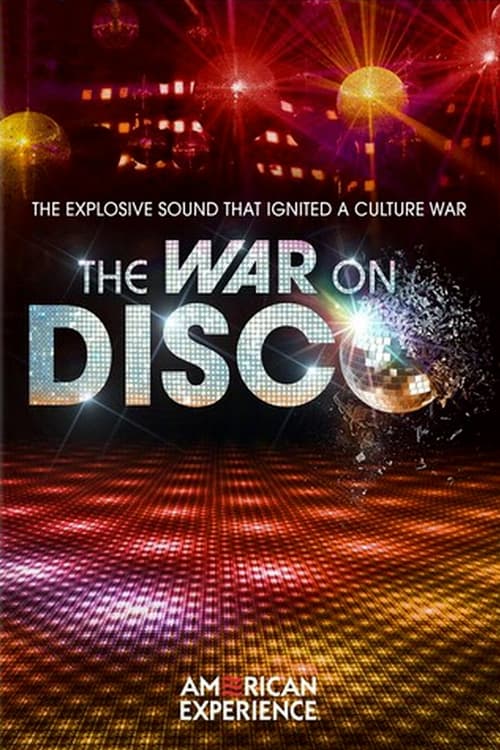
The War on Disco explores the culture war that erupted over the spectacular rise of disco music. Originating in underground Black and gay clubs, disco had unseated rock as America’s most popular music by the late 1970s. But many diehard rock fans viewed disco, with its repetitive beat and culture that emphasized pleasure, as shallow and superficial. A story that’s about much more than music, The War on Disco explores how the powerful anti-disco backlash revealed a cultural divide that to some seemed to be driven by racism and homophobia. The hostility came to a head on July 12, 1979, when a riot broke out at “Disco Demolition Night” during a baseball game in Chicago.
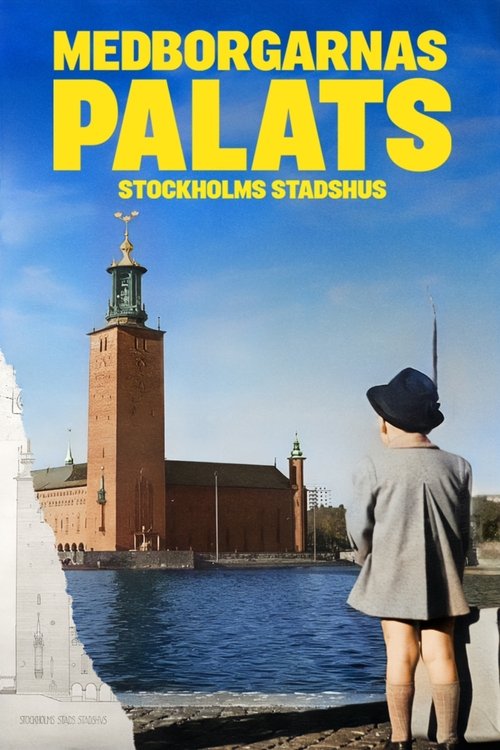
Roughly a hundred years ago Stockholm City Hall was Inagurated and since then It has become one of the cities most famous silhouettes. This documentary depicts the how architect Ragnar Östberg fights through global crises and workers strikes together with the various artisans to finish Swedens monument to Its newfound democracy
A chronicle of alleged ghosts, haunted landmarks and the otherworldly doings of Tinseltown, including a cursed script and haunted homes of the stars. A range of celebrities and parapsychologists provide interviews related to the history of Hollywood hauntings and their own experiences hosted by William Shatner.
Based on a poem and archive images, the military aggression of the US army stationed in the Canal Zone against the Panamanian people who demand to raise their flag in the territory occupied since the beginning of the 20th century is reconstructed and denounced. The aggression that occurred between January 9 and 11, 1964 left a balance of 21 patriots.
The Indians and Yankees, both in a tight race with the White Sox, met at the Polo Grounds on August 16th, 1920. In the fifth inning, Carl Mays threw one of his "submarine" pitches that hit Ray Chapman in the head. Chapman collapsed at the plate. He was rushed to the hospital and died the next day, the only Major League Baseball player ever to be killed in a game. Grief tore through Cleveland and the pivotal moment led to an explosion on and off the field. The Indians, sparked by the addition of young shortstop Joe Sewell, recovered in time to win their first World Series Title. What resulted was a rivalry that would last 100 years.
The Incas appear out of nowhere and within a few decades their empire develops into the largest empire in the world at that time. Until today the Inca are surrounded by an aura of mystery. How could their meteoric rise take place in such a short time? And how did a handful of Spaniards succeed in bringing down the empire?