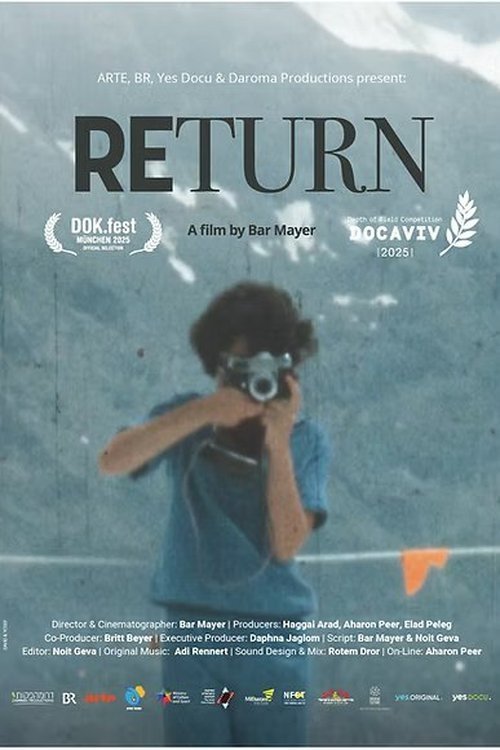
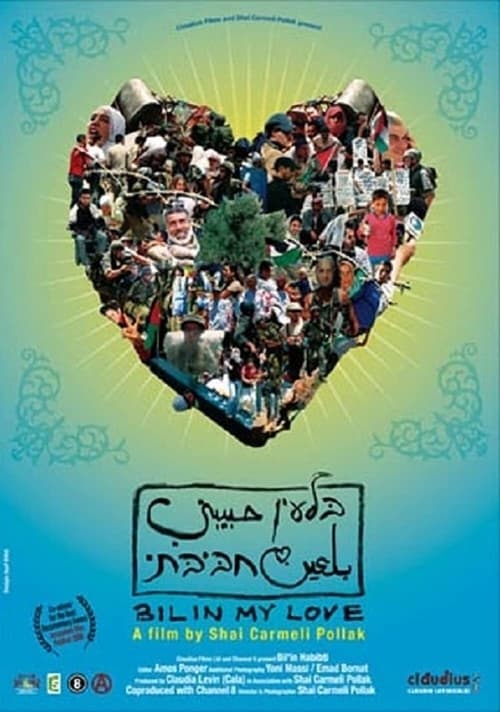
A multi-generational journey exploring the archives of the director's grandfather Ephraim Erde, an official Zionist photographer from the 30s, confronted with the director's current vision in an attempt to create an utopia of her own.
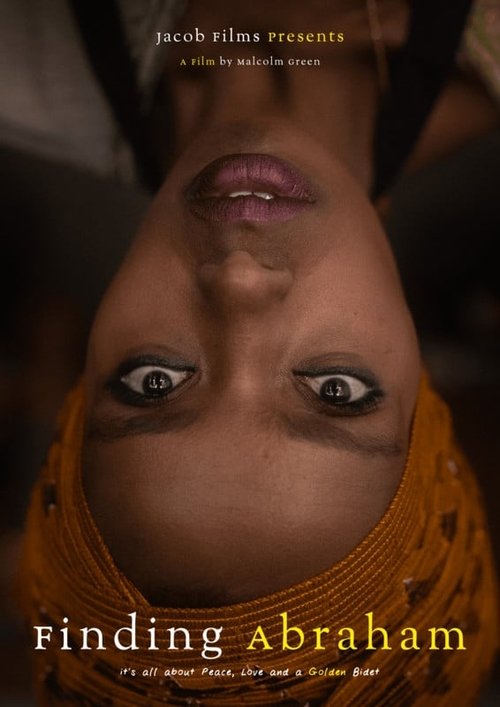
In this sensitively crafted documentary, choreographer Hadar Ahuvia explores the roots of the Israeli folk dances she grew up dancing with her mother. Facing romanticized stories about her grandparents, Zionist ‘kibbutznik’ settlers in Palestine in the 1930’s, she begins a personal endeavor unpacking and confronting the appropriative origins of this inherited dance. Through this vulnerable, personal story a larger weaving of powerful artistic portraits emerge— Jewish, Israeli, and Palestinian dancers living in New York City question what is inherited and what we choose to carry forward.
Four young women joined the Resistance to fight Nazi oppression and brutality in occupied France. They were arrested and deported to Ravensbruck concentration camp, where they helped each other to survive. SISTERS IN RESISTANCE captures their recollections and the intense friendship that has survived with them.
While searching for her grandmother, the director comes across the story of three brothers who are torn between the fronts of political ideologies in the Third Reich and divided Germany: "the third brother" is the filmmaker's grandfather, who, in confronting her father, tries to overcome decades of speechlessness and, in the process, to understand where in the past her father's sense of family fell by the wayside.
Six chapters describe the lives and perils of Thessaloniki’s Jewish community which was almost entirely exterminated by the Nazis in 1943. Past and present become an echo chamber in which the viewer experiences, aghast, the madness of humanity.
Tells the extraordinary story of Anita Lasker-Wallfisch who, along with other victims of Auschwitz, played and created music amidst the terrors of the Holocaust.
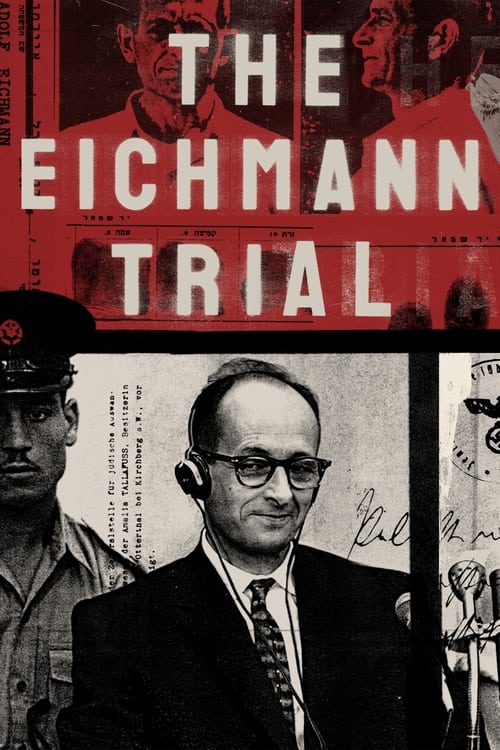
Six million Jews died during World War II, both in the extermination camps and murdered by the mobile commandos of the Einsatzgruppen and police battalions, whose members shot men, women and children, day after day, obediently, as if it were a normal job, a fact that is hardly known today. Who were these men and how could they commit such crimes?
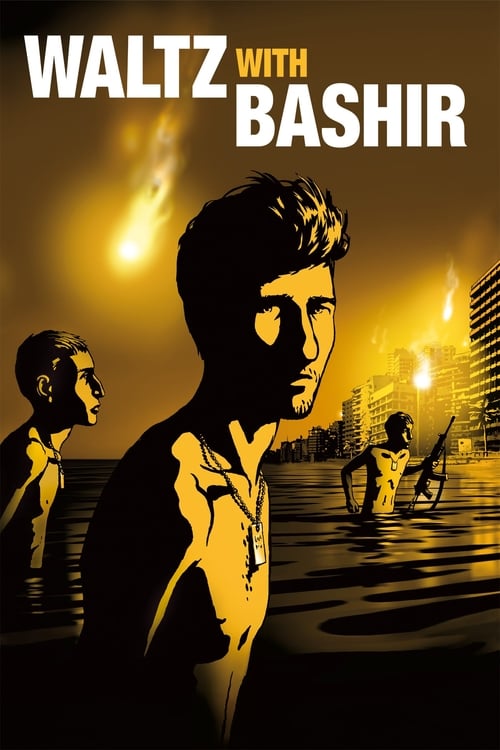
A film director from Israel interviews fellow veterans of the 1982 invasion of Lebanon to reconstruct his own memories of his term of service in that conflict.
A close-up look at the New Yorkers who took to the streets during the 2024 Presidential Election.
Stories of 12 gay and lesbian survivors of Nazism and the Holocaust.
A film about non-Jews who saved Jews during the Holocaust.
What would your family reminiscences about dad sound like if he had been an early supporter of Hitler’s, a leader of the notorious SA and the Third Reich’s minister in charge of Slovakia, including its Final Solution? Executed as a war criminal in 1947, Hanns Ludin left behind a grieving widow and six young children, the youngest of whom became a filmmaker. It's a fascinating, maddening, sometimes even humorous look at what the director calls "a typical German story." (Film Forum)
How US politicians and diplomats, over the past 25 years, have come close to achieving something almost impossible: securing peace between the State of Israel and its Arab and like-minded neighbors, mired in a struggle both dialectical and violent since the early 20th century, due to historical and religious reasons, entrenched offenses and prejudices, and the invisible and tyrannical hand of third countries' geopolitical interests in the area.
An analysis of The Kindly Ones, Jonathan Littell's controversial novel, published in 2006, which dissects the ruthless mechanisms of the Shoah from the detached point of view of Maximilian Aue, a high-ranking Nazi officer.
“This film is part of a series of films on gay men who survived the Nazi era. I met Walter Schwarze when he was already in his eighties. My camera recorded his first public account of his five-year incarceration as a homosexual at Sachsenhausen concentration camp. He was in his fifties when he met Ali in his hometown of Leipzig; the two men became partners and remained close until his demise. And yet, Walter told me, he felt he had lived in vain because he had not had the good fortune of today's gays, who are able to grow up in freedom. Walter Schwarze died of cancer on May 10, 1998.” Rosa von Praunheim
Saud now lives in Paris, caring with devotion and tenderness for his two young children while closely following the drama in Gaza. “It's hard to be far away.” He speaks sadly of his situation as a Palestinian citizen of Israel. When he accompanies his daughter to school, they both stick up placards for the liberation of Palestine...