In the 60s and thanks to the epistolary exchange, the young filmmaker Manuel Antín and the famous writer Julio Cortázar devised four films. An ocean away, a fruitful collaboration and genuine friendship are born.
Manuel Antín
as Himself
Ponchi Morpurgo
as Herself
Ricardo Aronovich
Graciela Borges
Dora Baret
María Marta Antin
Friends, family, co-stars and admirers of actor Steve McQueen talk about his life and his movie career.
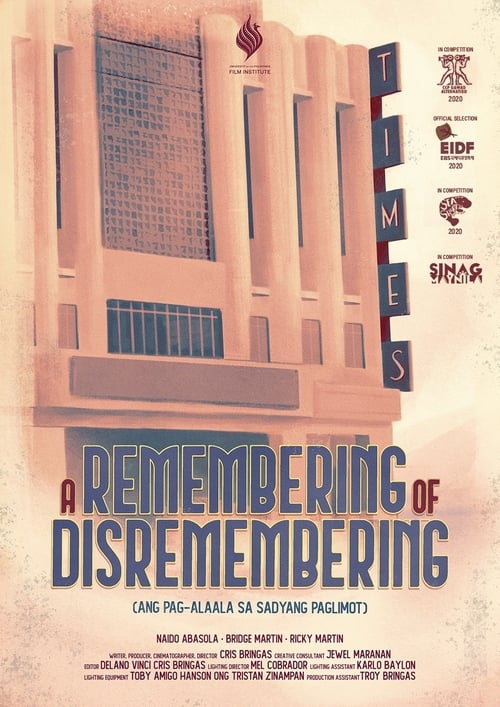
Told through the tales of love of a retiring film projectionist and a late-blooming actress, the short documentary delves into the journey of Manila’s oldest movie theater from grandiosity to obsolescence.
An account of the life of the French poet Jean de la Fontaine (1621-95), author of more than one hundred fables and a model for many other European fabulists of later times.
Hours and historical meetings, Pierre Assouline has composed an anthology of the best extracts presented in the form of a primer, which he had commented on by a surprised Bernard Pivot.
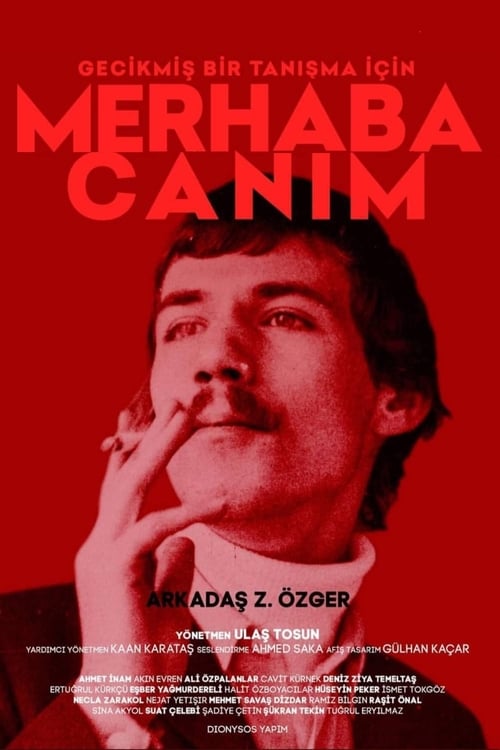
The documentary is titled after Arkadaş Z. Özger’s poem “Hello My Dear” which had caused much controversy in the period it was first published. Considered to be in defiance of heteronormativity, the said poem includes references to the poet’s personality, his family, his relationship to the society, and his “unexpected” death, which came three years after its publication. Today, 50 years after it was written, the documentary follows these same lines in the poem utilising cinematic elements. The documentary also rediscovers the poetics; reaches out to the family, the comrades, the friendships, departing from the official historical accounts, cognizant of his experience of otherness, in pursuit of the “lost” portrait of Arkadaş Z. Özger.
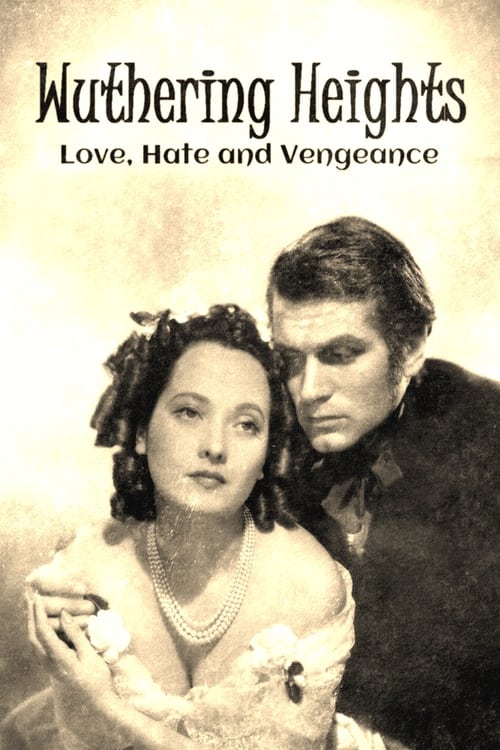
In 1847, British writer Emily Brontë (1818-48), perhaps the most enigmatic of the three Brontë sisters, published her novel Wuthering Heights, a dark romance set in the desolation of the moors, a unique work of early Victorian literature that stunned contemporary critics.
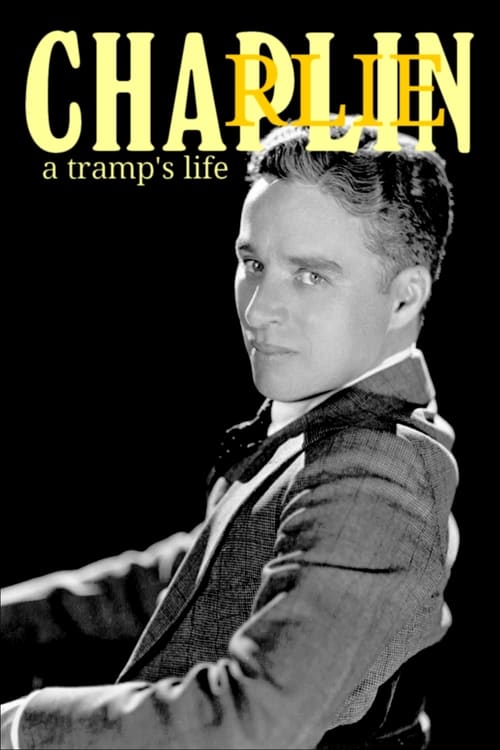
A biographical documentary about the great British actor and director Charlie Chaplin (1889-1977), from rags to riches, from the slums of London to glory.
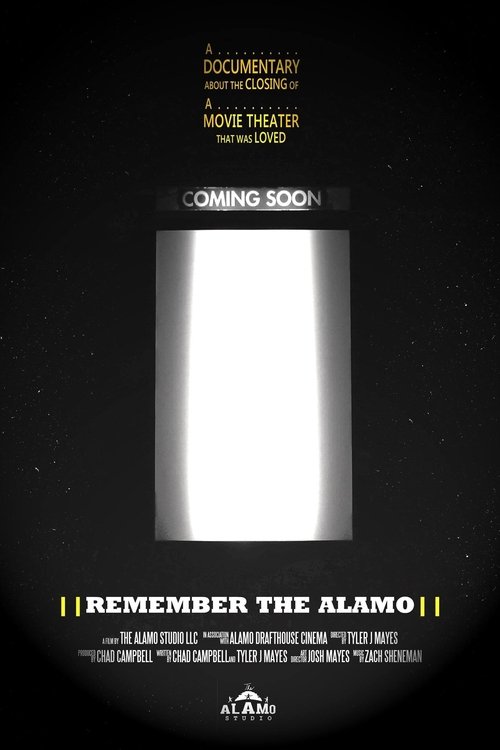
A tribute to the Alamo Drafthouse located in Kalamazoo, Michigan, that was forced to close after three years when its lease was abruptly and unexpectedly terminated by its landlord. Employees and customers reflect on the impact the theater had made on its community in such a short amount of time.
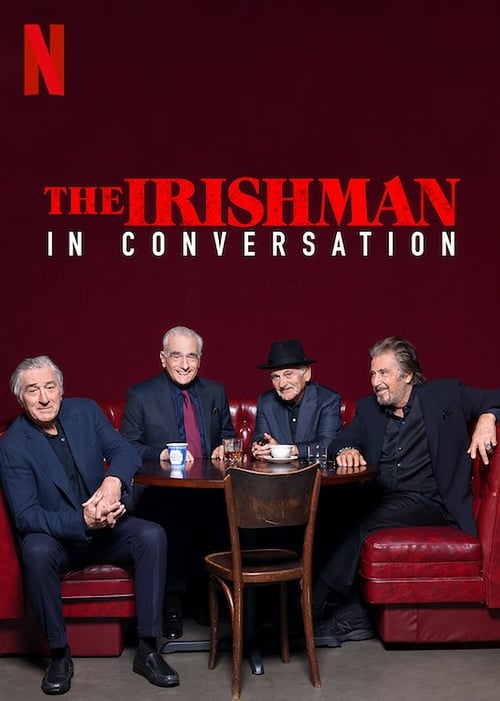
Martin Scorsese, Robert De Niro, Joe Pesci, and Al Pacino in conversation about The Irishman.
A 2003 documentary study of mainstream Cyberpunk films of the 1980s created by director Andrew J. Holden. The film uses the structure of literary theorist Northrop Frye to describe the common, repeating stories in Western culture, and how Cyberpunk can be defined and understood according to that analysis, with a focus toward American film industry portrayal of race, gender, and government.
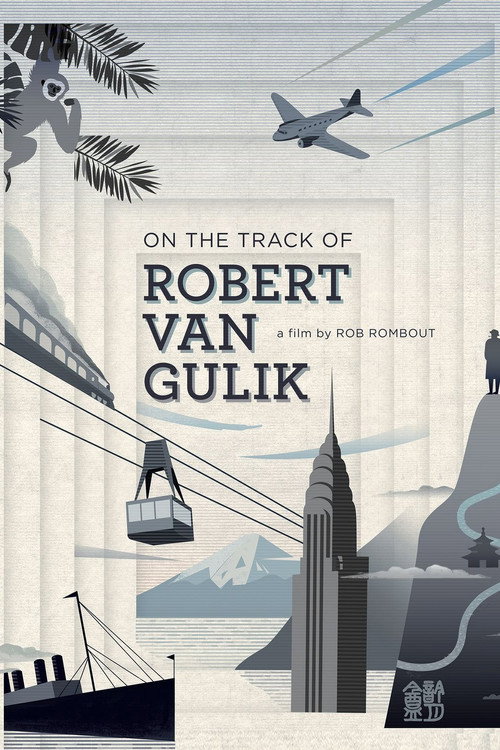
Robert van Gulik (1910–1967) served as a diplomat, collected Chinese lutes and invented Judge Dee, yet his own country barely remembers him. Rob Rombout travels from the Netherlands to Indonesia, Japan, the United States and China, through diaries, archives and the people van Gulik still haunts. Somewhere between biography and detective story, the man and his hero merge.
Twenty years ago, novelist Salman Rushdie was a wanted man with a million pound bounty on his head. His novel, The Satanic Verses, had sparked riots across the Muslim world. The ailing religious leader of Iran, the Ayatollah Khomeini, had invoked a little-known religious opinion - a fatwa - and effectively sentenced Rushdie to death. This film looks back on the extraordinary events which followed the publication of the book and the ten year campaign to get the fatwa lifted. Interviews with Rushdie's friends and family and testimony from leaders of Britain's Muslim community and the Government reveal the inside story of the affair.
Fifty years after Martin Luther King delivered his “I Have a Dream” speech, a collective of African American filmmakers, artists, and intellectuals reflect on the goals and ambitions of the civil rights movement and where things stand today.
THE PERFUMED GARDEN is an exploration of the myths and realities of sensuality and sexuality in Arab society, a world of taboos and of erotic literature. Through interviews with men and women of all ages, classes, and sexual orientation, the film lifts a corner of the veil that usually shrouds discussion of this subject in the Arab world. Made by an Algerian-French woman director, the film begins by looking at the record of a more permissive history, and ends with the experiences of contemporary lovers from mixed backgrounds. It examines the personal issues raised by the desire for pleasure, amidst societal pressures for chastity and virginity. The film discusses pre-marital sex, courtship and marriage, familial pressures, private vs. public spaces, social taboos (and the desire to break them), and issues of language.
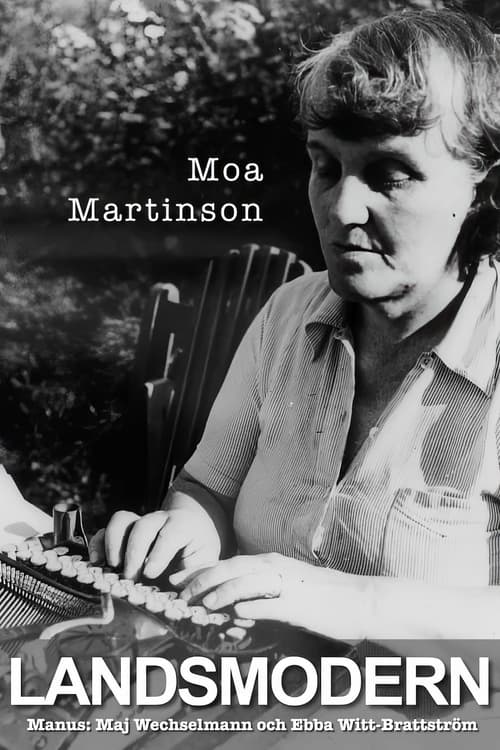
Documentary about Moa Martinson.
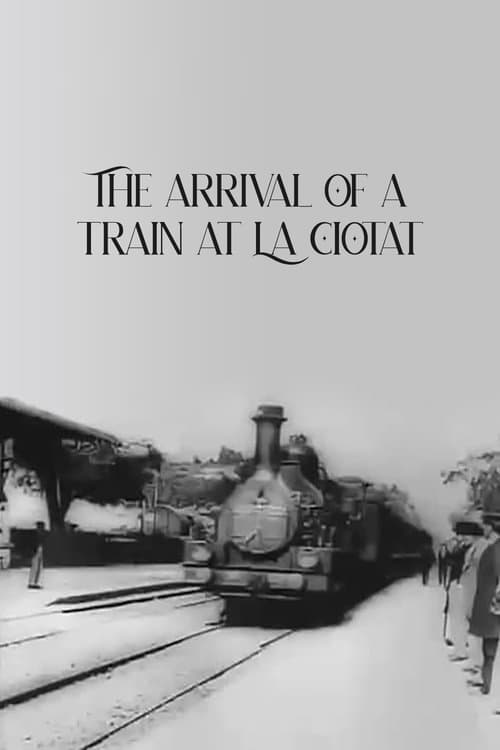
A group of people are standing along the platform of a railway station in La Ciotat, waiting for a train. One is seen coming, at some distance, and eventually stops at the platform. Doors of the railway-cars open and attendants help passengers off and on. Popular legend has it that, when this film was shown, the first-night audience fled the café in terror, fearing being run over by the "approaching" train. This legend has since been identified as promotional embellishment, though there is evidence to suggest that people were astounded at the capabilities of the Lumières' cinématographe.