In 1970s New York, photographer Martha Cooper captured some of the first images of graffiti at a time when the city had declared war on it. Decades later, Cooper has become an influential godmother to a global movement of street artists.
Colin Cassidy
as
Martha Cooper
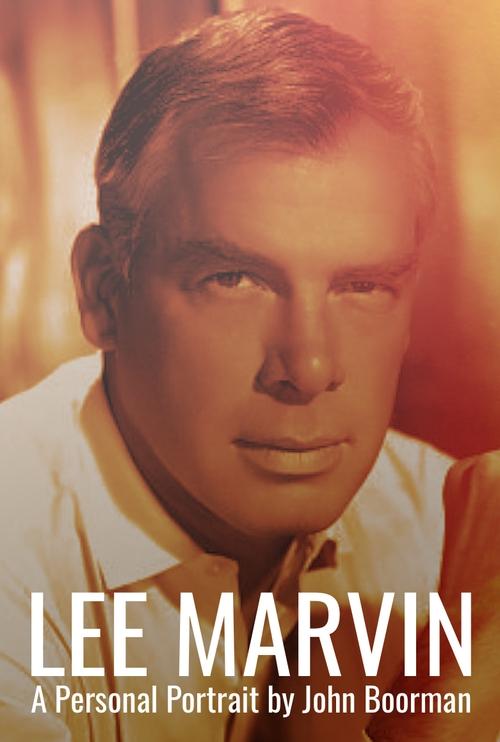
John Boorman met Lee Marvin in London when the latter was making The Dirty Dozen and immediately they struck up a friendship. Shortly afterwards they made two films together, the first of which was Point Blank, during which Boorman found that he learnt a lot about screen acting and how to direct from the contributions and support from Marvin. Later they worked together on Hell in the Pacific. With his friendship providing an insightful collection of memories of Marvin, Boorman leads this intimate documentary on the life of Lee Marvin.
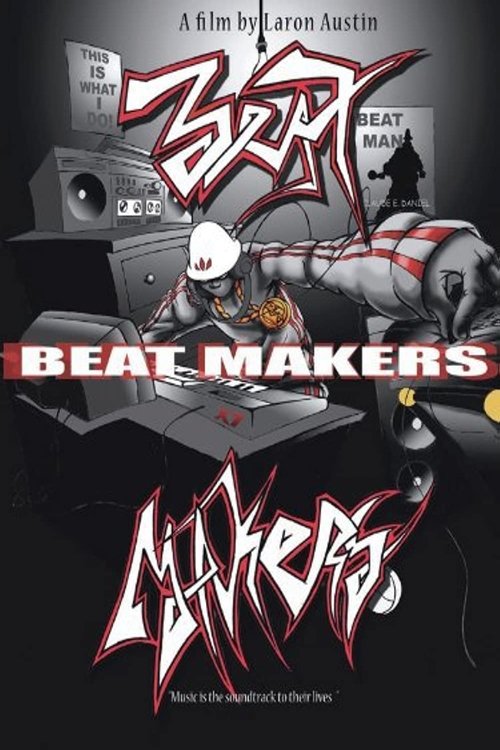
A documentary that charts the never ending hustle of up and coming, as well as seasoned hip-hop producers.
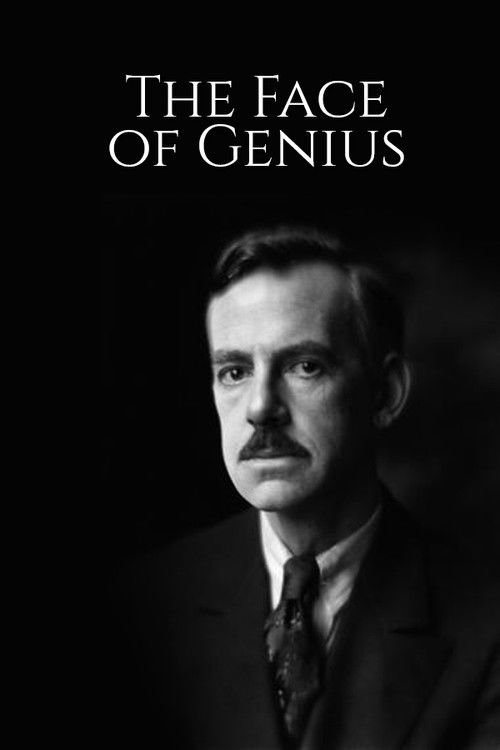
The Face of a Genius is a 1966 American documentary film about Eugene O’Neill, produced by Alfred R. Kelman for WBZ-TV Boston. It was nominated for an Academy Award for Best Documentary Feature, the first time that a film originally produced for television was recognized by the Academy as a nominee for Best Documentary Feature.
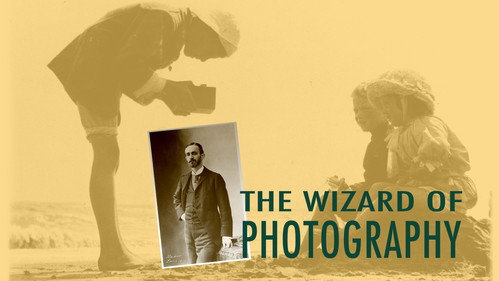
In the summer of 1888, ads began to appear for a camera with a mysterious name: the Kodak. No one had ever seen anything like it. "All of a sudden this little device means you could go into the back yard, you can take a picture of the baby splashing around in a mud puddle," says John Staudenmaier, S.J., a historian at University of Detroit Mercy. "You can go to a picnic or a ballgame. You can do it. And you know how hard this is, because you in your memory have seen professional photographers all over the place. The hiding of the professional chemistry involved in photography is a stroke of genius." "The Wizard of Photography" is the story of how George Eastman struggled to overcome fierce competition and embarrassing failures to make photography easy and affordable for everyone. Produced, directed, and written by James A. DeVinney, the program is narrated by Judith Light.
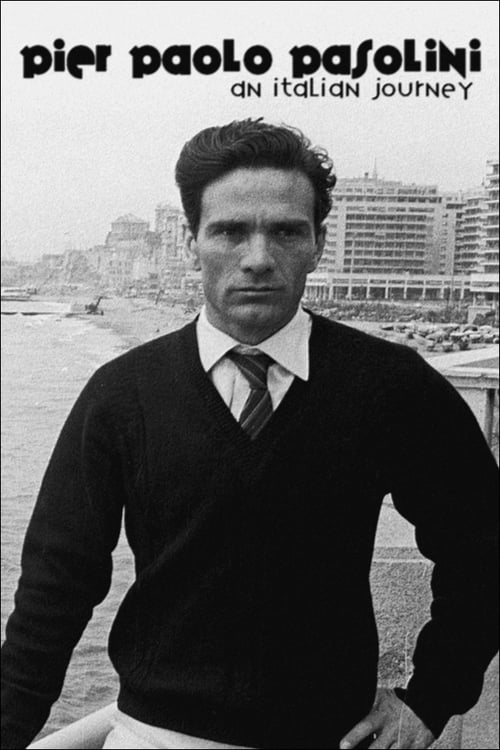
In the summer of 1959, as a magazine correspondent, writer and filmmaker Pier Paolo Pasolini (1922-75) traveled along the Italian coast. In 1963, he documented the sexual behavior of the Italians. In the winter of 1970-71, he witnessed the hardships of the most impoverished Italian population suffering from the boot of state power. After these three trips, he came to the conclusion that Italian society had changed drastically for the worse over the years.
While working with wet plate collodion Ruhter came up with an idea to show the world the beauty of these objects in a size that was deemed impossible. This led him and the Silver & Light Team to a forgotten town on the edge of the Salton Sea called Bombay Beach, located in California’s Imperial Valley. The idea was to create a camera out of an abandoned house. The structure would serve as the framework for the camera. Instead of focusing on the decay from the outside, this house camera allowed a view from the inside into someone’s dream. Once the giant lens was placed on the front of the house, images of Ted, a 100 year old resident who recently found himself homeless, were projected in, breathing new life into this abandoned structure and once again making it a home. During this brief moment in time when Ted’s photograph was captured, he was present in both places. In reality, he was homeless in the outside world.
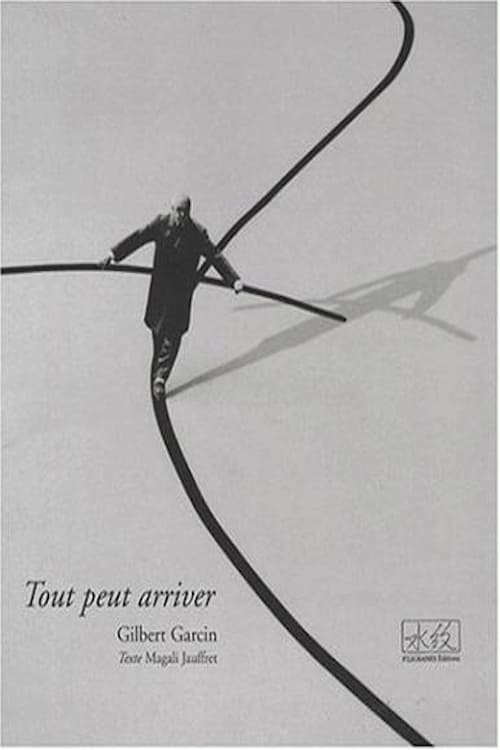
Gilbert Garcin passed away on April 17, 2020. Having become a late photographer (he was 65), he will never stop defying time, playing with him to clear his head of his memories, to open his eyes to create ... And to become an ageless man, with his double “Mister G”! An unclassifiable being. His work, quickly recognized, is full of poetry and mischief.
The documentary shows the awakening of the poor youth to social consciousness in the identification of life that imitates art with art that imitates life. It is the São Paulo chapter of the cultural history of national rap in the voice of its main exponents.
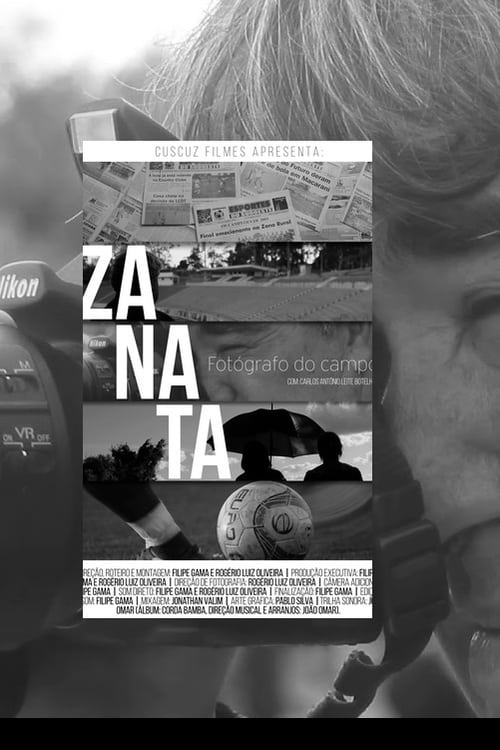
A photographer, a championship, a passion. Black and white documentary that synthesizes, through sounds and images, the trajectory of Zanata, a man who dedicates his life to recording moments of football games. The narrative consists of fragments in which the character photographs games from a championship in the countryside in the interior of Bahia.
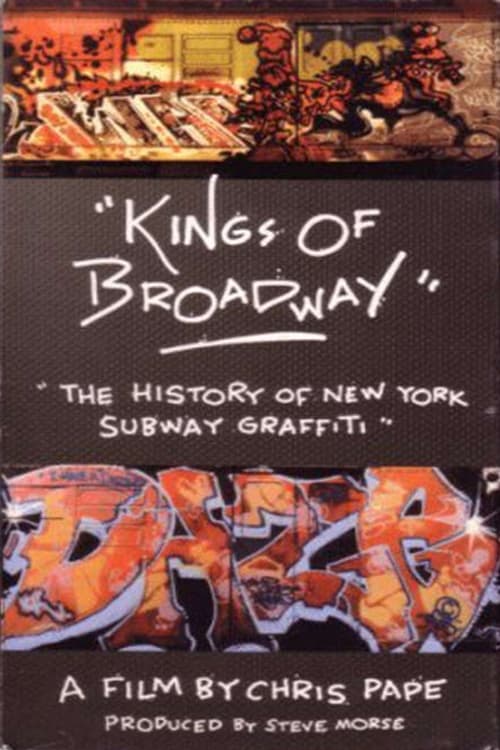
This documovie delves into the history of the NYC graffiti movement, tracing it thru 3 generations of well known writers. In depth conversations with ALI, BAMA, CRASH, KET, PART ONE, STAN 153yb, TERROR 161 and ZEPHYR classify this as sureshot cult classic
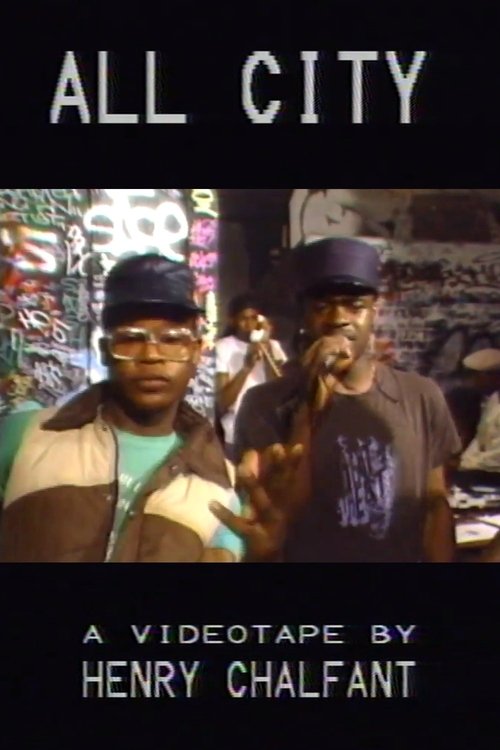
From Henry Chalfant, the director genre defining documentary Style Wars, comes what was intended to be the first installment in a regular television series on New York's bludgeoning hip-hop culture, with a specific focus on graffiti. Funding fell through but the material was just to good be left to languish. Chalfant put together what he had and, like Style Wars, it continues to stand as a document of a culture in blossom.
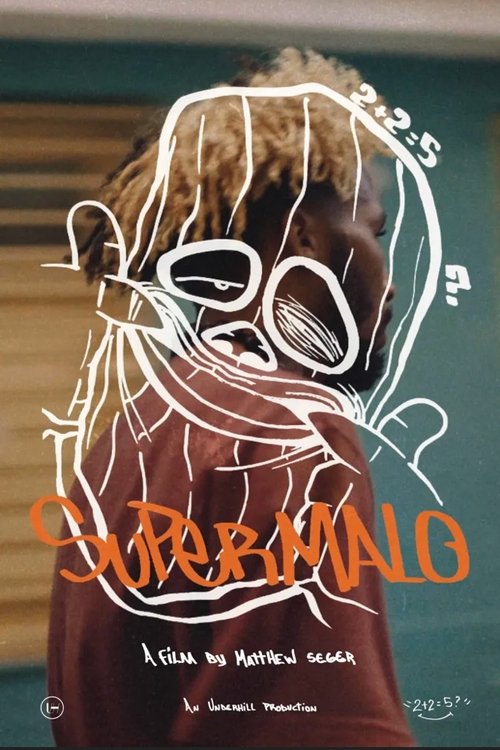
As the walls of Cuba's ageing infrastructure continue to crumble, a burgeoning street art scene is born in Havana. Murals of hand-painted masked character – Supermalo – with the tag “2+2=5?” have begun to appear in seemingly every corner of the heavily foot trafficked city.
Considerations on collage as a cognitive act in artists’ cinema. A pedagogical film adrift: 35mm photographs and other materials collected over the last fifteen years by artist Stefano Miraglia meet a text written by Baptiste Jopeck and the voice of Margaux Guillemard.