Shows hobbies of people who do an ordinary job in the day. Made for New York Fair.
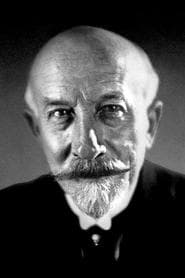
Georges Méliès
as Himself (archive footage)

Yves Gladine
as Narrator
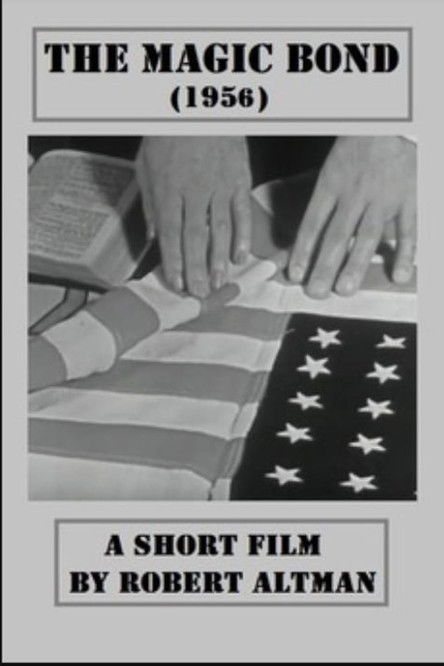
The Veterans of Foreign Wars as a fraternal and social organization, with emphasis on their projects that benefit community life and cohesion.
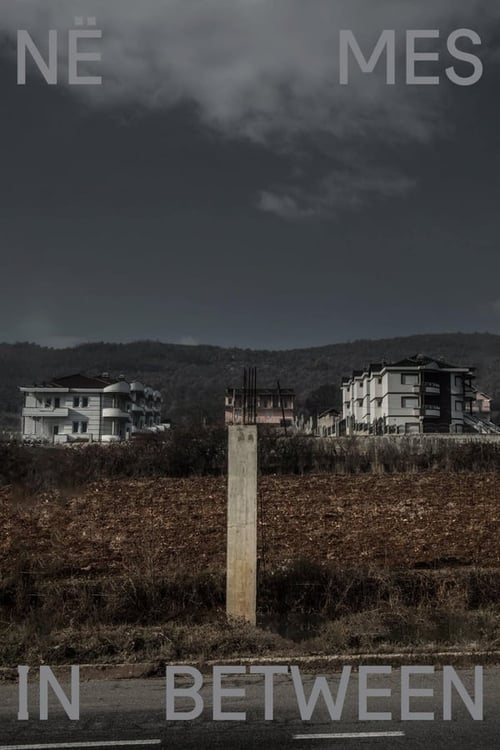
In rural Kosovo, identical houses are built for family members working abroad, in the hope that they will one day return to settle in their old homeland.
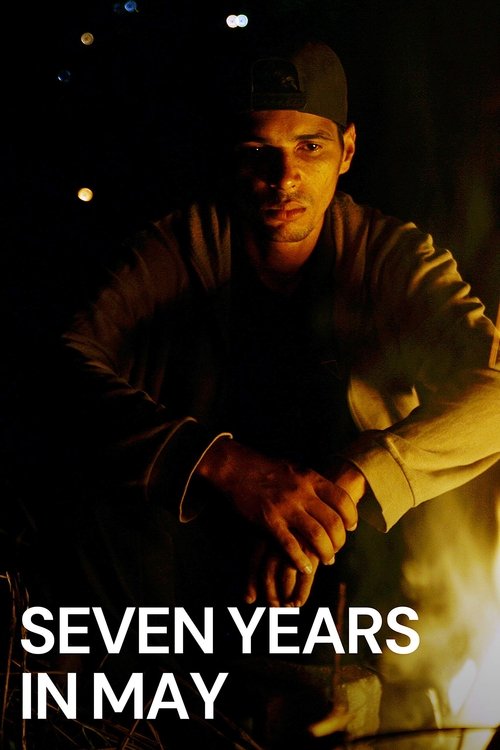
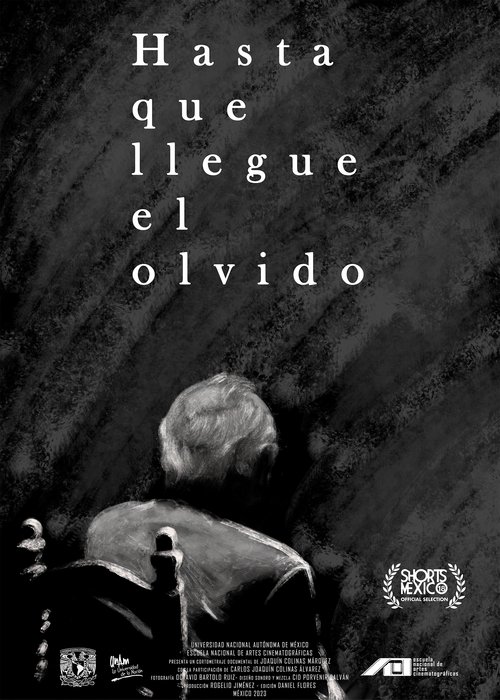
One night seven years ago, Rafael came home after work and discovered that people he did not know had come looking for him. He immediately fled, without looking back. From that moment on, his life changed, as if that night had never ended. One evening, around an improvised fire near a factory, he decides to confide his journey to a stranger. Rafael’s intimate account meets the collective testimony of an entire nation oppressed by poverty, police repression and institutional corruption.
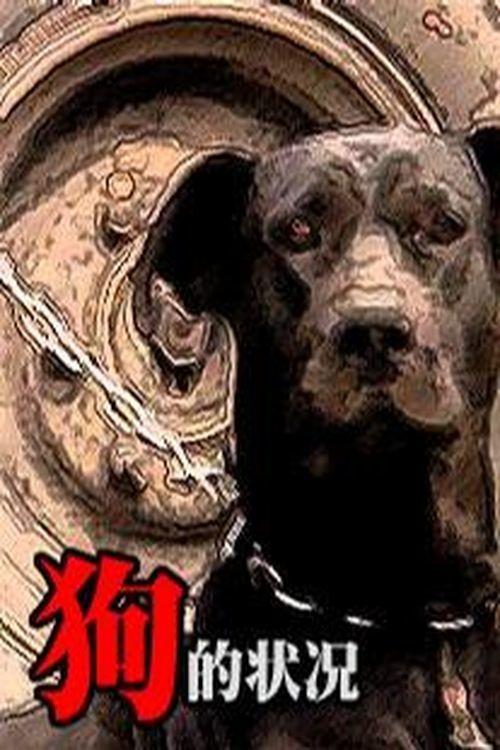
Shows a market where puppies are bought and sold. Several puppies are placed in a cloth bag, and they struggle to break free. One bites through the bag, pokes his head, and is observed in his triumph and then confusion.
Experimental film.
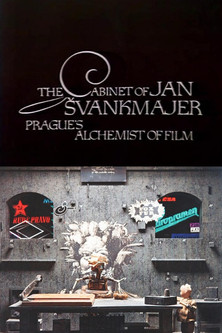
The original 54-minute documentary, as broadcast by Channel Four on 20 June 1984, after which the animated links by the Quay Brothers were recompiled as a separate short.
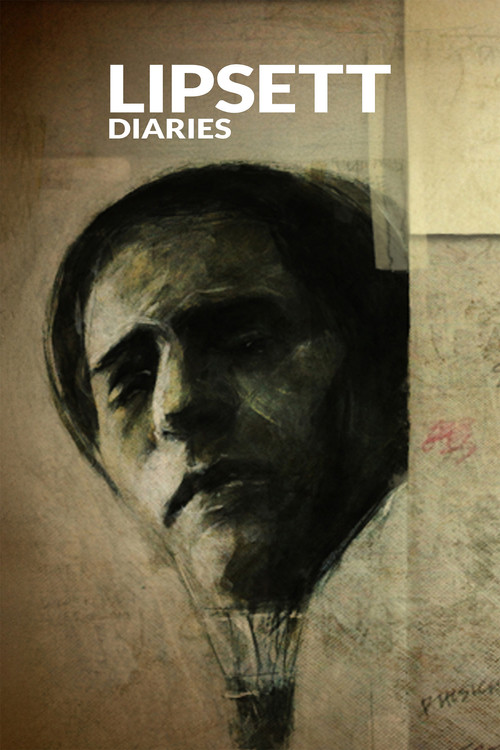
A descent into the maelstrom of anguish that tormented Arthur Lipsett, a famed Canadian experimental filmmaker who died at 49. A diary transmuted into a clash of images and sounds charting a prodigious frenzy of creation, a tableau depicting an artist’s dizzying descent into depression and madness: with LIPSETT DIARIES, Theodore Ushev renews his filmmaking aesthetic and explores what happens when genius is on a first-name basis with madness.
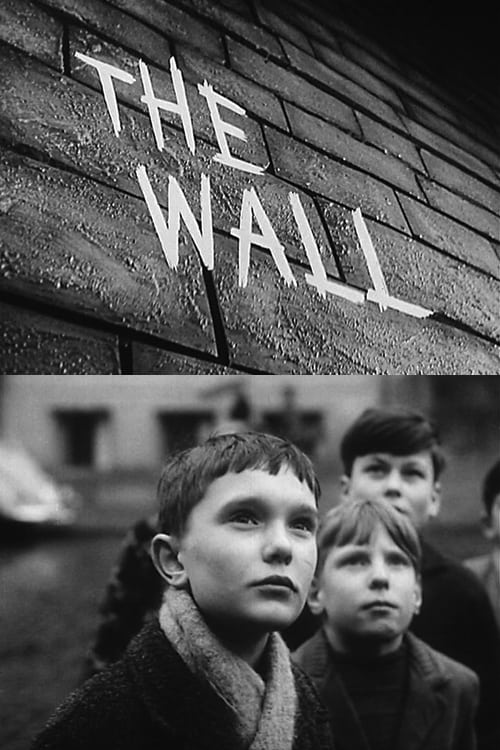
Like the best USIA films, The Wall distills political events into an emotionally clear and compelling ideological "story". In 1962 Walter de Hoog gathered footage from U.S. and German newsreel sources and crafted this taut short film about the first year of the Berlin Wall. Straightforward, keenly balanced narration portrays Berliners as "accepting the wall but never resigned to it". The extraordinary footage of the first escapes was propaganda enough-- His challenge was to make the politics human.
Entering in the darkness of his memories, with the aid of some old photographs, one man travels to his past, building along his way a story which spans multiple generations to recover the image of his father, whose early passing marked him as a child.
Low Kok Kee is 67. He runs a print shop in Chinatown, Kuala Lumpur, Malaysia. Foto Pak Tai has been faithfully serving the photography and printing needs of the local community since the 1940's. With the advent of the digital age and a rapidly fluctuating appetite of the young and hip, Pak Tai is a business in decline.
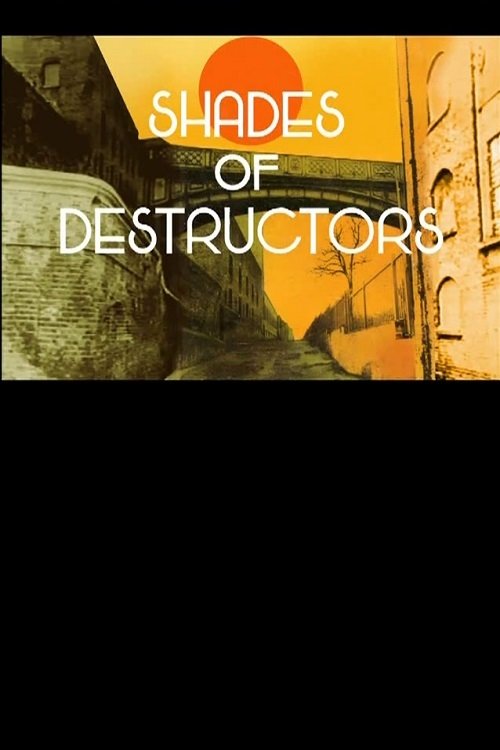
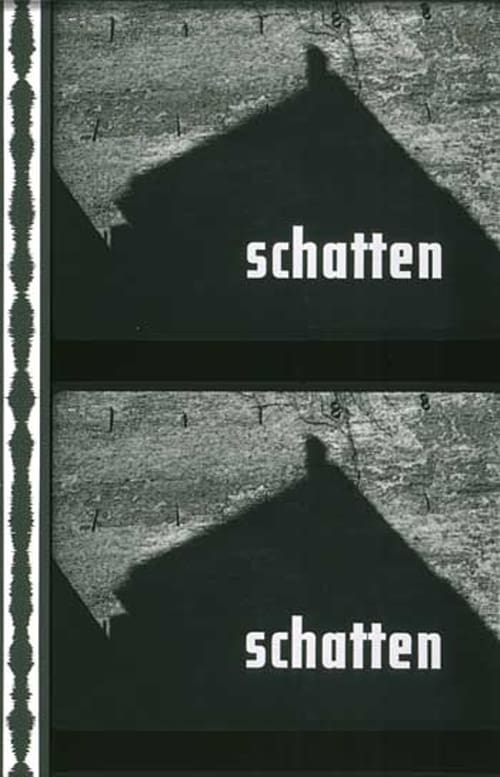
Hansjürgen Pohland's short documentary is an audiovisual study that captures events and people on the streets on film. The special feature of the work is that the people and objects are portrayed exclusively through their shadows.
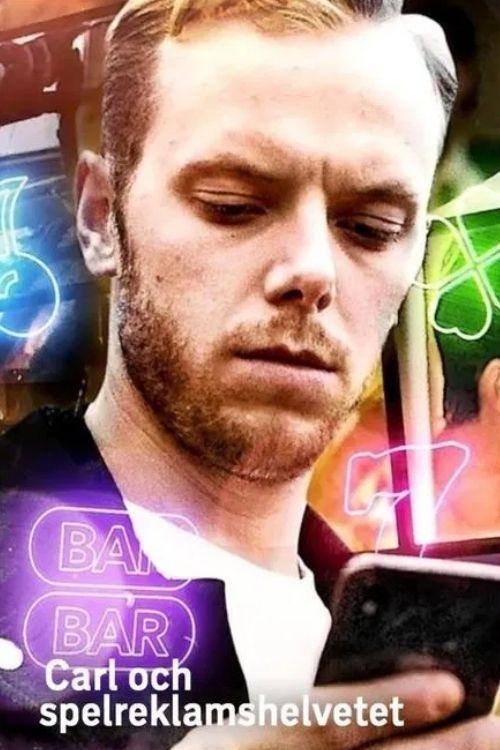
Internet comedian Carl Déman from the humor group JLC lived a life that looked glorious. But beneath the surface was a terrible gambling addiction that almost cost him his life. In 2019, he and other gambling addicts struggle to stay afloat in a contemporary age marinated in gambling advertising. Carl wants to ask those who make the advertising how they think and wonders why the advertising profiles now also come from the world of culture and entertainment.
Those who do not know the Sahara think there is only sand in the desert. But in the desert there are children who play and draw and make movies, and who would like to not have to think about the war. In the desert there's a European colony, an occupied country called Western Sahara, where there are thousands of Sahrawi refugees living a hard life in exile. "Little Sahara" tells their story, the story of a supportive, resilient people who try to thrive and grow in the Hamada, where everything has a hard time growing.
It was a family secret, hidden for decades - until now. With the help of commercial DNA bases, SVT's US correspondent Carina Bergfeldt sets out in search of her secret half-brother, who according to a rumour exists. The hunt came to affect her whole life.
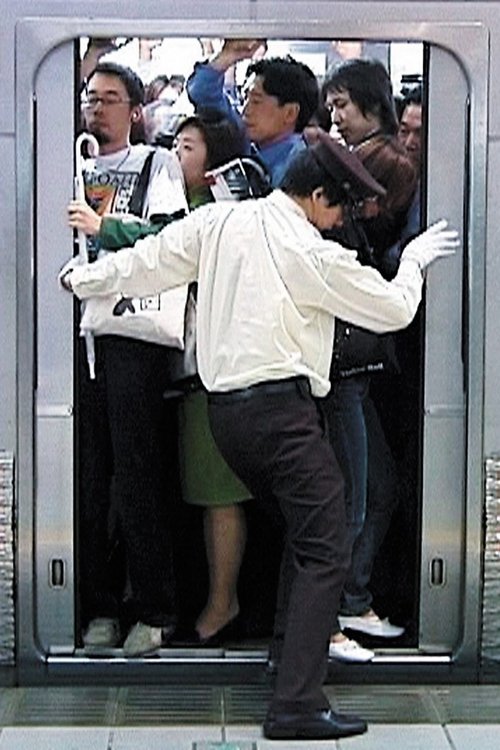
A regular Wednesday night in Tokyo's subway. The train is filled with more and more people...
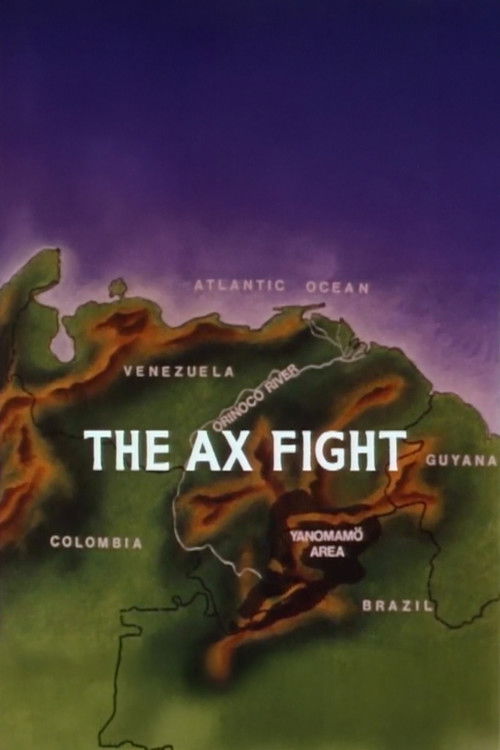
This ethnographic film records a conflict that took place on February 28, 1971, in the Yanomami village of Mishimishimabowei-teri during the fieldwork of Timothy Asch and Napoleon Chagnon. Constructed in four parts, the film first presents the complete unedited footage of the fight as it was witnessed by the filmmakers, followed by slow-motion analysis, kinship diagrams, and a final edited version. Through this structure, the film documents both the social dynamics of the conflict and the process by which ethnographic knowledge is produced from filmed events.