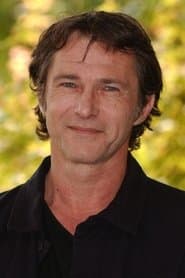
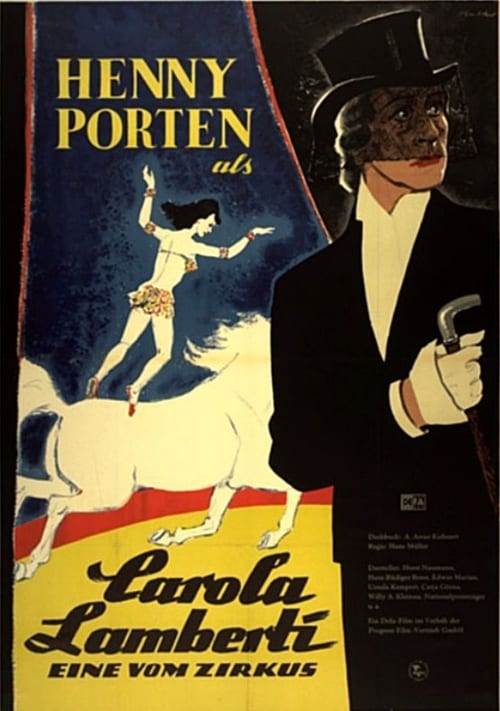
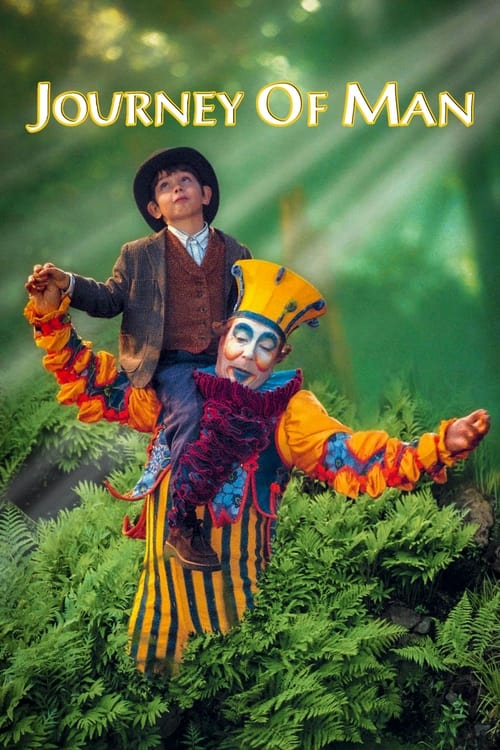
Bruno Wolkowitch
as L'uomo proiettile
Paola Agosti
as Ewelyn
Dario Ballantini
as Il clown della conferenza
Giulia Boschi
as La donna barbuta
Severino Saltarelli
as L'uomo Dio
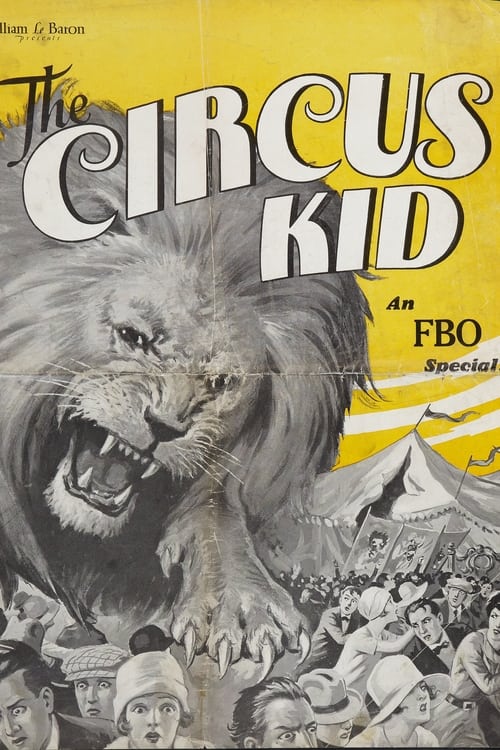
One out of three silent adaptations of the novella "Les quatre diables" written by Danish author Herman Bang. The most famous one, although unfortunately lost, is without any doubt F.W. Murnau's "4 Devils". This German version, by Danish director A.W. Sandberg, was done eight years prior to Murnau's American one, and was a big success at the time.
When disillusioned Swedish knight Antonius Block returns home from the Crusades to find his country in the grips of the Black Death, he challenges Death to a chess match for his life. Tormented by the belief that God does not exist, Block sets off on a journey, meeting up with traveling players Jof and his wife, Mia, and becoming determined to evade Death long enough to commit one redemptive act while he still lives.
Two angels, Damiel and Cassiel, glide through the streets of Berlin, observing the bustling population, providing invisible rays of hope to the distressed but never interacting with them. When Damiel falls in love with lonely trapeze artist Marion, the angel longs to experience life in the physical world, and finds — with some words of wisdom from actor Peter Falk — that it might be possible for him to take human form.
Young hobbit Frodo Baggins, after inheriting a mysterious ring from his uncle Bilbo, must leave his home in order to keep it from falling into the hands of its evil creator. Along the way, a fellowship is formed to protect the ringbearer and make sure that the ring arrives at its final destination: Mt. Doom, the only place where it can be destroyed.
When Gelsomina, a naïve young woman, is purchased from her impoverished mother by brutish circus strongman Zampanò to be his wife and partner, she loyally endures her husband's coldness and abuse as they travel the Italian countryside performing together. Soon Zampanò must deal with his jealousy and conflicted feelings about Gelsomina when she finds a kindred spirit in Il Matto, the carefree circus fool, and contemplates leaving Zampanò.
Siblings Lucy, Edmund, Susan and Peter step through a magical wardrobe and find the land of Narnia. There, they discover a charming, once peaceful kingdom that has been plunged into eternal winter by the evil White Witch, Jadis. Aided by the wise and magnificent lion, Aslan, the children lead Narnia into a spectacular, climactic battle to be free of the Witch's glacial powers forever.
Guido Anselmi, a film director, finds himself creatively barren at the peak of his career. Urged by his doctors to rest, Anselmi heads for a luxurious resort, but a sorry group gathers—his producer, staff, actors, wife, mistress, and relatives—each one begging him to get on with the show. In retreat from their dependency, he fantasizes about past women and dreams of his childhood.
Frodo Baggins and the other members of the Fellowship continue on their sacred quest to destroy the One Ring--but on separate paths. Their destinies lie at two towers--Orthanc Tower in Isengard, where the corrupt wizard Saruman awaits, and Sauron's fortress at Barad-dur, deep within the dark lands of Mordor. Frodo and Sam are trekking to Mordor to destroy the One Ring of Power while Gimli, Legolas and Aragorn search for the orc-captured Merry and Pippin. All along, nefarious wizard Saruman awaits the Fellowship members at the Orthanc Tower in Isengard.
This time around Edmund and Lucy Pevensie, along with their pesky cousin Eustace Scrubb find themselves swallowed into a painting and on to a fantastic Narnian ship headed for the very edges of the world.
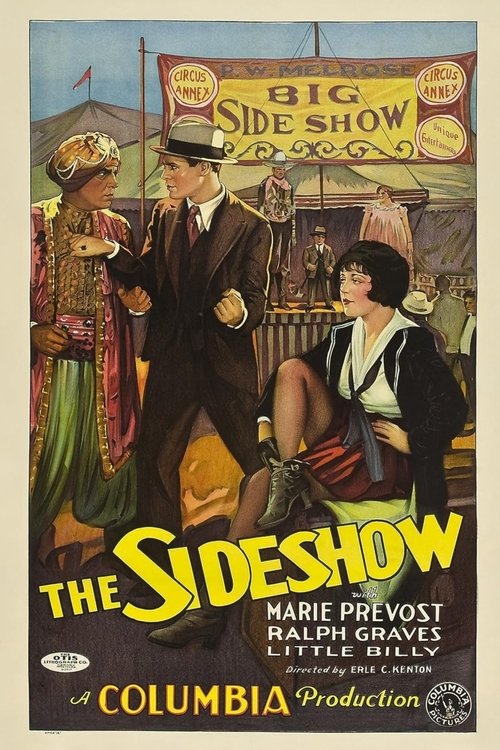
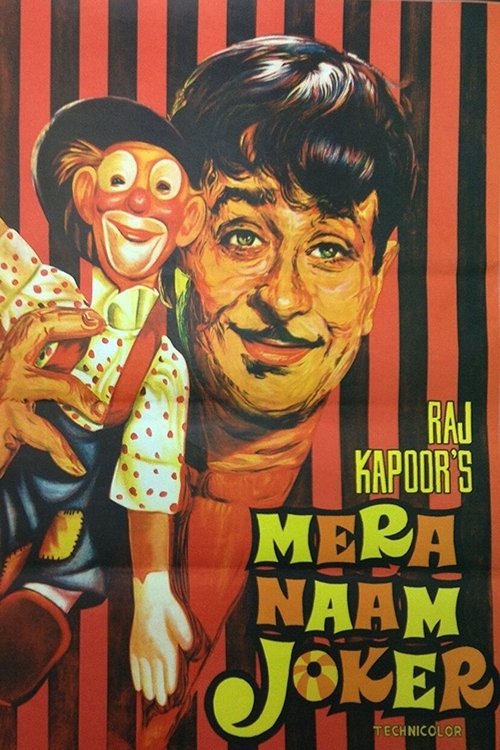
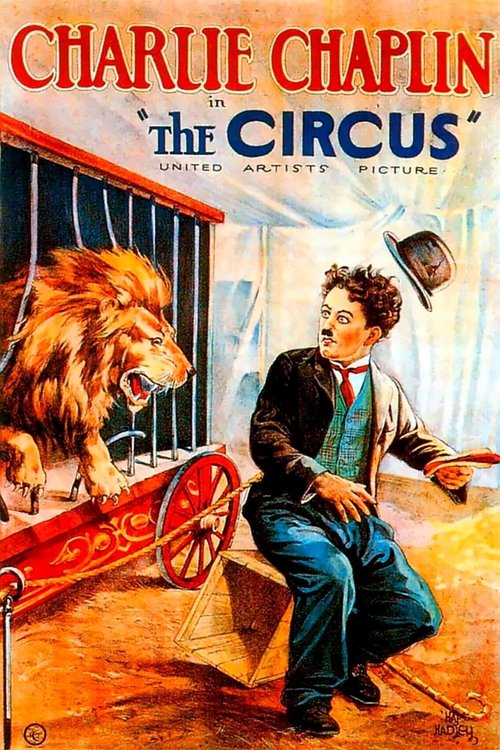
After a baron steals his scientific discoveries, runs away with his wife, and slaps him in public, a man joins a Parisian circus sideshow as a clown whose act consists of being slapped repeatedly and becomes infatuated with a showgirl colleague whose father intends to marry her off to the baron.
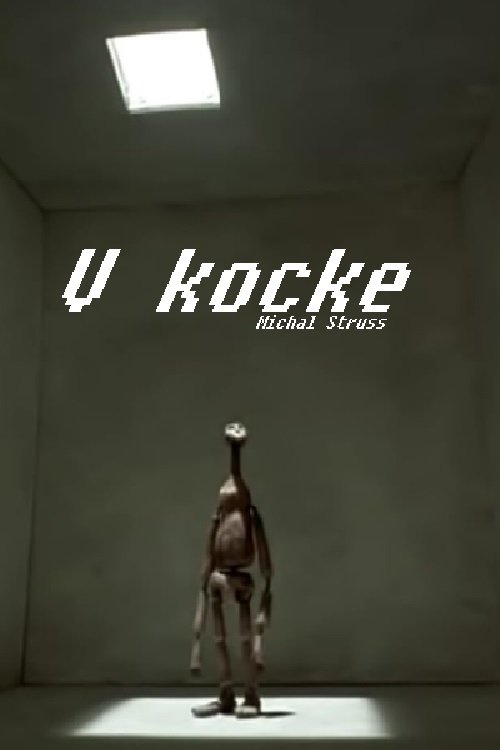
A character is inside a cubical room; there is a hole in the roof, which is too high to reach. But pushing on the walls distorts the room in various ways, always appearing to bring the hole closer while still leaving it tantalizingly inaccessible.
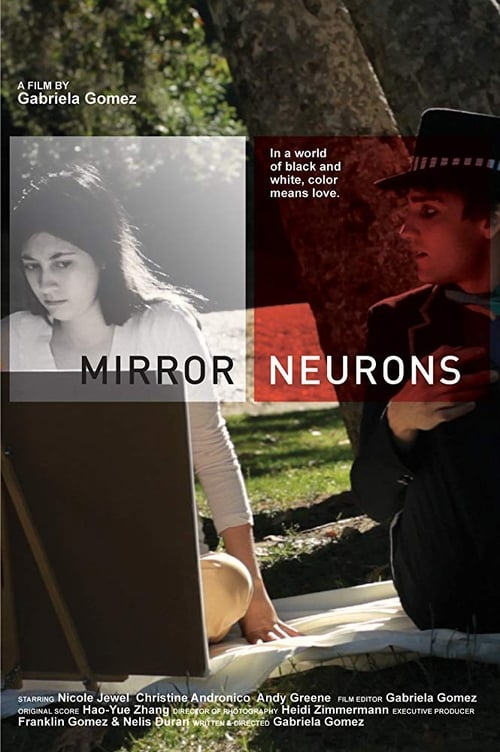
The story of Danny, a girl with Asperger's Syndrome, and Pete a circus performer. Pete enters Danny's life as a catalyst for transformation. With a Black and white selective vision, Danny fights the over protection of her mother, encouraged by the new feelings that this new character has provoke in her. Using Pete as an excuse Danny screams to her mother: 'Let Me Walk My Life', and by doing so, she manages to shift her own perception just enough, to be able to perceive some color to her life.
On the lam, criminal Alonzo hides in the circus as The Armless Wonder—a performer who uses his feet to hurl knives. Alonzo keeps the arms he really has concealed to hide his identity. Meanwhile, ringmaster's daughter Nanon has a phobia of being touched by men, but is romantically pursued by not only Alonzo but the strongman Malabar. Alonzo's desperation to remain with Nanon will only end in tragedy.
Nora Moran, a young woman with a difficult and tragic past, is sentenced to die for a murder that she did not commit. She could easily reveal the truth and save her own life, if only it would not damage the lives, careers and reputations of those whom she loves.
A circus owner and a hunter's daughter go into an African jungle in order to capture a giant gorilla named Gorga just so that he can be used as an attraction for the former's circus.
A spirited young woman finds herself destitute and on the streets before joining a traveling carnival, where she meets a vagabond painter.
In 1924, Oskar Matzerath is born in the Free City of Danzig. At age three, he falls down a flight of stairs and stops growing. In 1939, World War II breaks out.
"Katharina Knie" is a 1929 German silent drama film directed by Karl Grune and starring Eugen Klöpfer, Carmen Boni and Adele Sandrock. It is based on the 1928 play of the same title by Carl Zuckmayer.
Jo, a young woman and street circus artist, discovers the work of the professional clowns of “Nez pour Rire”. Quickly - perhaps too quickly - entering the association, she found herself at the hospital in contact with children, sick people, caregivers and families, to whom these clowns tirelessly try to bring joy and comfort. .