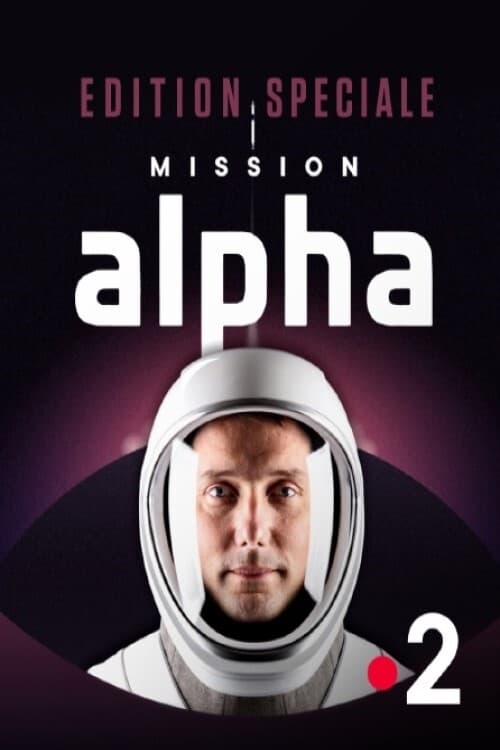
At 38, Thomas Pesquet is the youngest French astronaut to be selected for a 180 days mission in the ISS. Oleg Novitskiy, the Russian pilot and the American Peggy Whitson, the most experienced astronaut in the world, train alongside him.
Thomas Pesquet
as Self
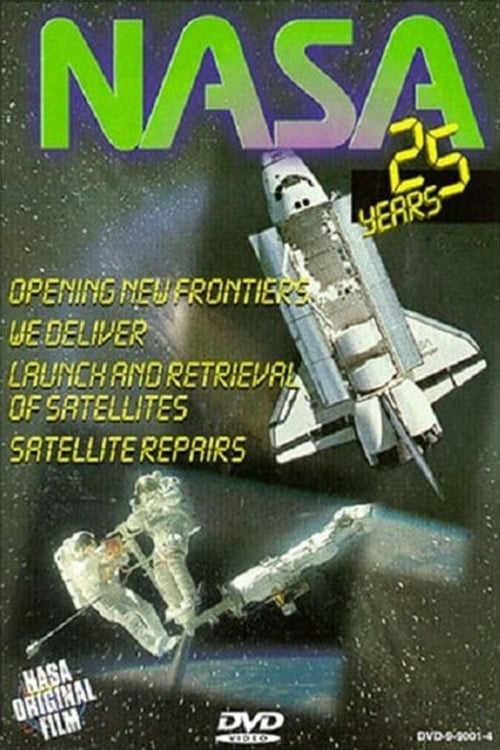
A collection of NASA films, from Project Mercury to the Space Shuttle.
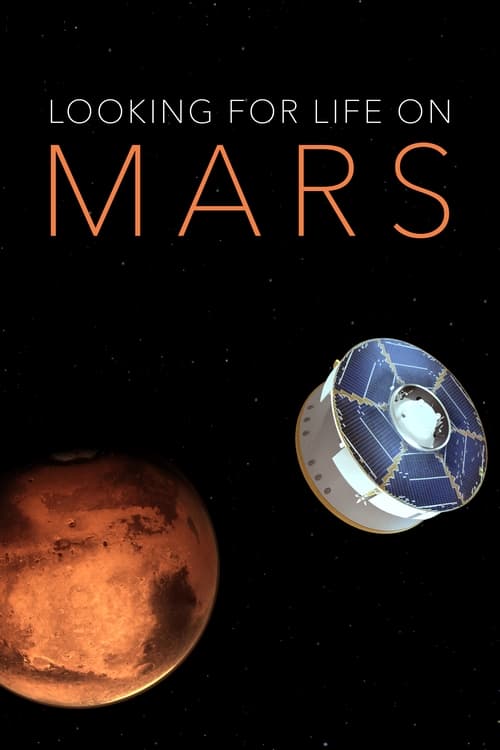
NASA launches its most ambitious hunt for traces of life on Mars, landing a car-sized rover in a rocky, ancient river delta. The rover will stow samples for possible return to Earth and test technology that may pave the way for human travel to Mars.
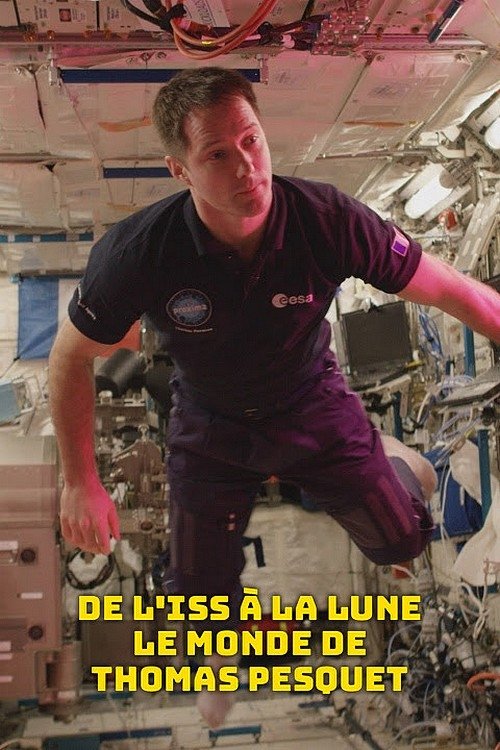
From space, 400 kilometers above our heads, one man has won the hearts of the French: Thomas Pesquet. Traveling to the stars is an almost impossible dream, but for Thomas Pesquet it is a reality that he recounts in detail in an exclusive interview. You will discover the magic of living in space, the wonder of our planet, but also the reality of everyday life in zero gravity: how they sleep, how they wash, what happens to their bodies. Why do they have to exercise for two hours a day? How do they communicate with their families? With Thomas Pesquet and the help of specialists, scientists, doctors, instructors, directors, and computer-generated images, you will discover what goes on behind the scenes of a mission and understand how the International Space Station works.
Documentary covering the current state of both the theoretical and practical development of the various scientific basic principles that served, as per Gene Roddenberry's dictum, as a believable basis at the time for The Original Series. Several real-world scientists are interviewed, not a few of them unabashedly admitting they went into their chosen field of profession because of Star Trek: The Original Series.
Stuck in the German lands of “Yodelburg,” our hero Kidlat dreams of space and muses on humanity’s endless capacity for creativity, whether on the moon or at home in the Philippines. A delightful, self-proclaimed “third-world space spectacle.”
Martinique Island, 1974. Inspired by the writings of the Martiniquais poet and politician Aimé Césaire (1913-2008), the dreamer Robert Saint-Rose, known as Zétwall (Star in Creole), aspires to be the first Frenchman to step on the lunar surface.
One of humanity’s greatest achievements, the International Space Station is a $150 billion science laboratory hurtling around Earth at 17,000mph, its thin metal walls shielding astronauts from the most hostile environment humans have ever endured. Microgravity, the vacuum of space, extremes of temperature, micrometeorites - life here is perilous. To mark 25 years of continuous habitation onboard, Space Station We Have a Problem reveals how astronauts are only a technical glitch or software error away from disaster. From malfunctioning spacesuits and docking disasters, critical leaks and even the entire space station backflipping out of control, this is life and death played out in low earth orbit, coupled with the bravery and brilliance that each time, saves the day.
Has man really been to the moon? It’s been 50 years, and the debate rages on. For the firs time, a film compiles in a single piece of work, all the best evidence in favor of the moon landings and the evidence contrary to them. For the first time we can also analyze the Apollo pictures in detail, with the aid of some among the top photographers in the world. What was the Apollo project really? The biggest achievement in the history of mankind, or the biggest fakery of all times, watched on live television by more than half a billion people?
For the first time since the legendary Apollo missions over 50 years ago, humans are once again setting out for the Moon on April 1, 2026. NASA’s Artemis II mission marks the beginning of a new era in space exploration, and Germany will play a key role. This documentary follows the four astronauts during their preparations and offers exclusive insights into the Orion spacecraft. German astronauts Alexander Gerst and Matthias Maurer, along with other space experts, explain how the mission will proceed and why it is being undertaken. It's a journey that blends science, adventure, and the fundamental question: Why do people risk their lives to reach other celestial bodies and distant worlds?
Using original footage and interviews, this documentary tells the nail-biting story of Apollo 13 and the struggle to bring its astronauts safely home.
Documentary about space colonization: a voyage across our planet, into the stars and beyond.
Spacecraft OSIRIS-REx attempts to grab a piece of an asteroid to bring back to Earth so scientists can study it to learn about the planet's origins.
In unusual circumstances, scientists from different countries work together to achieve a common scientific goal. Locked in their spinning space lab, they are isolated from the world — family and friends - and can only watch from the outside as life on Earth continues without them. The space station is a monument not only to the weaknesses of humanity, but also to its ability to do the impossible for the sake of life in space.
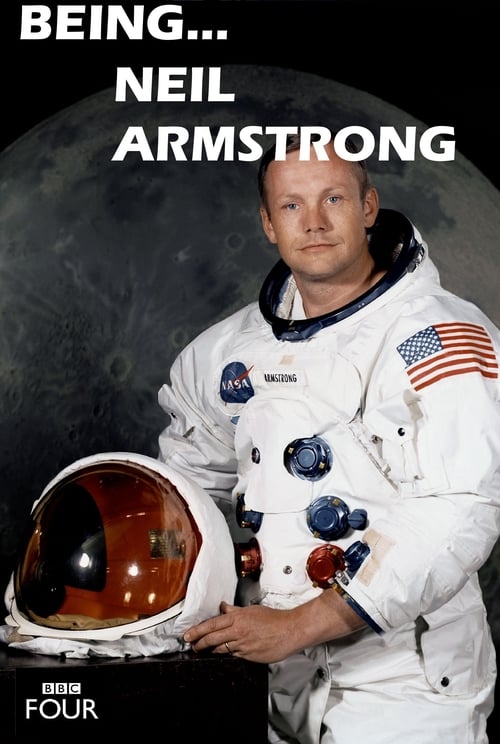
It has been said that 10,000 years from now only one name will still be remembered, that of Neil Armstrong. But in the four decades since he first set foot on the moon, Armstrong has become increasingly reclusive. Andrew Smith, author of the best-selling book Moondust, journeys across America to try and discover the real Neil Armstrong. He tracks down the people who knew Armstrong, from his closest childhood friend to fellow astronauts and Houston technicians, and even the barber who sold his hair, in a wry and sideways look at the reluctant hero of the greatest event of the 20th century.
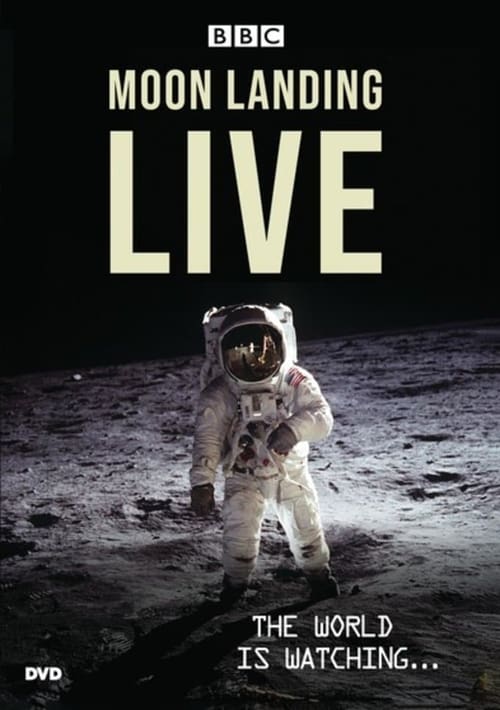
July 1969. America made history and sent the first humans to the moon. High-quality NASA footage and extensive news broadcasts bring this sensational moment in history bursting back into life. Live news footage from every corner of the globe recreates the excitement and elation that surrounded the event, as 600 million people tuned in to watch Neil Armstrong's remarkable first steps.