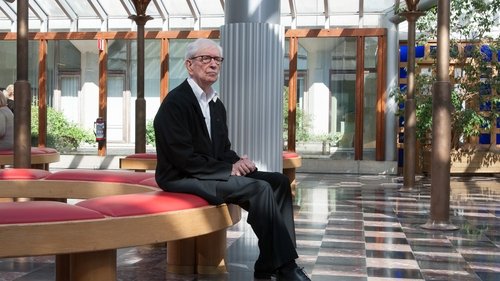
Toni Servillo
as Self
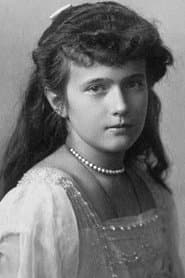
Grand Duchess Anastasia
as Self (archive footage)
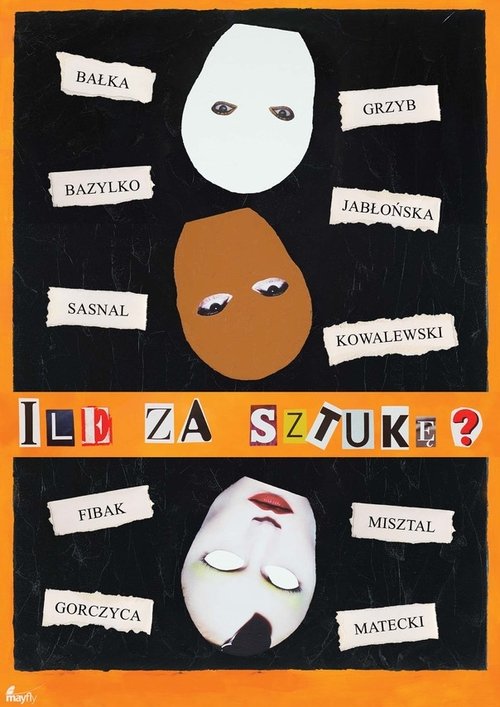
Art, auctions, huge valuations of individual works, a market full of enigmas. The inaccessibility of the art world and its business mechanisms, incomprehensible to many, have always worked on the imagination. However, the incredible growth of interest in buying art in Poland over the past few means that the curtain of mysticism must be slowly falling. A look at the Polish art market, which with the political transformation has changed from a marginal and obscure curio to a modern, professional machine, opening for some artists of the youngest generation the gates of success inaccessible to their predecessors.
Celebrating Billy Connolly's 75th birthday and 50 years in the business, three Scottish artists - John Byrne, Jack Vettriano and Rachel MacLean - each create a new portrait of the Big Yin. As he sits with each artist, Billy talks about his remarkable life and career which has taken him from musician and pioneering stand-up to Hollywood star and national treasure.
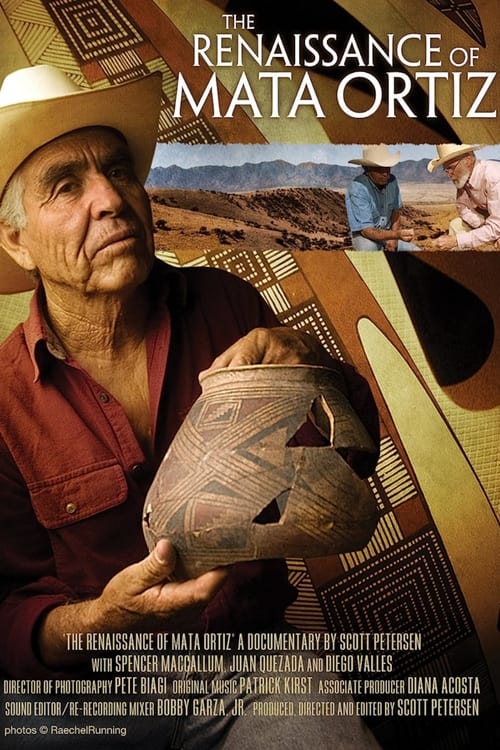
The Emmy-winning story of how an American treasure hunter and a Mexican artist transformed a dying desert village into a home for world-class art.
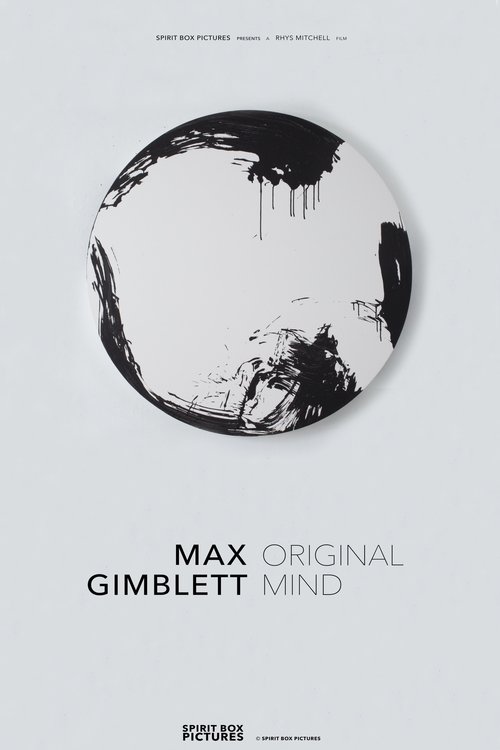
Max Gimblett: Original Mind documents the life and process of eccentric, creative genius Max Gimblett. One of New Zealand’s most successful and internationally prominent living painters, Gimblett has been working in America since 1962. The filmmakers spent a week in Gimblett’s Soho loft where he and his devoted studio assistants generously revealed the techniques and philosophy behind his beautiful art.
94-year old Esther, a pensioner with bad sight, is in search of her artist daugther’s public decoration. Endless phone conversations takes her through municipal bureaucracy and lost culture secretaries. Will she ever get an answer to the eternal question: Where does the art really go?
A short, low-budget documentary that follows a small jobbing band from the north of England called 'Hardwicke Circus' as they perform a gig and music workshop at 'Standford Hill HMP', a men's prison on the Isle of Sheppey in the south of England. Shot in Ben Archer's fly-on-the-wall 'gonzo' style of filmmaking and taken from the band's late-2019 tour of England's south coast, this documentary focuses on the joy of performance and music in an environment that does not often allow such expression. Bookended by short commentary from the band's lead singer Jonny Foster, 'Hardwicke Circus: The Prison Gig' is an uplifting ode to the power and necessity of art, even for those that society have deemed not to deserve it.
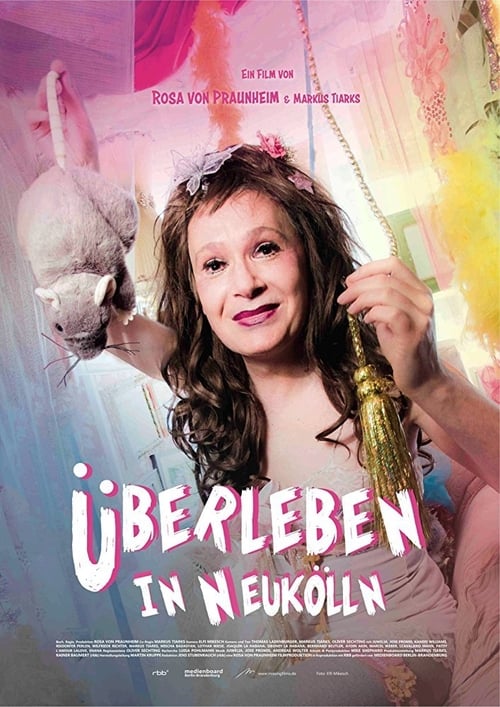
About Stefan Stricker, who calls himself Juwelia and has been running a gallery on Sanderstraße in Berlin Neukölln for many years. Every weekend he invites guests to shamelessly recount from his life and to sing poetic songs written with his friend from Hollywood Jose Promis. Juwelia has been poor and sexy all her life, has always struggled for recognition, but only partially.
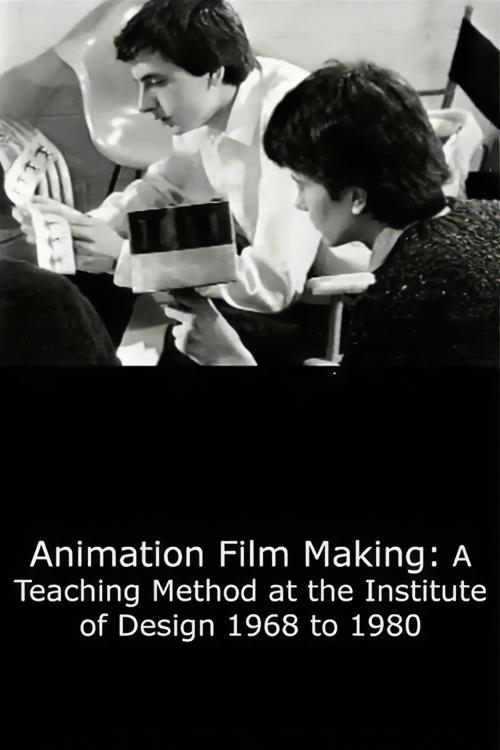
A short video documentary on Larry Janiak's time as an instructor at the Institute of Design in Chicago, where he taught undergraduate and graduate students for 12 years. Aaron Siskind hired Larry in 1968 to start an experimental live action and animated film area at the school. A narrator introduces Larry's career and achievements at the school and guides viewers through the animation filmmaking area. The film primarily features footage of a beginning animation course taught by Larry.
For both Aboriginal and non-Aboriginal Australians, Captain James Cook is a figure of great historical significance.
This documentary features a kinetic artist who creates vibrant mixed media works that push the boundary between 2D and 3D.
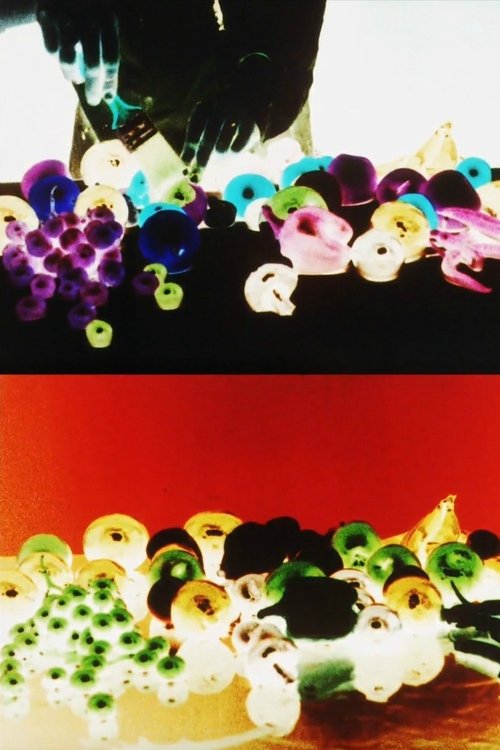
This film explores the transformation of an image from color negative to color positive on one film stock. “The Still Life“ was painted its color negative during the filming and then the exposed film was processed and printed on color negative printstock.
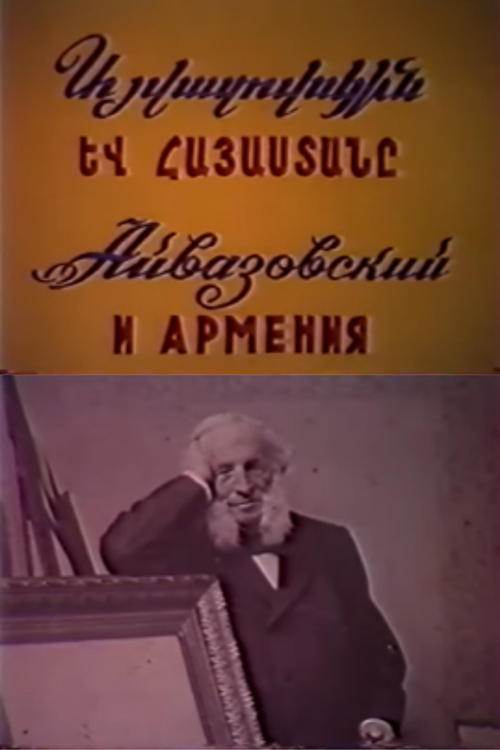
Aivazovsky's paintings on historical Armenian themes. His works were not only on marine subjects. In this short we can also see the church of St. Sarkis, where the artist was baptized. He was married within the walls of this ancient temple, and his funeral service was held there in 1900. Modern photos of Armenia and Western Armenia, where Aivazovsky's ancestors were from, harmoniously complement the film. And at last, the picturesque views of Feodosia, the city where the artist lived and worked for many years.
What does it mean to be Black in America in the 21st century? The recently formed Black American film group TNEG™ has set out to elucidate this very question. Hearing from the likes of fine artist Kara Walker and musical artist Flying Lotus, the film is based on a deceptively simple approach -- asking a refined list of black 'specialists' as well as 'uncommon folks' questions about what they think, and more importantly as lead director Arthur Jafa states, 'What they KNOW' -- the film is an unprecedented 'stream of the black consciousness' and a strikingly original and rarefied look at black intellectual and emotional life. What's so unorthodox about this simple approach is that the interviews were recorded separately from the images in the film. What results is a breathtaking, kaleidoscopic look of American black life from the dawn of three original filmmakers.
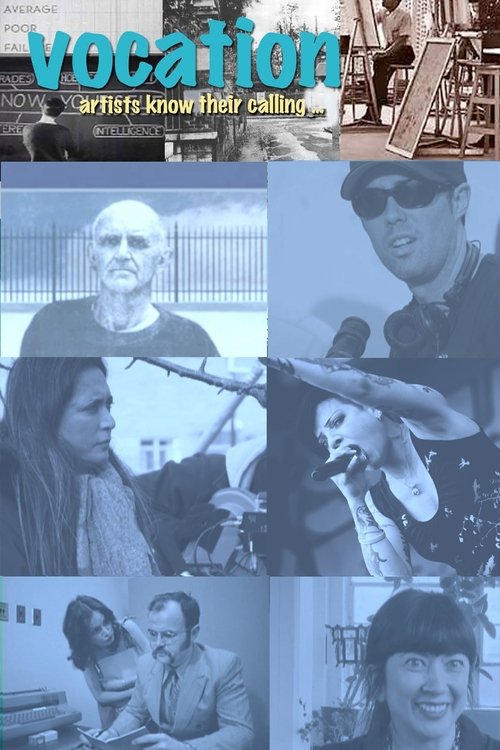
Vocation is a documentary on artists who knew from a very early age they wanted to be an artist. A decision that for them was instinctual and some may even say it is 'a calling' based on faith and perhaps even fate alone. Artists Andy Jones, Deepa Mehta, Marie Brassard, Christopher Pratt, Brad Peyton and Bif Naked are committed to creating work in theatre, literature, music, film and performance based on an innate desire to succeed while working in the precarious profession of art.
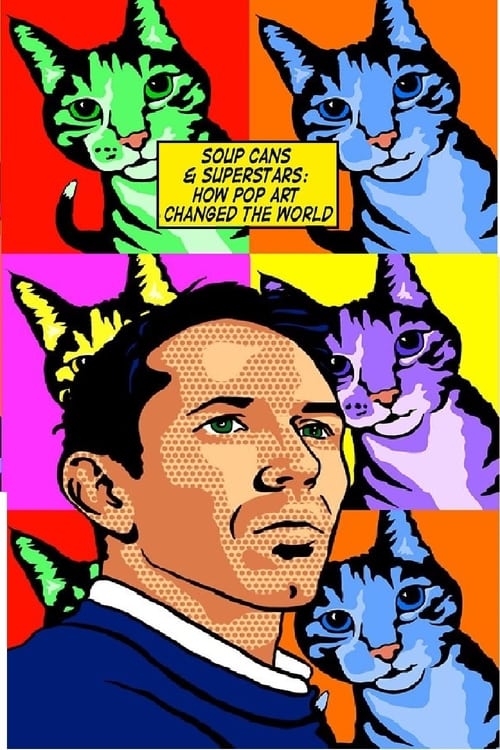
Alastair Sooke champions pop art as one of the most important art forms of the twentieth century, peeling back pop's frothy, ironic surface to reveal an art style full of subversive wit and radical ideas. In charting its story, Alastair brings a fresh eye to the work of pop art superstars Andy Warhol and Roy Lichtenstein and tracks down pop's pioneers, from American artists like James Rosenquist, Claes Oldenburg and Ed Ruscha to British godfathers Peter Blake and Allen Jones. Alastair also explores how pop's fascination with celebrity, advertising and the mass media was part of a global art movement, and he travels to China to discover how a new generation of artists are reinventing pop art's satirical, political edge for the 21st century.
An installation film that consists of a six-hour-long monologue performed by Edith Clever, who reads texts by Syberberg and many different authors, such as Johann Wolfgang von Goethe, Heinrich von Kleist, Plato, Friedrich Hölderlin, Novalis, Friedrich Nietzsche, Eduard Mörike, Richard Wagner, William Shakespeare, Samuel Beckett, and Chief Seattle.