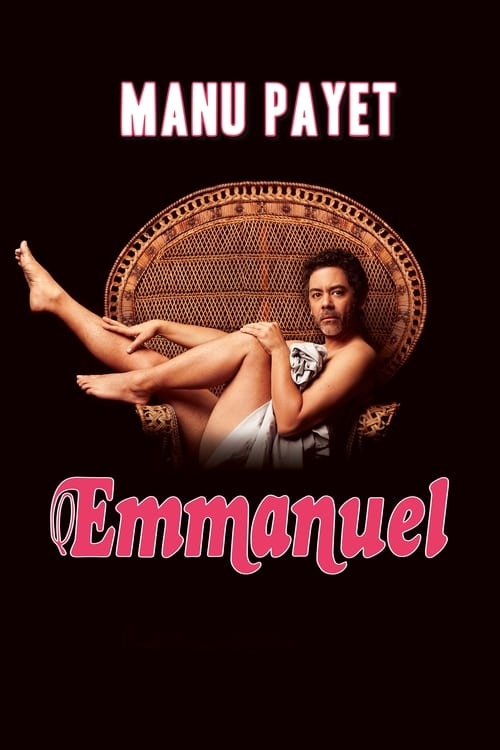
Jamel Debbouze
as Self - Host
Florence Foresti
as Self
Baptiste Lecaplain
Arnaud Ducret
Franck Dubosc
Fatsah Bouyahmed
Tony Saint-Laurent
Malik Bentalha
Caroline Vigneaux
Jeff Panacloc
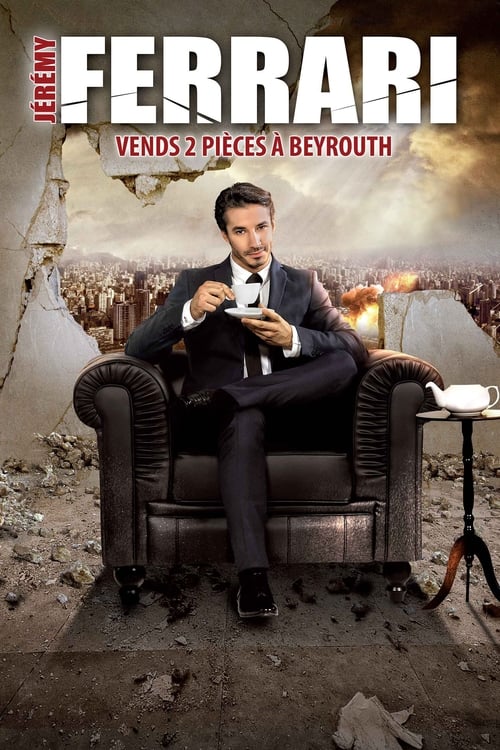
If you ask him, "Can you do a comedy show about war?" Jeremy will say yes, because war is great! So he dug deep, dug deep, and dared to answer the questions you no longer dare to ask! Are we really protected by cops on rollerblades? Is Daesh really a start-up on the rise? Should companies that made their fortune thanks to the Nazi regime feel guilty? Can you be a humanitarian and have a teak terrace? He will also give you anti-terrorism training and explain why Al Qaeda without Bin Laden is like Apple without Steve Jobs.
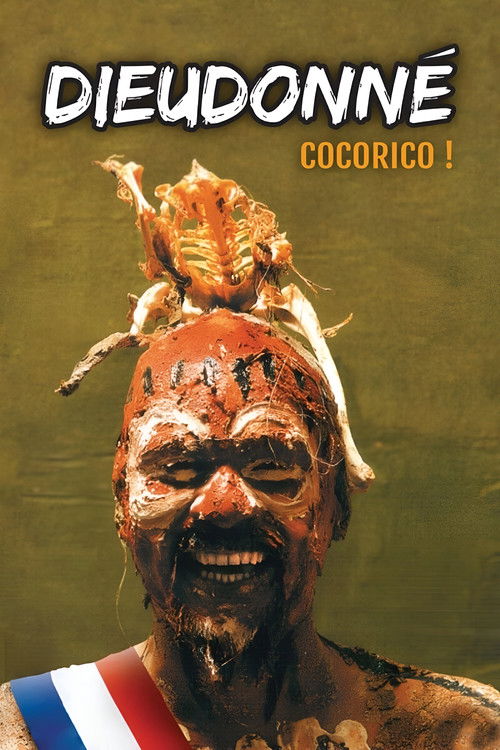
The "at peace" Dieudonné no longer opposes the system: he absorbs and transcends it. After sating spirits with laughter through unworthy and immoral characters, the artist becomes a gangster of beauty and a slave to grace.
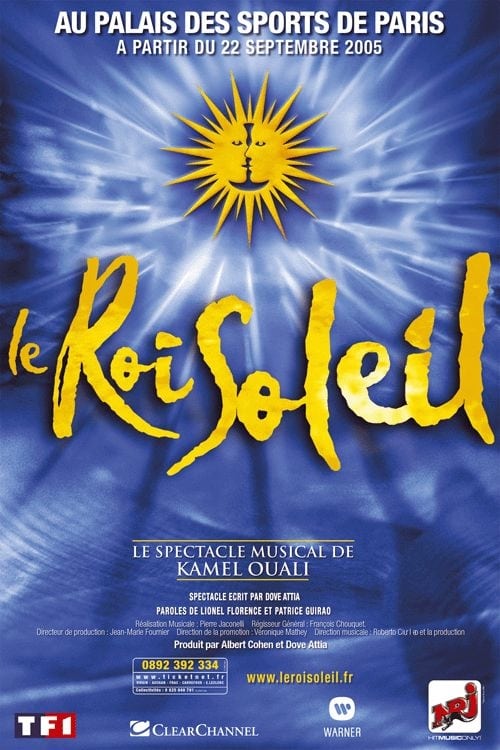
Le Roi Soleil is a French musical about the life of Louis XIV. It premiered on 22 September 2005 at the Palais des Sports in Paris. The musical’s contemporary Rock music and spectacular dances drew 1.7 million audiences in two years.
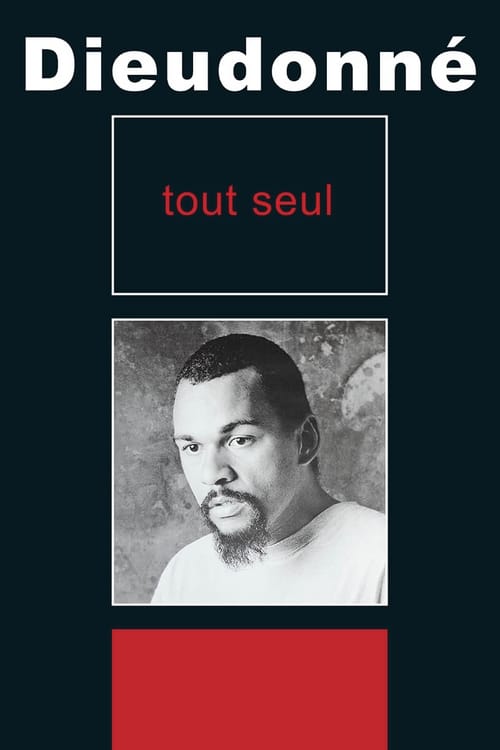
Following a tragic news event, Dieudonné portrays a dozen characters who, in turn, give their version of the story.
From politics to politicians, from the media to the justice system, from your neighbor to even himself, Dieudonné really targets everyone in an uncompromising portrait of our society, tinted with vitriol.
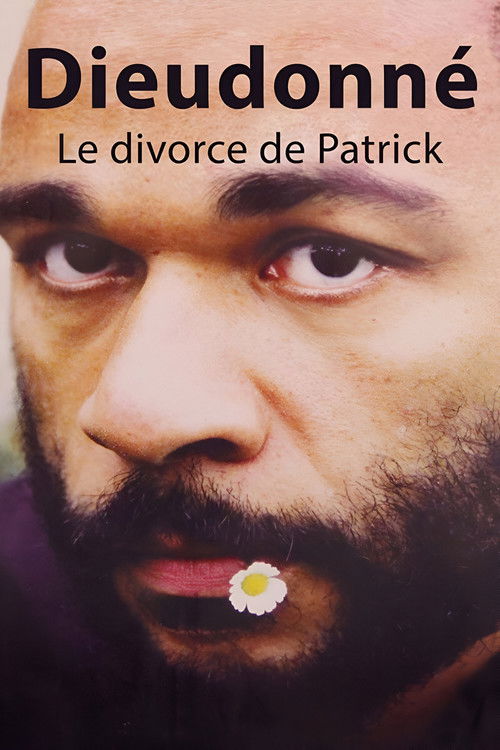
Dieudonné receives his friend Patrick. The latter is in the midst of a depression following his divorce from his wife Sandrine. Dieudonné then comes to talk about couples' problems, romantic encounters, the effects of several years of married life, the role of a parent, children in the midst of divorce. In the course of his development, he even comes to the subject of war, religions, the attacks of September 11. In short, a whole program!
Fimed at the Théâtre de la Main d'Or. Dieudonné celebrates the 100th anniversary of the Law on the Separation of Church and State, which was intended to dissolve sectarianism and lead the Republic toward universalism, only to observe its failure... while attempting to analyze the reasons why with humor.
Patrick and Sandrine Boulard have been separated for several years now. Patrick cannot get over the breakup and breaks into his ex-wife's house one night. She files a complaint. The trial begins. After leading the public to believe that the show had been canceled, on the pretext that he had lost his "license to make people laugh," Dieudonné explains his weariness with controversy and his decision to choose a lighter subject. He thus reprises the character of Patrick, drawn from Patrick's divorce, and has the judge, the lawyers, and Patrick himself speak during the trial. This is followed by a series of sketches dealing, as a whole, with the relationship between men and women.
Émile and Fredo are two crooks who have just committed an armed robbery in a Paris bank. To escape the police, Émile, accompanied by his friend Lulu, takes refuge in the apartment of Antoine Perrin, a peaceful civil servant at the Ministry of Agriculture and amateur musician with the group Les Joyeux Colibris. Lulu offers to seduce him in order to prevent him from getting hit on the coffee pot.
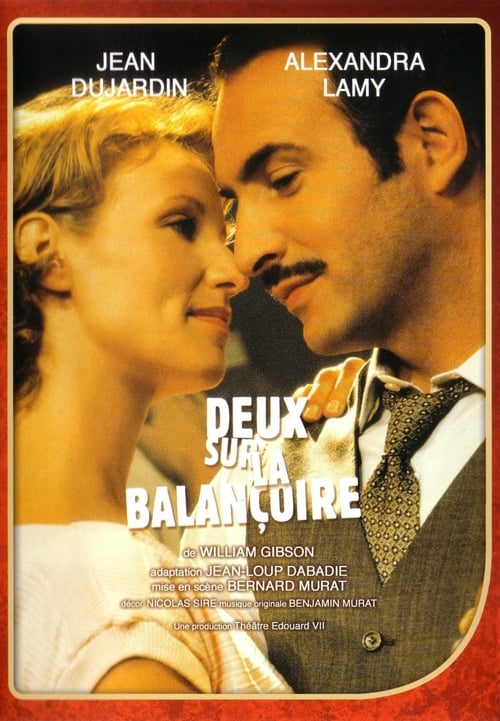
Jerry Ryan, a lawyer, is devastated after his divorce. Desiring to make a change in his life, Jerry moves to New York in the hopes that it will be good for him. Jerry's life takes a different turn when he meets Clara Mosca, a free-spirited woman in New York.