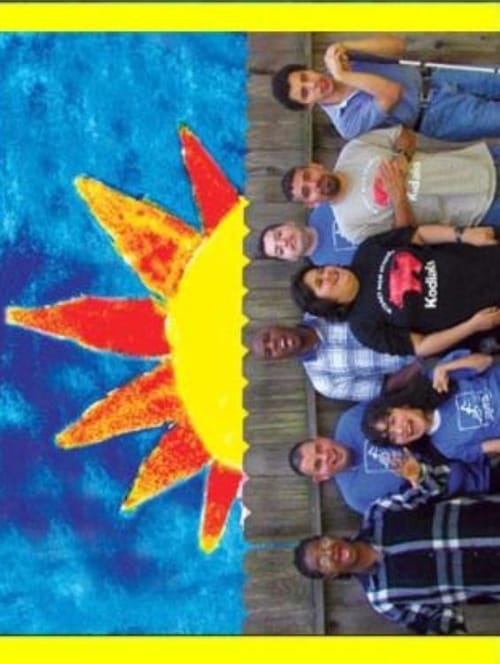
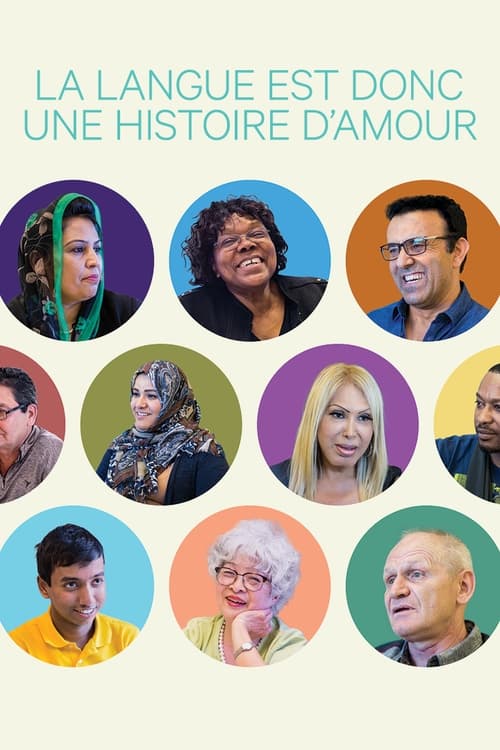
Sylvie Giroux doesn’t have kids, but every year, from September to June, about 10 teenagers aged 16 to 21 add a bit of magic to her life. These youngsters suffer from autism, Down syndrome, dyspraxia, severe anxiety and intellectual handicaps.
Sylvie Giroux
as Herself
In the vast expanse of desert East of Atlas Mountains in Morocco, seasonal rain and snow once supported livestock, but now the drought seems to never end. Hardly a blade of grass can be seen, and families travel miles on foot to get water from a muddy hole in the ground. Yet the children willingly ride donkeys and bicycles or walk for miles across rocks to a "school of hope" built of clay. Following both the students and the teachers in the Oulad Boukais Tribe's community school for over three years, SCHOOL OF HOPE shows students Mohamed, Miloud, Fatima, and their classmates, responding with childish glee to the school's altruistic young teacher, Mohamed. Each child faces individual obstacles - supporting their aging parents; avoiding restrictions from relatives based on traditional gender roles - while their young teacher makes do in a house with no electricity or water.
Elementary Genocide is a documentary executive produced by award winning journalist/filmmaker Rahiem Shabazz. The documentary appeals to a wide general viewership by addressing the social, cultural, political and personal ramifications of how the federal government allots money to each state, to build prions based on the failure rate of 4th and 5th graders. In America, where half of the 4th grade is reading below grade level and more African-American males are in jail than are in college, Elementary Genocide serves as a striking reminder of a flawed system in need of repair.
A film about the Swiss Italian poet Fabio Pusterla and his creative poetic process, his struggle to find an honest language, one which adheres to the personal experience and is able to unfold a hidden truth that creates a strong and profound bond with the other, with his public.
In Uganda, AIDS-infected mothers have begun writing what they call Memory Books for their children. Aware of the illness, it is a way for the family to come to terms with the inevitable death that it faces. Hopelessness and desperation are confronted through the collaborative effort of remembering and recording, a process that inspires unexpected strength and even solace in the face of death.
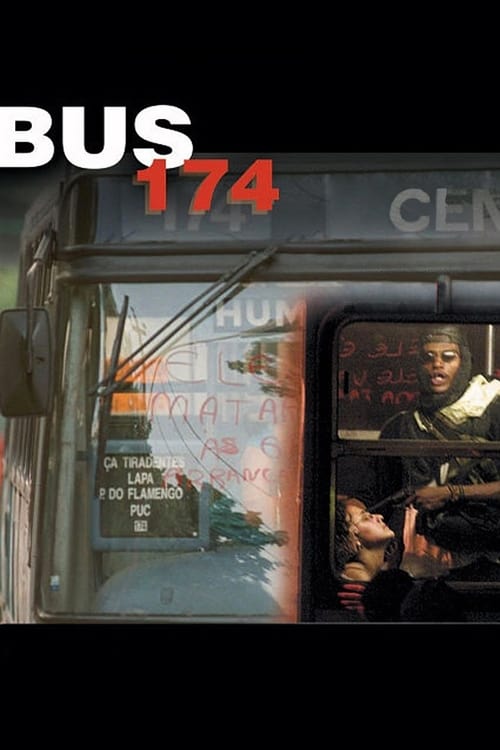
Documentary depicts what happened in Rio de Janeiro on June 12th 2000, when bus 174 was taken by an armed young man, threatening to shoot all the passengers. Transmitted live on all Brazilian TV networks, this shocking and tragic-ending event became one of violence's most shocking portraits, and one of the scariest examples of police incompetence and abuse in recent years.
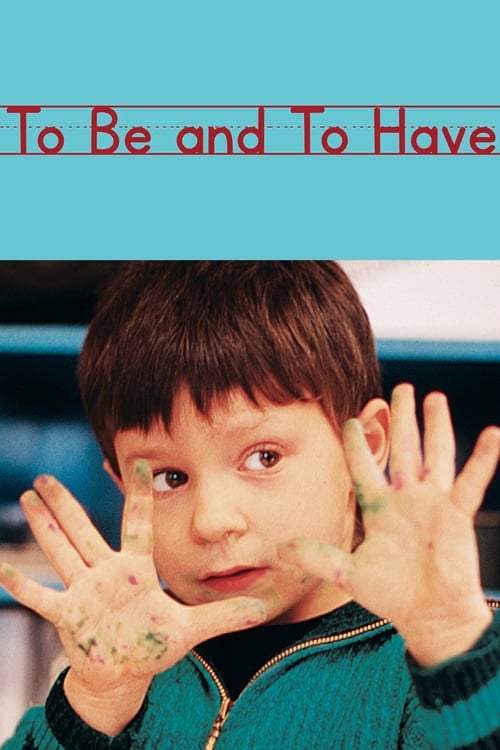
The documentary's title translates as "to be and to have", the two auxiliary verbs in the French language. It is about a primary school in the commune of Saint-Étienne-sur-Usson, Puy-de-Dôme, France, the population of which is just over 200. The school has one small class of mixed ages (from four to twelve years), with a dedicated teacher, Georges Lopez, who shows patience and respect for the children as we follow their story through a single school year.
Six blind Tibetan teenagers climb the Lhakpa-Ri peak of Mount Everest, led by seven-summit blind mountain-climber Erik Weihenmayer.
13-year-old Anderson Cefola documents his month-long grounding in 2018 with an old handheld camera he kept.
Ten years ago, Tetsuya Miyamoto had a dream to change the world through puzzles. In his classroom in Yokohama, KenKen was born. Enter a world where puzzles matter. From Tokyo to New York, from the classroom to the puzzle page to the tournament floor, Miyamoto and the Machine takes you into the brain of the inventor and the players, all while the machines of business and technology crash into artistry and humanity. Miyamoto believes each handcrafted puzzle tells a story, and if you look hard enough between the rows, columns, and cages of KenKen, you can find the story of the sensei who started a global phenomenon.
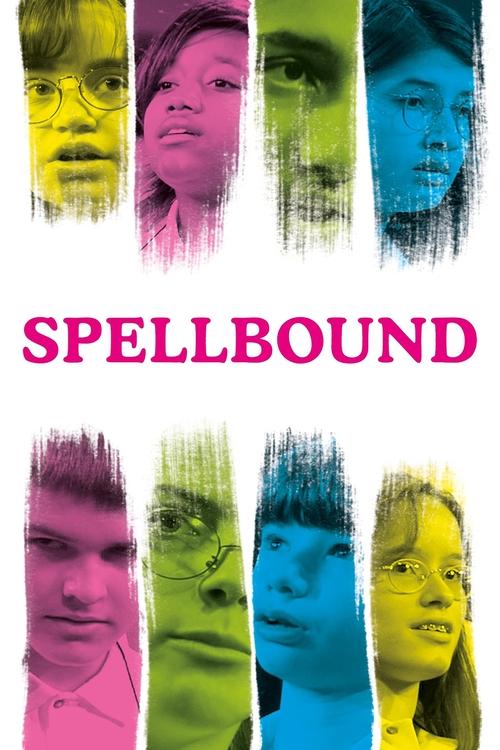
This documentary follows 8 teens and pre-teens as they work their way toward the finals of the Scripps Howard national spelling bee championship in Washington D.C.
World renowned journalist, and award-winning filmmaker Rahiem Shabazz presents the third installment of his docu-series Elementary Genocide: Academic Holocaust. The first two documentaries in the series; The School To Prison Pipeline and Elementary Genocide 2: The Board Of Education vs. The Board of Incarceration received critical acclaim and launched Shabazz as a political pundit and academic ambassador for the African American community. Elementary Genocide: Academic Holocaust adds more statistical proof of the scholastic inequalities faced by Original people around the country. The documentary revisits the importance of education and its impact on self-image, family structure, financial freedom, and the collective future of African/indigenous people in America and abroad.
This one-of-a-kind comedy special showcases the comedian's riotous stand-up performance, exploring everything from the Disability experience to her Italian-Catholic upbringing to body image issues and more.
We met in first grade in Ms. Locklear’s class. During the summer of 2006, we decided to search for our beloved teacher. We chose not to use the internet or the telephone, but instead to rely on face-to-face contact with people. Looking for Ms. Locklear is a documentary chronicling our search, which led us far from home and into the company of a host of characters.
A documentary featuring interviews with teachers and officials on the profession of teaching and what it means to them.