Jörg Fauser
as Jörg Fauser
Benjamin von Stuckrad-Barre
as Benjamin von Stuckrad-Barre
Wiglaf Droste
as Wiglaf Droste
Franz Dobler
as Franz Dobler

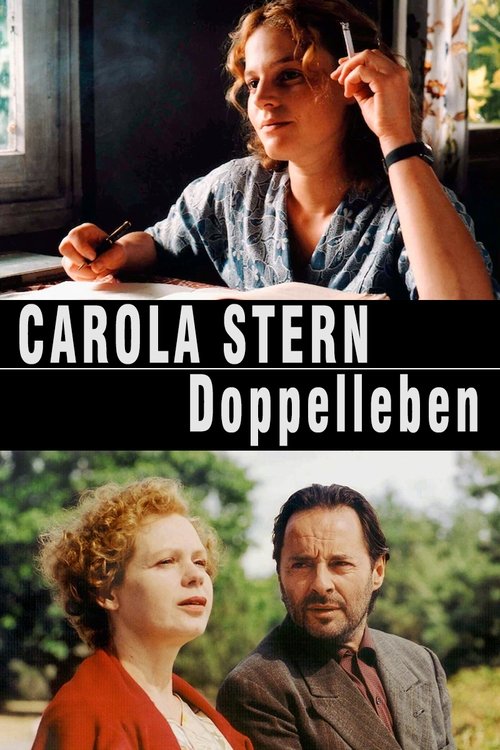
Autobiographical movie about the publicist Carola Stern.
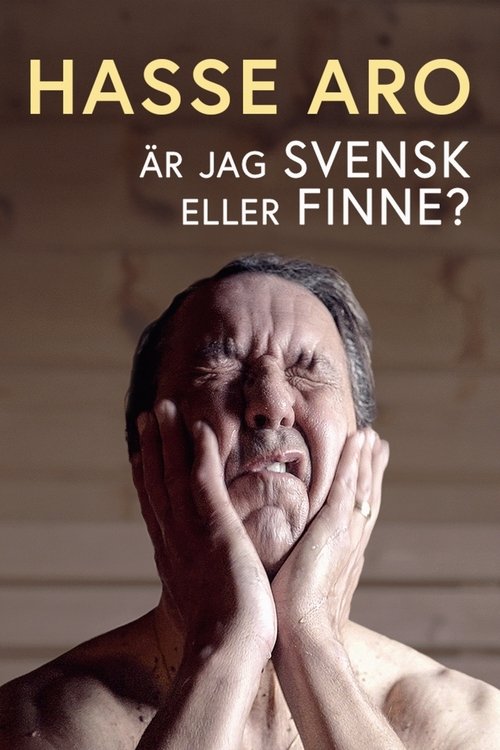
A personal documentary about Hasse Aro, the Finn from Tumba who became a popular journalist and presenter, where Hasse searches for the answer to the question of when it became "into being a Finn". We get to follow Hasse backstage.
Illuminating the challenges often unseen beyond the toys, trees and tinsel, people in a small Irish village reflect on their difficult relationships with Christmas. "So This Is Christmas" is a heartwarming and charming portrait from award-winning director Ken Wardrop, which perfectly exemplies his innate ability to tell the stories of ordinary people, depicting their thoughts, feelings and experiences in an empathetic way. Beautifully rendered in 35mm, the film is authentic and compassionate, and a valuable addition to the Irish documentary canon.
After suffering a stroke during a performance, cabaret artist Rainald Grebe faces up to his illness. A touching documentary about his return to the stage.
Yarokamena, a Uitoto indigenous person, organised an armed resistance to rubber exploitation in the Amazonas. He invokes the spiritual and cosmic forces of war, releasing its destructive power from its container creating a spiral of betrayal and death. Director Andrés Jurado will be present in both screenings.
The Lighting aims to revisit issues of discrimination rooted in technological development and image production. Three professional Togolese photographers explore how to use instruments to compensate for insufficient exposure while shooting dark skin tones. A leading software engineer, developing facial recognition algorithms at Taiwan's MediaTek, talks about how a newly-created camera algorithm is very popular on the African continent.
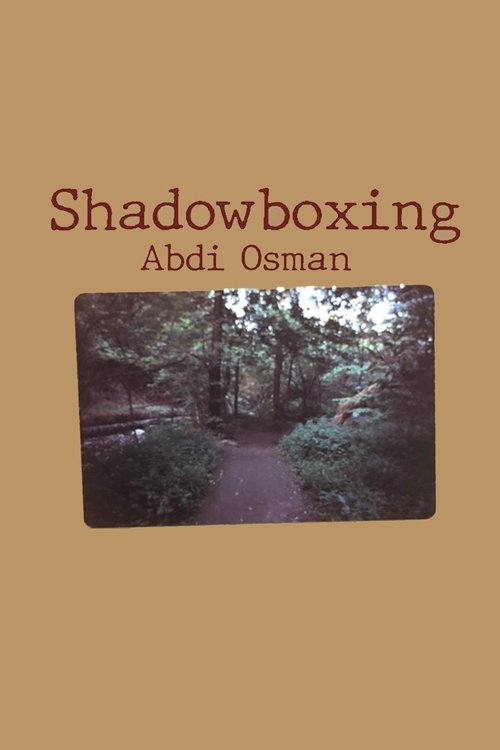
Shadowboxing builds on Abdi Osman’s ongoing research surrounding the gaps between experiences and representations of queer cruising, space-making, and place-making in the city of Toronto. A projection of lush green park environments documented by Osman from sites across the city appears. Osman’s holdings and records of queer, locational fortitude speak to the countless compounded sites around us where bodies have forged connections in time and space in spite of the continued realities of homophobia, racism, and white supremacy that exist in Toronto, and beyond. The projection is augmented by an online audio work that features oral histories about cruising from the perspectives and experiences of Black, queer, and trans community members, as recorded by the artist in the city.
That documentary helps to shape consciousness about sexism and violence against women.
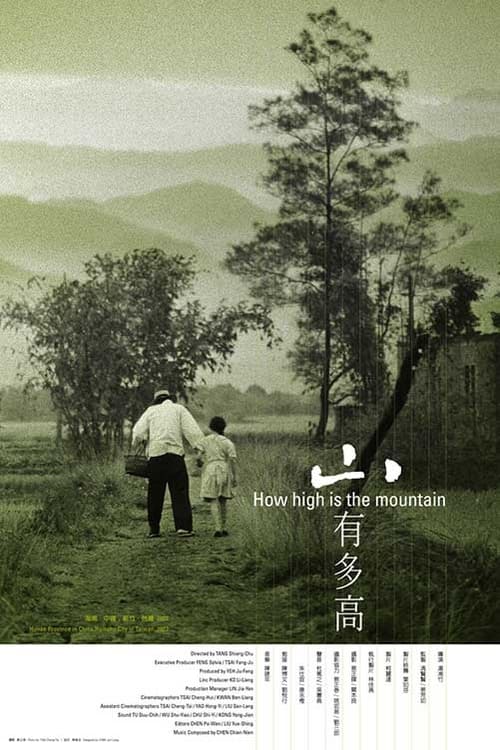
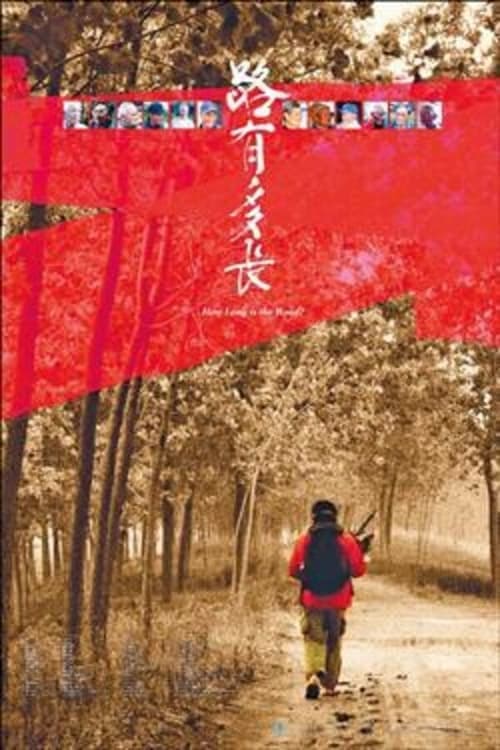
In this documentary, director Tang records his own son's birth and growing up, his father's recovering from a stroke and a nostalgic trip home to China. (In the 1940's his father evacuated with the Nationalist troops to Taiwan after it lost the Mainland to the Communist in the war. It wasn't until 1980's were people allowed to go home to visit in Mainland China). From his search for the earliest memory of life, with a close observation and sensitivity, he exams the parallels of the different lives of a different time. In his previous work, "HOW DEEP IS THE OCEAN," director Tang ends it with the ultrasound image of his unborn child, representing the beginning of a new life. With this work, "HOW HIGH IS THE MOUNTAIN," it is rather a beginning of a series of questions about life and a continuation of examination of his own life and the longing of a perfect world.
Director Tang Shiang-chu first read about the Taiwanese veterans twenty years ago in the Ren-Jian Magazine, realizing that there were other people suffering the same fate as his father which a war took them away from their homes; and it wasn't after the cross-strait opened up forty years later that the remaining soldier were giving a chance to return home.
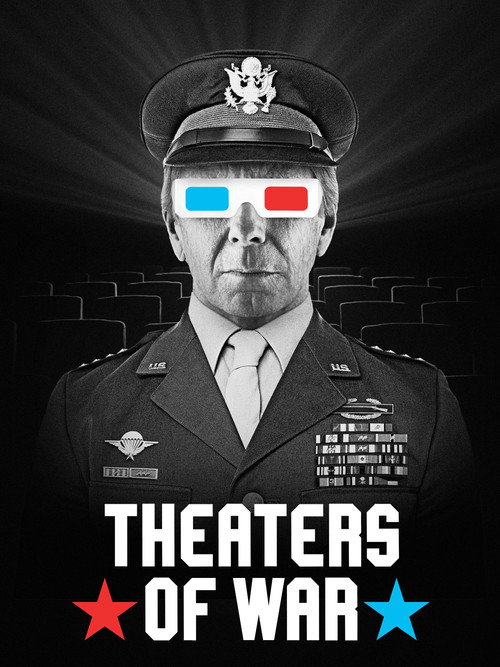
If you’ve seen Top Gun or Transformers, you may have wondered: Does all of that military machinery on screen come with strings attached? Does the military actually get a crack at the script? With the release of a vast new trove of internal government documents, the answers have come into sharp focus: the US military has exercised editorial control over thousands of films and television programs. As these activities gain new public scrutiny, new questions arise: How have they managed to fly under the radar for so long? And where do we go from here?
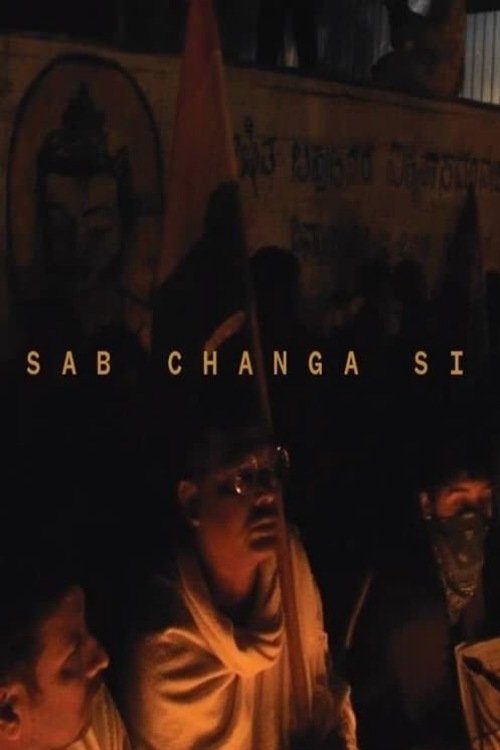
Set in the backdrop of the nationwide 2019–2020 student protests against the Citizenship Amendment Act in India—filmed in the city of Bangalore—Sab changa si is an intimate documentary on friendships, language, love, youth, resistance, and identity of class, caste, religion, and gender. In this film, the political is personal.