The life of the Nobel Prize-winning mathematician and schizophrenic John Nash — the inspiration for the feature film A Beautiful Mind — is a powerful exploration of how genius and madness can become intertwined.
Liev Schreiber
as Narrator (voice)
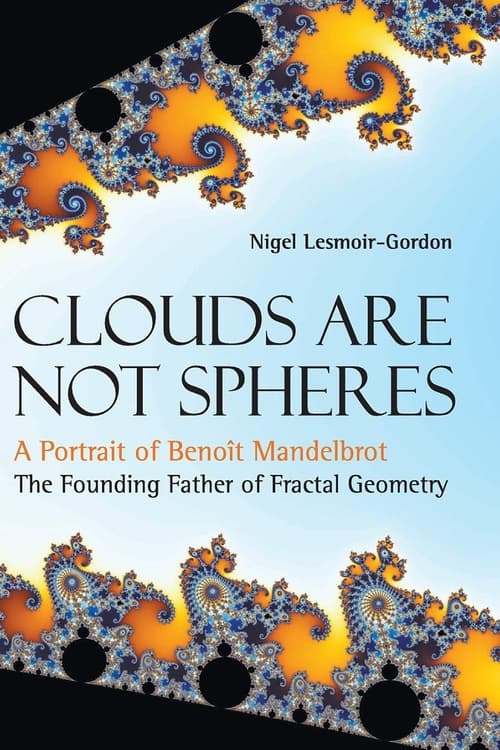
Until recently geometry was 'cold', incapable of describing the irregular shape of a cloud, the slope of a mountain or the beauty of the human body. With fractal geometry, Benoit Mandelbrot gave us a language for our natural world. In this captivating documentary, the man himself explains this groundbreaking discovery.
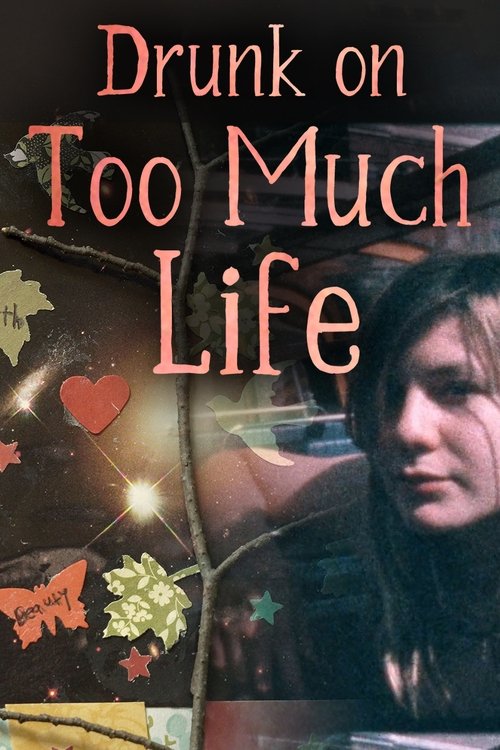
Filmmaker Jonathan Caouette's documentary on growing up with his schizophrenic mother -- a mixture of snapshots, Super-8, answering machine messages, video diaries, early short films, and more -- culled from 19 years of his life.
The filmmakers' 21-year-old daughter journeys from locked-down psych wards and diagnostic labels toward expansive worlds of creativity, connection, and greater meaning. Featuring insights from trauma experts and others, the film challenges the widespread idea that mental illness should be understood purely in biological terms, revealing the myriad ways that madness has meaning beyond brain chemistry.
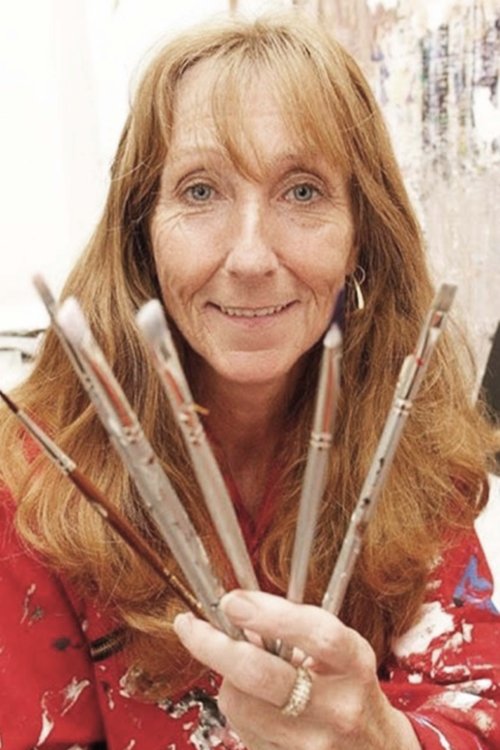
British artist Kim Noble talks about the reality of living with dissociative identity disorder and shows us the artwork created by 14 of her personalities. "I'm Patricia, I don't like being called Kim, but I have got used to it now."
The first part of this documentary deals with the Portuguese neurologist António Egas Moniz, Nobel Prize for Medicine in 1949, one of the first surgeons to apply the technique called lobotomy for the treatment of schizophrenia. The second part deals with the everyday life of people with schizophrenia today: behavior and relationships, and treatment for the disease.
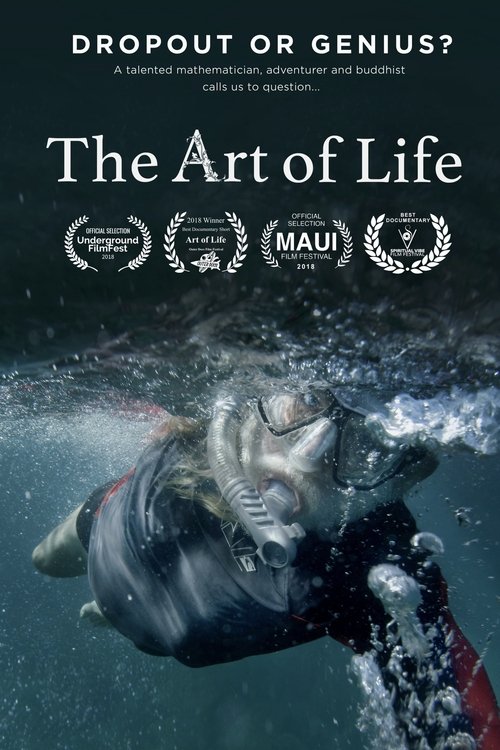
As a rising star in the field of abstract mathematics, Michael discovered that he could see beauty and pattern where others could not. But his path was not to be inside academia, or even inside society. He went on a grand adventure to unify his Buddhism with his ability to see an expanded view of reality. He created beauty in a place where nobody else would, and made his friends amongst dolphins.
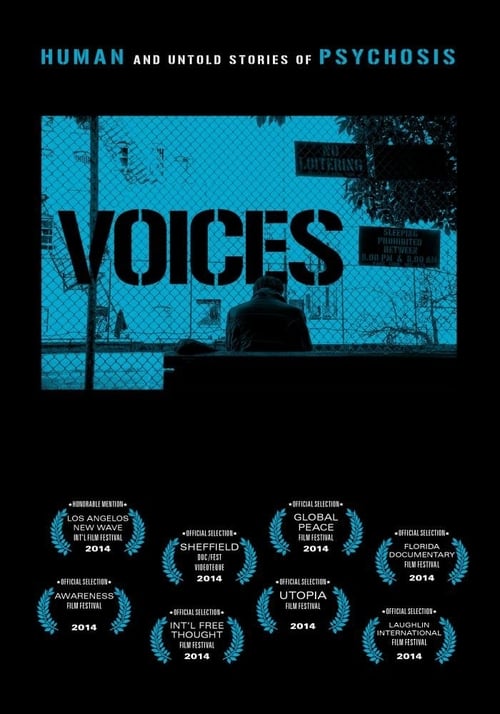
Voices is an award-winning documentary that features the stark and intimate portraits of three very different individuals and their struggle with severe mental illness in America. The stories of Sharon, Thomas and Aaron illuminate the challenges, realities, and often complex emotions and choices that surround people with psychotic mental illness and those who love them.
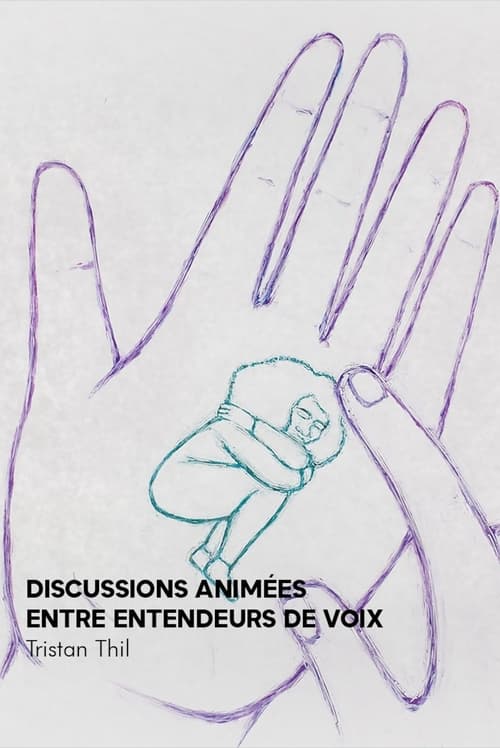
A group of people with schizophrenia meet to discuss their daily lives with the voices in their heads.
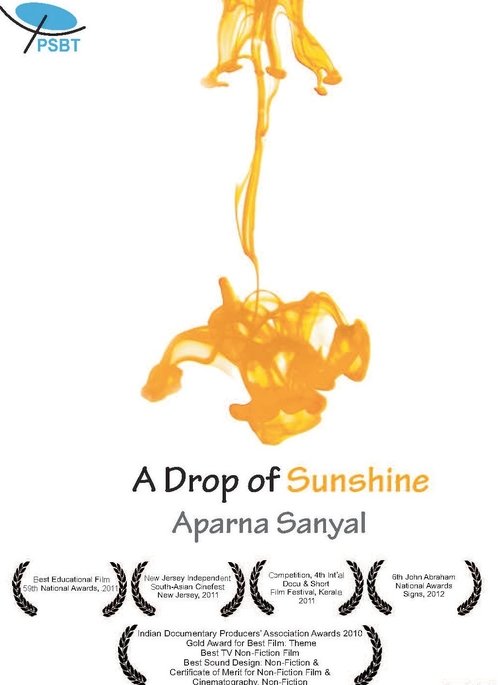
Schizophrenia. It may be one word, but it immediately conjures up multiple connotations. Mad. Incurable. Violent. Suicidal. Chemical imbalances. Crazy. A lifelong condition. Inevitable dependency on Medicines. Dark. Terrible. 'A Drop of Sunshine' challenges these notions. It questions the mainstream view of the condition and seeks alternate ways of recovering from it. Through the powerful story of its young and gutsy protagonist, Reshma Valiappan, it seeks to give viewers a new vocabulary to address the stigmatized mental illness. The film proposes that the only treatment method that can work in Schizophrenia is one where the so-called 'patient' is encouraged and empowered to become an equal partner in the process of healing.
Narrated by Oscar-winning actor Jeremy Irons, The Genius of George Boole assembles academics and industry leaders from across the globe to explore the life and importance of one of the world’s greatest unsung heroes.
A homeless man with schizophrenia slowly embraces antipsychotic medication under Hawaii's only willing psychiatrist and a court mandate, while a man in recovery offers rare insight into mental illness as he fights to reclaim stability.
In April 1969 Ilya (Eliyahu) Rips, then a young student of mathematics, tried to burn himself in a public square in Riga, Latvia protesting against the Soviet invasion of Czechoslovakia. He was stopped and eventually sent to a psychiatric hospital for two years. Thanks to international pressure from the mathematical community in 1972 he was allowed to emigrate to Israel. Now he is considered one of the most brilliant mathematicians in the world. At the same time, for most people familiar with his name, Rips is first of all associated with the development of the so called Bible Code – a mathematical program allegedly helping to decipher hidden messages encoded in Torah – the Five Books of Moses. He is attacked by both the scientific and religious community, yet his research continues.