Hidden deep in our guts, billion bacteria keep us healthy. Although invisible to the naked eye, they could revolutionise the future of medicine. This might happen, if they don't disappear because of our modern lifestyle.
Sylvie Gilman
as Narratrice
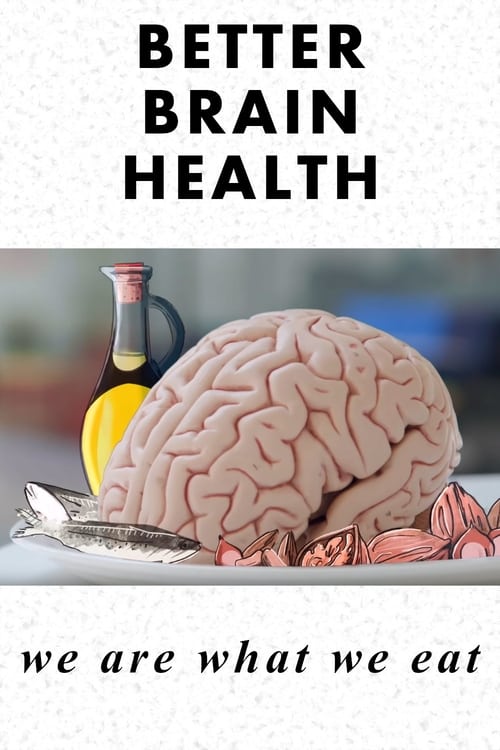
Documentary about the connection between diet and the brain.
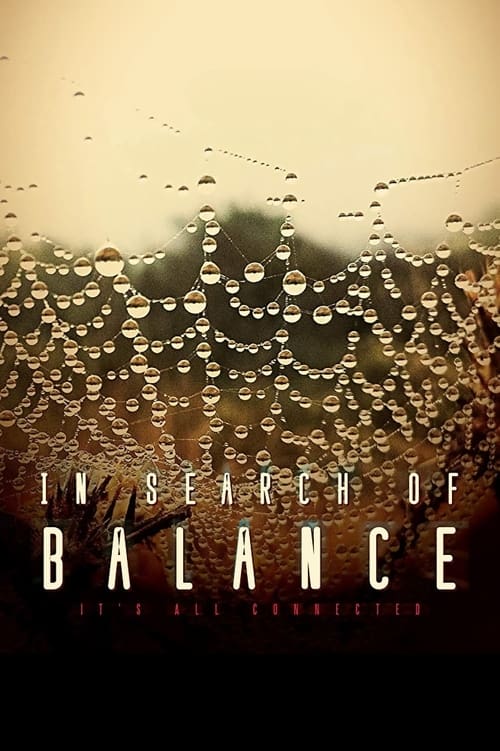
An exploration of a new paradigm of health, science, and medicine, based on the interconnections between us and nature.
While the debate continues about GMOs, Roundup and other toxic pesticides, this powerful film shares remarkable stories of people who regain their health after discovering the secret ingredients in their food and making a bold commitment to avoid them.
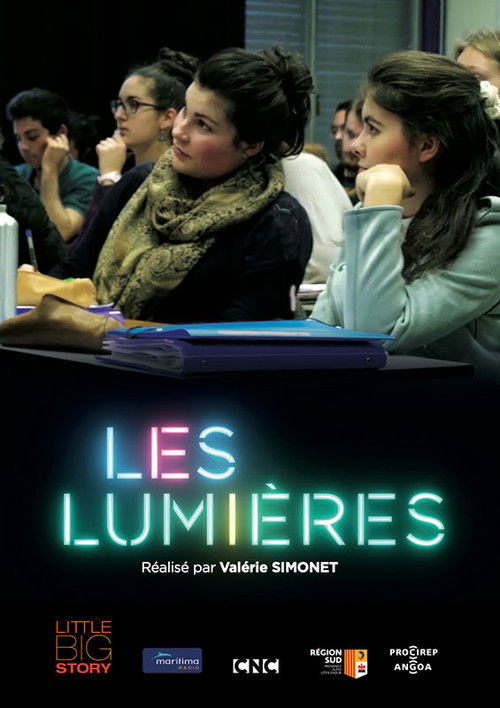
How can we rethink our ways of learning and transmitting knowledge? This film answers this question through the creation of a unique bachelor’s program: the Arts and Sciences Bachelor. The origin of this bachelor lies in the uprising against the 2009 reform of the university. During three years, students explore knowledge through the intertwining of different subjects. Indeed, they discover every aspect of color in sociology, chemistry, and literature. By following four students from their first to their third year, the film explains to the spectator how this bachelor program works. Les Lumières offers a reflection on transdisciplinarity.
A documentation and celebration of 13 years of the Horror-on-Sea film festival in Southend-on-Sea, Essex, U.K.
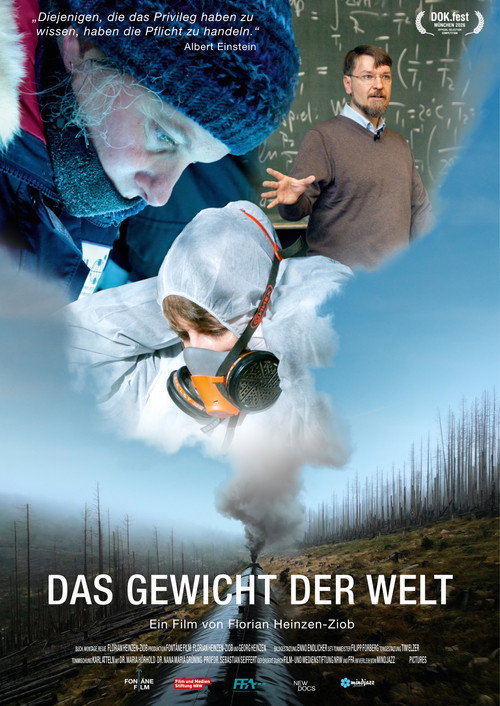
Models, calculations, samples: the facts about climate change are on the table, but politicians refuse to acknowledge them. Faced with this dilemma, three scientists decide to leave the laboratory and become activists. Maria, Sebastian, and Nana use their knowledge to maintain integrity between emotion and reason.
French documentary that explores how the third generation deals with the memory of the Holocaust. It follows grandchildren of survivors—Camille, Frankie, Théo, and Mathis—as they inherit family secrets and the responsibility of bearing witness to this trauma
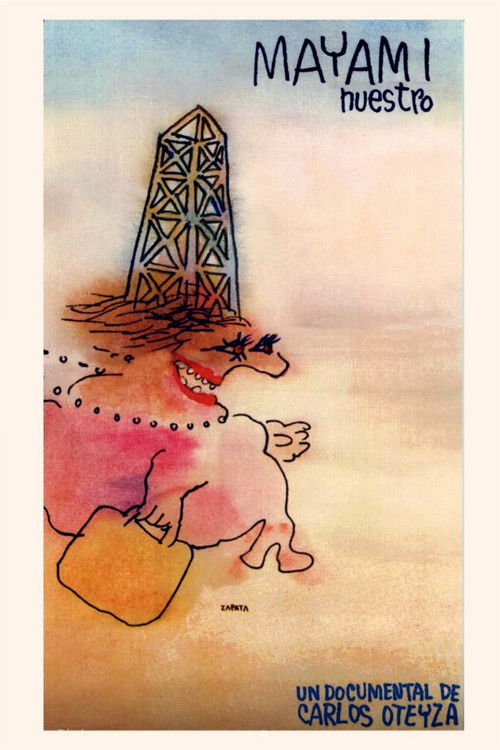
Mayami Nuestro goes beyond the slogan "tá barato, dame dos" (“it’s cheap, give me two”) to force a rethinking of Venezuela’s relationship with oil and national identity. Produced at the height of the oil boom, this 34-minute documentary examines Venezuelan lifestyles in the 1970s and early 1980s, questioning the consumerist fantasies fueled by petro-wealth. Through interviews with merchants, bankers, U.S. academics, and the testimonies of Venezuelans themselves, the film maps the era’s version of the “American Dream” as lived—and projected—abroad. Winner of national and international awards and directed by Carlos Oteyza, Mayami nuestro offers a sharp, historically grounded critique and an open invitation for new generations to reflect on the legacy of oil and its cultural consequences.
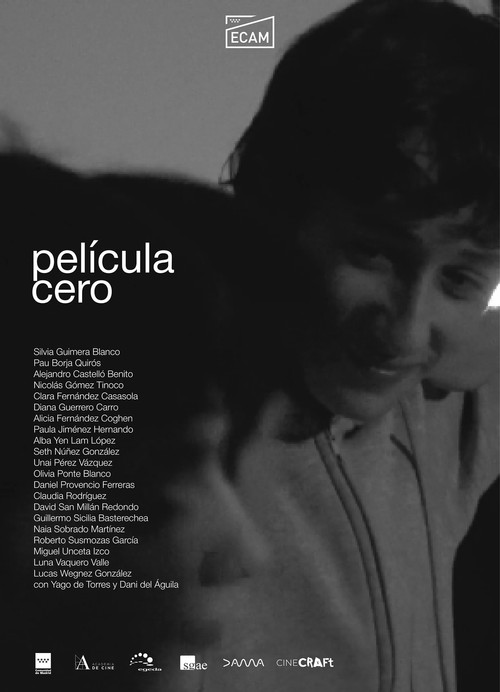
Before leaving adolescence behind, a group of students split into fictional characters to film their transition into adulthood. Between cameras, confidences, and a shared journey to the mountains, the film captures the tremor of an ending and the glimpse of another beginning.
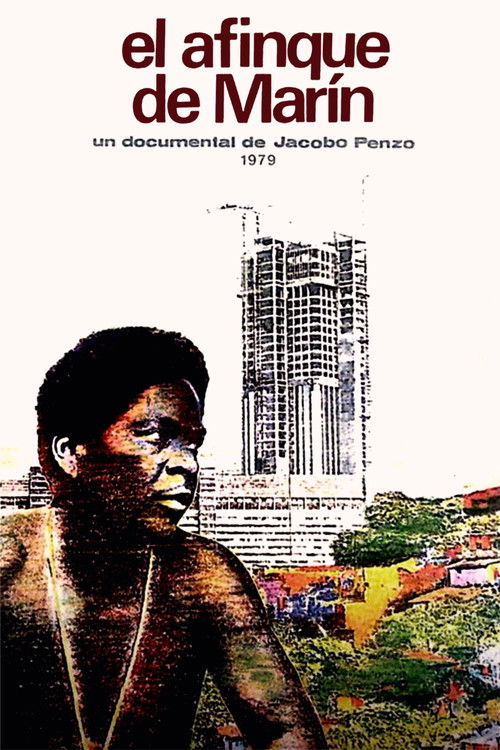
El afinque de Marín (1979) is an iconic Venezuelan documentary directed by Jacobo Penzo that explores the life, culture, and popular music of the Caracas neighborhood of Marín. Far from being merely a film about music, it delves into the social roots and collective identity of the barrio, using rhythm and everyday life as a lens to reveal the bonds, struggles, and shared histories of its inhabitants. Through its intimate portrayal of people, sounds, and spaces, the film becomes a vivid testament to popular culture as a living expression of community and belonging.
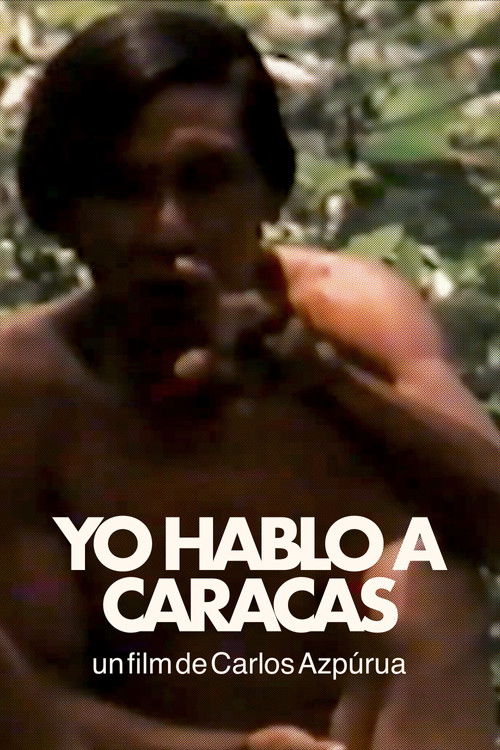
Yo hablo a Caracas (1978), the first documentary by Carlos Azpúrua, is marked by the luminous presence of the Yekuana shaman Barné Yavarí. This elder from the Amazonian forest articulates two powerful and prophetic warnings: first, a demand for respect toward the sovereignty of Indigenous beliefs and culture; second, a grave denunciation of the threat posed by “criollo” presence and its economically irrational logic to the natural balance of the Amazon. Through Yavarí’s voice, the film contrasts modern exploitation with a millennia-old Indigenous worldview grounded in harmony with nature, turning the documentary into an early and resonant plea for cultural dignity and ecological consciousness.