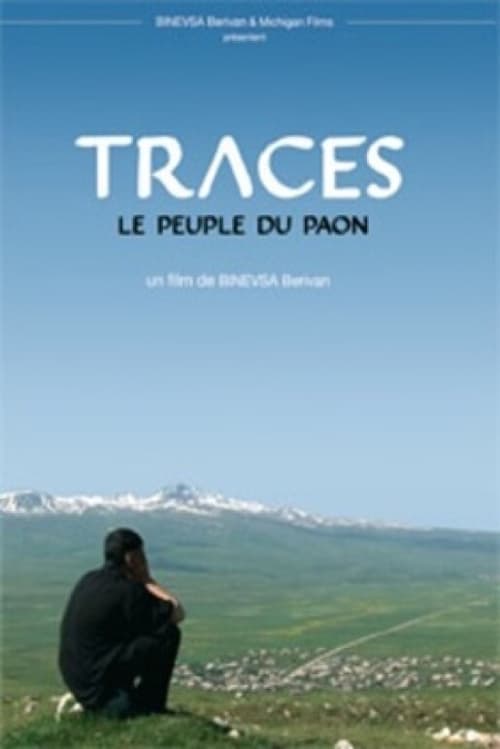
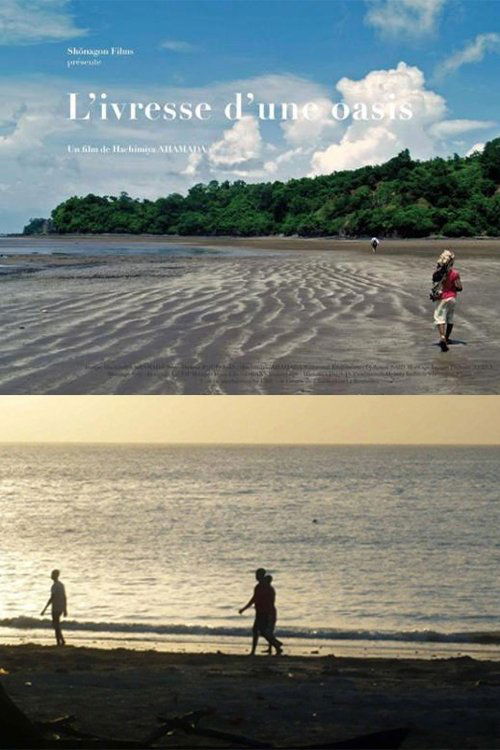
Only women, children and old people live in this Armenian village, while the men work in Russia. A life with a rhythm of its own, an independent daily life marked nonetheless by exile.
The inspiring story of a young Indian Muslim woman who trades her burka for dreams of playing on the Mumbai Senior Women's Cricket Team and how the harsh realities for women in her country creates an unexpected outcome for her own family, ultimately shattering and fueling aspirations.
The Moscow Case is a 52 minute documentary with never-before-seen footage of Michael Jackson in Moscow during the "Dangerous" tour. This film tells the behind the scenes story of Jackson's ill fated concert in September 1993. It includes unique archival footage showing Michael close up and personal while meeting fans and playing with orphan children.
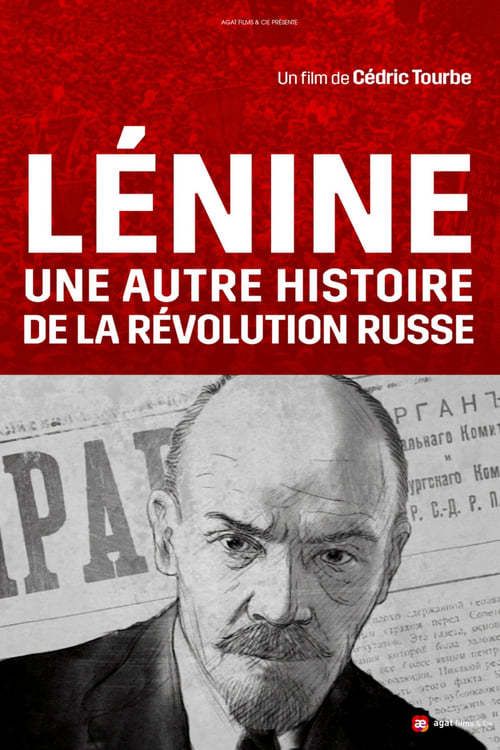
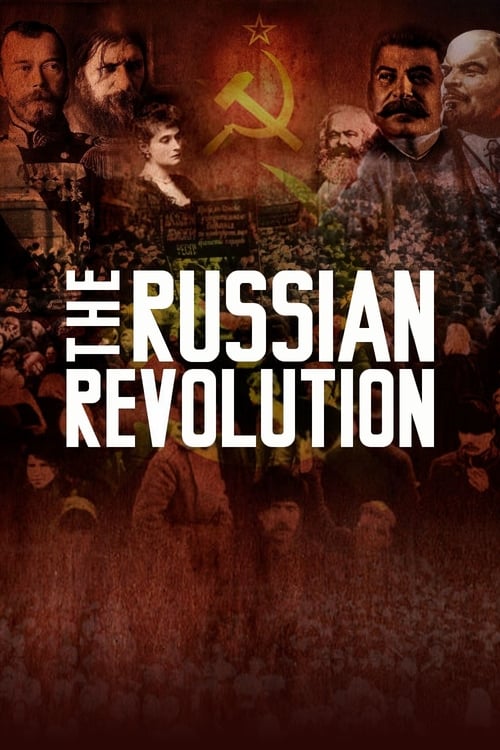
Starting in 1881 this film shows the personal battle between Lenin's Ulyanov family and the royal Romanovs that eventually led to the Russian revolution.
Traces the new Cold War between Russia and the West from the ban on American citizens adopting Russian children to the Kremlin’s anti-LGBTQ campaign, which positions the international marriage equality movement as a national threat.
After 20 years of living in Berlin, the director Olga Delane goes back to her roots in a small Siberian village, where she is confronted with traditional views of relationships, life and love. The man is the master in the home; the woman’s task is to beget children and take care of the household (and everything else, too). Siberian Love provides unrivaled insights into the (love) life of a Siberian village and seeks the truth around the universal value of traditional relationships.
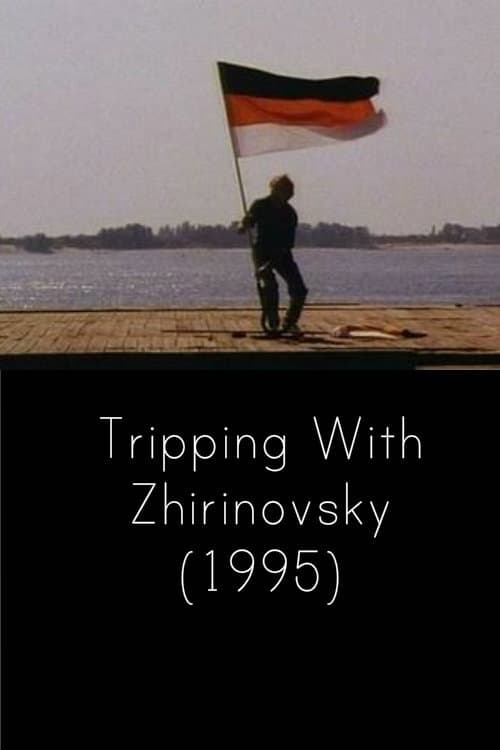
A candid, fly-on-the-wall BBC television documentary portrait of Russian Nationalist politician, Vladimir Zhirinovsky. The film shows the leader on a cruise surrounded by two hundred supporters getting plenty of media attention in New York. We are left with the nagging question: to what extent is Zhirinovsky really dangerous? To take that further, to what extent are populist politicians truly dangerous?
In Northern Russia, a few dozen people still live in their traditional houses surrounded by water, stone, and sand. Cut off from vital infrastructure, almost forgotten by regional governance, these people have to cope with their everyday struggles.
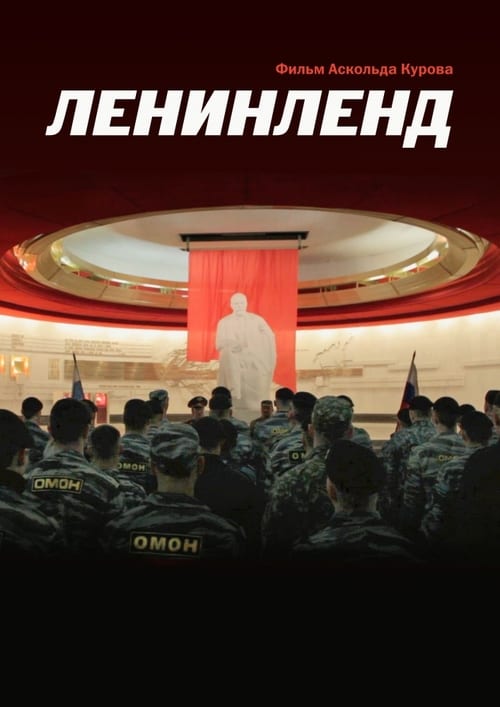
At the peak of Perestroika, in 1987, in the village of Gorki, where Lenin spent his last years, after a long construction, the last and most grandiose museum of the Leader was opened. Soon after the opening, the ideology changed, and the flow of pilgrims gradually dried up. Despite this, the museum still works and the management is looking for ways to attract visitors. Faithful to the Lenin keepers of the museum as they can resist the onset of commercialization. The film tells about the modern life of this amazing museum-reserve and its employees.
We encounter the controversial Croatian film director Lordan Zafranovic in voluntary exile in Prague. The film follows his rise from a talented outsider to the celebrated Yugoslav director of the acclaimed war film, 'An Occupation in 26 Pictures'. His life story is an unconventional depiction of a rise and fall that reveals compromises made in order to survive artistically during communism, as well as the missed opportunities and miscalculations that led to his inability to adapt in later years. Is the charismatic Zafranovic a national traitor or a victim of historical circumstances in which the only thing he wanted to do, in his own words, was to be himself and make films?
This film was broadcast on La Sept in October 1990 as a part of Hélène Mochiri's Cinéma de poche program devoted to Soviet cinema. The documentary was produced in-house at La Sept and based on an exclusive interview with Alexei Guerman in May of that year. It has not been seen since.
The lifestyle, self-styling and political opinions of Chechen dictator Ramsan Kadyrov are examined in this documentary.
Margarita Mamun, an elite Russian rhythmic gymnast, is struggling to become an Olympic champion. It is the most important year of her career and her last chance to achieve the ultimate goal, the gold Olympic medal. The film creates a captivating portrait of a young woman who is desperately trying to handle her own ambitions and meet the expectations of the official Russian training system.
A group of young girls and married women express their views of marriage and motherhood while glossy advertisements extolling romance, weddings, and babies flash across the screen in contrast to their words. Could the solution to dashed expectations be as simple as growing up before marriage? Part of the Challenge for Change program.
An elaborate ceremony marks the opening of the first Armenian church in England.
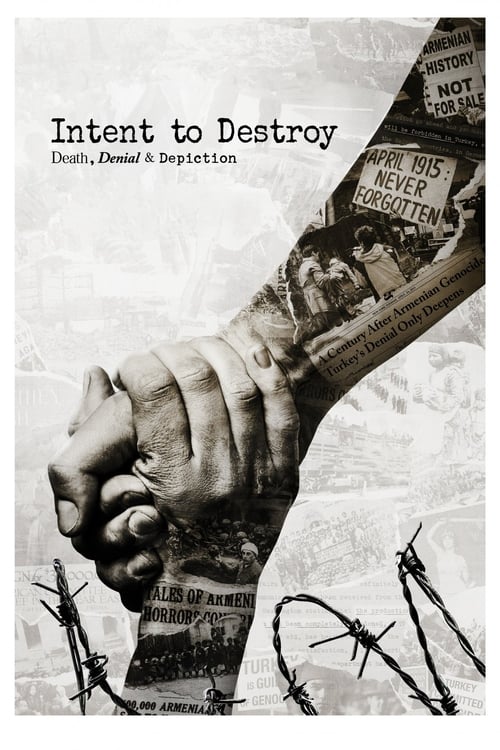
More than one million Armenians perished between 1915 and 1916 in massacres or brutal deportation programs. Turkey still denies it ever happened. Laurence Jourdan examines massacres of Armenians in the decades leading up to the mass murder, and the geopolitical situation both before and after the genocide. Contemporaneous reports and documents written by Western diplomats stationed in the Ottoman Empire describe the methods used and the deportation routes. These accounts are mixed with personal stories from the living survivors and archive footage from Ottoman authorities.
Women workers stand up to the toxic flower industry in Colombia.