Maria de La Salete Libório
as Herself / Bárbara
This documentary takes a game-by-game deep dive into the history and evolution of a genre that has grown from the simple wireframe graphics of Maze War and Spasim to become a staple of popular culture that is enjoyed by millions of gamers worldwide. Explore the creation and legacy of the most popular and significant FPS titles from the last 48 years, including favorites such as Wolfenstein 3D, Doom, Quake, GoldenEye, Half-Life, Unreal Tournament, Deus Ex, Halo… and many more.
A group of young people begin an investigative documentary about a series of disappearances in the Curitiba region. Reports point to the involvement of a supposed "slender man," and the mystery deepens when, upon leaving the city, they find themselves lost and isolated in a region called Serra Madrugada. Intrigue, accusations, and fights are just the first obstacles faced by the group on the most terrifying night of their lives. They are not alone.
Your pregnant wife Linda has been captured by a ruthless scientist, who created a devastating virus. To rescue her, you have to fight through the old rotten experimental clinic, armed to the teeth, one level after another right through the dark, decayed guts of this evil complex. unfortunately you don't have much time, at dawn, the whole area will be eradicated.
Wreck-It Ralph is the 9-foot-tall, 643-pound villain of an arcade video game named Fix-It Felix Jr., in which the game's titular hero fixes buildings that Ralph destroys. Wanting to prove he can be a good guy and not just a villain, Ralph escapes his game and lands in Hero's Duty, a first-person shooter where he helps the game's hero battle against alien invaders. He later enters Sugar Rush, a kart racing game set on tracks made of candies, cookies and other sweets. There, Ralph meets Vanellope von Schweetz who has learned that her game is faced with a dire threat that could affect the entire arcade, and one that Ralph may have inadvertently started.
In the slums of the future, VR junkies satisfy their violent impulses in online entertainment. An expert player discovers that the line between games and reality is starting to fade away. A glimpse into a future where First Person Shooters have become a new drug for those disillusioned with society. The films examines the consequences of this on the global society.
For over a century ‘Carol of the Bells’ has been heard across the globe, but few know this song as ‘Shchedryk’, nor its Ukrainian origins. Own Voice delves into this history, and in so doing provokes a discussion about heritage and a changing world.
A man with broken tooth struggles to put his fake tooth on.
This program has been designed specifically to help people with no previous knowledge of Jesus to have a better understanding of who He is.
A struggling commercial actor camps for a month, occupying himself with historical research, following the timeline/locations of Joseph Smith’s life. But as financial troubles seem to weigh heavily on him (and his Domino’s Pizza commercial has still not aired yet), a dramatic detour is taken in order to get his life (and the film) back on track.
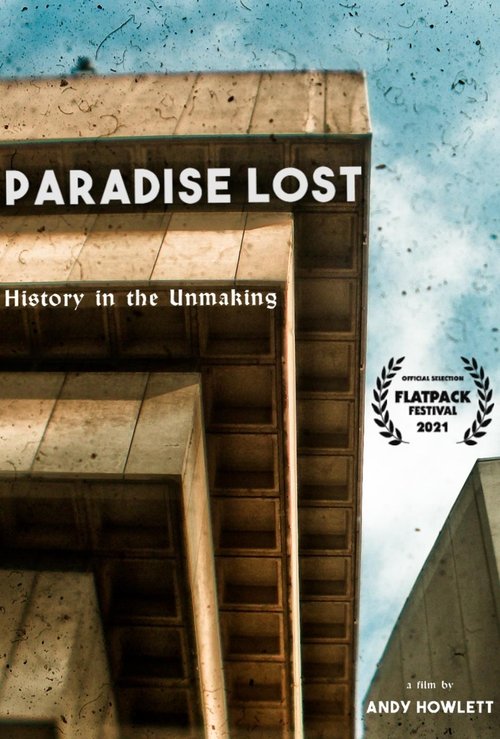
When filmmaker Andy Howlett set out with his camera to document the final days of Birmingham's Brutalist Central Library complex, little did he know the rabbit hole he was stumbling into. Decried by the Council as an eyesore, but hailed by Historic England as an exemplar of postwar design, the story of John Madin's concrete colossus and the fight to save it is a curious one. In this psychogeographic detective story, Howlett weaves together archive footage with on-the-ground explorations in an attempt to figure out why we lost Paradise and how it might be regained.
In May, four red hairballs play in front of the burrow. What fate does the mountain have in store for these young foxes? Will they survive the multiple dangers that threaten them? And above all, who is this animal with hyper-sharp senses that seems to adapt to all situations? Let's leave the path of men and their prejudices to follow the discreet trail of the fox in the heart of the Alps.
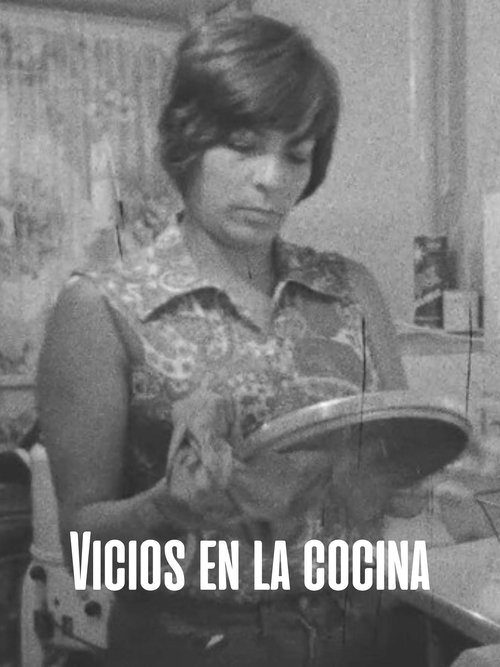
Beatriz Mira, a Brazilian filmmaker living in Mexico, films the housework carried out by women at the end of a decade marked by numerous political and social movements, including feminist groups that disputed the fact that women had been banished from the public sphere, and thus confined to the household. In their fights and debates, they wielded the motto ‘what’s personal is political’.
The film describes in a simple way the division between girls and boys through education by assigning them different behaviors based on their sex difference.