Journalist Dermi Azevedo has never stopped fighting for human rights and now, three decades after the end of the military dictatorship in Brazil, he's witnessing the return of those same practices.
Dermi Azevedo
as Entrevistado
The biography of former Beatle, John Lennon—narrated by Lennon himself—with extensive material from Yoko Ono's personal collection, previously unseen footage from Lennon's private archives, and interviews with David Bowie, his first wife Cynthia, second wife Yoko Ono and sons Julian and Sean.
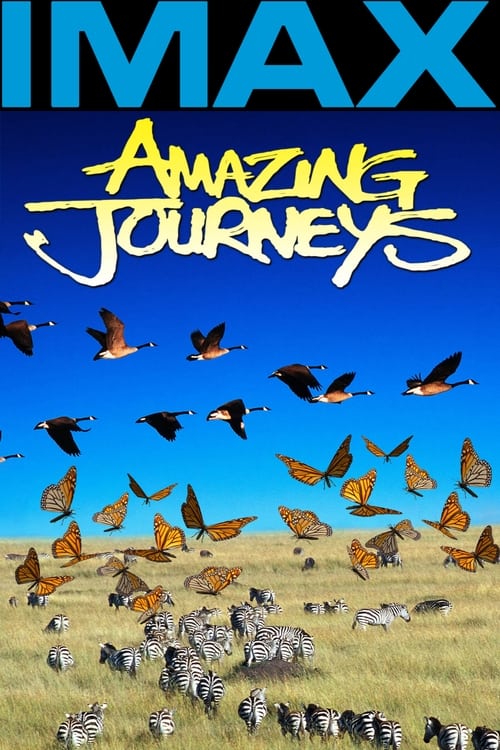
By land, by air, and by sea, viewers can now experience the struggle that millions of creatures endure in the name of migration as wildlife photographers show just how deeply survival instincts have become ingrained into to the animals of planet Earth. From the monarch butterflies that swarm the highlands of Mexico to the birds who navigate by the stars and the millions of red crabs who make the perilous land journey across Christmas Island, this release offers a look at animal instinct in it's purest form.
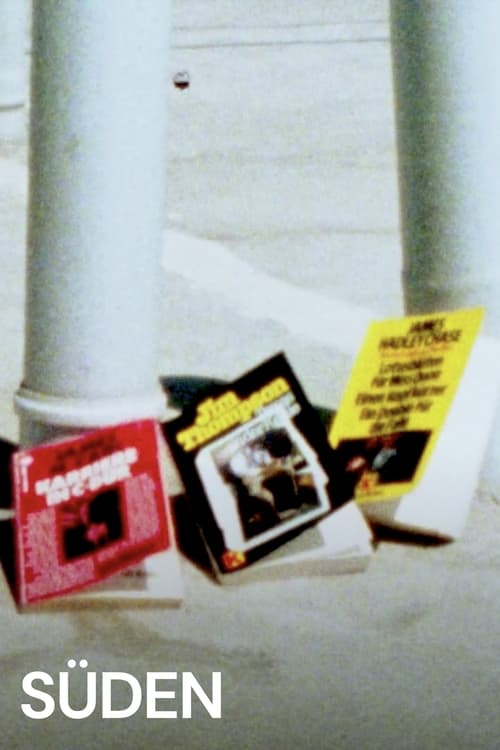
The social democrats of the sixties and seventies worked on their grand plan to build a highway network in Germany that every German citizen could reach within five minutes of their home. The little film hangs around between and on the streets of this network - where the country discos, pedestrian zones, shopping centers, hospitals and roads home are behind noise barriers.
A lonesome car. The wind is whistling. A door of an undefined building opens—is it a holiday bungalow, a shed or a ruin? A woman is standing at the window. The heat of an idle day of holiday, perhaps. The South, a place of longing.
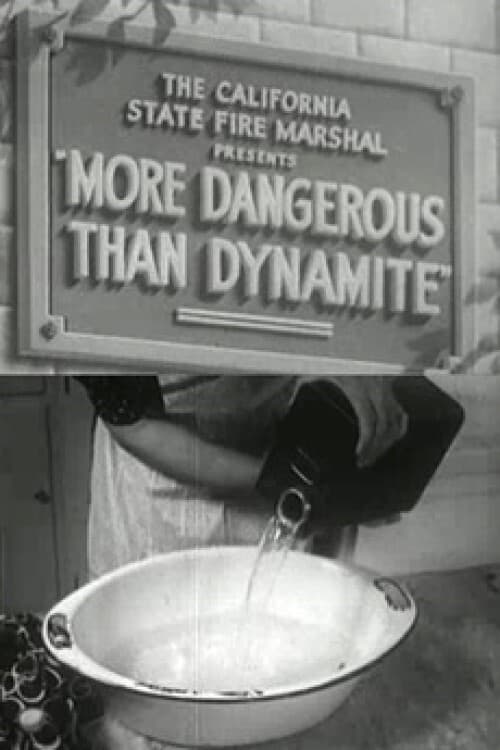
A short film warning the unaware housewife of the dangers of “dry cleaning” with gasoline at home.
This excerpt from A Pale Blue Dot was inspired by an image taken, at Carl Sagan's suggestion, by Voyager 1 on February 14, 1990.
A lawyer, reporter, and inventor team up to address one of the world’s largest pollutants that goes under the radar: plastic in clothing.
Nikki is no professional athlete. Still, she swims the English channel to raise money for a good cause.
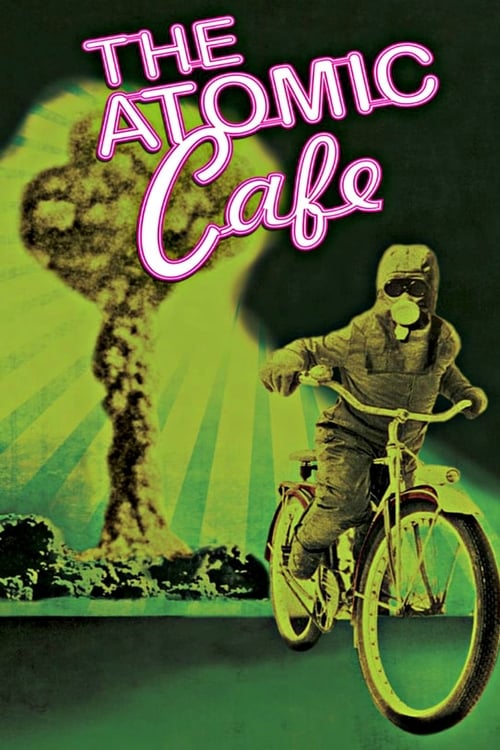
A disturbing collection of 1940s and 1950s United States government-issued propaganda films designed to reassure Americans that the atomic bomb was not a threat to their safety.
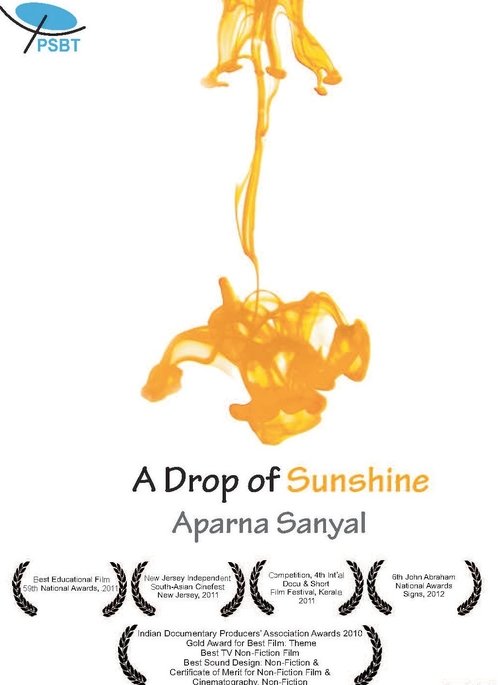
Schizophrenia. It may be one word, but it immediately conjures up multiple connotations. Mad. Incurable. Violent. Suicidal. Chemical imbalances. Crazy. A lifelong condition. Inevitable dependency on Medicines. Dark. Terrible. 'A Drop of Sunshine' challenges these notions. It questions the mainstream view of the condition and seeks alternate ways of recovering from it. Through the powerful story of its young and gutsy protagonist, Reshma Valiappan, it seeks to give viewers a new vocabulary to address the stigmatized mental illness. The film proposes that the only treatment method that can work in Schizophrenia is one where the so-called 'patient' is encouraged and empowered to become an equal partner in the process of healing.
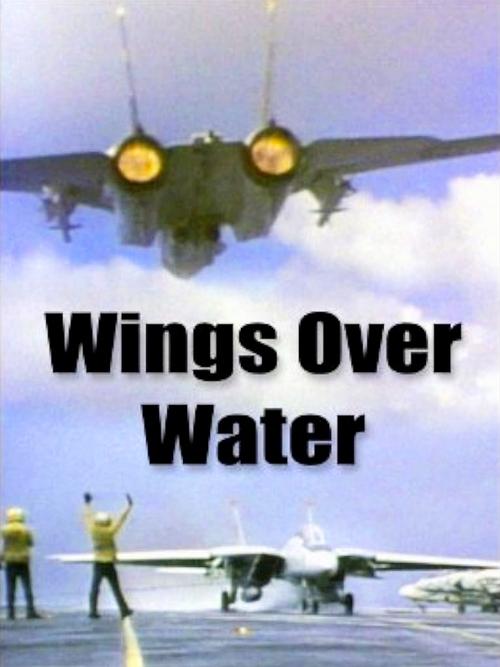
Wings Over Water tells the fascinating story of naval aviation's critical role in making the U.S. a world power. Film highlights include archival footage of some of the most terrifying and intense airspace battles fought and the intriguing interviews of the veterans who took part in them. This is the story of naval aviation from its conception to the important role it played in battles fought, won, and lost, all the while examining American foreign policy, foreign relations, and long-simmering international conflict. An evocative, powerful, and informative documentary, Wings Over Water is the story behind the story: how and why America developed maritime aviation technology, what it meant to our past, and what it means to our future.
A documentary film that includes footage of past Olympics held in different countries with an particular emphasis on the activities and successes of Japanese athletes and how they are currently (circa 1963) improving themselves.
Washed up adult film star Buster Coffey attempts to get his career back.
Vassar College's Department of Child Study produced this training film for nursery school staff, one of a series on "Preschool Incidents." Unstaged playground scenes of two to five-year-olds in conflict are shown, then repeated for further analysis and discussion. We learn how to "size-up situations," differentiating between "playful attacks" the kids can adequately handle themselves and truly aggressive behavior (as when "a child has gone on a rampage") that requires immediate adult intervention.