A three-part historical film: the first episode takes place in ancient Egypt, the second is based on the Hugo novel La Fin de Satan, and the third takes place during the 1917 Russian revolution. Lost film, minor fragments survive
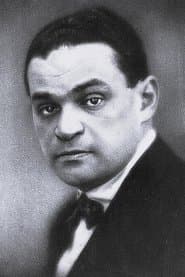
Fritz Kortner
as Pharao Amenhotep
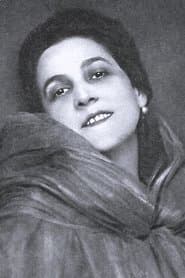
Else Berna
as Lucrezia Borgia
Martin Wolfgang
as Hans Conrad
Sadjah Gezza
as Nouri
Kurt Ehrle
as Gennaro
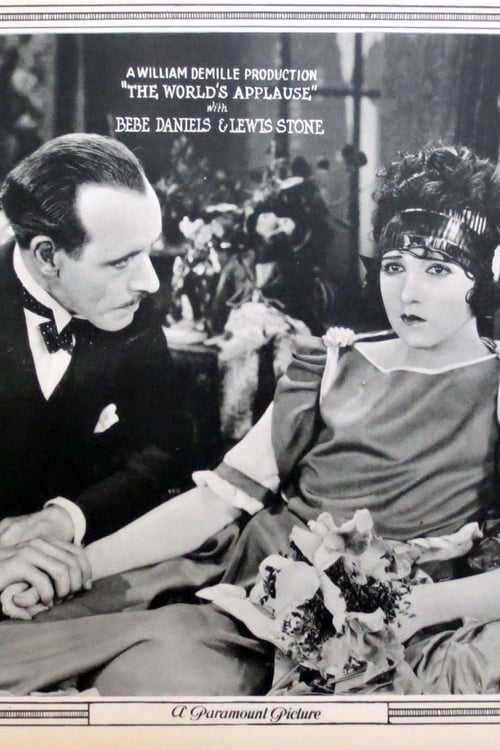
Corinne d'Alys (Daniels) achieves sudden success on the stage and among her many admirers is noted artist Robert Townsend (Menjou). Robert is married to Elsa (Williams), the sister of John Elliott (Stone), the producer responsible for Corinne's rise to fame. The young woman's head is turned by the praise she receives and, despite John's warning against Robert, she permits the latter to paint her portrait and pay her a good deal of attention. John himself loves Corinne and believes that wisdom will come to her with time.
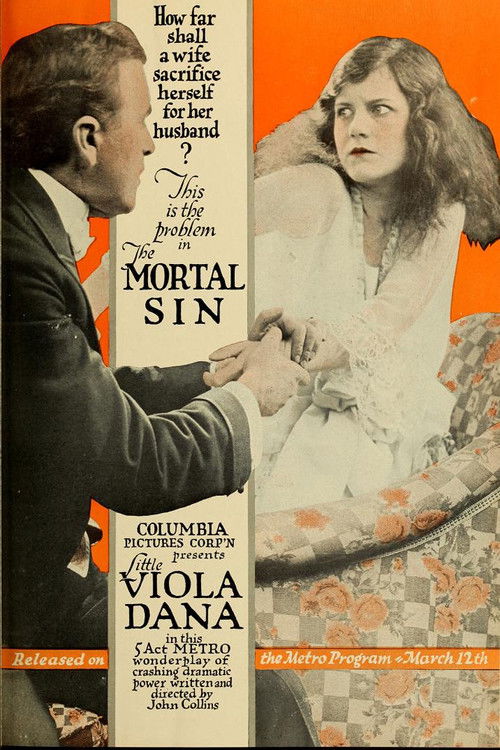
George Anderson, a struggling author, works in the daytime as a clerk in the office of Emmet Standish, the publisher, and at night writes on his novel, "The Mortal Sin."
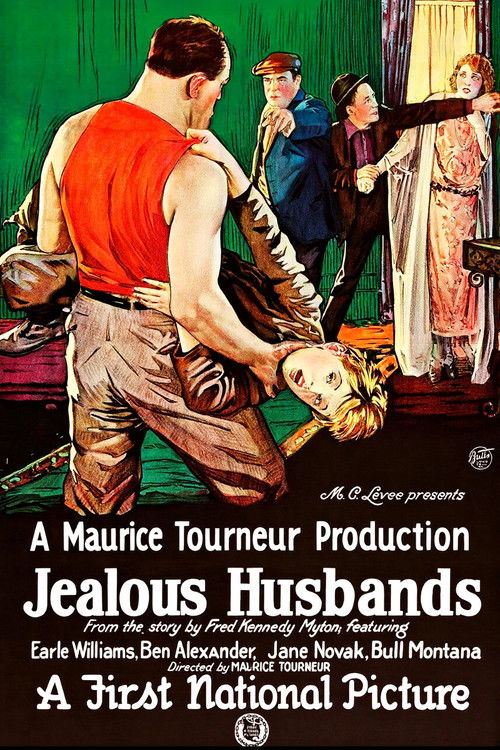
When a man's wife is accused of adultery, her insanely jealous husband gives her young son away to a traveling band of gypsies. Years later, when the son grows up, he sets out to prove that his mother wasn't guilty of adultery but was actually trying to help her sister-in-law escape the clutches of a blackmailer.
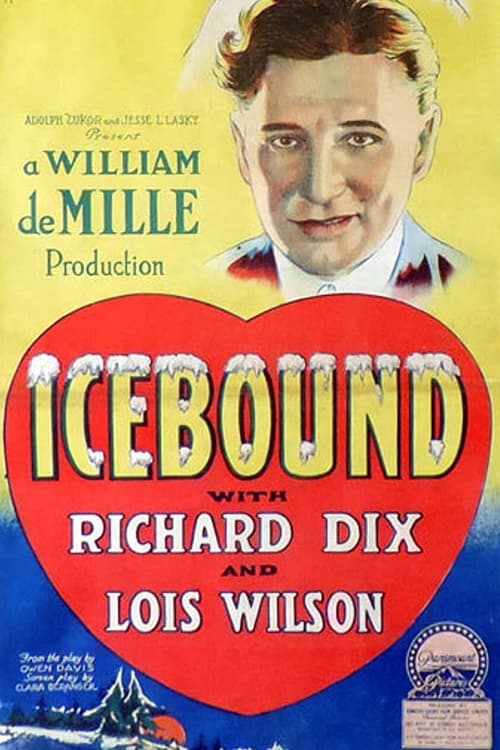
Ben Jordan runs away after accidentally setting fire to a barn in his small New England community. He returns when his mother dies to find that she has left everything to her ward, Jane Crosby.
A $5,000 wager is made between two prominent jewelers, Mr. Thorpe and Mr. Chandler, as to whether their most valuable jewels can be stolen. Thorpe, seeking to stack the odds in his favor, asks Police Commissioner James Stone, a business crony, to enlist the help of Diamond Daisy, a jewel thief who is trying to go straight. Posing as a rich heiress, she asks Mr. Thorpe to accompany her to show her father an expensive item of jewelry. Instead, Mr. Thorpe is detained in an insane asylum by a doctor who has been led to believe that Thorpe is Daisy's insane husband. Daisy absconds with the jewels, but a vindictive detective, who has been following Daisy, thinks the heist is for real and tries to arrest her. Eventually the commissioner intervenes and all ends well.
Broadway star Mona Mainard retires from the stage for marriage to rising attorney John Norton and watches his career climb. Over time she becomes concerned with his at times unscrupulous ways of getting convictions. When her brother is accused of murder Norton refuses to give up the case despite being aware of his innocence because a victory could land him the governorship. Mona takes extreme steps to bring him to his senses and exonerate her brother.
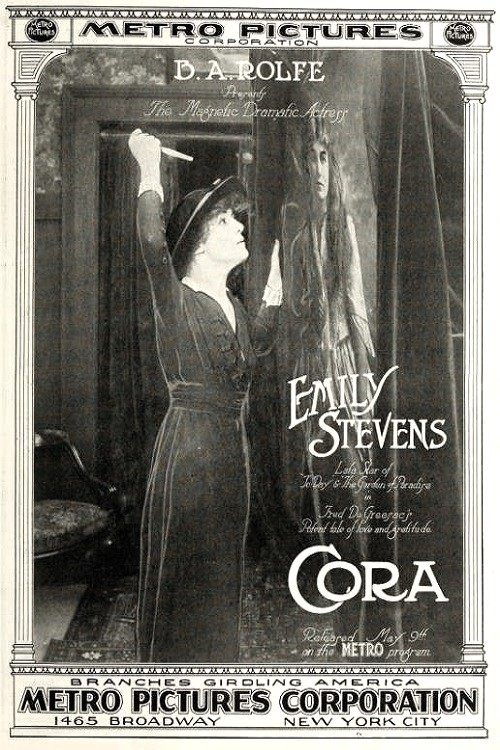
Recently arrived from Paris to live with her friend Marie Cora meets artist George Garnier who Marie models for. George and Cora fall in love despite the fact he is engaged to wealthy Helen Van Brooks. Discovering the engagement Cora leaves and embarks on a hugely successful operatic career. Years pass until George, having cut ties with Helen, visits Cora again and restates his love. Helen, though she loves Carl Wilson, still wants George entreats Cora to leave him alone. Saddened Cora allows her admirer Jose to become too familiar; he attacks her and in the ensuing tussle falls to his death. Once all is clarified Helen elopes with Carl leaving Cora and George to at last have their happy ending.
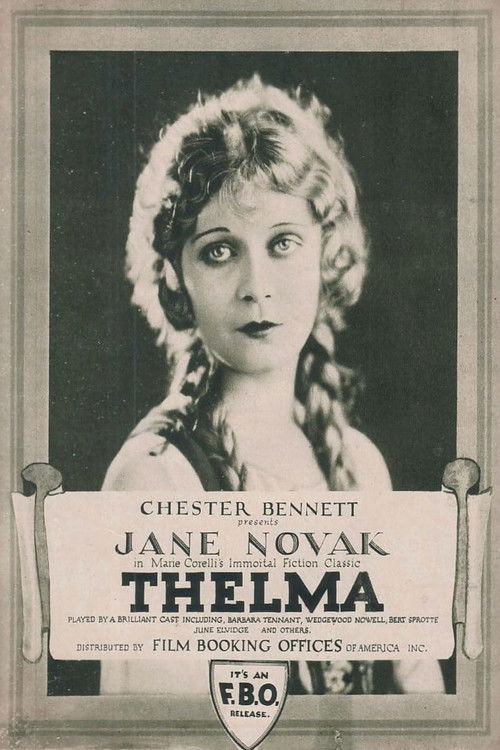
Though loved by many in her Norwegian village home, Thelma herself does not know love until she meets Sir Phillip Errington. They are married and go to London, where she is well received except by Phillip's jealous "friends." Lady Clara and Lennox plot to make Phillip appear to be unfaithful, and Thelma returns to Norway. Phillip, however, pursues her and proves his innocence.
A beautiful and ambitious young woman leaves her boyfriend for a famous sculptor, and later--after she models for his statue "Miss Ambition"--marries an old but wealthy art collector. However, things don't turn out quite the way she planned.
Assuming the worst Geoffrey Challoner impulsively storms out of the house when he sees his new wife Robin reading old love letters. In his absence, Norman Craig, planning with his wife to lease an upstairs apartment owned by Judge Corcoran, wanders into the Challoners' apartment. Robin, mistaking him for a burglar, shoots him and then runs for a doctor. Returning, Geoffrey again rashly makes assumptions and immediately files for divorce. Mrs. Craig and Norman, who had merely fainted, are invited to Judge Corcoran's weekend home along with the Challoners, whom the judge hopes to reunite. Following a bewildering series of misadventures, including an attempted robbery by the maid and the chauffeur, Geoffrey learns that the love letters were his own, and the young couple are reconciled.
Rosemary van Voort lives in the countryside with her elderly Dutch parents. The wooden dolls she carves so beautifully catch the eye of a group of artists who are having a picnic in the area. Among them is aspiring opera singer Ricardo Fitzmaurice. Rosemary is convinced to move to New York City where she becomes wildly successful, but when the temperamental Madame Fedoreska, who is in love with Ricardo, becomes insanely jealous of his growing affection for Rosemary she threatens to kill her. When Madame turns up shot to death, the police look at Rosemary as a suspect--and even worse, she has no alibi.
A mountain girl with an army-hating father, meets a handsome army captain, who teaches her how to love her country.
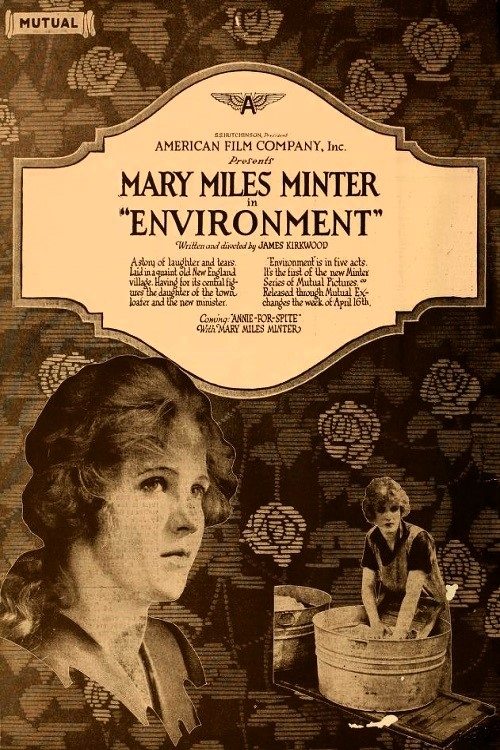
In their small-minded New England village Liz and her alcoholic father are rejected by the townspeople. When the new minister, Henry Penfield, comes to town he is attracted to Liz. Also arriving on the same train is young artist Arnold Brice. He takes a fancy to the prettiest girl in town, Mildred Holcombe who is the daughter of a deacon of the church. Mildred and Arnold fall in love, but her brother Arthur threatens to kill the artist if he finds them together. Heedless of Arthur's threats, Mildred goes to Arnold's studio, however Liz sees Arthur following and runs to the studio to warn them. Upon Arthur arrival Liz makes it seem it was she having an affair with Arnold. The deacons plan to banish Liz but Henry discovers the truth, resigns and announces his engagement to Liz.
The Kreutzer Sonata is a 1911 Russian silent film directed by Pyotr Chardynin. The film is considered lost.
David Clary runs a sleepy little dry-goods store in a sleepy little town. A vamp from the big city shows up, intent on taking Clary for everything he's worth by a combination of seduction and blackmail. But the day is saved by the ingenuity of David's corset model.
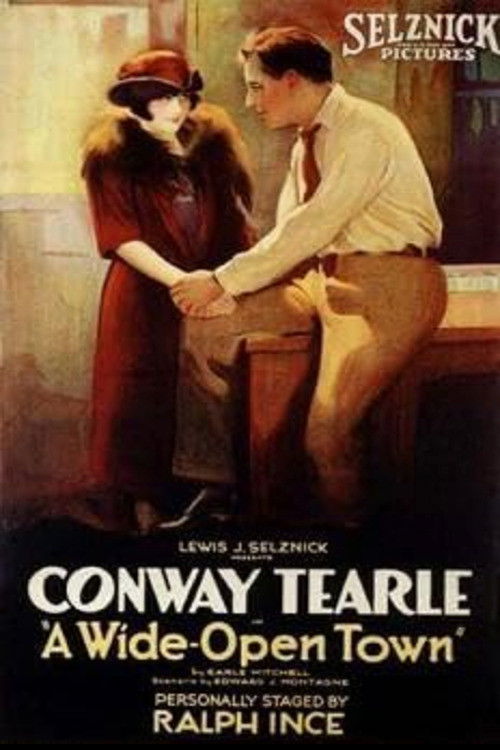
Billy Clifford, who has served a sentence in reform school for devoted friend Talbot, later in life becomes a successful gambler. He meets and falls in love with Helen Morely, daughter of the mayor. His partner, advised that the mayor intends to raid his establishment, kidnaps Helen and holds her prisoner as security against the raid.