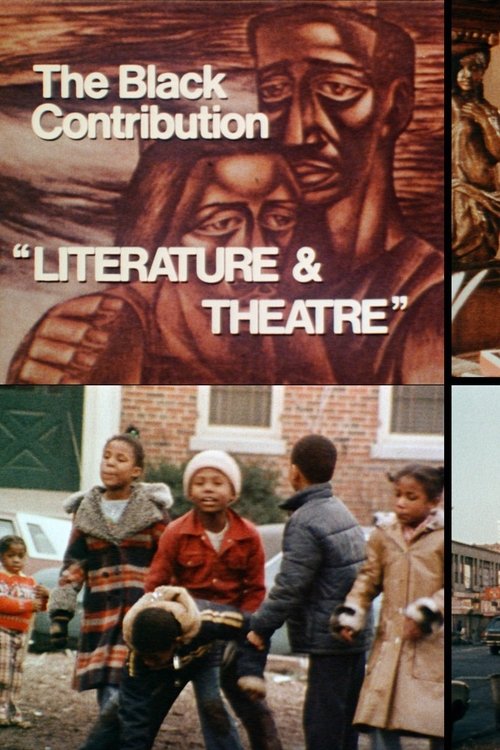
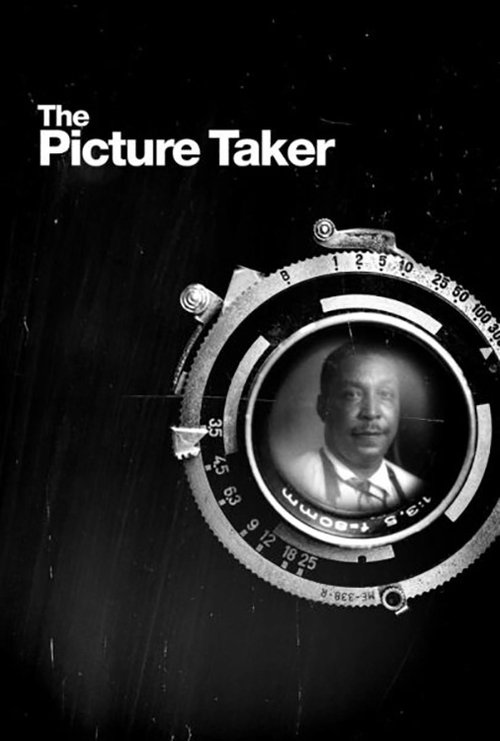
Color footage of inventor George Washington Carver at Tuskegee University in Alabama. Dr. Carver is filmed at his apartment, office, laboratory, and garden.
George Washington Carver
as Himself
The little-known story of a deadly race massacre and carefully orchestrated insurrection in North Carolina’s largest city in 1898 — the only coup d’état in the history of the US. Stoking fears of 'Negro Rule', self-described white supremacists used intimidation and violence to destroy Black political and economic power and overthrow Wilmington’s democratically-elected, multi-racial government. Black residents were murdered and thousands were banished. The story of what happened in Wilmington was suppressed for decades until descendants and scholars began to investigate. Today, many of those descendants — Black and white — seek the truth about this intentionally buried history.
A look at the Black revolution in 1970s cinema, from genre films to social realism, from the making of new superstars to the craft of rising auteurs.
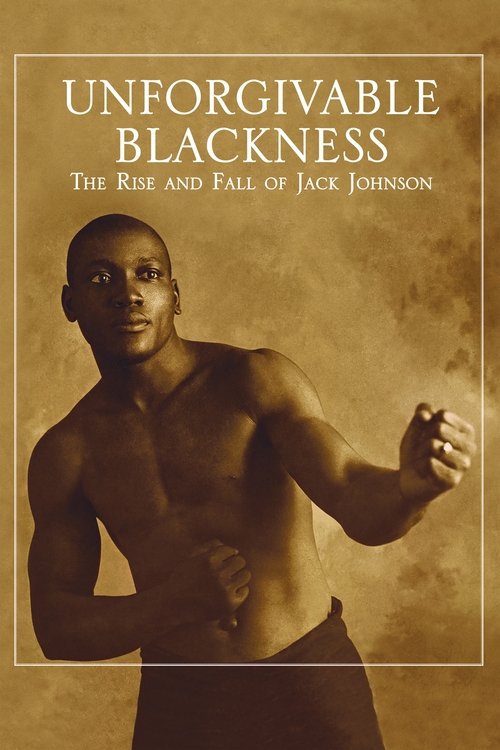
The story of Jack Johnson, the first African American Heavyweight boxing champion.
The history of warfare as it relates to global Black society, broken down into 7 chapters that examines the ways the system of racism wages warfare from a historical, psychological, sexual, biological, health, educational, and military perspective.
Recy Taylor, a 24-year-old black mother and sharecropper, was gang raped by six white boys in 1944 Alabama. Common in Jim Crow South, few women spoke up in fear for their lives. Not Recy Taylor, who bravely identified her rapists. The NAACP sent its chief rape investigator Rosa Parks, who rallied support and triggered an unprecedented outcry for justice. The film exposes a legacy of physical abuse of black women and reveals Rosa Parks’ intimate role in Recy Taylor’s story.
Shot in part at 10,000 feet at Gross Reservoir in Colorado over a span of 12 years, this short film, featuring the indomitable Rennie Harris, shares a dreamscape glimpse into the vernacular dance form, hambone, or “Patin’ Juba.” This work positions the powerful resilience of the Black male body in the face of white surveillance and the survival and evolution of the dance/music form of hambone within and beyond the histories of enslavement.
This documentary follows Bobby Seale's rise as co-founder of the Black Panther Party, battling racism, government repression, and internal power struggles-staying true to his mission even when surrounded by ego, conflict, and betrayal.
A year in the life of a dying shopping mall.
The life and career of the hailed Hollywood movie star and underappreciated genius inventor, Hedy Lamarr.
When the Civil War ended in 1865, more than four million slaves were set free. Over 70 years later, the memories of some 2,000 slave-era survivors were transcribed and preserved by the Library of Congress. These first-person anecdotes, ranging from the brutal to the bittersweet, have been brought to vivid life in this unique HBO documentary special, featuring the on-camera voices of over a dozen top African-American actors.
His filmmaker son probes the professional and private lives of his remote but fascinating father: bandleader, composer, inventor, and electronic music pioneer Raymond Scott.
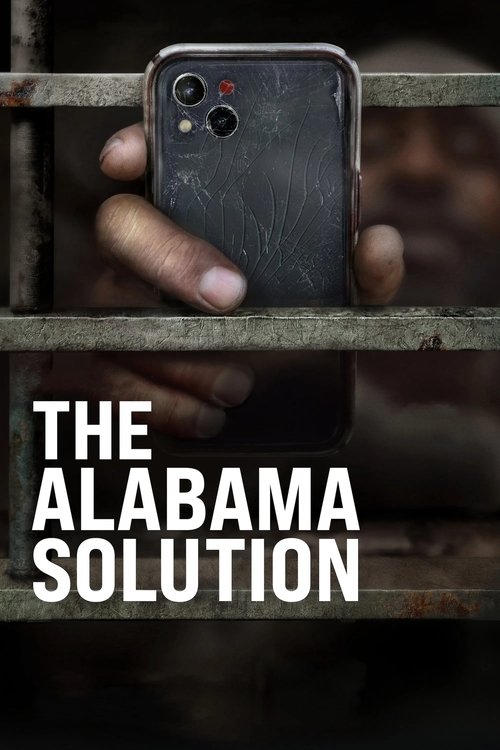
Incarcerated men defy the odds to expose a cover-up in one of America’s deadliest prison systems.
Composed of intimate and unencumbered moments of people in a community, this film is constructed in a form that allows the viewer an emotive impression of the Historic South - trumpeting the beauty of life and consequences of the social construction of race, while simultaneously a testament to dreaming.
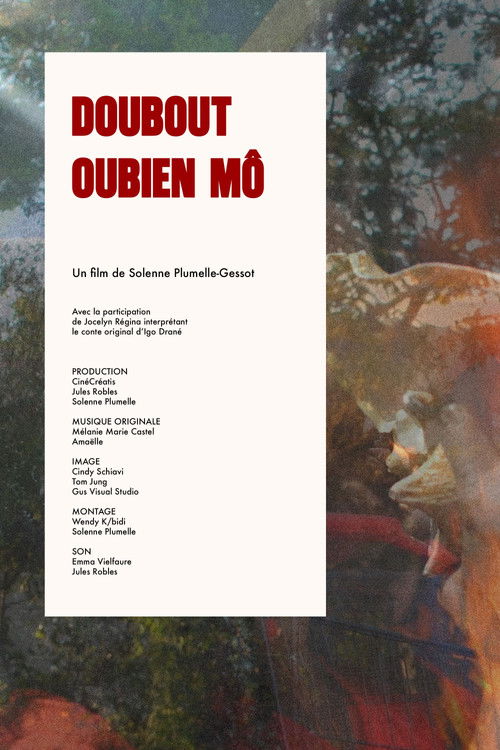
Since August 2024, in Martinique, a popular protest movement against the high cost of living has been reemerging under the leadership of the RPPRAC (Rassemblement Pour La Protection Des Peuples Et Des Ressources Afro-Caribéens – Gathering for the Protection of Afro-Caribbean Peoples and Resources). On the island, food prices are on average 54% higher than in mainland France.* Through various cultural figures, the people of Martinique are expressing their anger and seeking concrete solutions. *Source: Kiprix, Price comparison between supermarkets in the French overseas territories and mainland France.
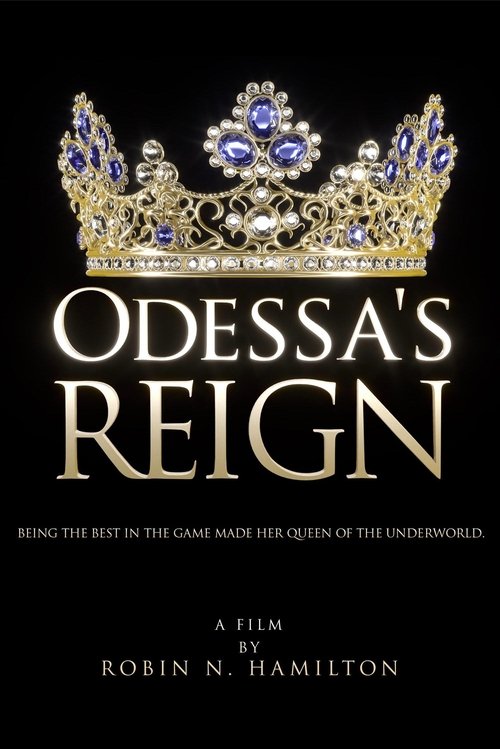
Black women had extremely limited options during Jim Crow. Odessa’s story explores how an African American woman born in a time with limited options leveraged her incredible mind and quick wit to become wealthier than she ever should have been able to This film takes a look at choices that were made, a wild ride Odessa had as an underworld queen, and consequences from her choices Odessa Madre’s life was a mix of resilience and bookend by the vicissitudes of luck, a contrast of economic success within
Documentary film on events that happened on August 28th in African-American history, shown at the Smithsonian African-American History Museum.
Maurice Hines -- actor, director, singer, and choreographer -- navigates the complications of show business while grieving the loss of his more famous, often estranged younger brother, tap dance legend Gregory Hines.
This documentary captures the sounds and images of a nearly forgotten era in film history when African American filmmakers and studios created “race movies” exclusively for black audiences. The best of these films attempted to counter the demeaning stereotypes of black Americans prevalent in the popular culture of the day. About 500 films were produced, yet only about 100 still exist. Filmmaking pioneers like Oscar Micheaux, the Noble brothers, and Spencer Williams, Jr. left a lasting influence on black filmmakers, and inspired generations of audiences who finally saw their own lives reflected on the silver screen.