Constructing a solitary reality by imagining what life would be like after the passing of her parents, director Allison Chhorn's intricate docu-fiction chronicles her own process carrying on work in the family's titular 'plastic house'.
Allison Chhorn
as Self
Lim Chhorn
Hov Chhorn
Hor Cheng
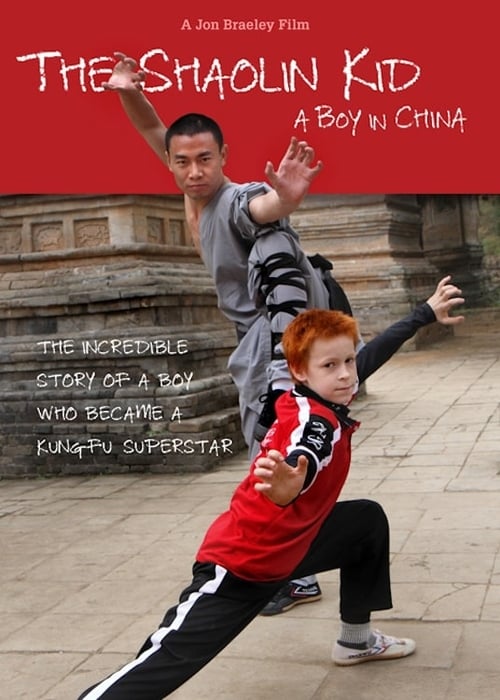
The story of a six year old boy from Phoenix, Arizona whose dreams of becoming a Kungfu master lead him to the birthplace of martial arts - the legendary Shaolin Temple in China. His father must now face a heartbreaking decision and follow his son to China leaving the mother behind in America... a choice few parents could ever imagine.
Benjamín trips to the south of Chile with his family and shots a visual letter to deceased filmmaker Raúl Ruiz.
His work illustrates people. Densha Tattoo reflects on craft, inspiration and the scene. — What is the essence of a human being? One stitch at a time. A portrait about the tattoo artist.
A filmmaker journeys back to the significant places of his Kentucky upbringing to preserve the memories they still hold.
Artist Taylor Denise sets out to make her first painting, which also happens to be her largest work to-date. As she embarks on this creative process of making shit because it looks cool, she's met with comradery, debauchery, and people's brains interrupting art whatever way they want to-ery.
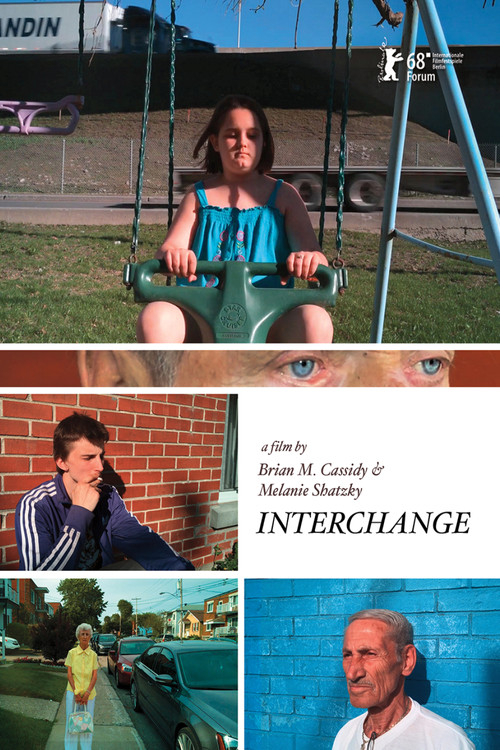
Bathed in the uncanny glow of late afternoon sun and set against a noisy highway, Interchange depicts the melancholy and isolation of a small working-class neighborhood on the outskirts of Montreal.
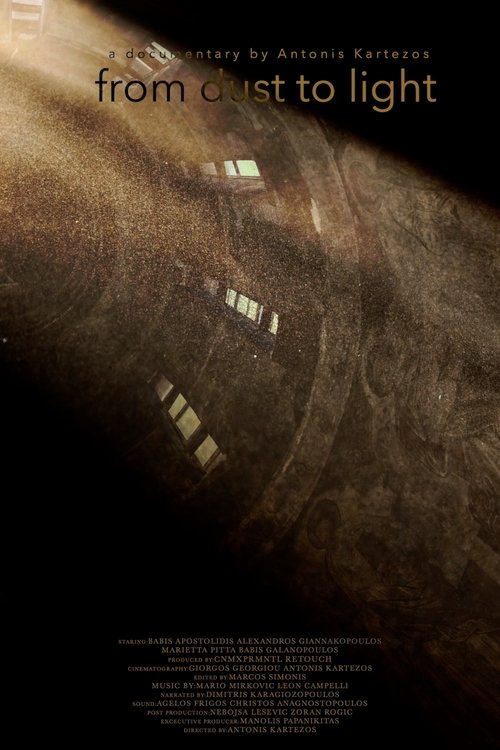
Filmed In the heart of the mountainous villages of Greece and North Macedonia, the documentary follows a group of conservators of antiquities and works of art on their journey, with the goal of preserving Byzantine iconography. The dialogue between them and the hagiographers of the past comes to life.
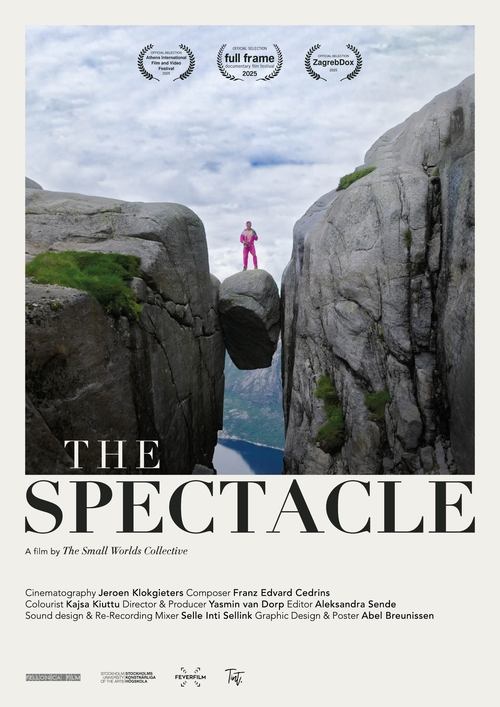
The Spectacle is a short reflective documentary that explores the world of modern tourism. Filmed in various locations across Europe, the documentary unveils the transformation of serene landscapes into bustling tourist attractions. What remains truly seen and felt amidst the curated snapshots of our adventures?
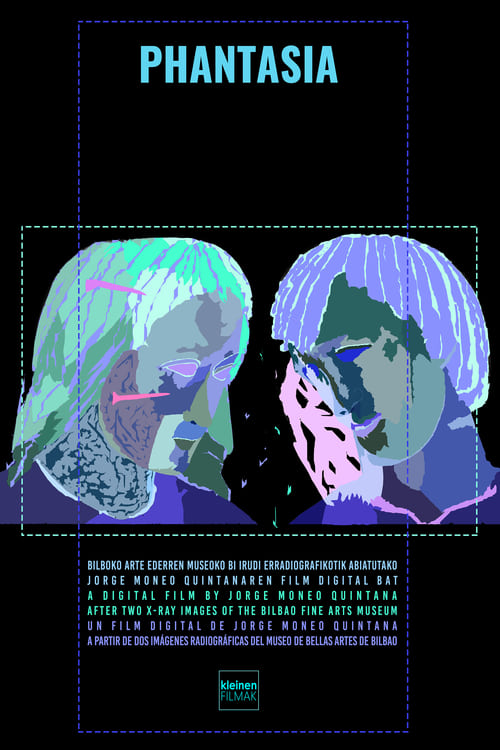
X-ray images were invented in 1895, the same year in which the Lumière brothers presented their respective invention in what today is considered to be the first cinema screening. Thus, both cinema and radiography fall within the scopic regime inaugurated by modernity. The use of X-rays on two sculptures from the Bilbao Fine Arts Museum generates images that reveal certain elements of them that would otherwise be invisible to our eyes. These images, despite being generally created for technical or scientific purposes, seem to produce a certain form of 'photogénie': they lend the radiographed objects a new appearance that lies somewhere between the material and the ethereal, endowing them with a vaporous and spectral quality. It is not by chance that physics and phantasmagoria share the term 'spectrum' in their vocabulary.
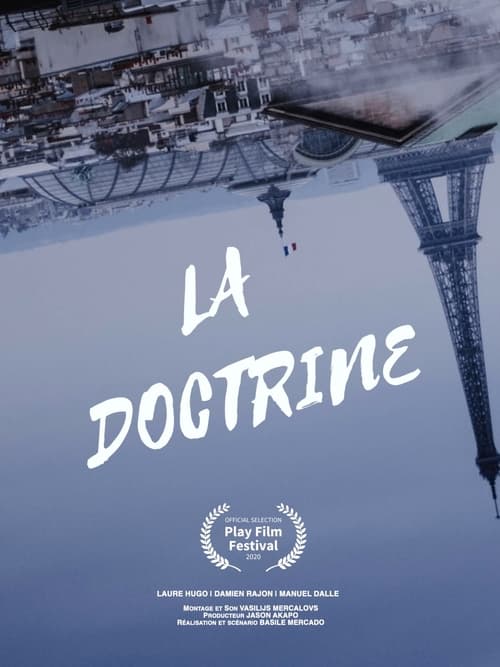
Narrator dreams of Madrid while being caught in a repetitive loop somewhere in Paris. He questions if his interlocutor is a real human being, as their dialogue, mostly built of citations, doesn't seem to be helping with breaking the loop.
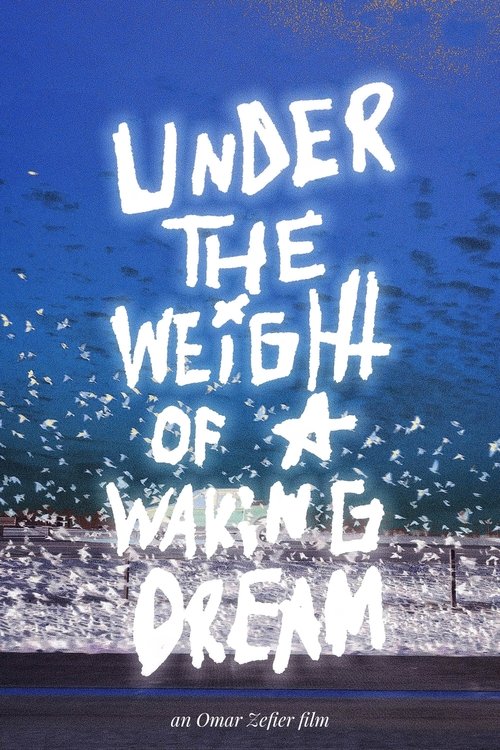
‘Under the Weight of a Waking Dream’ is Zefier's debut swan song to the ending year. Comprised of poetry and endless enumerations is a diaristic film chronicling the lessons and contradictions found throughout the human experience.
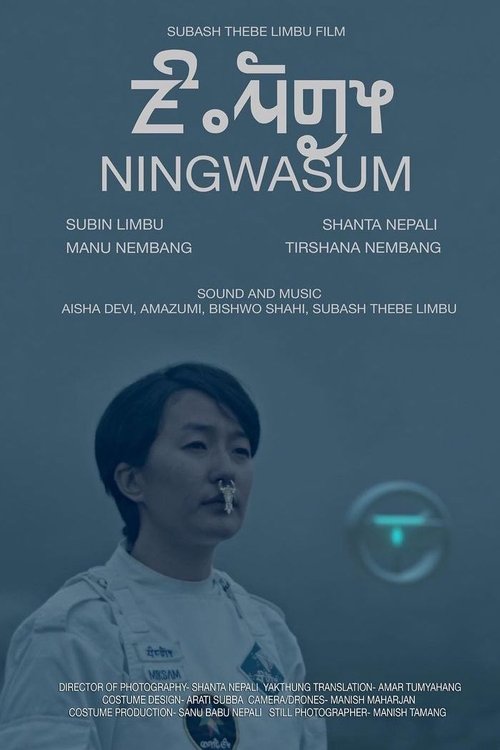
Ningwasum follows two time travellers Miksam and Mingsoma, played by Subin Limbu and Shanta Nepali respectively, in the Himalayas weaving indigenous folk stories, culture, climate change and science fiction.
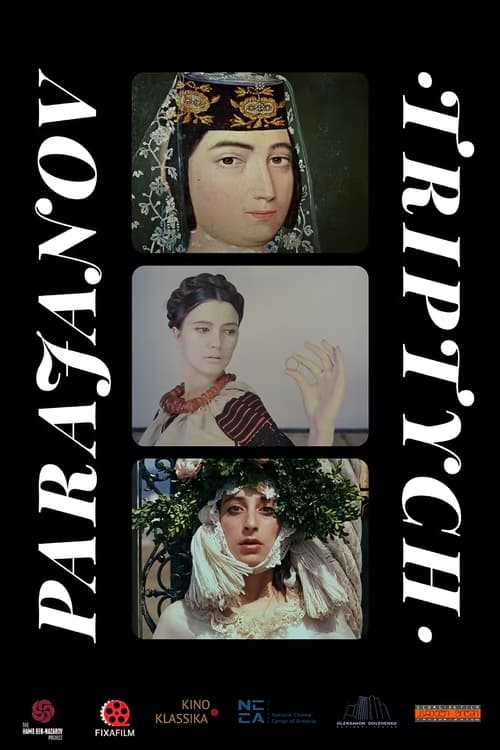
Three short films by Sergei Parajanov, Hakob Hovnatanyan (1967), Kyiv Frescoes (1966) and Arabesques on the Theme of Pirosmani (1986). Scanned and restored from the original camera negatives in 4K by Fixafilm. Produced in association with National Cinema Centre of Armenia (NCCA), Dovzhenko Centre and Georgian Film. Scans for Hakob Hovnatanyan and Arabesques on the Theme of Pirosmani financed by Kino Klassika.
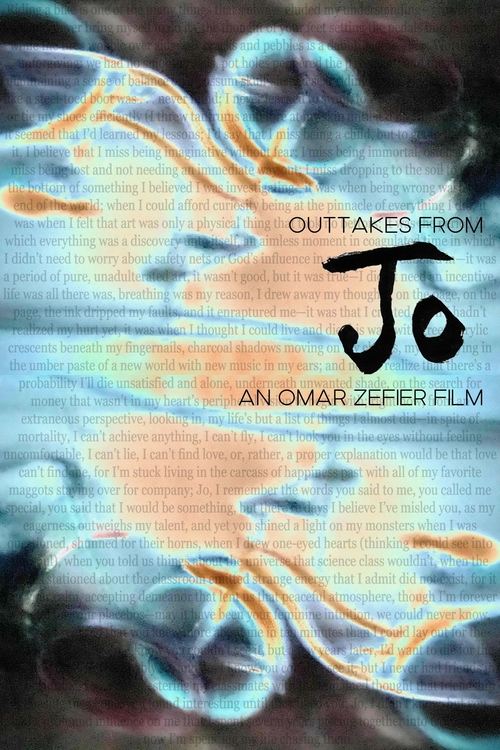
Outtakes, commentary from Zefier's third film: Jo; or The Act of Riding a Bike.
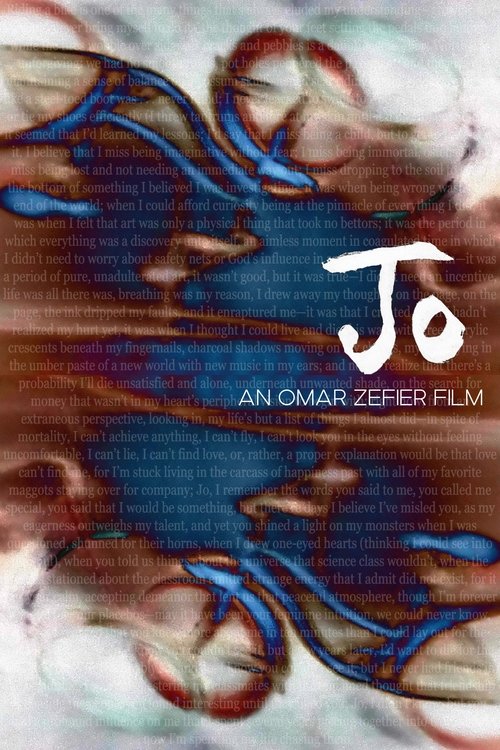
Jo; or The Act of Riding a Bike is Zefier's third film.
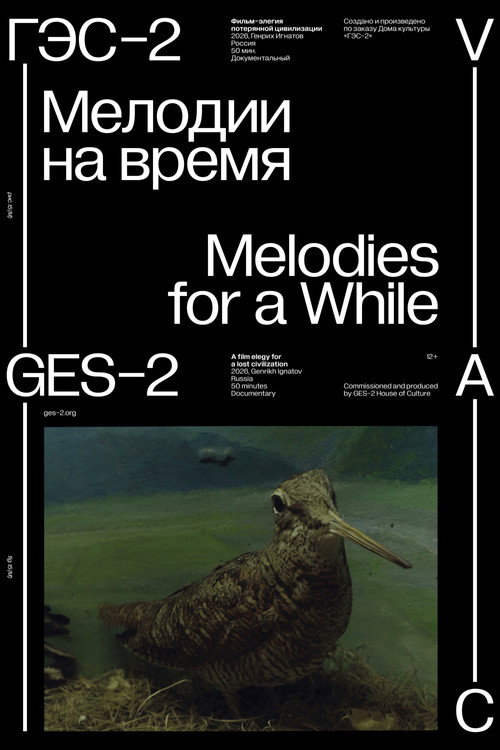
The main protagonists of this slow-paced film are abandoned or suspended spaces associated with the production, distribution, and viewing of cinema in various localities across North Ossetia. The discussion of the decline of the film industry also serves as a way of pointing to the ambiguous position in which the progressive modernist project found itself in the late twentieth and early twenty-first centuries. Ignatov proposes poetic ways of establishing new relations with this project in response to the need to reinvent the links between past and future. The abandoned spaces are brought to life by two visiting musicians playing the uadynz, traditional Ossetian flutes.
A young Catholic filmmaker narrates a past heartbreak which he's leaving behind through images from late 2024, during Christmas and New Year's Holidays.
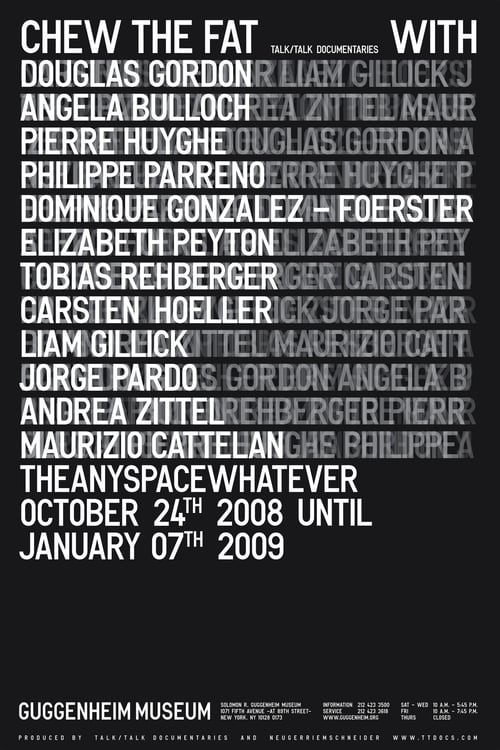
"Chew The Fat" (Informal) - To have a long friendly conversation with someone. In the film project 'Chew The Fat', the artist Rirkrit Tiravanija, living in New York portraits a group of 12 artists (Douglas Gordon, Angela Bulloch, Pierre Huyghe, Philippe Parreno, Dominique Gonzalez - Foerster, Elizabeth Peyton, Tobias Rehberger, Carsten Hoeller, Liam Gillick, Jorge Pardo, Andrea Zittel, Maurizio Cattelan). The artists, all chosen by Tiravanija, belong to the same generation as himself and, like him, have advanced during the nineties to achieve international success. Most importantly, all are good friends of Tiravanija. This creates a particularly relaxed situation in which conversation can flow naturally between the two with personal issues coming up as easily and often as those to do with work or career.