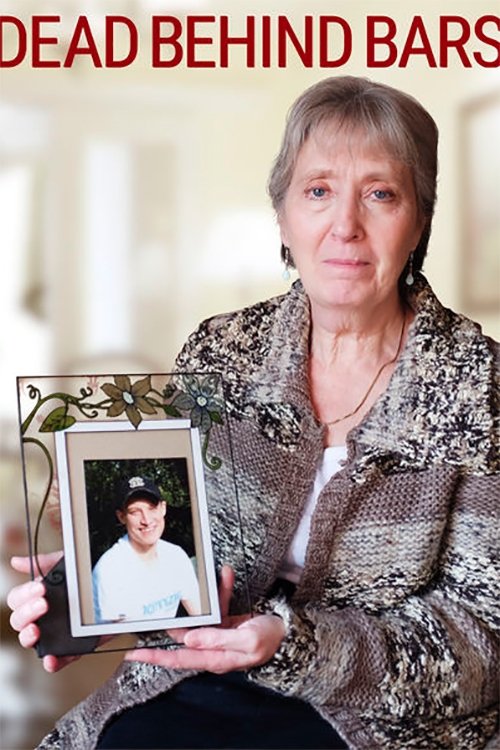
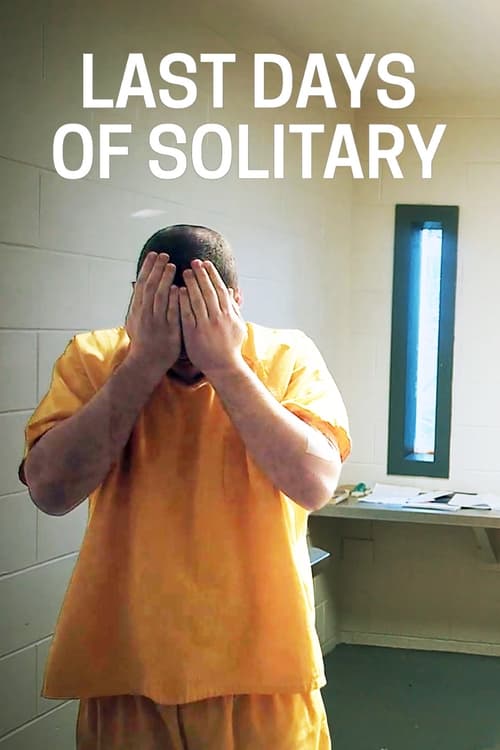
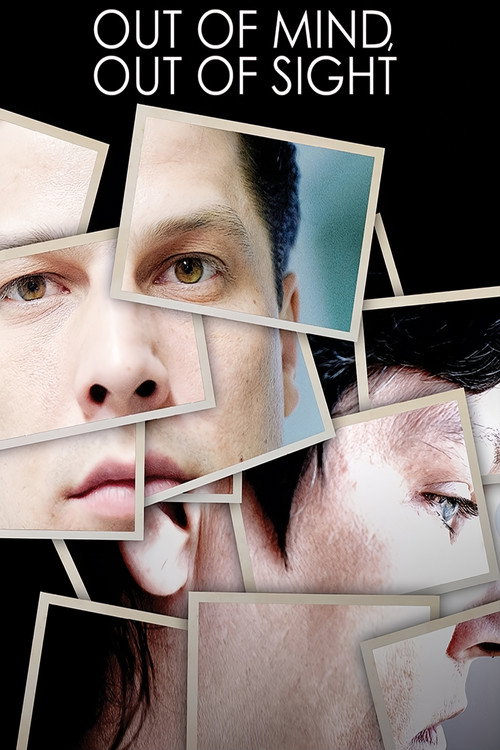
Survivors of violent crimes and prisoners incarcerated for murder connect to undergo astonishing transformations, liberating themselves from the debilitating constraints of trauma, and shattering preconceptions of "us and them."
Sujatha Baliga
as Himself
Nate Collins
Eddie Herena
as Herself
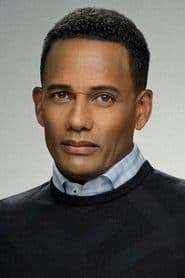
Hill Harper
as Narrator
Samuel Johnson
Sonya Shah
Michael Nelson
The Big One is an investigative documentary from director Michael Moore who goes around the country asking why big American corporations produce their product abroad where labor is cheaper while so many Americans are unemployed, losing their jobs, and would happily be hired by such companies as Nike.
'Don't build prisons, they cost too much!' In this era of Great Recession, the conservative and tough-on-crime State of Texas takes an unprecedented path by becoming a social justice leader with programs that rehabilitate offenders. Looks like rape, abuse and death are no longer parts of the solution for modern-day Bonnie and Clyde...
Rahiem Shabazz continues the conscience-raising dialogue generated by his acclaimed documentary Elementary Genocide: The School To Prison Pipeline with his equally hard-hitting Elementary Genocide 2: The Board of Education vs The Board of Incarceration. The Board of Education vs The Board of Incarceration uncovers the true purpose of today’s educational system and how it’s failing the African child. Going beyond the school-to-prison pipeline headlines and conspiracy theories, The Board of Education Vs. The Board of Incarceration proves that something sinister is afloat by digging deep to explore its origin, its existence and how to plot its destruction to save every Black child.
World renowned journalist, and award-winning filmmaker Rahiem Shabazz presents the third installment of his docu-series Elementary Genocide: Academic Holocaust. The first two documentaries in the series; The School To Prison Pipeline and Elementary Genocide 2: The Board Of Education vs. The Board of Incarceration received critical acclaim and launched Shabazz as a political pundit and academic ambassador for the African American community. Elementary Genocide: Academic Holocaust adds more statistical proof of the scholastic inequalities faced by Original people around the country. The documentary revisits the importance of education and its impact on self-image, family structure, financial freedom, and the collective future of African/indigenous people in America and abroad.
Elementary Genocide is a documentary executive produced by award winning journalist/filmmaker Rahiem Shabazz. The documentary appeals to a wide general viewership by addressing the social, cultural, political and personal ramifications of how the federal government allots money to each state, to build prions based on the failure rate of 4th and 5th graders. In America, where half of the 4th grade is reading below grade level and more African-American males are in jail than are in college, Elementary Genocide serves as a striking reminder of a flawed system in need of repair.
Pete and Toshi Seeger, their son Daniel, and folklorist Bruce Jackson visited a Texas prison in Huntsville in March of 1966 and produced this rare document of of work songs by inmates of the Ellis Unit. Worksongs helped African American prisoners survive the grueling work demanded of them. With mechanization and integration, worksongs like these died out shortly after this film was made.
In the midst of conservative politics in the city of Goiânia, an anti-prohibitionist collective mobilizes for the legalization of marijuana against government repression.
The youngsters housed in the "Almafuerte" Maximum Security Juvenile Institute have their first approach to audiovisual recording. A film and documentary video workshop serves as an excuse for them to make a short film inside the prison. The camera is a rabid toy that generates fascination in them and rescues a sheltered, innocent smile that seemed forgotten under the shadows. While inside libertarian cries bounce against the walls, outside sounds fanfares of an iron fist.
Set entirely inside Folsom Prison, The Work follows three men during four days of intensive group therapy with convicts, revealing an intimate and powerful portrait of authentic human transformation that transcends what we think of as rehabilitation.
71 years in the making, this feature documentary experience reveals the extraordinary life journey of Hollywood's most unlikely hero, Danny Trejo.
A look at the prison breakout of Richard Matt and David Sweat from Clinton Correctional facility, as well as a look back at some of the most daring and ingenious prison breaks in American history.
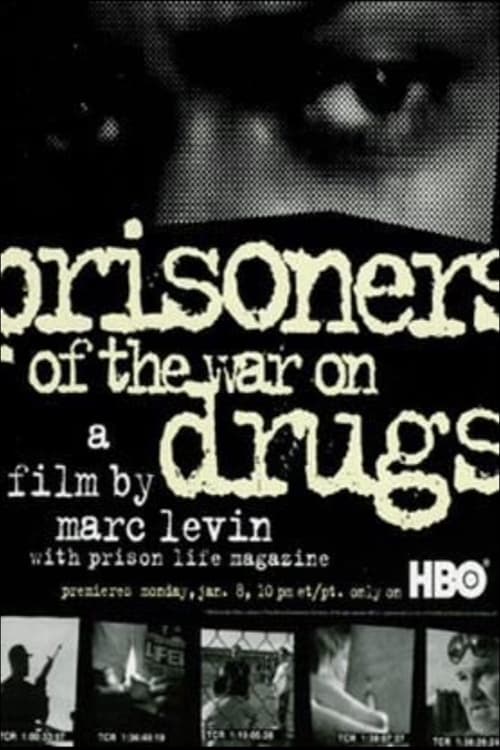
From its beginning during the Reagan years through current times, the War on Drugs has left many victims stranded in the prison system. PRISONERS OF THE WAR ON DRUGS reveals life behind bars in the nation’s prisons. Each prisoner has his or her own story, but for most, the story is predictably similar; they have been criminalized for drugs or drug related offenses, locked up with easy access to substances, and given little opportunity for rehabilitation. This film provides an inside look at the prison system, its prisoners and a war on drugs we do not seem to be winning.
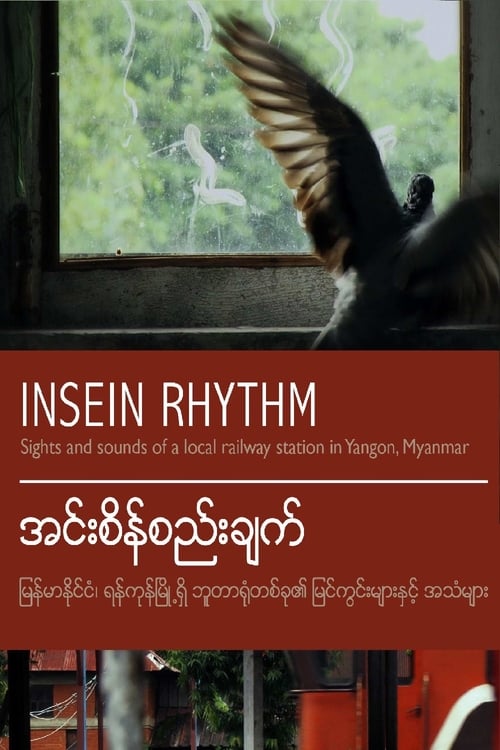
Insein Rhythm portrays the sights, sounds and rhythms of Yangon’s Insein train station which is also a stone’s throw away from the country’s infamous Insein prison.
Five transgender women share their prison experiences. Interviews with attorneys, doctors, and other experts are also included.
In prisons ruled by toxic masculinity, dancing is an absolute taboo. But at Lancaster’s A-Yard, near Los Angeles, a group of young men, willing to take a chance to be mocked in the yard, start a dance class led by French choreographer Dimitri Chamblas. This class quickly becomes an intoxicating escape from their grim reality so they decide to create a dance show. In this exceptional context, the inmates engage with overwhelming sincerity, evoking their childhood, ganglife, the crimes, the prison, and their desire for transformation. Beyond damaged lives and a prison system on the edge of the abyss, DANCING IN A-YARD explores redemption and the capacity of human beings to reinvent themselves, when given a chance. And more importantly, how art and introspection can help see the light.
An archival documentary about the U.S. military’s response to the political and racial injustices of the late 1960s: take a military base, build a mock inner-city set, cast soldiers to play rioters, burn the place down, and film it all.