Images of Argentinian companies and factories in the first light of day, seen from the inside of a car, while the director reads out documents in voiceover that reveals the collusion of the same concerns in the military dictatorship’s terror.
Jonathan Perel
as self
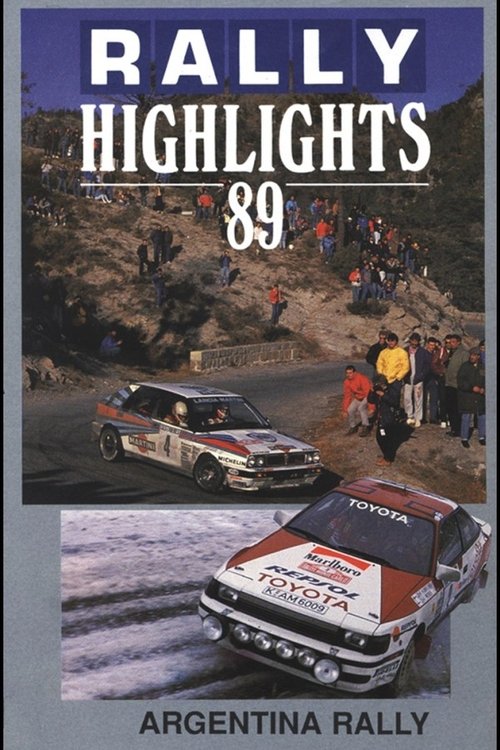
Two major events took place during 1989 in Argentina - Carlos Saul Menem was appointed new leader and the charismatic President saw off each car at the start of the Argentinian Rally at the Palermo Stadium. Local hero Recaldo with co-driver Jorge del Buono, led the field in one of the Lancia Delta Integrales but despite a flying start chose the wrong tyres. The challenge from Mikael Ericsson, Fiorio, Soto and Fischer led to some exciting duels and traumatic events which quickly whittled down the number of competitors. Only 33 crews completed the gruelling course out of the 77 starters. A memorable event faithfully recorded here for your enjoyment.
Punta del Este was built upon a small, treasurable port town still alive in the memories of former residents and visitors. However, talk of progress has arised in present times. A kind of progress involving physical, historical, spiritual destruction. Bajo la Arena poses a crossroads between the passage of time and its ever-present traces in the landscape and in people's affections.
In Argentina, a woman dies every week as the result of illegal abortions. In 2018, for the seventh time, a motion supporting legal, secure and free abortion was presented to the national congress of Argentina. The project provoked a fierce debate, revealing a society divided more than ever between the pro-life and freedom to choose positions. Through an assemblage of passionate testimonies, Let It Be Law documents the determination of women fighting bravely to secure the right to physical self-determination, and bears witness to their massive mobilization in the streets of Buenos Aires.
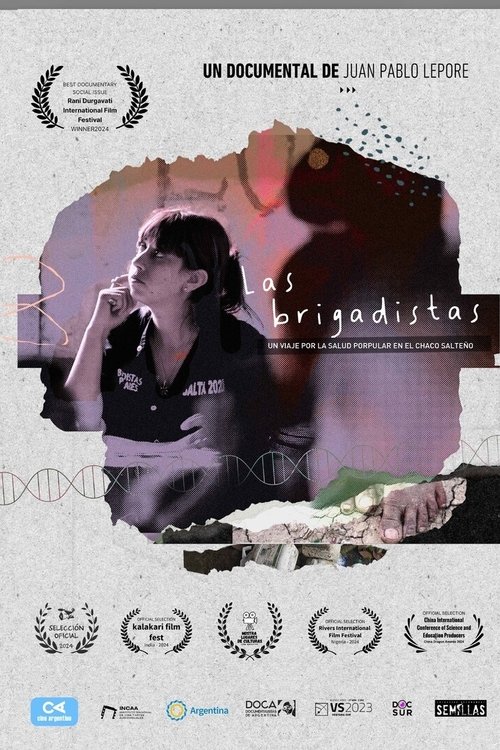
tells the experience of a group of medical students who travel to the north of Argentina to assist different indigenous communities that suffer the dispossession of their lands and structural poverty.
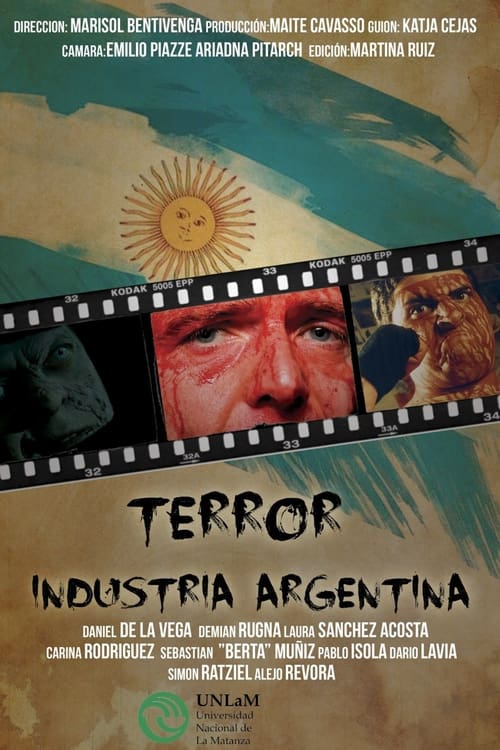
Documentary about the history and present of Argentine horror cinema.
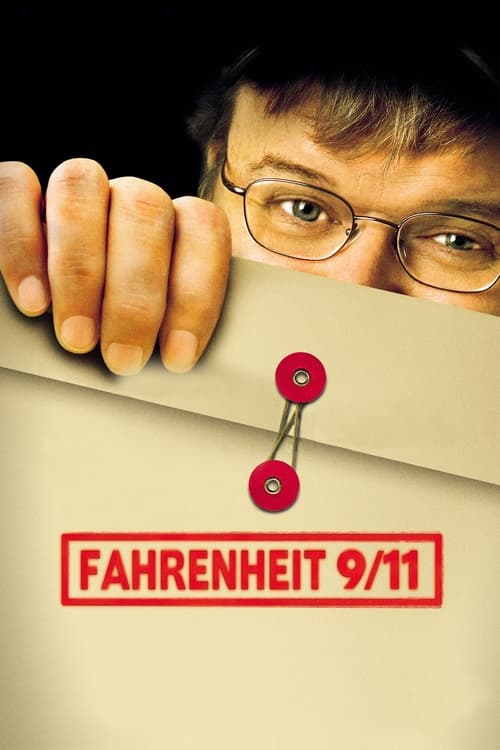
Michael Moore's view on how the Bush administration allegedly used the tragic events on 9/11 to push forward its agenda for unjust wars in Afghanistan and Iraq.
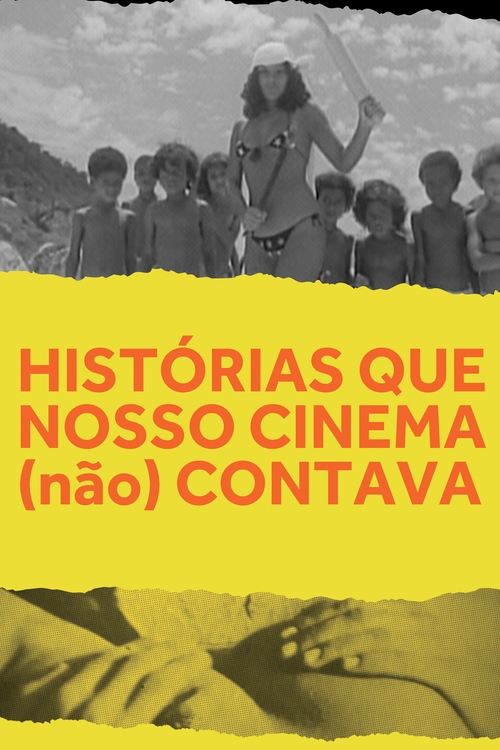
Filled with raunchy laughs, this documentary compiles outrageous scenes from sex-comedies that shaped Brazil's "pornochanchada" boom of the 1970s.
Documentary about the life and work of Jorge Luis Borges, from his own memories and reflections.
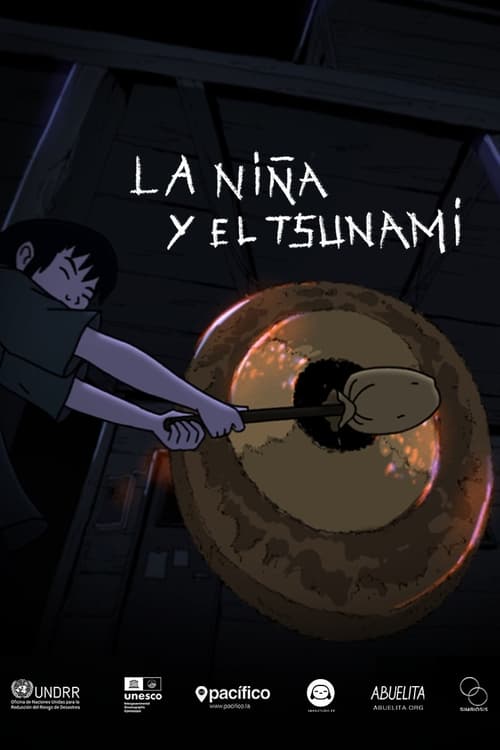
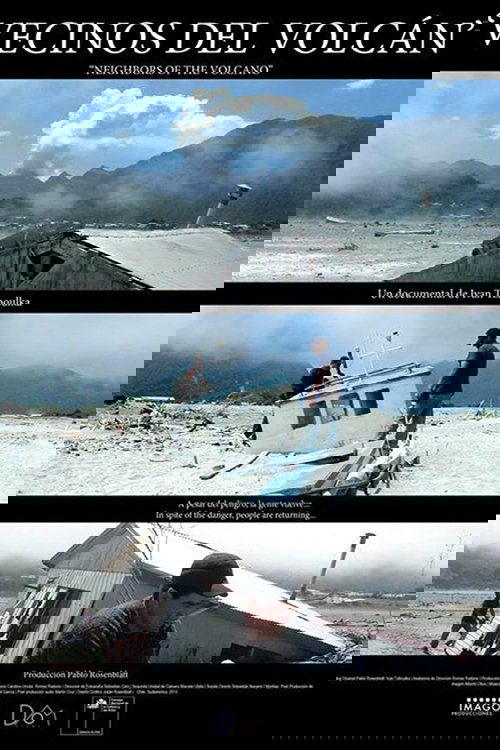
February 2010. On a remote island in the Pacific Ocean called Juan Fernández, everyone slept in town. But a 12-year-old girl felt a tremor and warned of imminent danger.
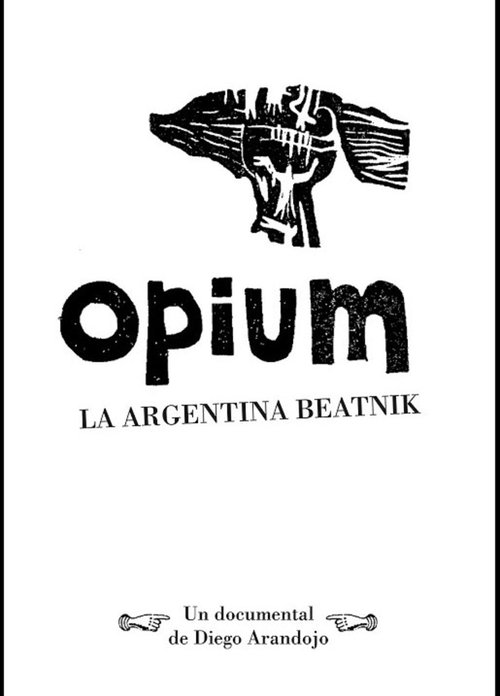
During the 1960s there was a group of writers in Buenos Aires who, influenced by the North American Beatnik movement, called themselves Opium. Anarchists, rebels with a cause, populated Buenos Aires nights in bars like El Moderno, promoting a different movement for a different time. This film addresses not only Opium, but the sixties itself, and its collateral protagonists.
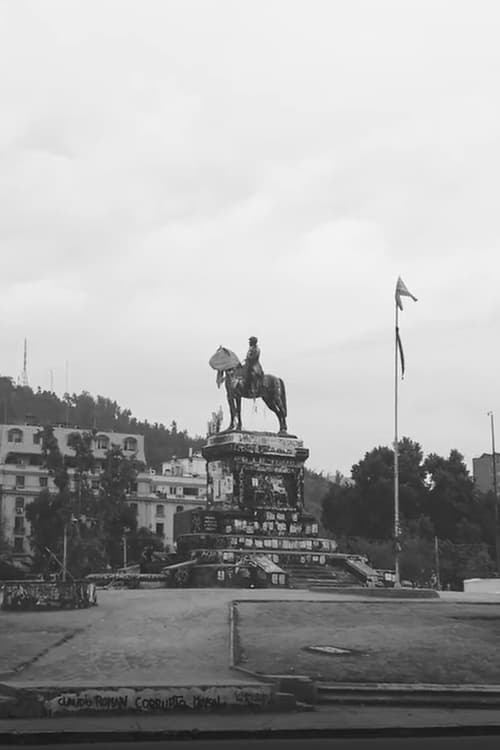
The visions experienced by a man in the midst of Chile’s social revolt lead him to revisit different moments of his life while his mind wanders through a limbo of images. The journey will help him to finally discover why he’s in that place.
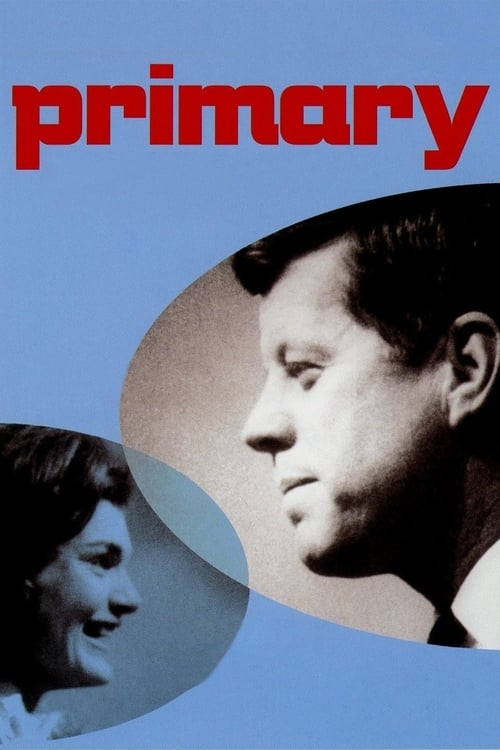
Primary is a documentary film about the primary elections between John F. Kennedy and Hubert Humphrey in 1960. Primary is the first documentary to use light equipment in order to follow their subjects in a more intimate filmmaking style. This unconventional way of filming created a new look for documentary films where the camera’s lens was right in the middle of what ever drama was occurring. Preserved by the Academy Film Archive in partnership with The Film Foundation in 1998.
Inbetween fiction and documentary, this film sails through the brasilian street resistance following the parlamentary coup of state.
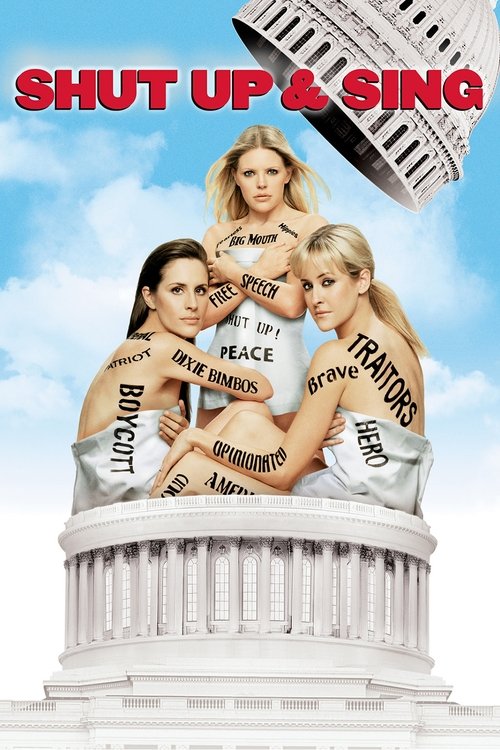
Shut Up and Sing is a documentary about the country band from Texas called the Dixie Chicks and how one tiny comment against President Bush dropped their number one hit off the charts and caused fans to hate them, destroy their CD’s, and protest at their concerts. A film about freedom of speech gone out of control and the three girls lives that were forever changed by a small anti-Bush comment
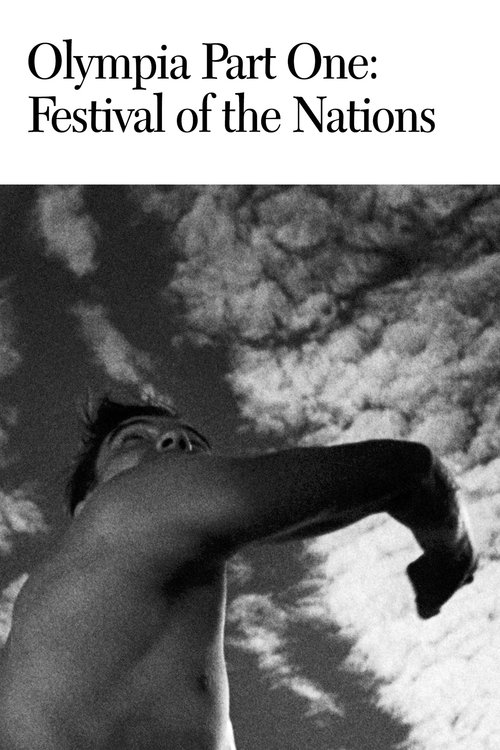
Starting with a long and lyrical overture, evoking the origins of the Olympic Games in ancient Greece, Riefenstahl covers twenty-one athletic events in the first half of this two-part love letter to the human body and spirit, culminating with the marathon, where Jesse Owens became the first track and field athlete to win four gold medals in a single Olympics.
Documentary that describes month by month the fall of the self-proclaimed National Reorganization Process, the dictatorship that governed Argentina for seven years. In addition, we trace the path of the candidates towards the presidential elections, the socio-economic chaos that was experienced at that time, the media, the artistic references and the world of sports, until the arrival of democracy.
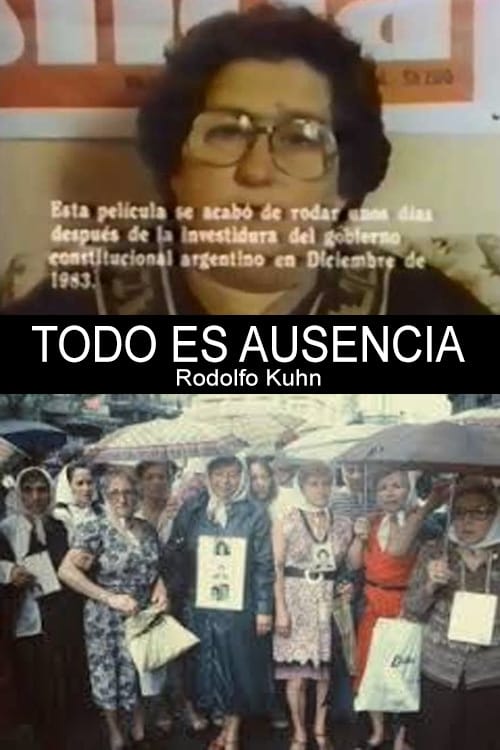
Five Argentinian women, with missing relatives from the military dictatorship that ruled the country, explain their emotions and feelings about all that happened.
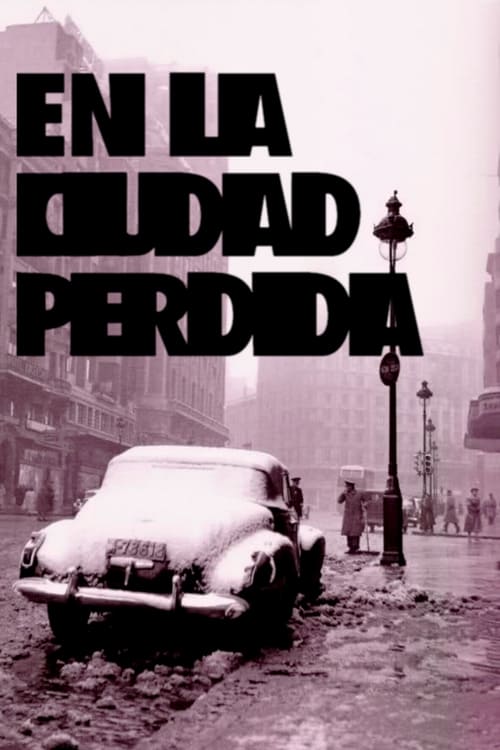
The city of Madrid as it appears in the Spanish films of the 1950s. A small tribute to all those who filmed and portrayed Madrid despite the dictatorship, censorship and the critical situation of industry and society.