The personal stories of the people from all around the world waiting for a decision in an asylum-seekers centre in one of most restrictive countries in the world, Switzerland.
Thirty female prisoners share the convicts’ ward of Tuilière Prison at Lonay. More than half of them have one or more children being raised elsewhere: with a sister, in a foster family, or – further away still – in their countries of origin. In portraying some of these women, the film sheds light on these mothers and the bond that ties them to their children.
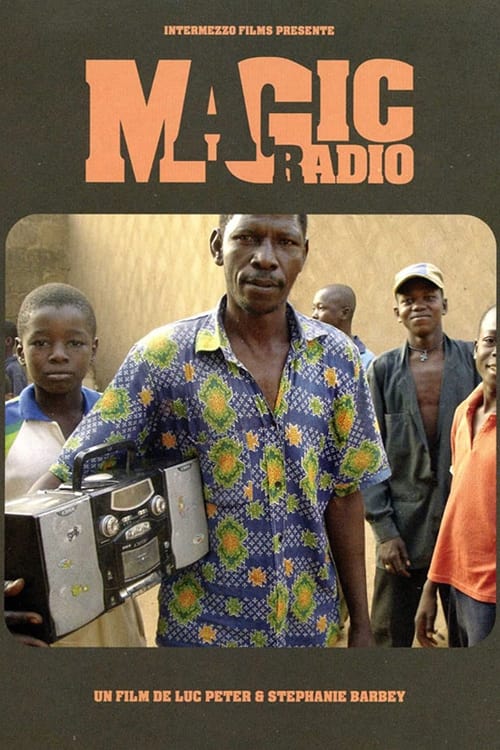
Radios echo across Niger, connecting lives through news, music, and debate. This gripping doc explores how this everyday device becomes a lifeline in a changing nation.
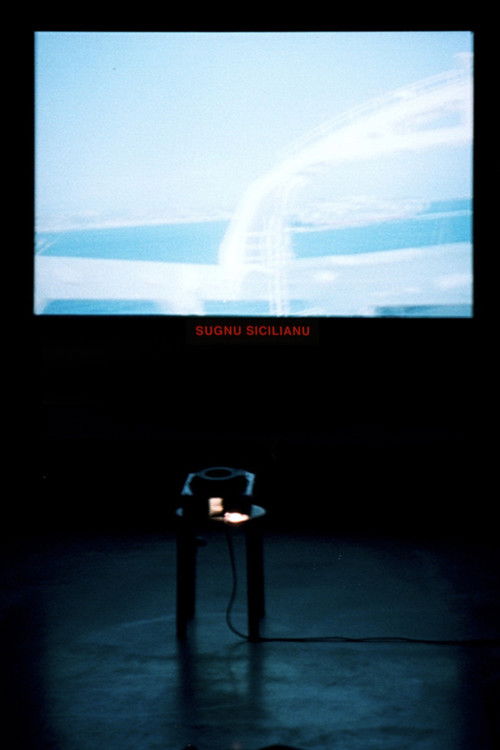
The film Sugnu Sicilianu unfolds like a series of flashbacks through time, connecting memory and dreams. This film is a journey through inheritance, where histories are both confronted and reshaped. Sugnu Sicilianu questions heritage, family, and identity through a return to the places that once tied me and my family to our roots.
The film interweaves the stories of two generations of Palestinians. It tells the story of Elias Jubran, a music teacher and oud maker from Al Jaleel (Galilee), and his children, who live in a totally different way in Israel... or who have left the country in search of a more open way of life. The film shows what it takes for a culture - mired in the threatening environment of the State of Israel - to continue to thrive.
"Gross national happiness is more important than gross national product", declares the King of Bhutan. Can happiness be decreed? We accompany seven Swiss musicians to this mountainous Himalayan country. Between concerts, we meet Bhutanese people in their daily lives, who tell us, as if in passing, what makes them happy. Are we capable of finding happiness elsewhere? Does the advantage of globalization lie precisely in the erasure of the elsewhere? The whole world is in the here and now, and distant horizons are always close to us, transported by SMS...
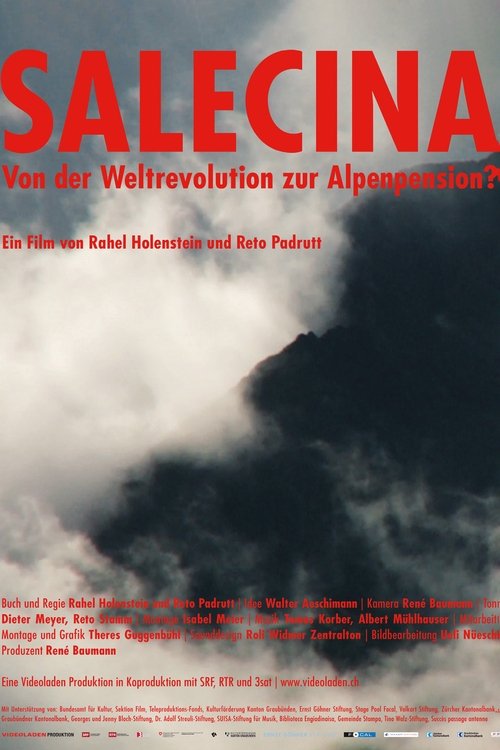
The Salecine meeting place, founded near Maloja in 1971 by Zurich communist bookseller Theo Pinkus, quickly became a socio-cultural and political Mecca for the left-wing intelligentsia. The film provides an overview of the chronicle of this Alpine melting pot of ideas, and also shows the changes in the zeitgeist since 1968. It is also a gentle, sentimental (sometimes self-ironic) tribute to the men and women of three generations of Salecina, who, at 1800 above sea level, are creating utopias for a fairer world.
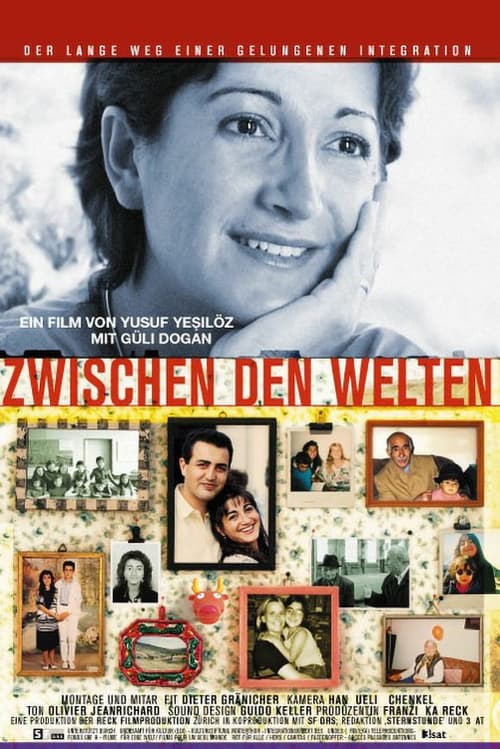
The revealing life story of Güli Dogan conveys impressively and in exemplary pictures the long and difficult path of a successful integration. Between the Worlds is the portrait of a woman who is very well integrated professionally and socially in Switzerland, but who is emotionally strongly connected to her village, which hardly exists anymore.
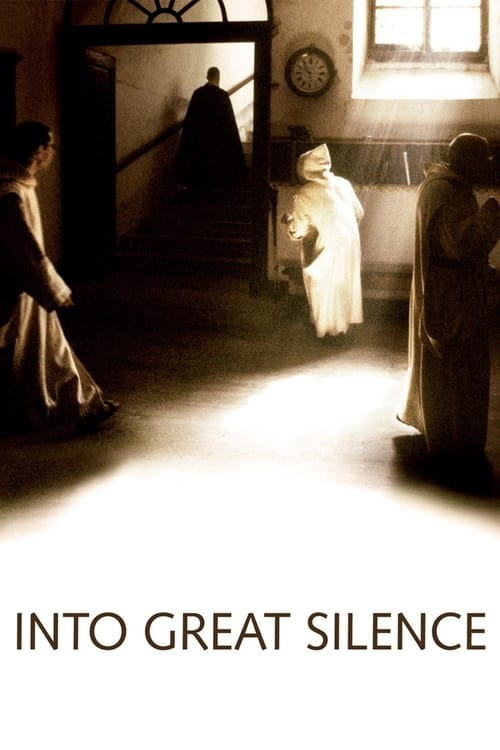
An intimate portrayal of the everyday lives of Carthusian monks of the Grande Chartreuse, high in the French Alps (Chartreuse Mountains). The idea for the film was proposed to the monks in 1984, but the Carthusians said they wanted time to think about it. The Carthusians finally contacted Gröning 16 years later to say they were now willing to permit Gröning to shoot the movie, if he was still interested.
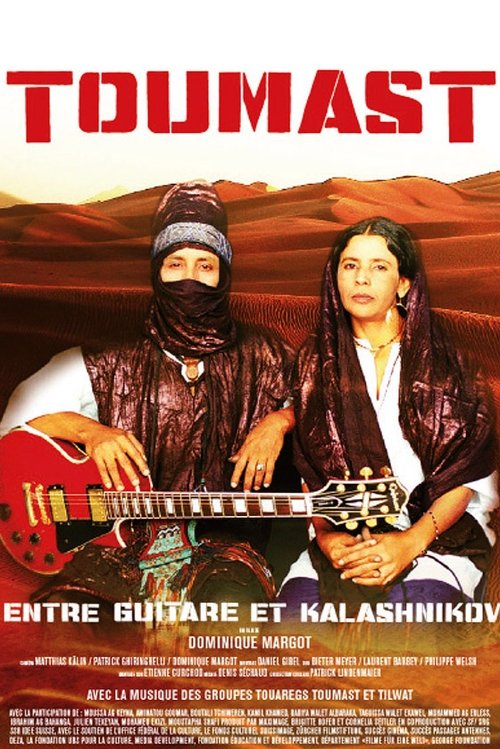
In 1996, Kalashnikovs were publicly burnt in Timbuktu. At the time, the "Flame of Peace" symbolized the end of the Touareg rebellion, which had been suppressed in bloody massacres. That year, the rebels laid down their arms. That year, with the government having made promises, the families who had fled abroad left Mauritania, Algeria and Burkina Faso to return home. In the fight for rights and survival waged by this people, who for centuries had found their freedom in one of the world's most inhospitable regions, the Sahara, culture and arms have been in direct competition ever since.