The SS chief Heinrich Himmler wanted to exchange Jews against so-called German Reich abroad, against arms sales or for cash - with the express approval of Hitler.
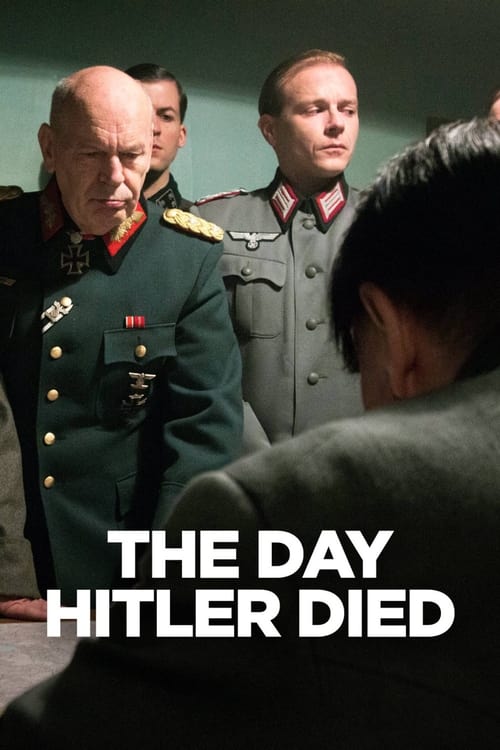
The story of Hitler’s final hours told by people who were there. This special features exclusive forgotten interviews, believed lost for 65 years, with members of Hitler’s inner circle who were trapped with him in his bunker as the Russians fought to take Berlin. These unique interviews from figures such as the leader of the Hitler Youth Artur Axmann and Hitler’s secretary Traudl Junge, have never before been seen outside Germany. Using rarely seen archive footage and dramatic reconstruction, this special tells the story of Adolf Hitler’s final days in his Berlin bunker.
While Nazi ideology dominated Europe, Adolf Hitler used all dogmas to his advantage and fed the cult of his personality. How did the Führer manage to transform the Bible, the Church and the symbols of Christianity into instruments of power, winning the support of the Germans? This documentary traces the rise of a little-known theological organization: the “German Christians”, which became the most powerful propaganda tool of the Third Reich.
A documentary-essay which shows Costică Axinte's stunning collection of pictures depicting a Romanian small town in the thirties and forties. The narration, composed mostly from excerpts taken from the diary of a Jewish doctor from the same era, tells the rising of the antisemitism and eventually a harrowing depiction of the Romanian Holocaust.
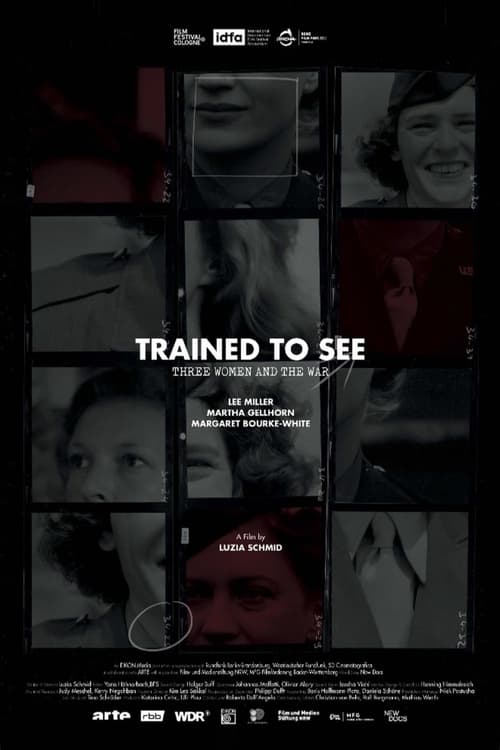
During the Second World War, women were for the first time allowed to work as war correspondents. Based on reports, letters and diary excerpts, filmmaker Luzia Schmid sketches a personal portrait of three fearless women and their unique attempts to report on the war.
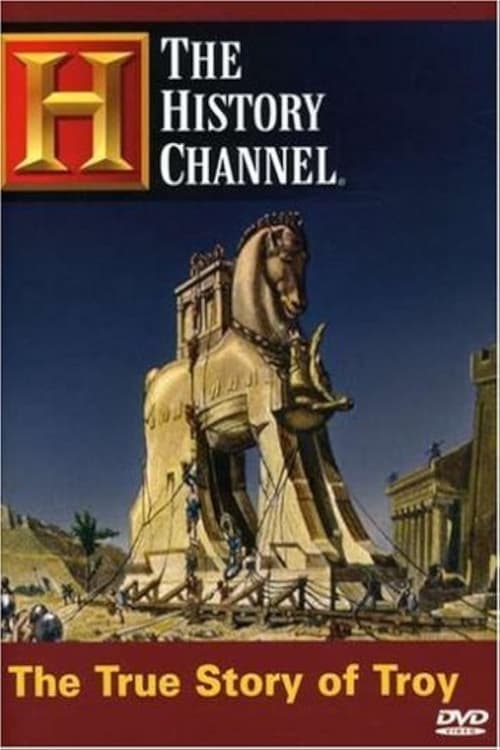
The story of the Trojan war is one of history's most enduring legends. A beautiful queen elopes with a foreign prince, which results in a decade-long battle that ends in the complete annihilation of an entire city. However, what grain of truth is there to this mythologicale tale of love and destruction?
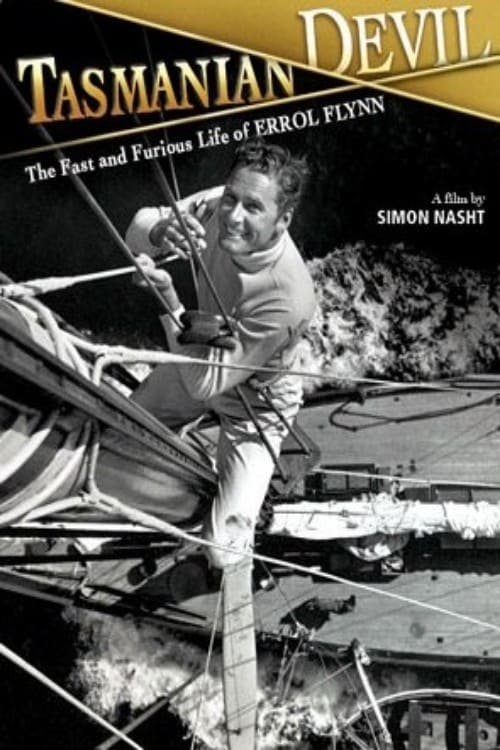
The story of Tasmanian-born actor Errol Flynn whose short & flamboyant life, full of scandals, adventures, loves and excess was largely played out in front of the camera - either making movies or filling the newsreels and gossip magazines. Tragically he was dead from the effects of drugs and alcohol by the time he was only 50 & the myths live on. But there is another side of Flynn that is less well known - his ambitions to be a serious writer and newspaper correspondent, his documentary films and his interest in the Spanish Civil War and Castro's Cuba
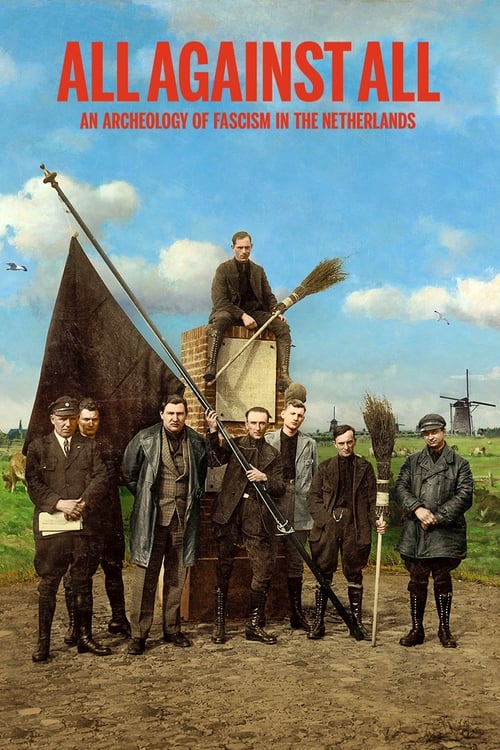
This richly illustrated historical documentary investigates the mechanism of nationalist feelings that radicalise. It shows how fascism was on the rise even a decade before the founding of the NSB, due to a number of anti-democratic initiatives led by a millionaire with a predilection for one-legged women, a market vendor, a cleric, and an artist. Historians, writers and collectors of fascist curios reveal how an initially marginal and fragmented movement grew into a radical populist party.
Cruelty, psychological and sexual violence, humiliations: reality television seems to have gone mad. His debut in the early 2000s inaugurated a new era in the history of the audio-visual. Fifty years of archives trace the evolution of entertainment: how the staging of intimacy during the 80s opened new territories, how the privatization of the biggest channels has changed the relationship with the spectator. With the contribution of specialists, including philosopher Bernard Stiegler, this documentary demonstrates how emotion has made way for the exacerbation of the most destructive impulses.
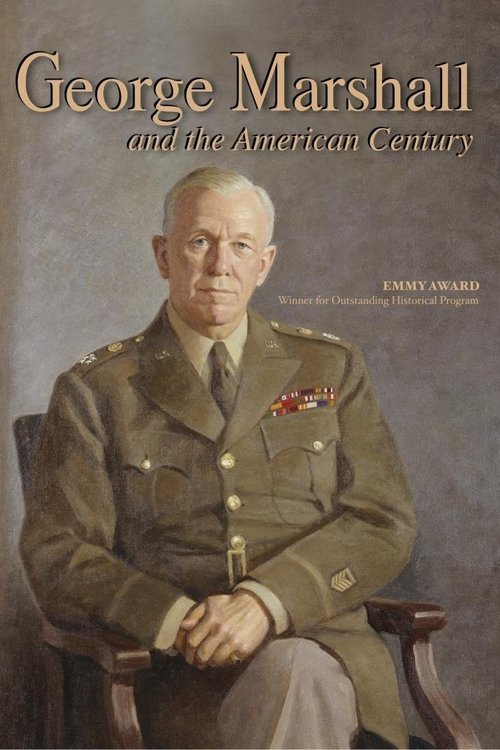
He built the mightiest army in history and selected its leaders. Eisenhower, MacArthur and Patton all obeyed his commands. George Marshall was the only soldier ever to receive the Nobel Peace Prize.
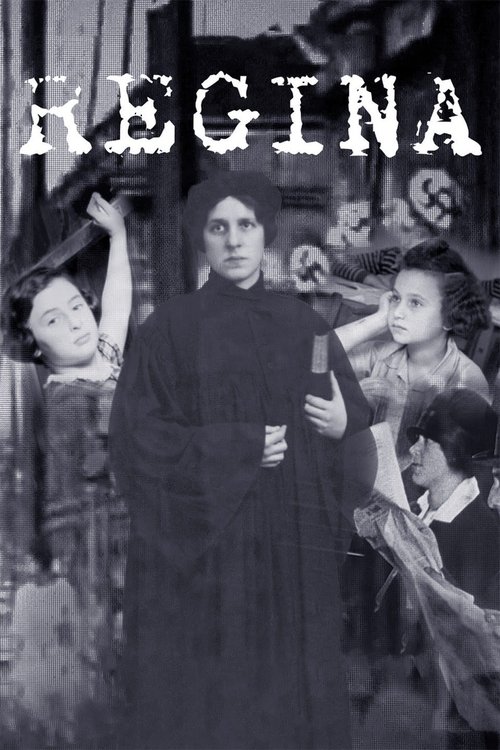
The first woman rabbi in the world, Regina Jonas, comes to light, courtesy of Rachel Weisz – who plays her – and her father George Weisz, who was the executive producer for this poetic and beautiful documentary. The daughter of an Orthodox Jewish peddler, Jonas was ordained in Berlin in 1935. During the Nazi era and the war, her sermons and her unparalleled devotion brought encouragement to the persecuted German Jews. Regina Jonas was murdered in Auschwitz in 1944. The only surviving photo of Jonas serves as a leitmotif for the film, showing a determined young woman gazing at the camera with self-confidence.
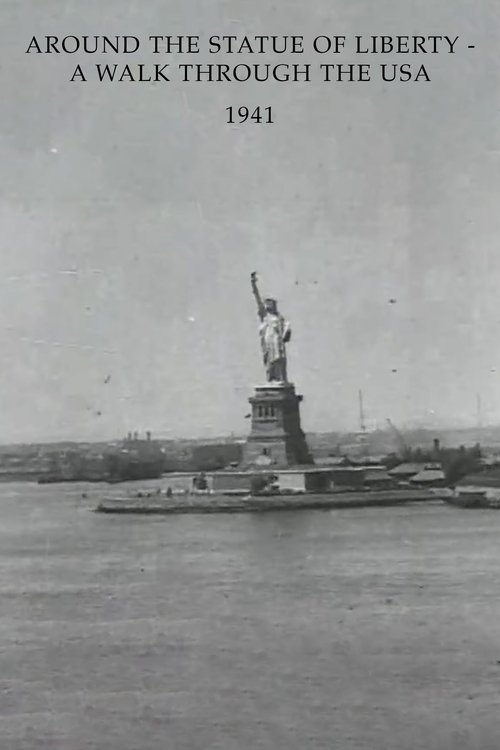
Nazi propaganda film “exposes” the United States and its plans against Germany and the German people. Shows so-called signs of decay, gang-wars, slums, riots of blacks, etc. Small wonder, the comment is, that the Statue of Liberty turns it back on America.