After 48 years of emotional longing, a mother meets her son who she relinquished at birth. In the months after the reunion, Dorothy and Joe must overcome nearly five decades of separation in order to reconnect.
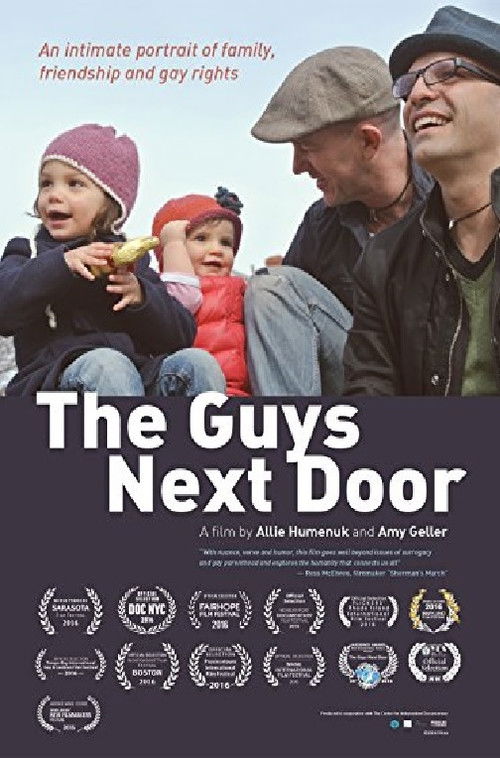
An intimate portrait of a real Modern Family: Meet Erik and Sandro, a gay couple with daughters birthed by their friend Rachel who's married with three teenagers of her own.
My Flesh and Blood is a 2003 documentary film by Jonathan Karsh chronicling a year in the life of the Tom family. The Tom family is notable as the mother, Susan, adopted eleven children, most of whom had serious disabilities or diseases. The film itself is notable for handling the sensitive subject matter in an unsentimental way that is more uplifting than one might expect.
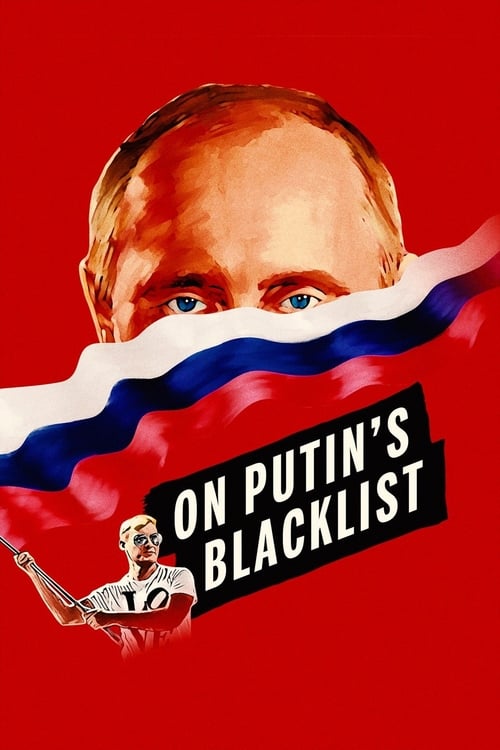
Traces the new Cold War between Russia and the West from the ban on American citizens adopting Russian children to the Kremlin’s anti-LGBTQ campaign, which positions the international marriage equality movement as a national threat.
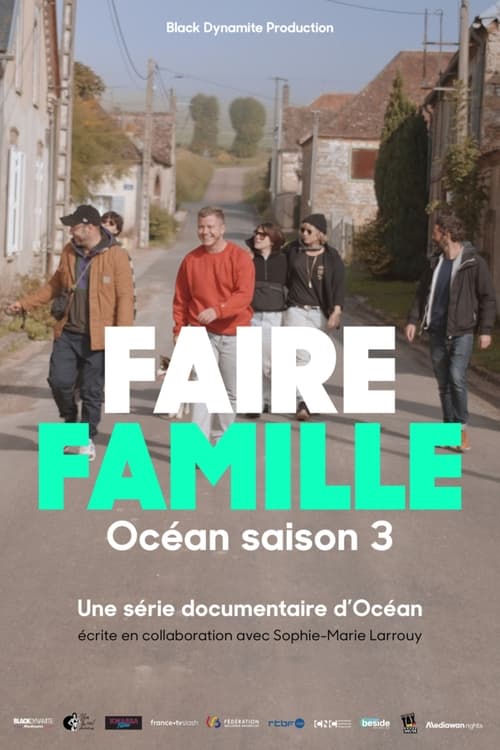
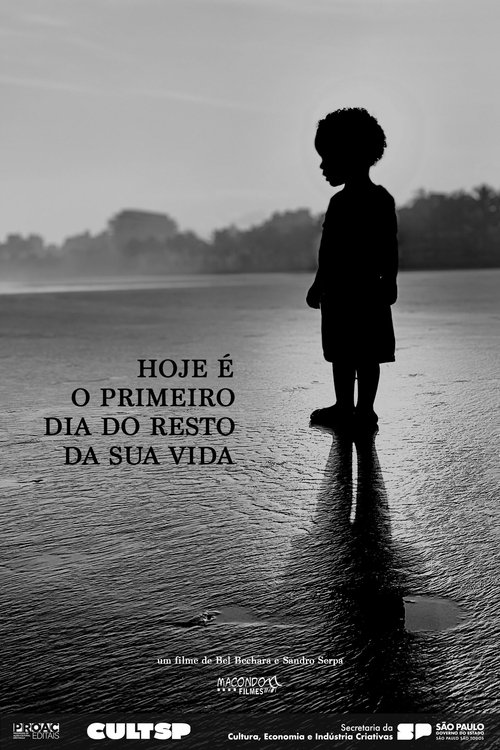
During the pandemic, living under an extreme right-wing government, filmmakers Bel Bechara and Sandro Serpa receive the news that would change their lives: there was a baby to be adopted.
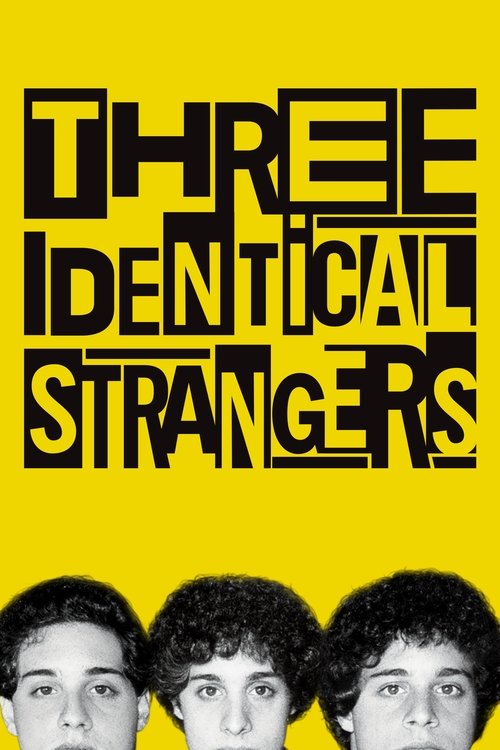
New York, 1980. Three complete strangers accidentally discover that they're identical triplets, separated at birth. The 19-year-olds' joyous reunion catapults them to international fame, but also unlocks an extraordinary and disturbing secret that goes beyond their own lives – and could transform our understanding of human nature forever.
Jackie Miller adopted her son, Scott, in the early 1970s. In 2008, Scott brought his mom to StoryCorps to ask her about that decision.
This feature documentary tells the complex and touching story of Winnipeg city councilor Glen Murray and his 17-year-old adopted son Mike, whose struggles with addiction and behavioural problems cyclically repeat. Glen, now an Ontario Member of Provincial Parliament, was one of the first openly gay elected politicians in Canada. He adopted Mike during an era when homophobic stereotypes often prevented gay men and women from adopting children. Glen and Mike's relationship is always tenuous and always turbulent as they struggle to define themselves together and alone.
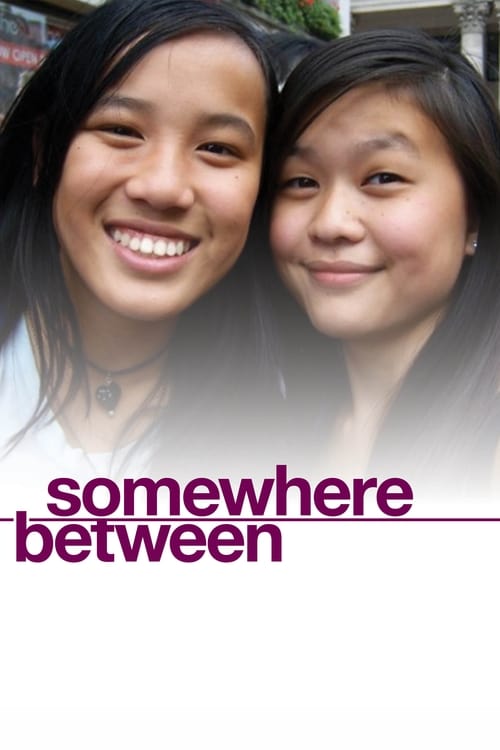
Through one woman's experience as an adopted person and also as a mother who relinquished her child in 1971, this documentary highlights the many complex issues associated with adoption.
A movie about two women who are mothers to the same child, and a child who belongs to two different worlds.
They were forced to assimilate into white society: children ripped away from their families, depriving them of their culture and erasing their identities. Can reconciliation help heal the scars from childhoods lost? "Dawnland" is the untold story of Indigenous child removal in the US through the nation's first-ever government-endorsed truth and reconciliation commission, which investigated the devastating impact of Maine’s child welfare practices on the Wabanaki people.
Following in the footsteps of two women in search of their origins, this documentary lifts the veil on a little-known page of the post-war era: the adoption, as part of a cross-border program, of thousands of children born during the French occupation of Germany.
Jan's father is not his father at all. The directors knows this and takes this fact as the starting point for a very personal documentary film project about the search for his biological father(s).
What does blood have to do with identity? Kendra Mylnechuk, an adult Native adoptee, born in 1980 at the cusp of the enactment of the Indian Child Welfare Act, is on a journey to reconnect with her birth family and discover her Lummi heritage.
An astounding exposé that gives voice to the unwitting subjects of an infamous American scientific experiment: the 1960s Neubauer-Bernard study of separated twins. Told from the perspective of the Jewish identical twins and triplets who were secretly split up in infancy and adopted through Louise Wise Services, a Jewish adoption agency, the documentary examines the traumatic, long-term effects of the separations — and continuing deception — on the children and their adoptive families.
In an effort to understand where she came from, Fabiola asked a question that became the central phrase of the film: what would my life have been like if I'd stayed in Haiti? Taking as her starting point her biological mother's precarious economic situation, she had no choice but to entrust her daughter to her care. Fabiola could have ended up restavek, or in a loving foster family, or on the streets abandoned to her fate, or adopted abroad.