By tracking scientists and Holocaust survivors in Lithuania, The Good Nazi tells the story of a Schindler-type Nazi officer who turned his back on his dark ideology and risked his life to save hundreds of Jews.
Neil Bennett
as Major Karl Plagge
Shipyard is a landmark documentary covering the creation and life of Bellingham, Washington's wooden boat shipyard, which was built in response to the Axis threat of WWII, it's continued growth through the '50's and '60's, as well as it's innovative role in the development and production of fiberglass boats, including patrol riverboats for the Vietnam war.
In a forest in eastern Poland, an archaeologist digs to bring to light the traces of the Sobibor extermination center. Thousands of objects that belonged to the victims are emerging from the ground as fragile witnesses. This research must be completed, because the construction of a new museum-memorial is beginning. How can the Shoah be commemorated on its own site, today and tomorrow, when an era without witnesses is emerging? How does the Shoah continue to work on the history and memory of Poland, of its citizens, within Europe, in a conflicting political context? The film looks at these questions by showing and hearing the voices of archaeologists, historians, architects, journalists, curators, and visitors linked to Sobibor.
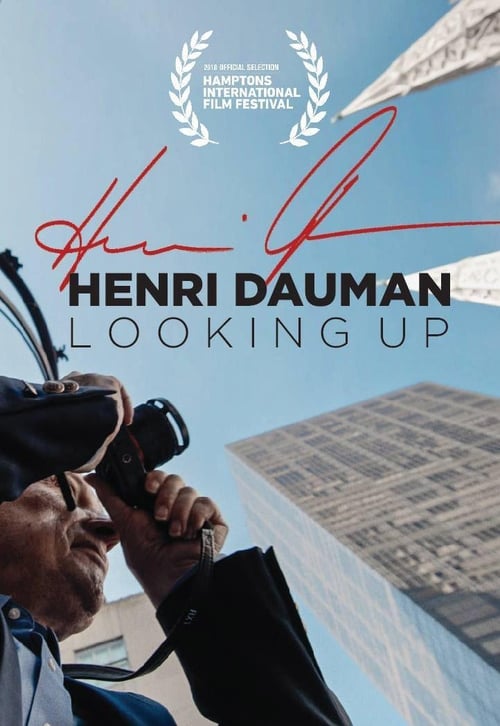
The perfectionist Life magazine photojournalist, famous for his pictures of Elvis, Jackie, and Marilyn, makes an emotional return to France, where he and his Jewish mother almost during World War II.
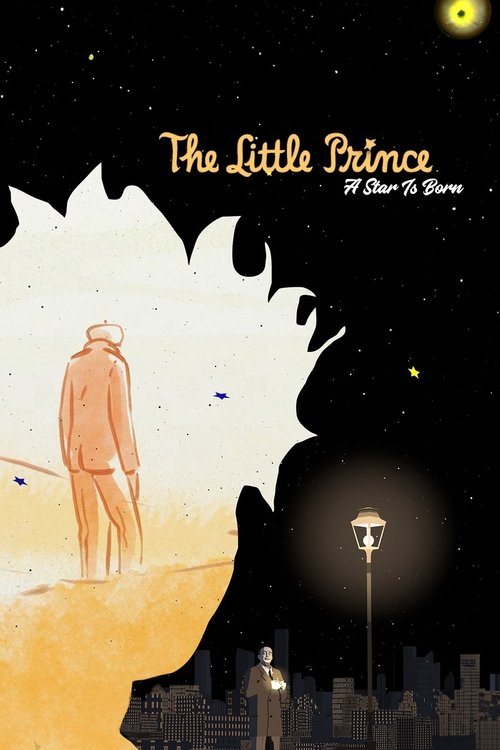
80 years are gone since The Little Prince was released. Author Antoine de Saint-Exupéry was also a pilot, and we follow his last four years from his US exile to when his plane in 1944 disappeared over The Mediterranean without any trace.
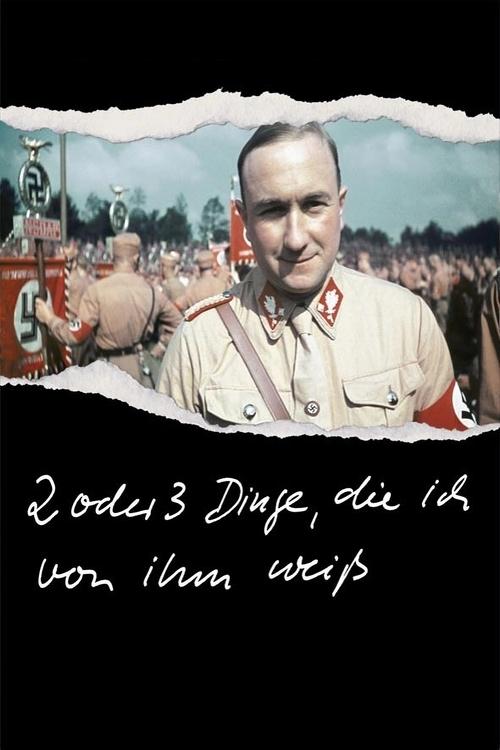
What would your family reminiscences about dad sound like if he had been an early supporter of Hitler’s, a leader of the notorious SA and the Third Reich’s minister in charge of Slovakia, including its Final Solution? Executed as a war criminal in 1947, Hanns Ludin left behind a grieving widow and six young children, the youngest of whom became a filmmaker. It's a fascinating, maddening, sometimes even humorous look at what the director calls "a typical German story." (Film Forum)
A documentary covering the actions of the 6th Marine Division on Okinawa during WWII.
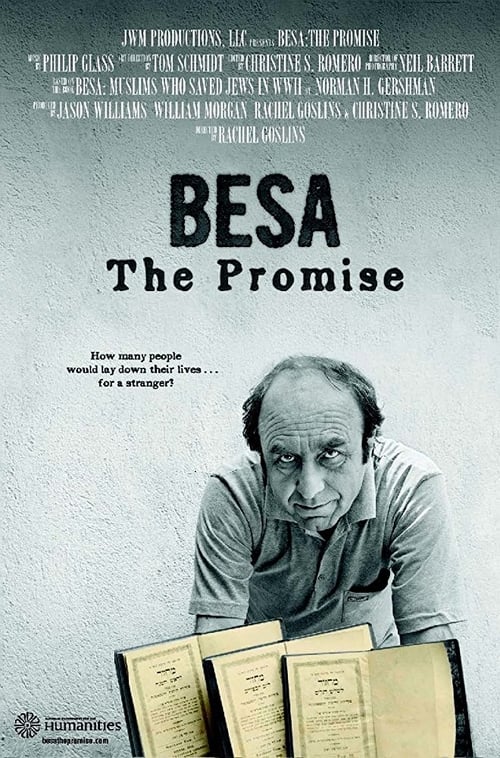
A documentary exploring how Albanians, including many Muslims, helped and sheltered Jewish refugees during WWII at their own risk, and trying to help the son of an Albanian baker that housed a Jewish family for a year return some Hebrew books that the family had to leave behind.
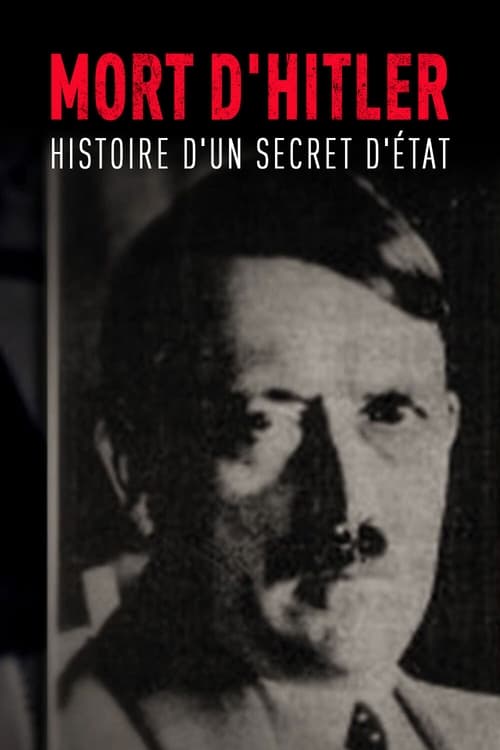
On April 30, 1945, while the Russian Army surrounded Berlin, Hitler committed suicide in his bunker. His body was discovered a few days later by the Soviets. He would be positively identified after a top secret inquest in which Hitler's personal dentist would play a central role. And yet, at the same time, Stalin publicly declared that his army was unable to find the Führer's body, choosing to let the wildest rumors develop and going so far as to accuse some of his Allies of having aided the monster's probable escape. What secrets were hidden behind this dissimulation? What happened then to the two ladies involved in the identification of Hitler’s body?
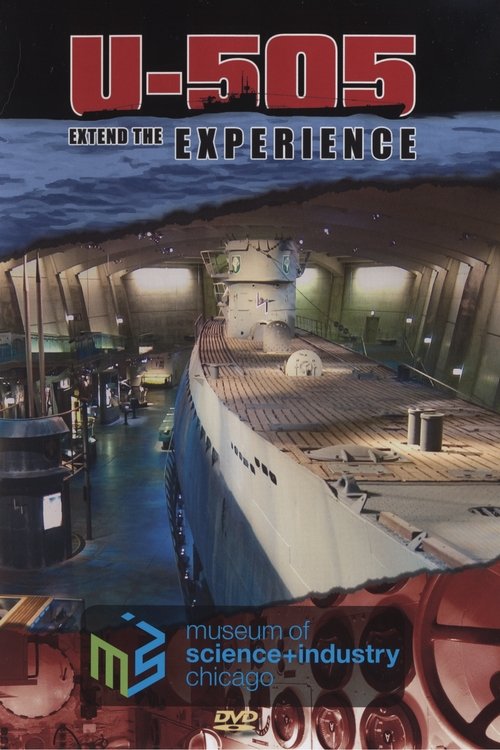
This video invites you inside the U-505 submarine, the actual craft that stalked the waters of the Atlantic before it was blown to the surface and captured on June 4, 1944. This immersive video reveals the technology and life aboard this sub in the days leading up to her capture. Among the many highlights, you’ll see crewmen bunks and the galley, wedged in among the mechanical workings of the sub.
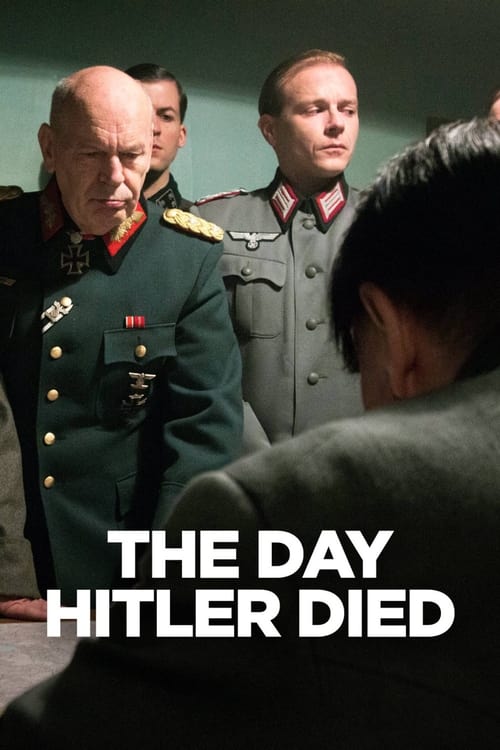
The story of Hitler’s final hours told by people who were there. This special features exclusive forgotten interviews, believed lost for 65 years, with members of Hitler’s inner circle who were trapped with him in his bunker as the Russians fought to take Berlin. These unique interviews from figures such as the leader of the Hitler Youth Artur Axmann and Hitler’s secretary Traudl Junge, have never before been seen outside Germany. Using rarely seen archive footage and dramatic reconstruction, this special tells the story of Adolf Hitler’s final days in his Berlin bunker.
Documentary brings the time of the Holocaust to life and provides insight into the mind of the organizer of this crime: Adolf Eichmann. The documentary contrasts Eichmann's statements and memories - documented in the original soundtrack - directly with those of Holocaust survivors. The picture of the person and the crime is rounded off by the many contemporary witnesses who were involved either in Eichmann's arrest or the subsequent trial - such as the doctors and psychologists who looked after him, the guards and police officers through to the interrogator, the public prosecutor and the judge at the trial.
Rino Della Negra, the son of Friulian emigrants in France, plays on the wing for Red Star in Saint-Ouen while fighting in the Resistance with the Manouchian group. Wounded and captured after an armed action, he is executed by the Nazis at Mont-Valérien on 21 February 1944, aged twenty. The documentary reconstructs his life through archive material, interviews with historians and relatives, and animated drawings.
Documentary using archival footage, newsreels and contemporary interviews with women of the WW2 Australian Women's Land Army.
Narrated by CBS Sports' Jim Nantz. The Seabees on Iwo Jima focuses on the United States Naval Construction Battalions in World War II, which built all the infrastructure for the Allies in Europe and the Pacific in WWII. The Seabees were construction workers by trade but had to fight at times. Their motto was "We Build, We Fight," and their biggest test came in the battle for Iwo Jima in 1945.
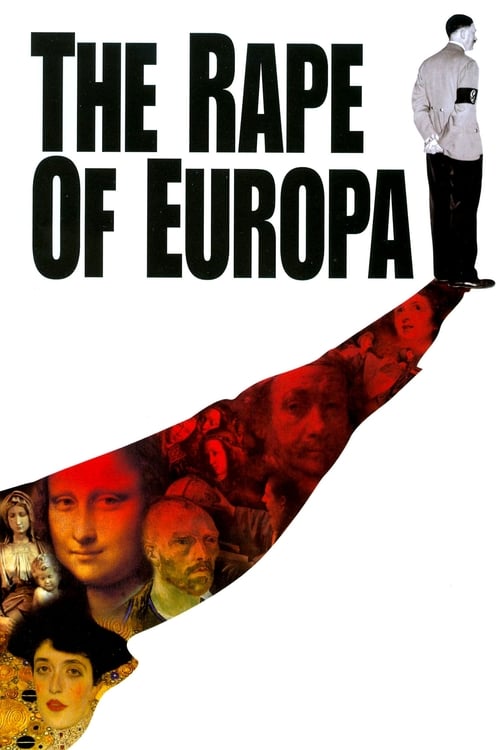
World War II was not just the most destructive conflict in humanity, it was also the greatest theft in history: lives, families, communities, property, culture and heritage were all stolen. The story of Nazi Germany's plundering of Europe's great works of art during World War II and Allied efforts to minimize the damage.