As the WHO warns the coronavirus is reaching a dangerous tipping point, watch the most up to date and comprehensive account of the extraordinary chain of events that have left the world on the edge of a pandemic.
Sharon Lewin
as Herself
Raina MacIntyre
Stephen McDonell
as Himself
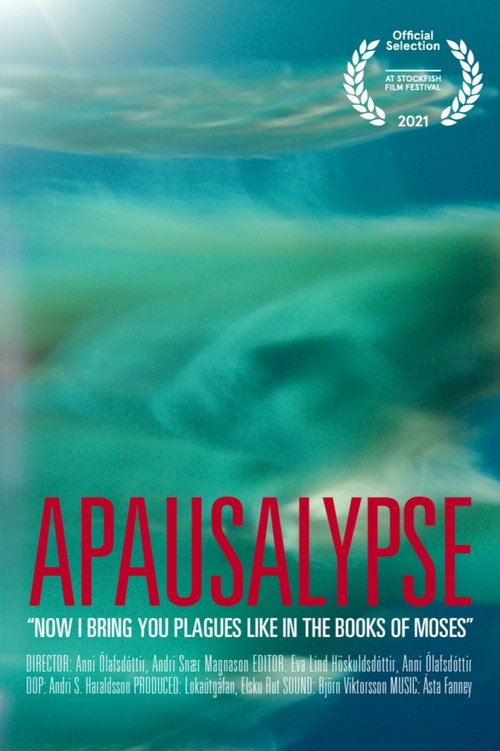
After experiencing a certain void when the premier of their film “The Third Pole” was cancelled due to the Pandemic. The film makers decided to go on a journey with their cameraman Andri Haraldsson and capture those strange times.
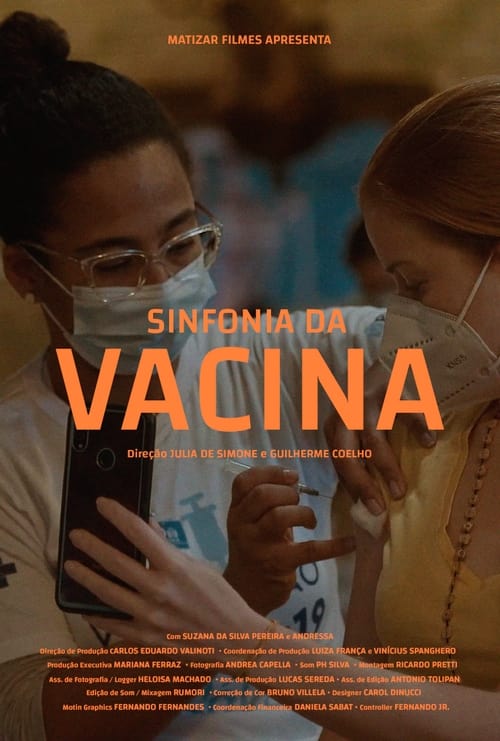
Sinfonia da Vacina (Vaccine Symphony) follows a day of vaccination against Covid at the Municipal Theater in Rio de Janeiro: when the stage closes for the show, but opens up for collective care during this very important period for Brazil.
Featuring seven stories from seven auteurs from around the world, the film chronicles this unprecedented moment in time, and is a true love letter to the power of cinema and its storytellers.
May 2021: The world sees a way out of the coronavirus pandemic. Manuele Bertoli takes over as President of the Ticino cantonal government and enters his last term of office with a great deal of optimism. But things don't turn out as he had hoped.
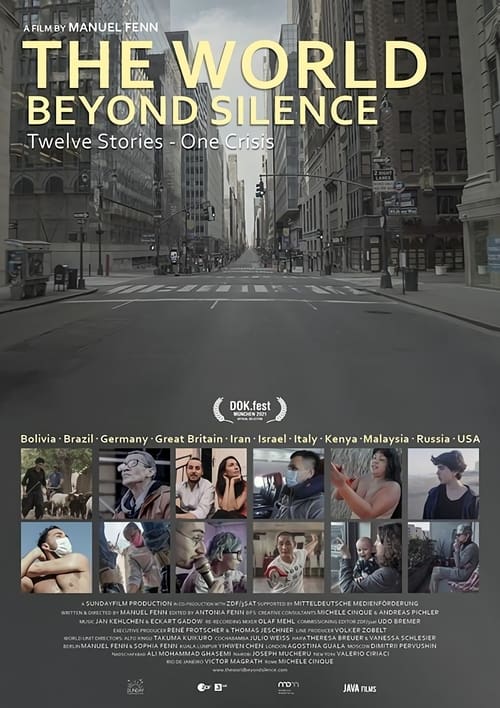
The pandemic has many faces. It has affected everyone across the world, but each of us in a different way. A collection of individual fates observed in fine detail. And a filmic world tour that looks down on places of residence from above and yet gets very close to the people.
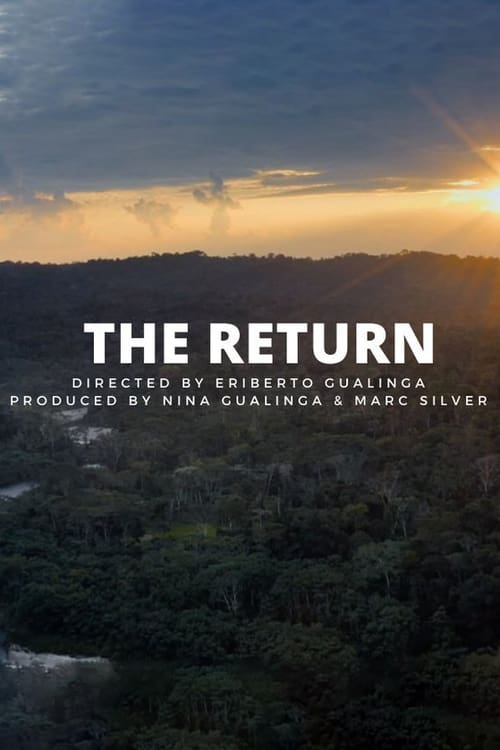
It’s spring in the Ecuadorian Amazon and the Uyantza festival is underway with the community celebrating all that the forest has to offer. Meanwhile, news is breaking around the world that a novel virus is spreading and a state of emergency is declared across the country. As people test positive for COVID-19 in the community, some families decide to leave and head deeper into the jungle. Disconnected from school, friends, the internet, and work, one family learns to reconnect with life in the forest. The children begin to unlearn the national curriculum, and instead are taught Indigenous knowledge that mainstream schools normally pass over. As COVID-19 wreaks havoc around the planet, the family reconnect to their ancestral ways, but as news arrives that Ecuador’s lockdown will end soon, will the family choose to return?
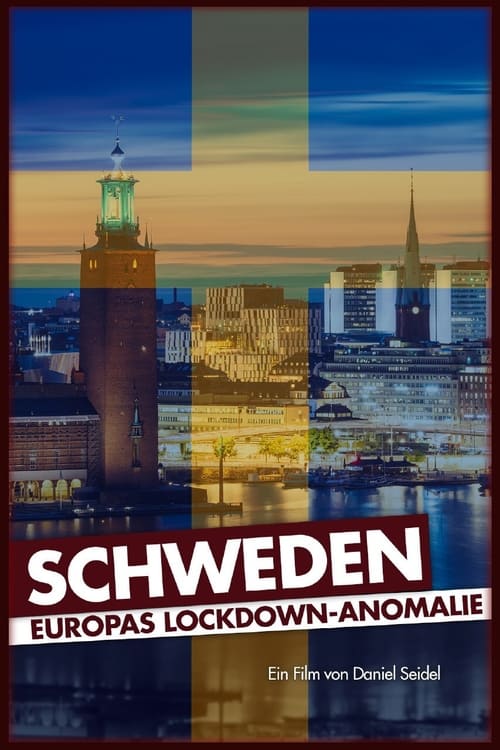
Oh how nice is Panama. However, it may be even nicer in Sweden. At least in winter 2020/21, when a small virus called SARS-CoV2 paralyzed the continent of Europe in particular. While in most countries the fight against the virus was announced with a wide variety of measures such as lockdown, compulsory masks and contact restrictions, which were also punishable by law, Sweden went a different way.
With his industry on lockdown and no end in sight, Toronto chef Luke Donato tries to keep his culinary passion alive during the COVID-19 pandemic - even if it means teaching a group of misfits online.
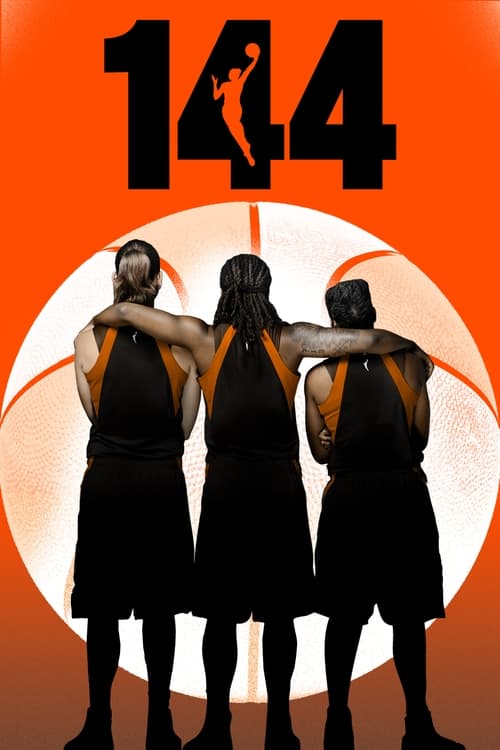
In the wake of the COVID-19 pandemic, the 2020 WNBA season pivoted into a bubble site in Bradenton, Florida – where 144 players across 12 teams convened to face the rigors of an unrelenting schedule and finish their battle for a championship; all while just as dedicated to amplify social activism in response to the injustices that gripped that same summer. A documentary from ESPN Films.
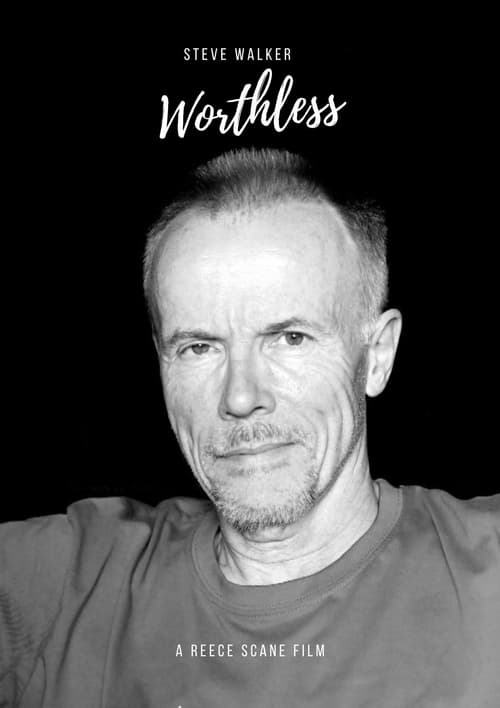
Worthless Tells The Story Of Steve Walker's Journey Through Lockdown, How He Coped & How He Sees The Future Of The World.
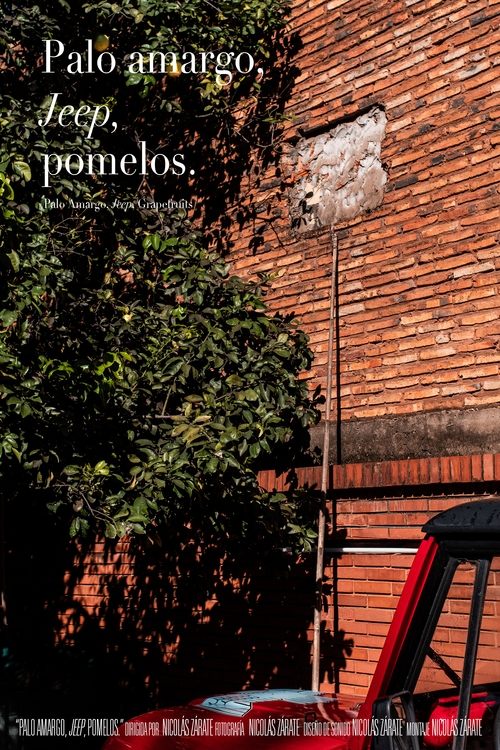
Faced with the global crisis due to the COVID-19 pandemic, the head of a family trusts in the curative and preventive properties of the Palo Amargo tea, but his believes end up reverberating within the family dynamic.
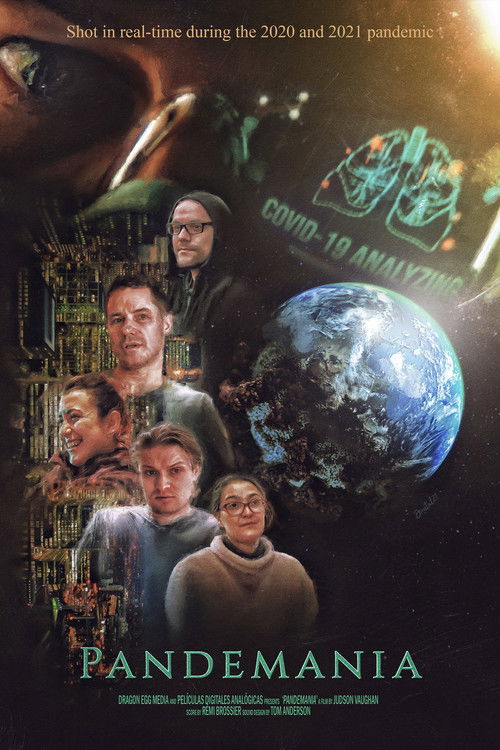
Documentary following the struggles of five housemates during a pandemic and their communication with the outside world.
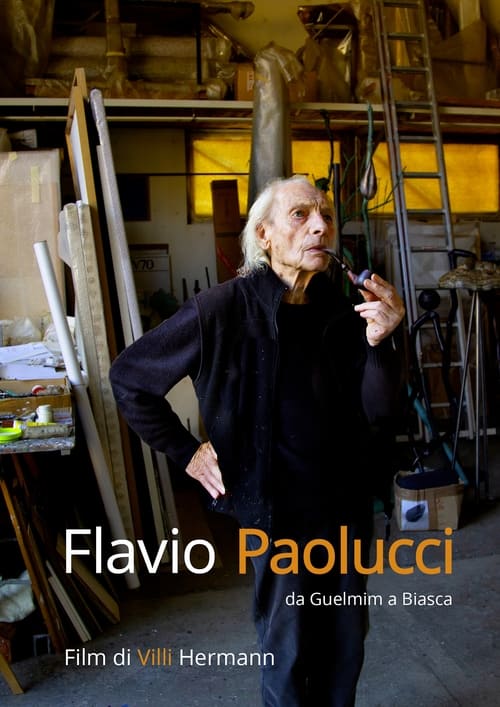
In 2022, an exhibition on the Swiss painter-sculptor Flavio Paolucci was planned in a German museum. The museum had reserved a white wall on which the artist was to create a work. Everything was ready, but the pandemic prevented the 88-year-old artist from travelling. So Flavio Paolucci had the idea of creating this mural in his studio and then destroying it.
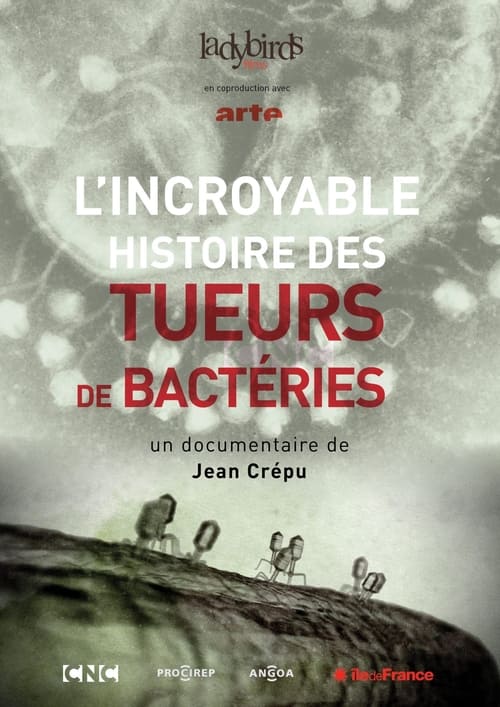
More and more bacteria are becoming insensitive to antibiotics, not least due to excessive drug consumption. According to the EU, this problem could soon become as explosive as the environmental issue - and antibiotic resistance threatens to become one of the main causes of death worldwide. Research must therefore find alternatives - not miracle cures, but permanently effective drugs. There has already been one in the past: One hundred years ago, the French biologist Félix d'Hérelle discovered mysterious "bacteria-eating" viruses, known as bacteriophages or phages for short. He used these to successfully treat bacterial infections before the development of antibiotics, but his method was forgotten again. Is bacteriophage therapy the miracle medicine of the future?
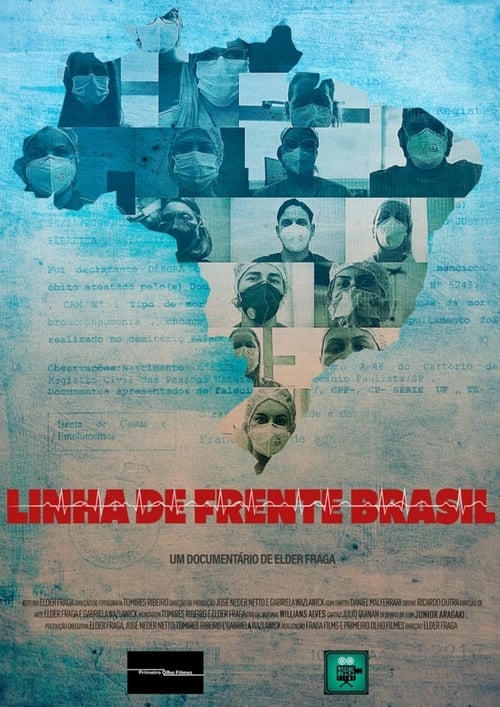
The film also recorded the beginning of the pandemic in China through the lens of international correspondent Marcelo Espíndola, roasting in São Paulo, Santos, Manaus and Pará. As well as Dr. Roberto Eballos (Doctor and Master in Immunology), Dr. Gustavo Pasquarelli (Infectious) and 23 other health professionals.
Danish documentary about the relationship between Queen Magrethe II and the prime ministers.
Follow the journey of a time capsule of the live music industry shut down overnight by the Covid-19 pandemic, as seen through the eyes of artists, venue owners, promoters, road crews, and more.
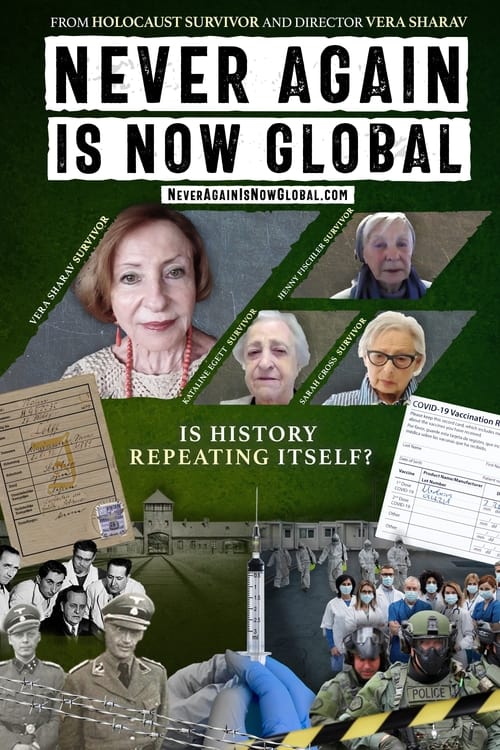
Holocaust survivors, children of survivors, and grandchildren - as well as German freedom fighters - express their shock at the Covid era's fear-mongering and divisive dictates that are reminiscent of the prelude to the Holocaust. This ambitious five-part docu-series is the brainchild of Holocaust survivor and human rights activist Vera Sharav.
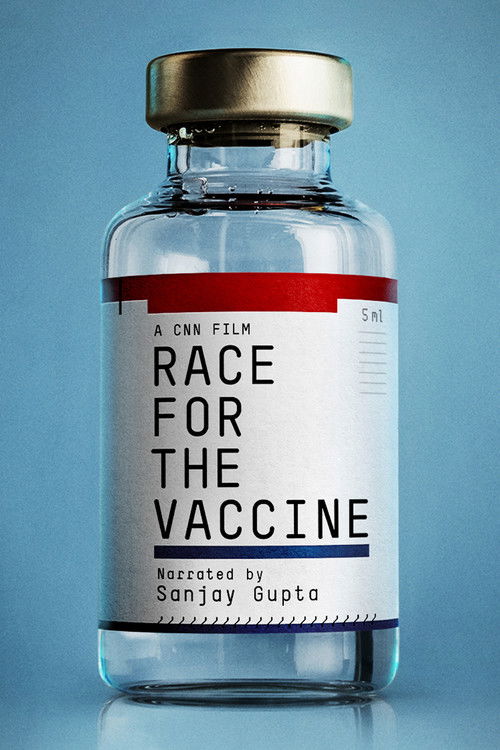
As news of the coronavirus broke around the globe, a small group of scientists jumped into action to tackle one of the greatest medical challenges of our time: to create a vaccine against a virus no one had ever seen before, and to do so in record time, during a deadly, global pandemic.