Leaving the studio to go out and capture real life: that was the impressionist aesthetic. Claude Monet was its most famous proponent and artist. This documentary reveals the places that inspired the painter during his lifetime.
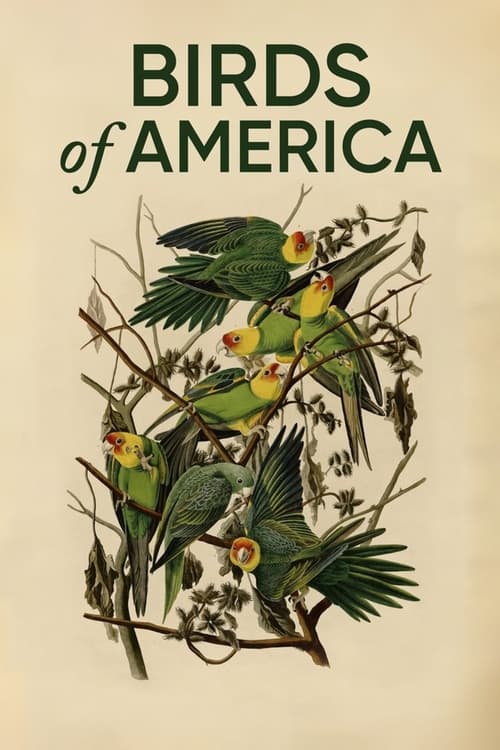
In the first half of the 19th century, the French ornithologist Jean-Jacques Audubon travelled to America to depict birdlife along the Mississippi River. Audubon was also a gifted painter. His life’s work in the form of the classic book ‘Birds of America’ is an invaluable documentation of both extinct species and an entire world of imagination. During the same period, early industrialisation and the expulsion of indigenous peoples was in full swing. The gorgeous film traces Audubon’s path around the South today. The displaced people’s descendants welcome us and retell history, while the deserted vistas of heavy industry stretch across the horizon. The magnificent, broad images in Jacques Loeuille’s atmospheric, modern adventure reminds us at the same time how little - and yet how much - is left of the nature that Audubon travelled around in. His paintings of the colourful birdlife of the South still belong to the most beautiful things you can imagine.
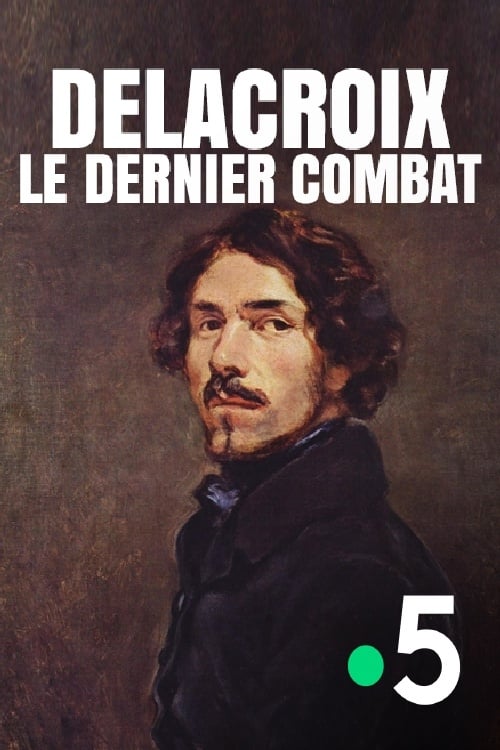
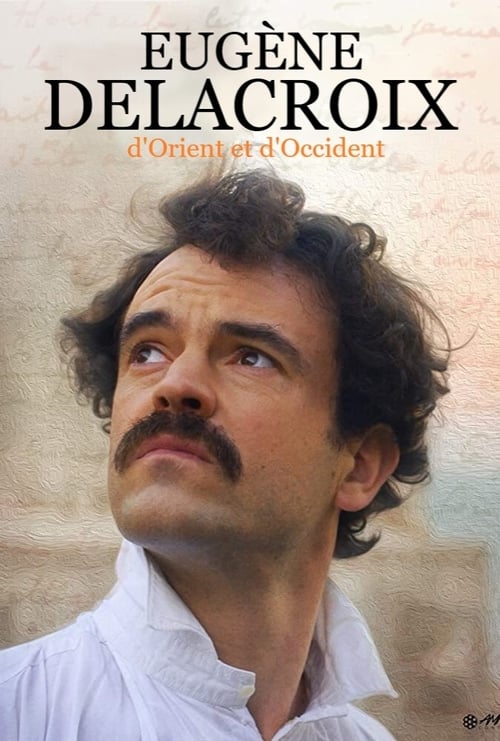
Romantic art was a response to the social upheavals of the 19th century, as shown by works by its emblematic painters Friedrich, Venetsianov and Delacroix.
Ernest Pignon Ernest is a French visual artist who is considered one of the pioneers of urban art in France. This film recounts the major stages of a considerable body of work that began in the 1960s on the Albion plateau and culminated in Les Extases at the Abbey Church of Bernay. The film gives him space to speak freely, generously, and with conviction. Ernest Pignon Ernest's hands are ancient, reaching back from Caravaggio to Titian, from Masaccio to El Greco. His works speak to us. They transform our streets into fictional spaces, reminiscences, rituals.
Toulouse-Lautrec's sketchbooks are turned into an animated short.
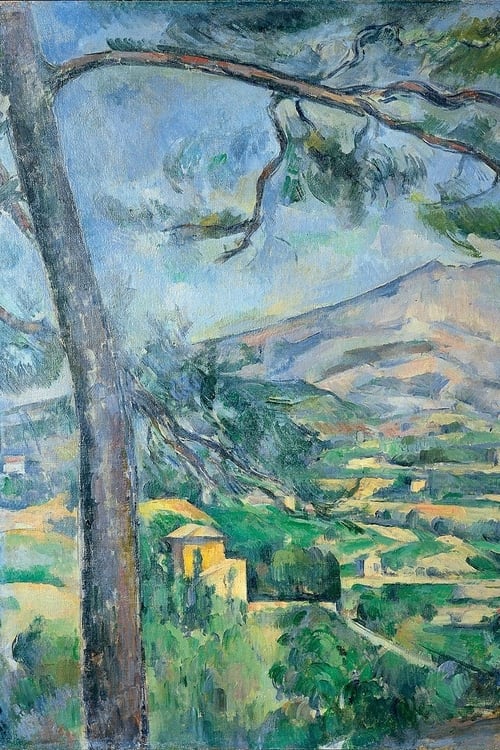
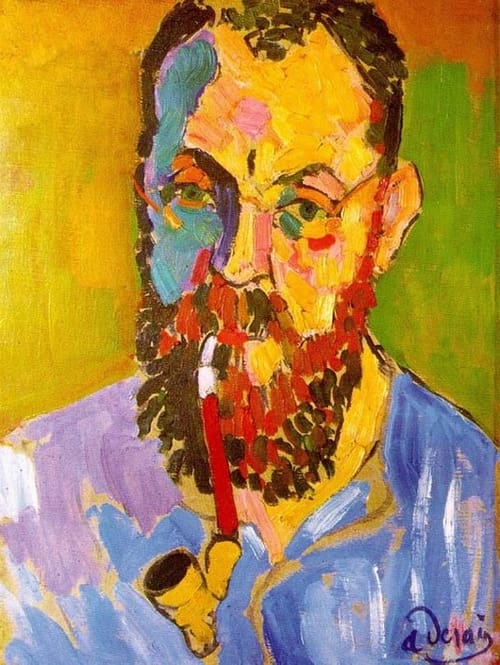
Explore the life and work of the painter who formed a bridge between the Impressionist and Cubist art movements at the turn of the century.
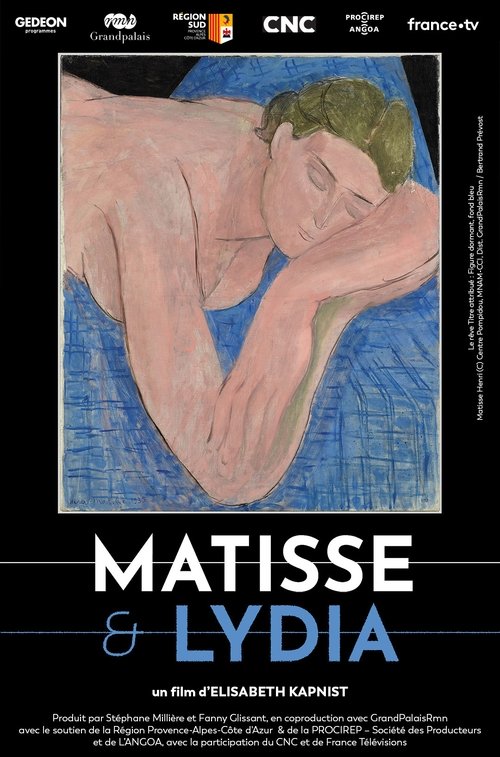
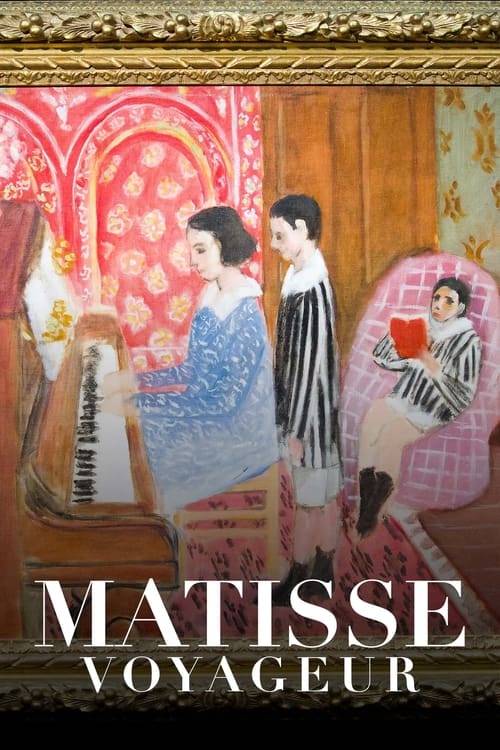
On the occasion of the 150th anniversary of Matisse's birth and of the exhibition at the Center Pompidou which will be dedicated to him in 2020, this art documentary brings us back to life of the journeys made by Matisse that influenced his art. And particularly his last trip to Polynesia in 1930 which will bring him to the threshold of contemporary art with the invention of his gouache cut-out papers.
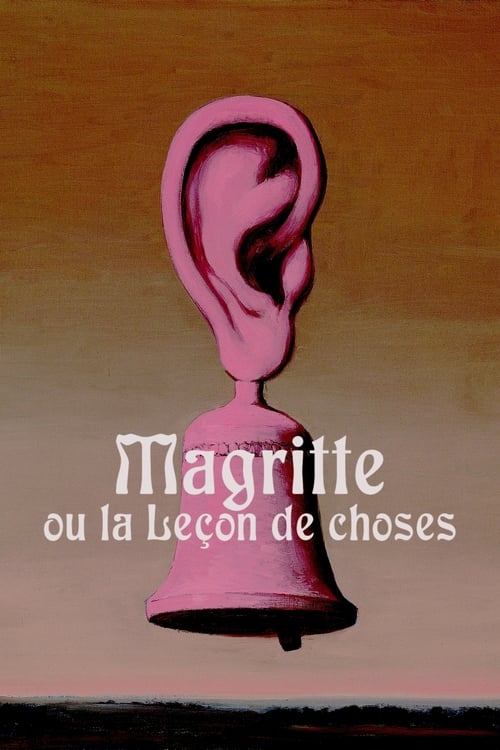
The surrealist painter René Magritte questions the objective reality and emphasizes the arbitrariness of the relationship between an object, its image and its name: the evocation of mystery consists of images of familiar things gathered or transformed in such a way that they no longer conform to our ideas, whether naive or wise.
Public light rips through the night of a modern city. Sleeplessness is lit up by a computer monitor in an urban space, where day and night are no longer distinguished. Starting from videos of thermal cameras found online, a reflection goes through the changes in the contemporary city, the extension of social control mechanisms and the evolution of digital technologies to face the frontiers of a progressive expansion of the field of visible - and controllable - in the surveillance society.