This is the story of a Greek physician who collects pendants and bracelets. This is the story of an Italian woman who has been fighting for 15 years to «make bodies talk.» This is the story of those who watch over the forgotten migrants.
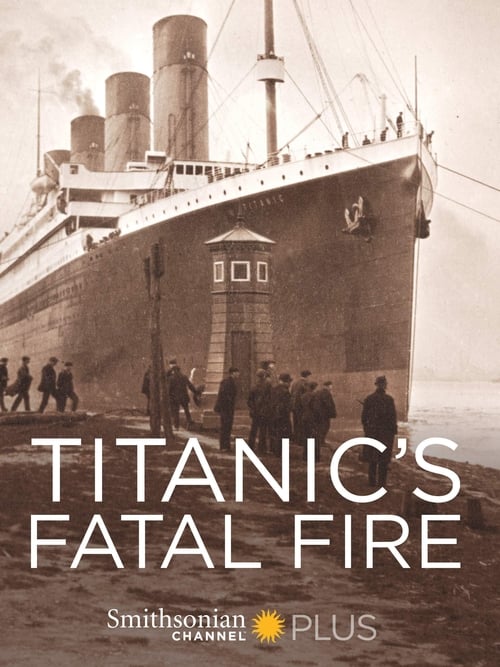
The sinking of the Titanic sent shockwaves around the world and started debates that continue to this day. But new, explosive evidence from the most unlikely of sources may finally lay all arguments to rest and reveal, for the first time, the full story of what possibly doomed the "unsinkable" liner. Join us as we unveil recently discovered and never-before-seen photographs of the super ship that exposes shocking clues that investigators and historians once dismissed but can no longer ignore.
The sinking of the RMS Titanic remains one of the most enduring and mysterious tragedies of the 20th century. For decades, investigators and amateurs alike have floated theories for why it occurred and who was to blame for the extraordinary loss of life, but no one answer could fully explain what happened. Until now. To mark the 100th anniversary of the infamous disaster, Smithsonian Channel will premiere Titanic's Final Mystery. The two-hour special investigates a century of theories and uncovers astonishing new forensic evidence that proves the most likely theory for the case.
Nothing predisposed a rural commune in the Loiret region such as Beaune-la-Rolande to embody the height of the Holocaust in France. Yet it was there that a camp was set up where Jewish families were interned, separated, their children abandoned to their fate before being deported alone to their deaths. Long hidden from view, more than eighty years after the events, this tragedy remains a sensitive subject that can still divide opinion on what should or should not be done to ensure it is not forgotten. Following personal journeys and collective commitments, this film meets activists, elected officials, and teachers who are committed to helping a region recover its memory and reconnect with its history, however painful it may be.
Recalling his childhood and relationship with his mother, a film student tries to understand the origin of his love for cinema and tragedies.
Explore the 1928 collapse of the St. Francis Dam, the second deadliest disaster in California history. A colossal engineering and human failure, the dam was built by William Mulholland, a self-taught engineer who ensured the growth of Los Angeles by bringing the city water via aqueduct. The catastrophe killed more than 400 people and destroyed millions of dollars of property.
An experimental study of nature through three stories and how we have destroyed it.
The SS Central America, a steamer carrying a cache of gold, sank off the southeast coast of the United States in 1857. Part mystery, part adventure story, the film recounts how a group used Bayesian theory to find the ship — and the gold.
The Battle of the Falklands, between a Royal Navy task force and five German cruisers, was one of the most dramatic and bloodiest sea conflicts of World War I. When the smoke cleared, four of the German ships had sunk, including the flagship and pride of the German fleet, the SMS Scharnhorst. For decades, none of the downed vessels were ever found. Now, more than 100 years later, maritime archaeologist Mensun Bound and his team are searching for the ships and the secrets they hold. It's a race against time and the raging South Atlantic Ocean.
Chronicles the history of the legendary Edmund Fitzgerald, which sank in a violent storm with the loss of the entire crew in Lake Superior on November 10, 1975. In the summer of 1995, the Great Lakes Shipwreck Historical Society, National Geographic Society, Canadian Navy, and Sony Corporation descended to the site of the wreck, more than 500 feet below the surface of the lake. This documentary takes a look at their expedition.
Patrick Bourgeois dives into the history of one of the worst naval tragedies that ever occurred in Quebec. In 1711, Admiral Hovenden Walker lead a 75-ship English fleet, carrying 15 000 soldiers, towards Quebec City. Eight of his boats shipwrecked on l’Île-aux-oeufs and 1000 people lost their life.
Forty years later, rock legends Pete Townshend and Roger Daltrey sat down for first-of-a-kind, exclusive interviews with WCPO Anchor Tanya O’Rourke. Their candid revelations about the horrific night of Dec. 3, 1979 in Cincinnati form the basis for O'Rourke's historical documentary, "The Who: The Night That Changed Rock."
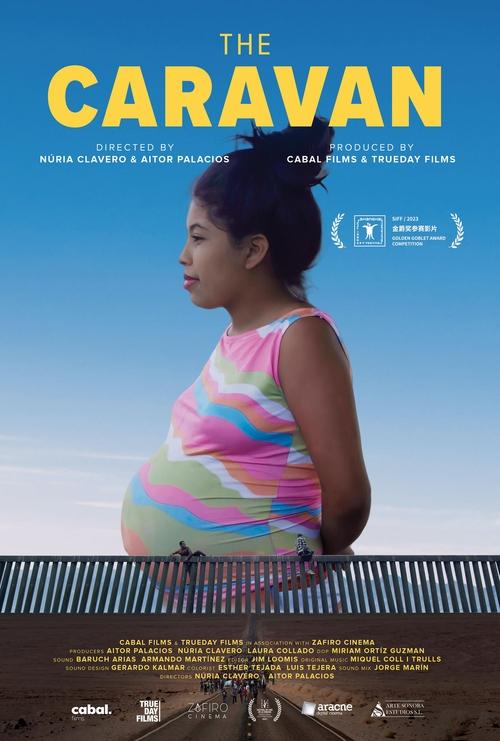
We accompanied an 8 months pregnant Yuri, who migrates with her partner Mike and her son Santi with one objective, to give birth in USA
The late Len Bias still leaves more questions than answers. When Bias dropped dead two days after the 1986 NBA Draft, he forever altered our perception of casual drug use and became the tipping point of America's drug crisis in the mid-80's. Future generations continue to face the harsh punishment of drug policies that were influenced by the public outcry after his heartbreaking death. Instead of becoming an NBA star, he became a one-man deterrent, the athlete who reminded everyone just how dangerous drug use can be. Amazingly, questions still linger about his death nearly a quarter-century later. How good could he have been in the pro ranks? Has he become underrated or overrated as the years pass? How could a University of Maryland superstar and Boston Celtics lottery pick be derailed by a cocaine binge? Was Bias a one-time user as we were led to believe, or was there a pattern of recreational use that led to his fatal last night? Did he fall in with the wrong crowd.
Czech anti-immigration and anti-Islam activists have decided to start building an empire. But do they really believe what they preach? And how is this activity perceived by those around them? The film, three years in the making, is generally about the rise and fall of the popularity of right-wing populist parties and specifically follows the failed political career of Petr Hampel and Martin Konvička. Amateur reporter Tomáš Měšt'an also comes to the fore, first as a cameraman and then as an active co-creator of conspiracy stories.
With the good of the people in mind, Valery Legasov, a Soviet scientist called to the scene of the Chernobyl nuclear disaster, stands up to censorship behind the Iron Curtain.
Ghost Island follows a team of paranormal investigators to a desolate island off the coast of Nova Scotia. Amid eerie ruins and whispered legends, they uncover not just ghostly encounters, but the human stories behind the island’s folklore—a haunting journey where history and the supernatural meet.
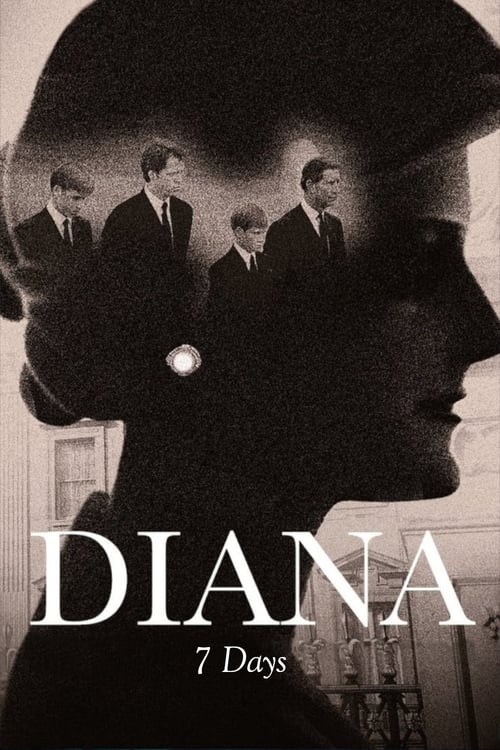
In August 1997, the tragic death of Diana, Princess of Wales, stunned her family and catapulted the British public into one of the most extraordinary weeks in modern history. What was it about Diana that resulted in such an outpouring of grief? And what does that week reveal about Britain's relationship with the monarchy, then and now?