Reading out loud one poem of Andrés Eloy Blanco, titled “Pleito de amar y querer” (Battle between loving and caring).
Joan Sebastián Araujo Arena
as Narrator
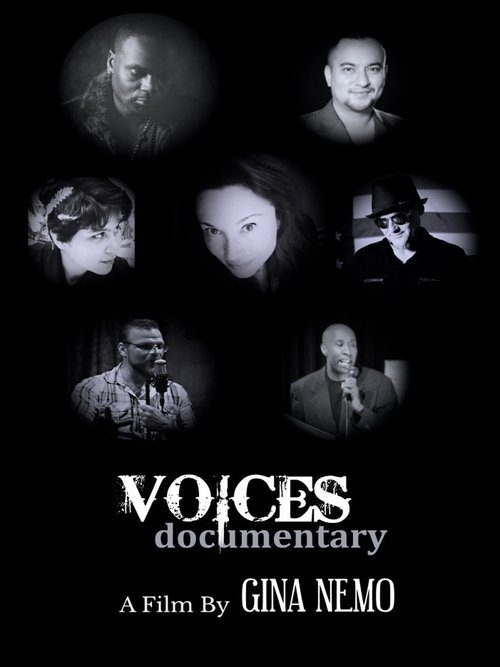
Poets from all walks of life speak their truth through their poetry. A film about poetry by award-winning Gina Nemo, Poet, Writer, Filmmaker, Award-Winning Singer & Actress.
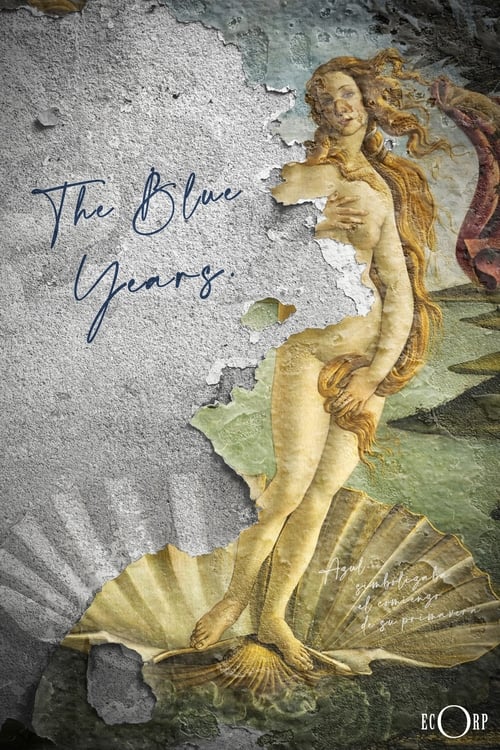
Rubén tries to describe the color blue as "The color of dreams, of art, of the ocean and of the firmament", thereby unleashing half a century of poetry.
Edgar Allan Poe is one of the most famous American authors. And probably the most abysmal. In his texts, he deals with the dark side of humanity like no other. And was himself scarred by this throughout his life. The writer not only shaped the genres of horror literature and science fiction novels, but today seems more popular than ever.
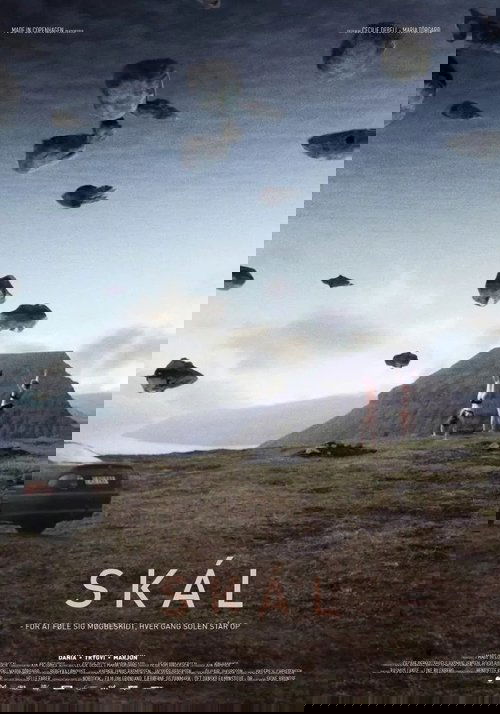
Dania is 21 years old and grew up in a Christian community in the Faroe Islands’ Bible belt. She has just moved to Tórshavn and is seeing Trygvi, a hip-hop artist and poet locally known as Silvurdrongur (Silver Kid). He comes from a secular family and writes poems and texts about the shadow sides of humanity. Dania herself sings in a Christian band but is fascinated by Trygvi’s courage to write brutally honest lyrics. As she tries to find her place in the world and understand herself, she starts to write more personal texts. Her writings develop into a collection of critical poems called ‘Skál’ (‘Cheers’), about the double life that she and other youths must live in the conservative Christian world.
‘Death Sounds a Quiet Gong’ was originally screened at Village Works (12 St. Marks Place, New York City, NY) on October 24, 2025. The poem was first published in the inaugural release of biannual literary journal the Tough Poets Review.
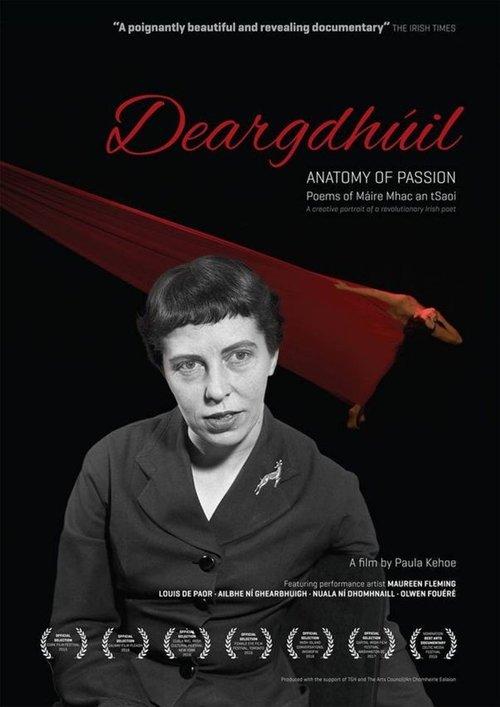
This was a labour of love combining the work of some incredible artists to bring Máire Mhac an tSaoi’s poetry into the medium of film. Deargdhúil: Anatomy of Passion explores the life, work and sensual poetic imagination of the revolutionary Irish poet Máire Mhac an tSaoi. Born in 1922, her story is set against a backdrop of a tumultuous century in Irish history in which she and her family were centrally involved. At a time when women's voices were being silenced, the native tradition in the Irish language was her stage to explore the depths of female sexuality and experience without shame. Featuring the movement poetry of performance artist Maureen Fleming, interview by Louis de Paor, poetry voiced by Máire Mhac an tSaoi, Ailbhe Ní Ghearbhuigh and Nuala Ní Dhomhnaill, autobiography script voiced by Olwen Fouéré.
A fascinating exploration of the literary — The Tragedy of Othello, the Moor of Venice, by English playwright William Shakespeare (1604) — and lyrical — Othello, by Italian opera composer Giuseppe Verdi (1887) — myth of Othello, the desperately tragic story of a Moorish general in the army of the Venetian Republic whose absurd jealousy poisons his love for his wife Desdemona.
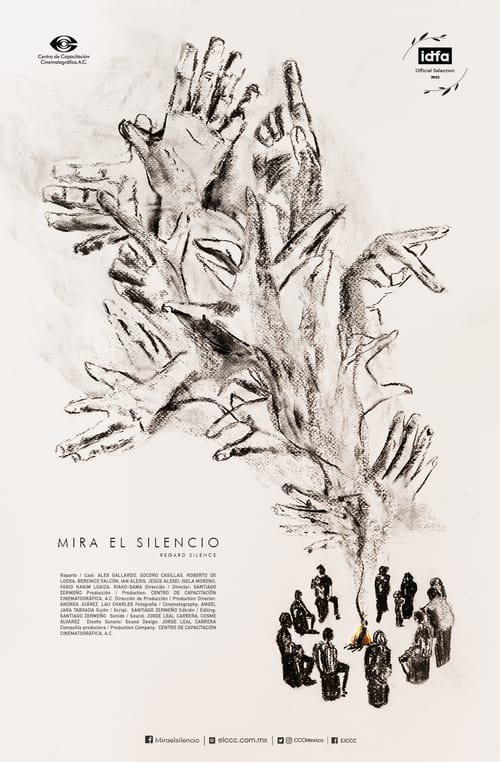
“I love poetry because it makes me feel like my mind expands.” In Regard Silence, that's the very first sentence expressed—in sign language of course. Watching the poems signed by deaf people in this film has a similarly mind-expanding effect. That’s because sign language—the Mexican version in this case—is a very different means of communication than written or spoken language.
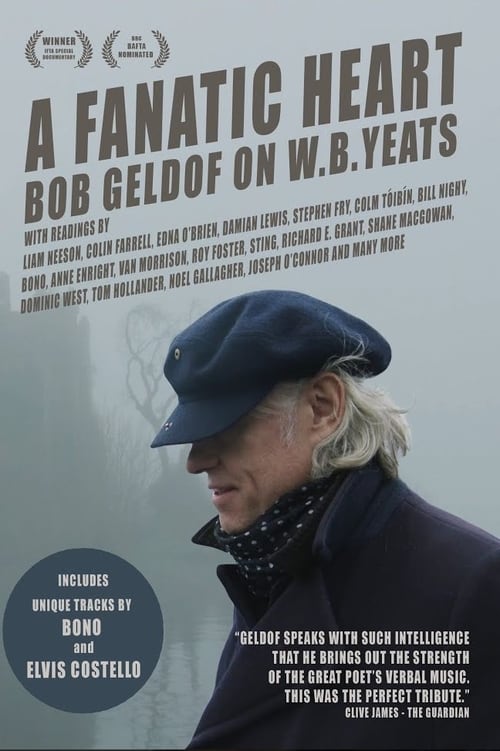
A biography of the poet W. B. Yeats and his contribution to the Irish independence movement as a Protestant nationalist.
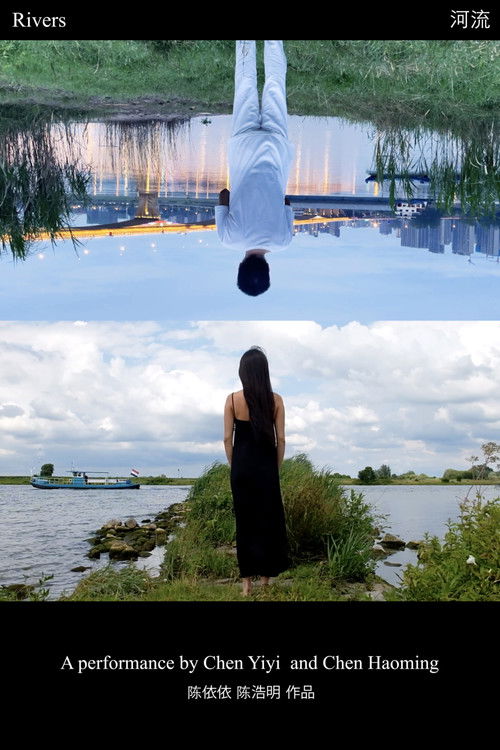
"The river Lek reminded me of the river Xiang in my hometown Changsha. I had not been home for 3 years and one of the connections with home was the poems my dad wrote me every day via WeChat. The rivers seemed equally significant for the people in the Netherlands and in Changsha. They are both a romantic connection and an important symbol of daily trade and industry. In a Wechat session my father and I simultaneously read three pairs of poems we wrote for this occasion, he by the Xiang and I by the Lek. Giving the words to the waters that ultimately will meet somewhere in the ocean. The video shows fragments of the performance which took place at the same time in Changsha and Culemborg in June. The full-length documentation is presented as a dual-screen video installation. The three poems written by me can be found on the page "Writing"."
Song is a story of the last Finnish rune singer and his pupil, and the comforting power of singing.
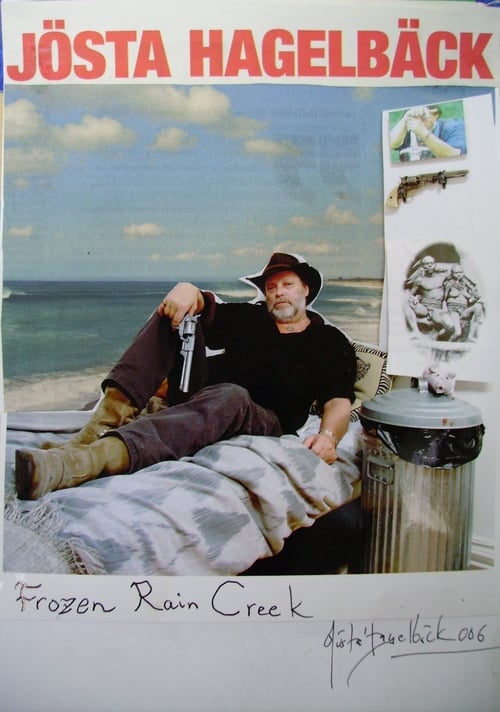
About Jösta Hagelbäck (1945-2009), Swedish film director, writer, poet, musician, actor etc. A human bipolar mixture of genius and madman. Invited to Hollywood, had an artistic hit with the film "Kejsaren/The Emperor" (1979) at the Berlin Film Festival.
Lockdown, lack of green space, Don Quixote and video games.
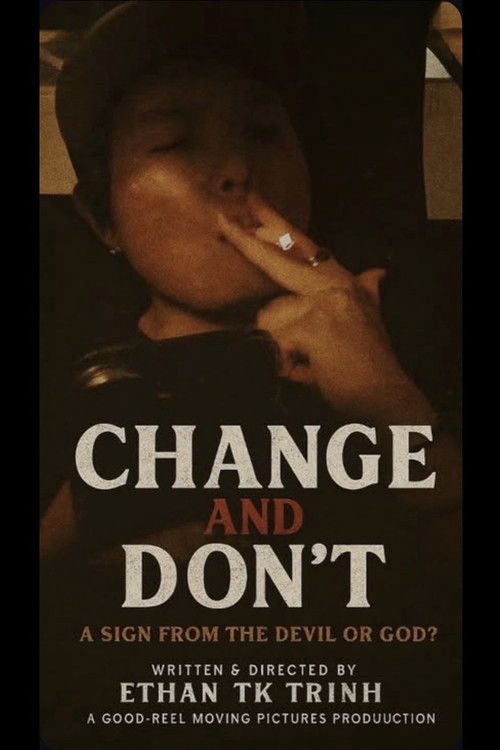
An intimate visual poem explores the delicate balance between change and stillness, inspired by Ethan TK Trinh’s 2025 poetry collection, “Change and Don’t.”
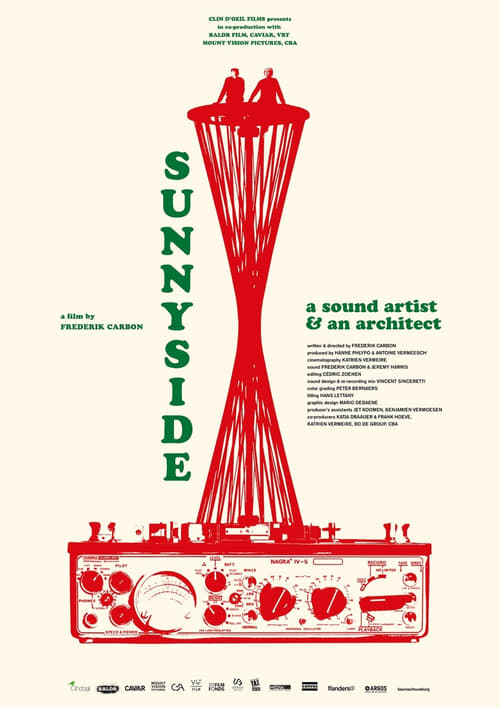
Ninety-year-old sound artist and comedian Henry “Sandy” Jacobs lives a quirky existence at the end of Sunnyside Drive, a steep and winding dirt road washed by fog from the Pacific Ocean. Sixty feet down the hill lives his eccentric 84-year-old friend and neighbor, architect and former Frank Lloyd Wright collaborator Daniel Liebermann. These extraordinary old men, influential artists in the 1950s and ’60s, continue, each in their own way, to search the world for perfection. Sunnyside takes us to an extraordinary place, a microcosm with its own distinctive rhythm and remarkable inhabitants. It is a film about creativity, the capacity to dream and, ultimately, the transience of life.
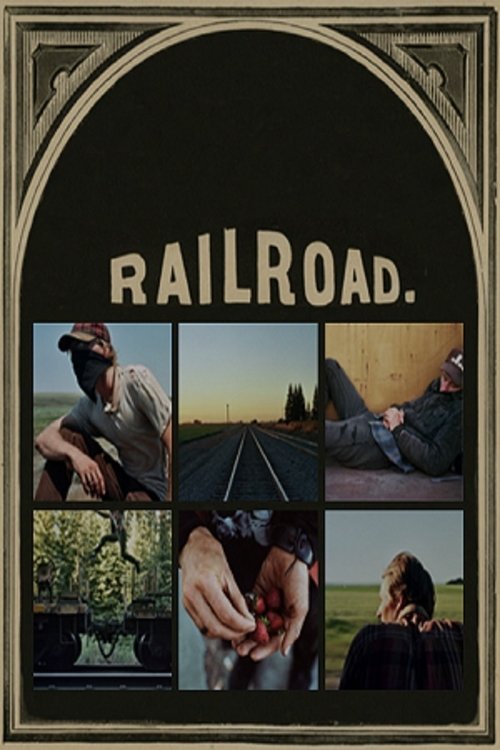
A short documentary film about poet brothers Kai and Anders Carlson-Wee hopping freight trains across the country. Shot over the summer of 2013 on the Burlington Highline route from Minneapolis, Minnesota to Wenatchee, Washington.
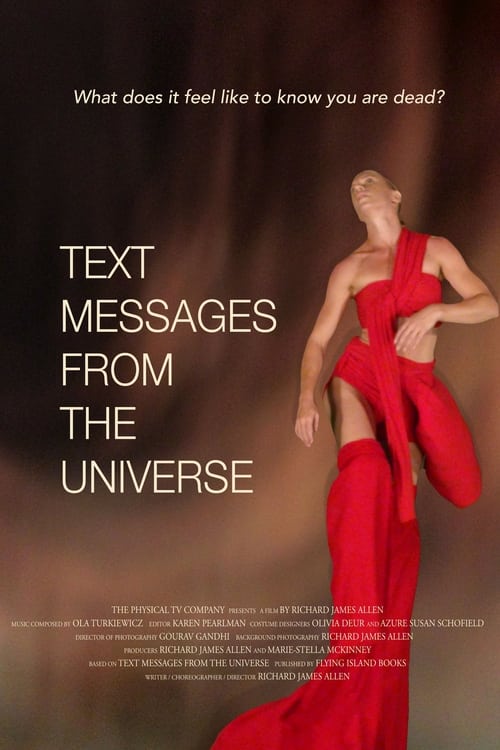
A film that immerses its audience in subjective states of consciousness they might experience when they die, imagining what they can see and think and hear in a seamless but fragmentary flow of poetic images, words and music. The viewer undertakes a journey into their own interior world of dreams and projections in which time and space, and cause and effect logic, are turned on their heads. Text Messages from the Universe is inspired by The Tibetan Book of the Dead, a text which guides souls on their journey of 49 days through the 'Bardo', or intermediate state, between dying and rebirth.