Filmed at Masonboro Island, an undeveloped barrier island in southeastern North Carolina, “Tides” contemplates the liminal space between the modern technological world and that more ecological dimension we label as “nature” or “the environment.”
A lonely drone pilot sets off to capture the perfect composition.
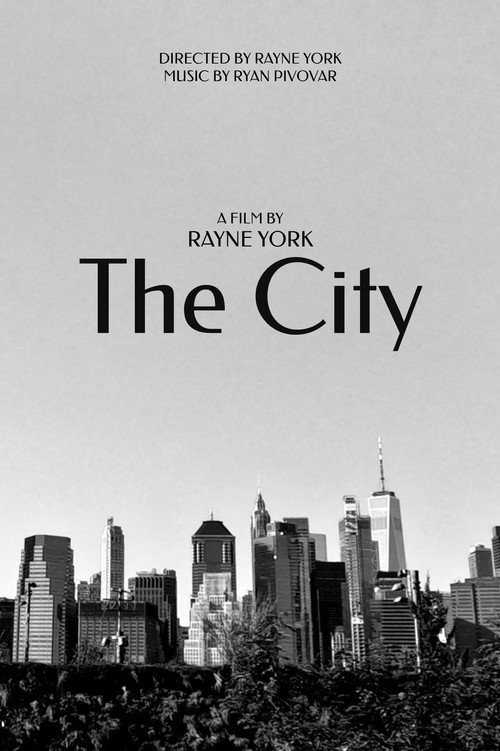
The City is a short film that takes audiences on an unscripted visual journey across New York City over the course of a year. A spotlight is shown on seemingly ordinary moments in our lives, revealing their true beauty and importance. An orchestral score guides viewers across seasons as they explore New York for what feels like the first time. Although The City takes place in New York, what makes it special is the people. The authentic moments that just happen to take place between towering skyscrapers and 21 bridges.
Dream and deficiency, a letter without recipient.
Standing near the reptile section in a zoo we can learn a lot about the animals on both sides of the separating glass.
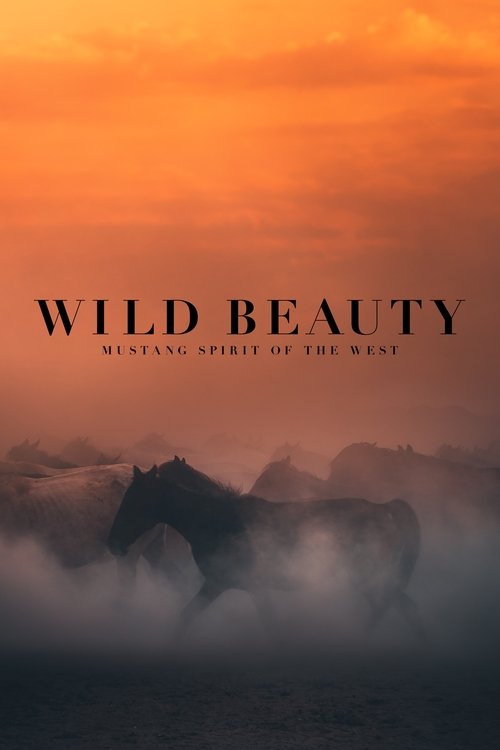
An immersive journey into the world of wild horses, Wild Beauty illuminates both the profound beauty, and desperate plight faced by the wild horses in the Western United States. Filmmaker Ashley Avis and crew go on a multi-year expedition to uncover the truth in hopes to protect them, before wild horses disappear forever.
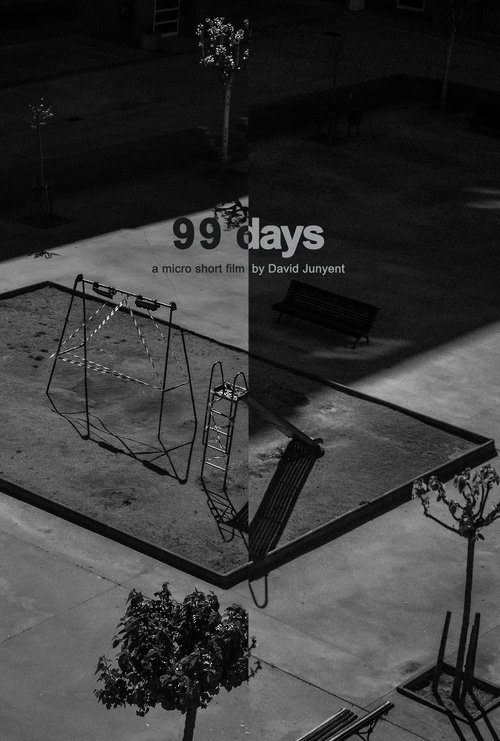
Two instants separated by 99 days conflict with each other.
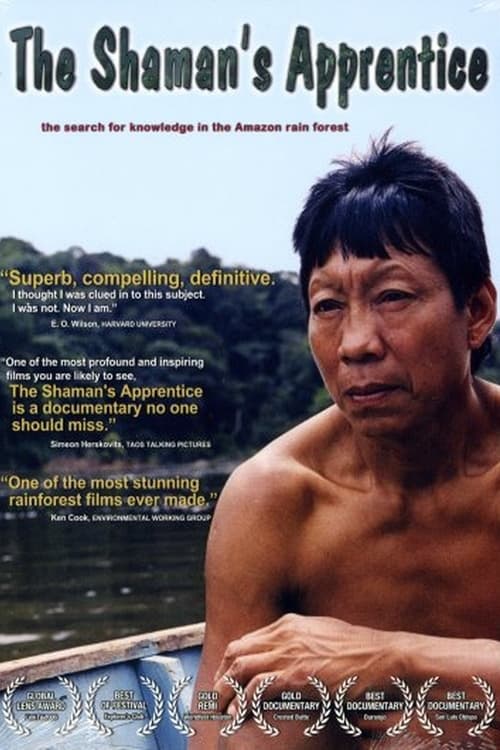
Scientist Mark Plotkin races against time to save the ancient healing knowledge of Indian tribes from extinction.
Produced for the NFB by Crawley Films Ltd. for the Canadian Department of Industry Trade and Commerce. This film provides a showcase for products manufactured in Canada, from aircraft designed for special duties, to pre-cast bathrooms that can be installed in one simple operation. There is heavy-duty machinery developed for the special needs of Canadian industry. There are women's fashions of universal appeal. All bear the 'Made in Canada' label and can be viewed in this film in colour and at close range.
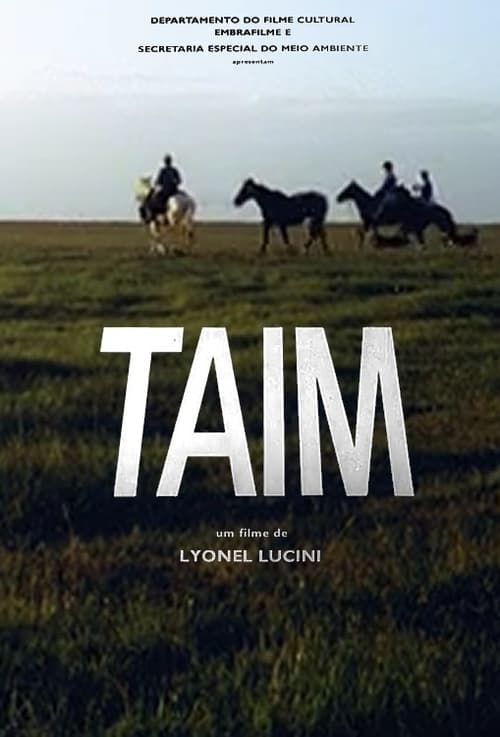
Ecology - the eco system, a nature reserve in the south of the country - RS (between the Mirim lagoons) shows the harmony between nature and animals.
"This project consists a visual fluidity of construction, harmony and thoughts taking colors and length from this body of autonomy. Different images between figuration and abstraction are created by meaning and phenomenon letting the decoupage revealing a piece of a strange underworld. I built it like a window opened to the fresh air of improvisation by familiar landscapes, those exact moments articulating a connection between light and movement."
Amie Siegel’s film installations often reveal the hidden narratives behind architecture and design, investigating the mechanisms by which objects, materials, and spaces accrue meaning and value. The Architects examines the processes of architectural creation, using the artist’s signature slow, parallel tracking shots to offer insight into the inner workings of multiple architecture firms, slicing through them laterally like an architect’s section plan... Siegel not only punctures the myth of the singular “master architect” but also poses questions around creative autonomy, the sociopolitics of labor, and the circulation of capital. (Source: MoMA)
This documentary film follows farmers and activists fighting together to stop the Indiana Enterprise Center, a mega-sized industrial park planned west of South Bend, Indiana
Missed connection regret at that one late-night spot—the kind you keep playing back in your head but not quite ever remembering right, until it starts to look like something else.
A poetic exploration of heaven and hell, the apocalypse and the afterlife, through the lens of a VHS camera.
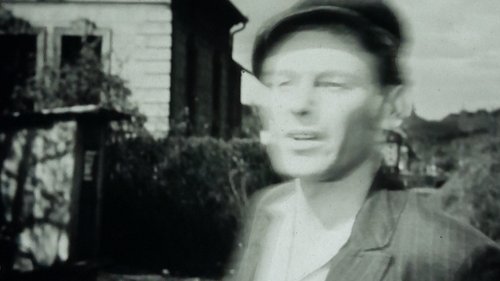
A poetic story of a proletarian couple’s relationship during the years of economic crisis and unemployment – of all the films directed by E. F. Burian, the film Chceme žít (We Want to Live, 1949) is probably his worst. The intention to create a powerful work of cinema that would combine modern means of expression with the ideological canons of socialist realism failed completely. Ježek and Tarnovski discovered these „shambles“ and tried to rebuild a structure out of the hopelessness and futility of life. Ježek has photochemically “transcribed” selected passages with the greatest possible degree of humility towards the work of the great avant-gardist, Tarnovski similarly makes the soundtrack visible. The improvised encounter of sound and image in dialogic mode can lead to various misunderstandings resulting in ambiguous compromise.