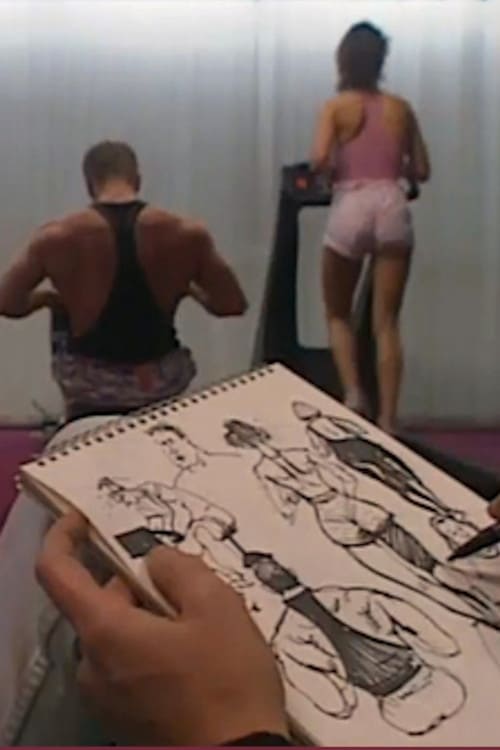
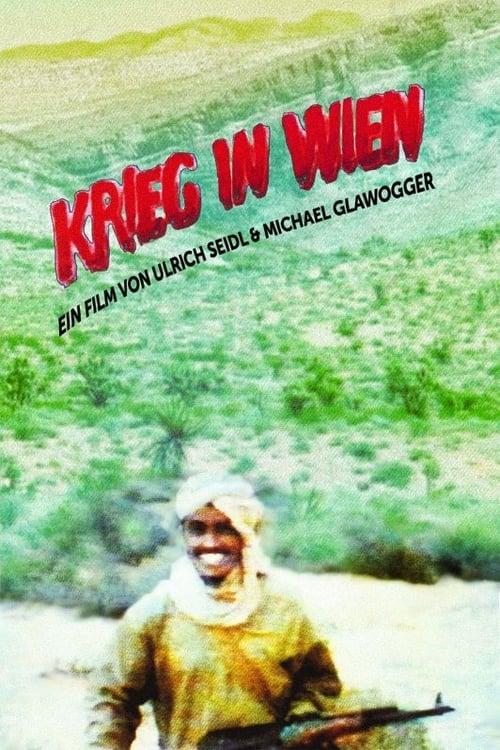
A working day in Austria, 2004. Nine modern working-class heroes are engaged in their daily struggle of survival, accompanied, motivated and influenced by the country’s most popular radio station.
A Zen priest in San Francisco and cookbook author use Zen Buddhism and cooking to relate to everyday life.
A staged TV portrait of the Austrian cartoonist Gerhard Haderer; and first collaboration with Maria Hofstätter.
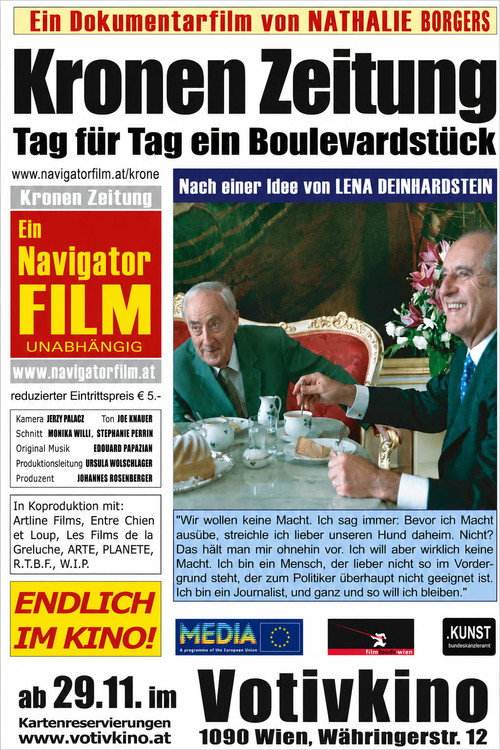
This film journeys deep into the heart of Austria’s favorite daily newspaper, the Kronen Zeitung, the most widely-read paper per capita in the world. The “Krone’s” 2.7 million readers represent 43% of the Austrian press market. A reflection of the Austrian soul, this newspaper serves as a prism through which we can understand the rise of the populist Right in this country and examine the dangerous flirtation between media and politics.
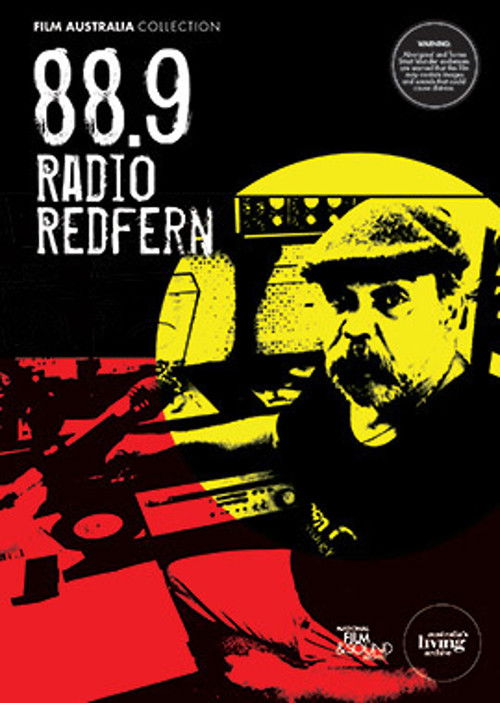
An observational documentary which looks at Sydney’s first community Aboriginal radio station, 88.9 Radio Redfern. Set against a backdrop of contemporary Aboriginal music, 88.9 Radio Redfern offers a special and rare exploration of the people, attitudes and philosophies behind the lead up to a different type of celebration of Australia’s Bicentennial Year. Throughout 1988, 88.9 Radio Redfern became an important focal point for communication and solidarity within the Aboriginal community. The film reveals how urban blacks are adapting social structures such as the mass media to serve their needs.
Filmmaker Ulrich Seidl explores of the dark underside of the human psyche by entering Austrian basements fitted out as private domains for secrets and fetishes.
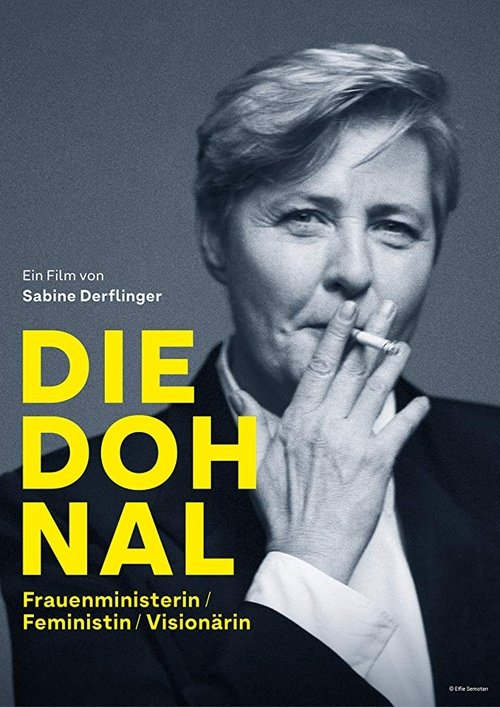
Johanna Dohnal, whose political career spans three decades, was one of the very first explicitly feminist politicians in Europe. As a member of the Austrian socialist government and the first Austrian minister for Women’s Affairs from 1990 to 1994, Dohnal was responsible for founding Austria’s first women’s refuge as well as criminalizing of marital rape. Yet her legacy remains yet to be discovered and re-examined. DIE DOHNAL makes a first step, and it makes Dohnal come alive.
In 1976, radio station CFNY 102.1FM went on the air, broadcast live from a modest suburban house just north of Toronto, and went on to become one of the most influential punk, new wave and alternative radio stations in the world. This is the story of their mission to bring the most exciting music in the world to the masses. It's also a story of the personalities, lawsuits, bankruptcies, concerts, and listener protests that went along with it.
A film about news, life and death. Before the media became so prevalent, we were concerned about our immediate neighborhood. At the end of the day, news was the subject of our conversations, but now it's possible to converse with someone at the other end of the globe. We do it all the time. It's simple. The world has become one big neighborhood. Now Headline News has replaced the back fence. That's the news service of the eigthies. It's a new idea and a new approach.
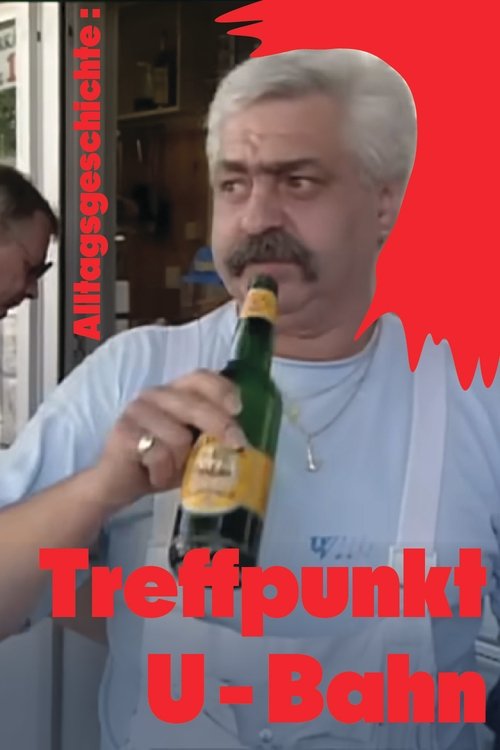
Ignaz Wuzel and Gerhard Jeschko are regulars at the espresso in the Südtiroler Platz underground station. Warden Leopold Prinz knows the problems of the children from Karlsplatz. In 1993, Elizabeth T. Spira filmed people on the Vienna subway network. Above all, it is the desperate, the lost and the forgotten who find refuge and a home in and around the subway.
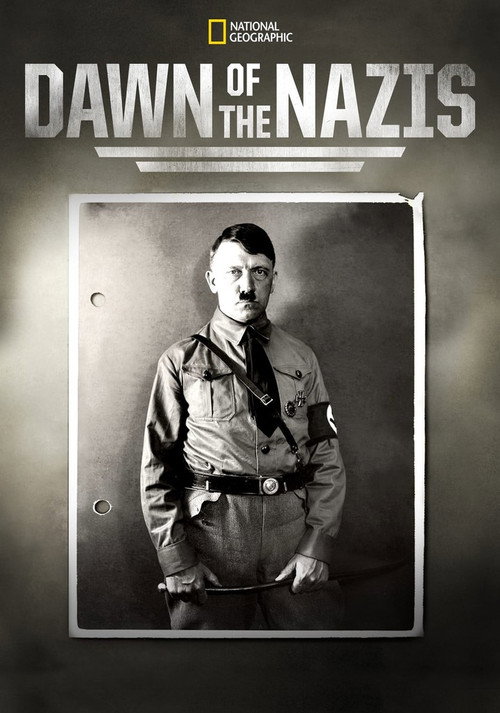
How Germany was when its people entered the nightmare of World War II? Despair and fear lead a hungry population to follow the chilling call of just one man to world domination. A real-life horror story, an ominous tale of violence and deception, which takes place from 1919 to 1934. (Entirely made up of restored, colorized archival footage.)
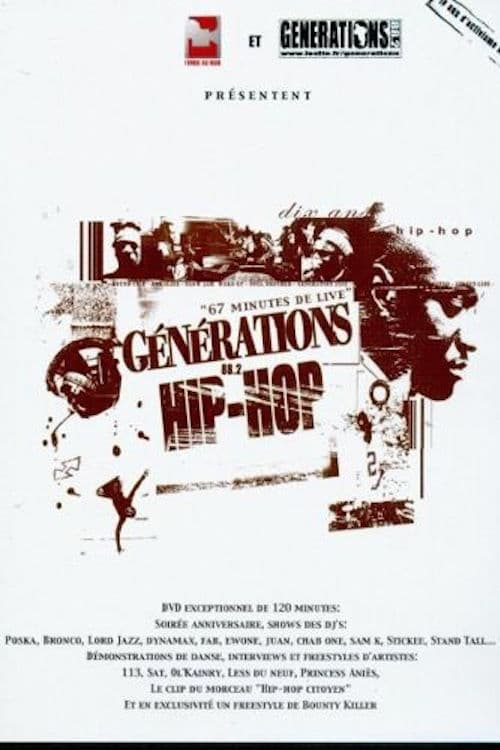
Musical compilation of live performances by French hip-hop artists.
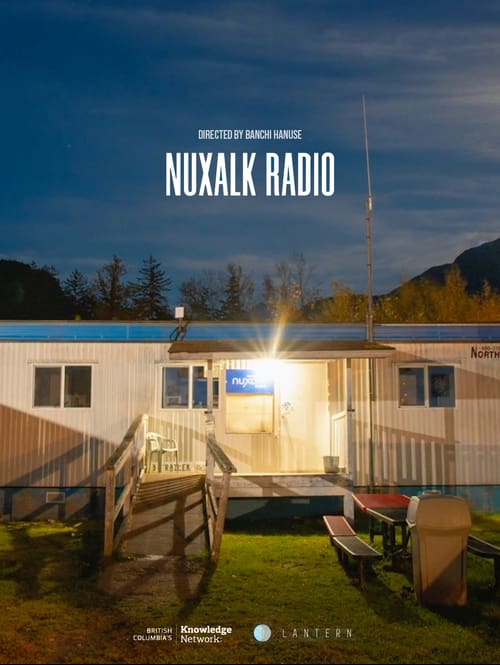
A day in the life of 91.1, Nuxalk Radio, a radio station built to help keep the Nuxalk language alive while broadcasting the laws of the lands and waters.
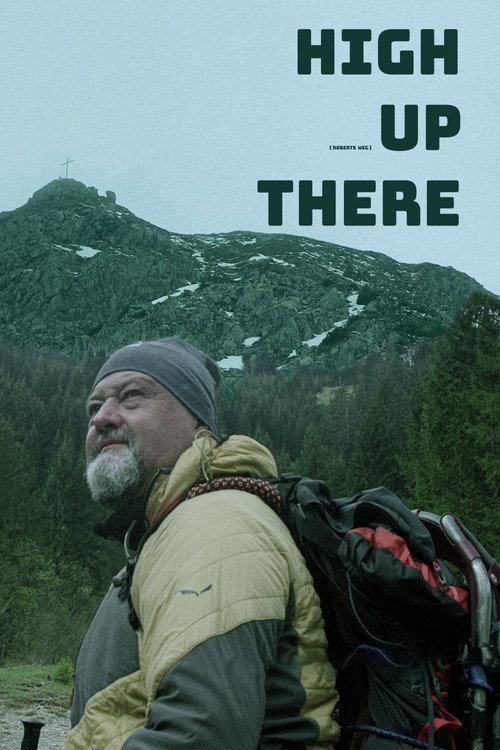
A son embarks on a journey with his father, who shares stories about his life and his profound connection to the Camino de Santiago along the way. Their destination is a distant mountain peak, veiled in mist.
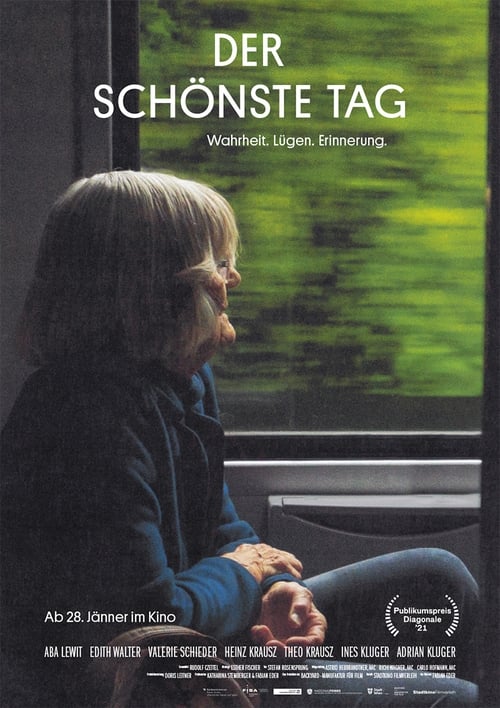
"Austria - First Victim of National Socialism" - this is the core theme of the self-image of the country that first welcomed Hitler with waving flags and arms stretched to the sky: Nation, People and Race - Sieg Heil! Monuments, commemorative events and in between the helplessness of dull remembrance. What to do with the lie, where to put the pain, and why again? The war of narratives begins with the liberation of the concentration camps, with the piles of corpses - and it continues to this day. A final journey with those who were there. Which story do we tell ourselves, and which do we want to hear?
Endphase tells the story of one the last WWII massacres which was not spoken about for 75 years. In the night of 2 May 1945, 228 Jewish women, children and old men were murdered in Hofamt Priel, a small village in Austria. The perpetrators were never found. The film is a journey into the past of the neighbouring communities Persenbeug and Hofamt Priel, where the brothers Hans and Tobias Hochstöger grew up. In search of an explanation they speak with the last local eyewitnesses and find Yakov Schwarz, the last survivor, and his family in Israel.
DJ Chris Moyles looks at how the Radio 1 Breakfast Show has reflected life in Britain over the past 40 years, as he meets his predecessors in the early morning slot.