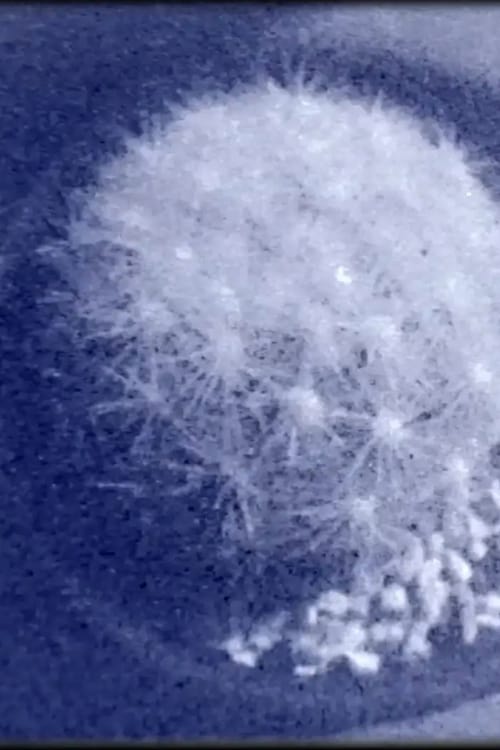
8mm film shot with an 8mm Bolex and then a 16mm Bolex for a double exposure; Commissioned by Echo Park Film Center, with funding from the Andy Warhol Foundation for the Visual Arts.
Rosario Sotelo
as
'The angle of the world allows us to see the real as an outer and inner presence at the same time, an opaque otherness, yet capable of becoming an intimate space. These incommensurable lengths and distances of an interior that opens up: The mysterious movement of the clouds, the cadence of the waves against the light, or the silent slippage of a barely identifiable human silhouette, everything seems transfigured, derealized and reinvented by light in a poetic world that evokes the paintings of Turner or Friedrich, the writings of Poe or Baudelaire.’ — Violeta Salvatierra
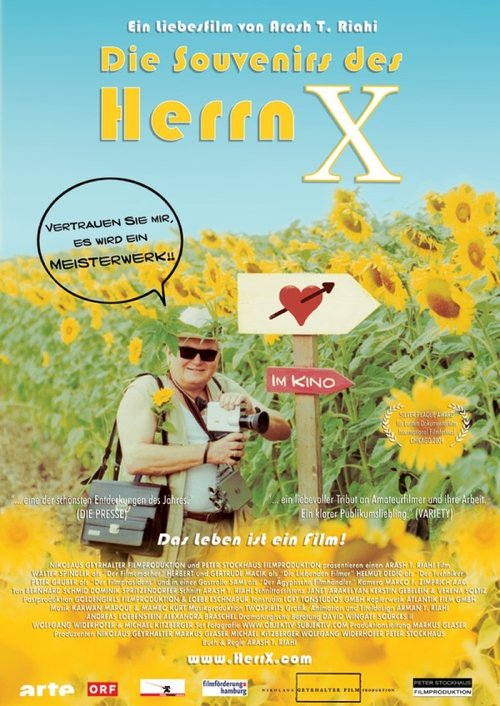
A filmmaker finds 2 boxes of Super-8 films of an unknown amateur at a flea market. He goes on an investigative journey to find this person and dives into the wonderful, obsessive universe of amateur film with its own rules, competitions and the passionate love for the moving images.
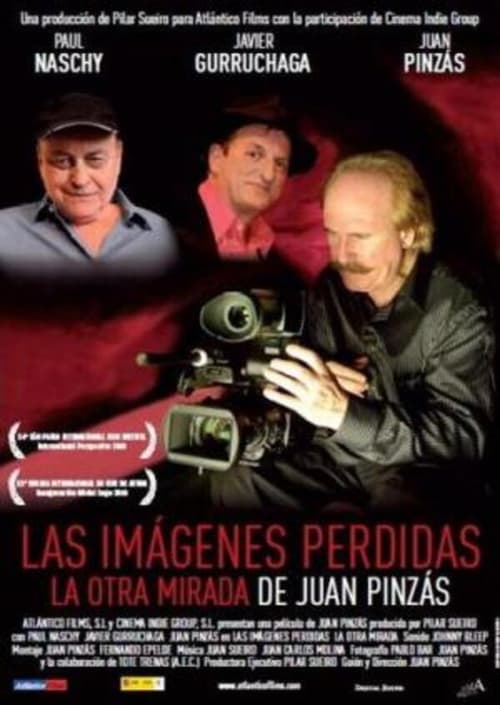
The filmmaker Juan Pinzás goes on a physical and also inner journey, in search of some lost images that he filmed in the 80s. The journey takes him from Madrid to Galicia and on the search for these images he meets with various characters who will help him in his undertaking, such as the actors Paul Naschy and Javier Gurruchaga whose personal worlds will be examined in the film. Finally in Vigo, his home city, of which he presents a remarkable portrait, he finds an old film in Super-8mm with the missing images. The catharsis is produced with the viewing of the old film which turns out to be a tribute to cinema and this means the end of the filmmaker's introspective journey.
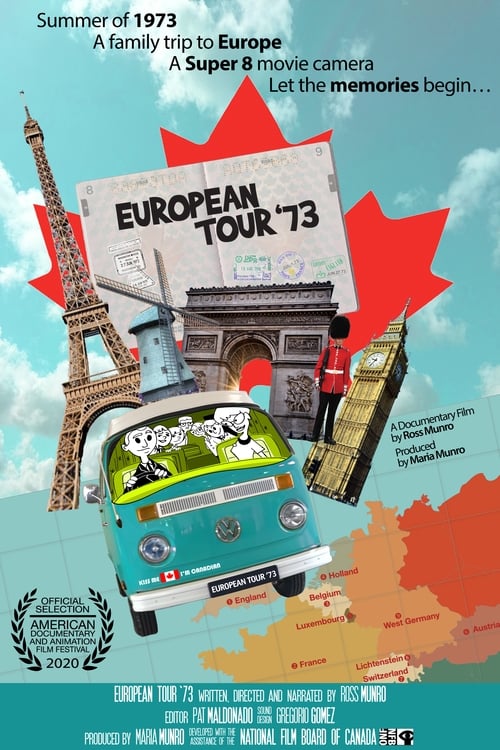
A 15 minute documentary utilizing archival Super 8 film footage and original animation about a father fulfilling his dream of reconnecting his 5 small children to the steps of his own father when he fought for the Canadian military in WW2 through a trip to Europe in 1973.
We see the film title card on screen and sound is coming from the cinema, but the screen is black. The filmmaker hands a cellphone with video to two sitting in front of the crowd. The image of the film plays on the phone for those who can see it in the crowd as the audio comes through the cinema speakers.
Black kites soar on thermals along the Kamo river in Kyoto. Flags billow. Cacti spin. Plum trees blossom. Pigeons make love atop a clock. Friends chat by the riverside. Filmed February/March 2019 on a single 40 year old cartridge of Kodachrome Super 8 and hand-developed in Caffenol. The film was heavily fogged, but there are some (real) images.
This documentary short-film follows the story of The White Bus Cinema based in Southend-on-Sea. They keep the process of projecting real celluloid film alive by showing films from their archive of over 3,000 films, ranging from Super 8, 16mm, and 35mm prints. The film argues why it's important to continue the shooting and projection process of film in our current age of digital shooting and projection in modern Hollywood, amidst the chaos of studios removing films from their streaming services.
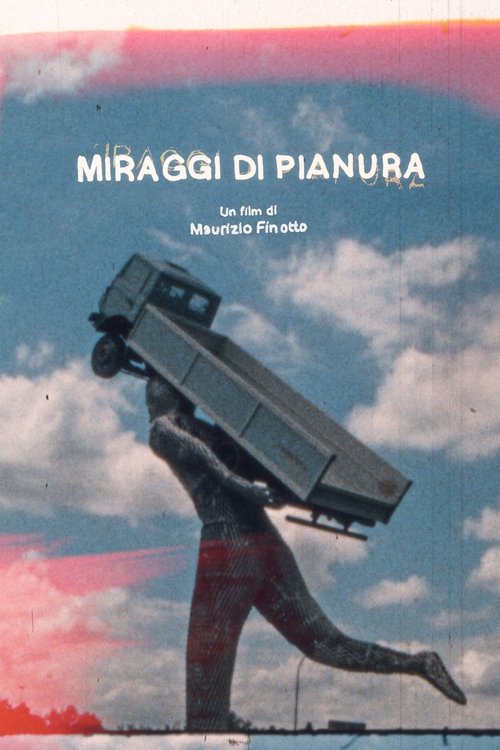
The Via Emilia changes and becomes an open-air museum: hidden installations - although architecturally majestic - invite us to shift our perspective, to rethink the journeys that we thought we knew by heart.
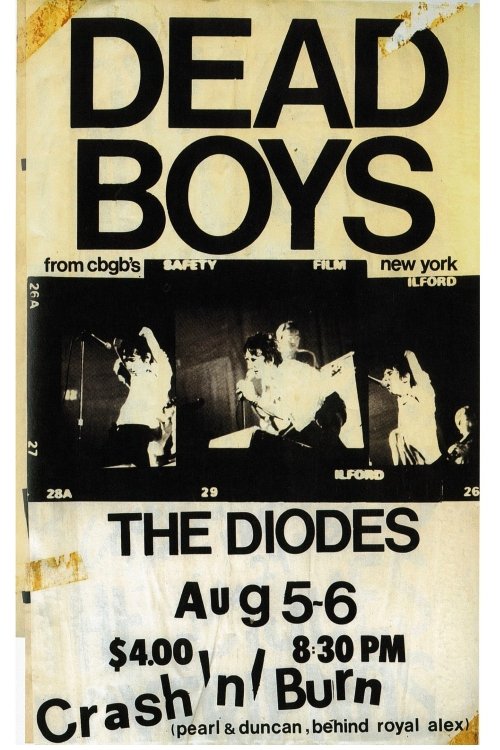
Crash 'n' Burn is an experimental film shot in and named after Toronto, Ontario's first punk rock club. (Not to be confused with Peter Vronsky's similarly titled 1977 documentary on the Toronto punk scene made for the CBC television network.) The film, shot on 16mm black-and-white stock, features performances by Dead Boys, Teenage Head, The Boyfriends, and The Diodes".
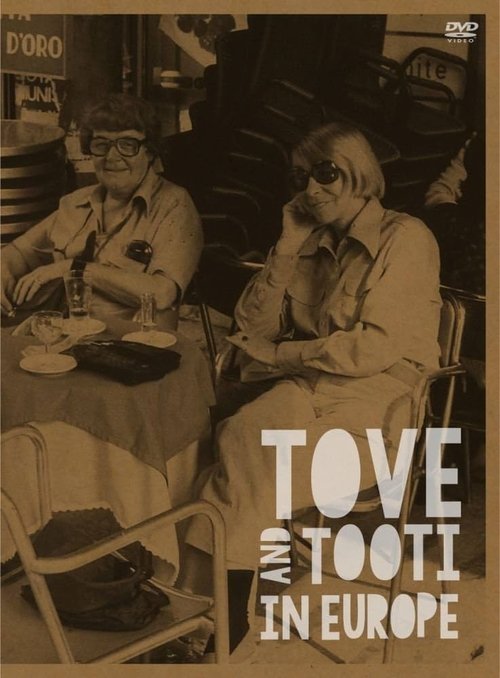
Tove and Tooti in Europe is a documentary charting the voyages through Europe of the world famous author Tove Jansson and graphic artist Tuulikki Pietilä during the years 1972-1993. It is a lyrical and sometimes hilarious film essay on the “old Europe”, experienced by travellers and observers, of times when people used to wander, share a joke, pause and, sometimes, even stop. Shot on Super 8 mm, the film takes us to Paris, Venice, London, Madrid and Dublin; Iceland, Ireland and Corsica.
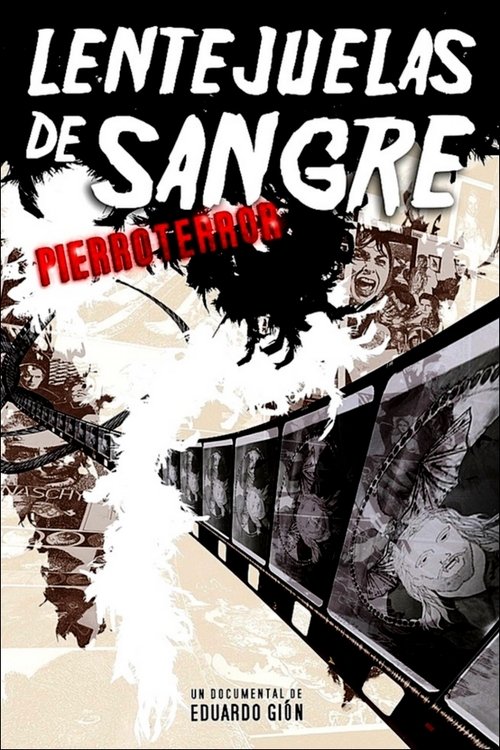
Antonio Gracia José (1942-2011), known as “Pierrot,” was a prominent member of the Barcelona art scene, a pioneer in the filmmaking of underground short films and Fantaterror movies, writer and playwright, magazine editor, movie poster painter, cartoonist and cabaret showman.
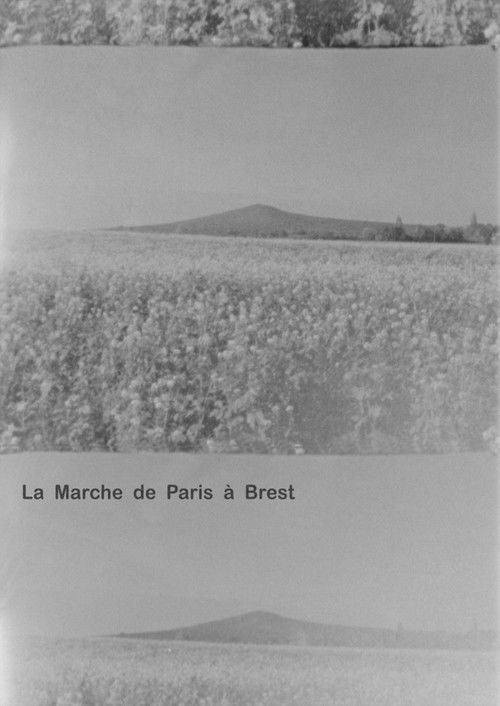
In 1927, filmmaker Oskar Fischinger traveled for three weeks along the side roads between Munich and Berlin, filming frame by frame the people he met along the way and the places he passed through. In 2020, the director did a remake of this film during a month-long walk between Paris and Brest.
A roll of super 8 given to a first time filmmaker at the age of 68 by her son in law. She is asked to use the roll to take photos of her garden. She says the following about her film: "What do I see in my garden, through my windows? The plants and flowers that I love and the bird that I admire."
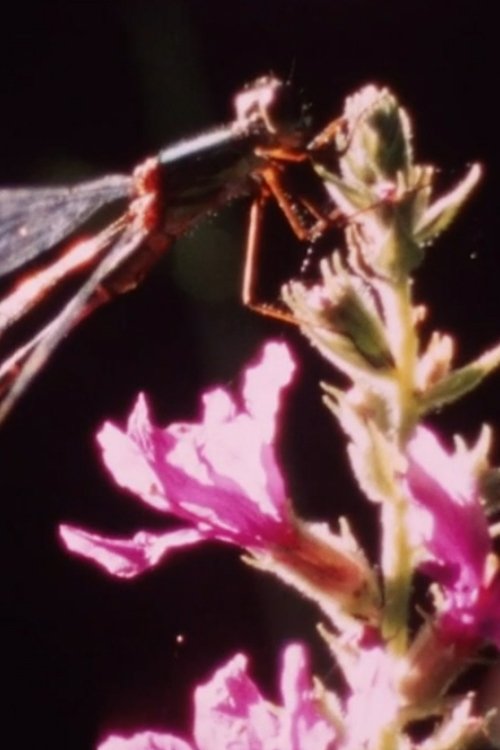
This is an observation in the nature. Not far from a pond live many different dragonflies. At a time where insects disappear one after another, why don't just take a break, contemplate those beautiful young ladies and realize how we will miss nature...
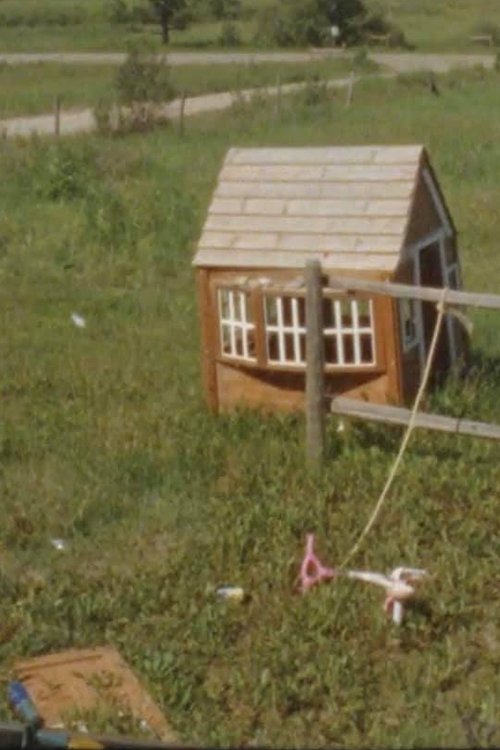
The first half of the video is footage I shot in 2014 when I was 19, on my family’s land before we moved because of the South West Calgary Ring Road. The second half I shot this summer while driving by our land, which is now the Ring Road’s construction site. -seth cardinal dodginghorse
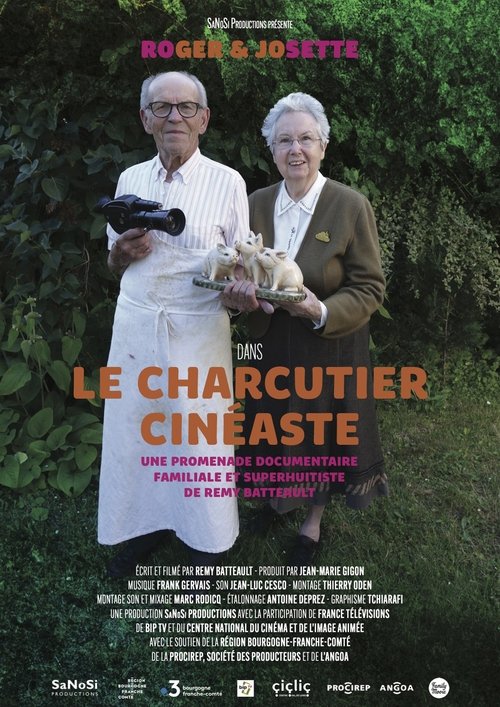
This is the story of Roger, a former pork butcher, who worked for 40 years in the beautiful town of Beaune in Burgundy. Since he retired, he has started a new life as a filmmaker: Roger films only on Super 8. Insects, birds, everything he can find in the countryside are his favorite subjects. His short films have won prizes all over the world, some of them have been shown during the Cannes Film Festival. Josette, his wife and number one fan, happens to work for him from time to time.