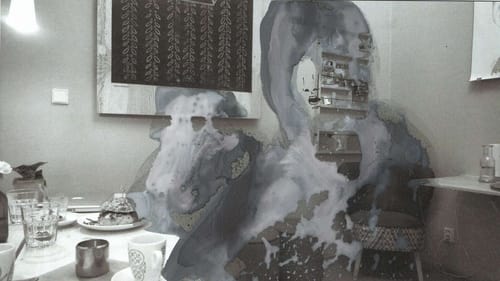
One day in the life of Mr Hrstka, a blue collar worker and occasional pose model at the Prague academy of arts. Through this portrayal of an outsider, Paskaljevic explores the subject of isolation.
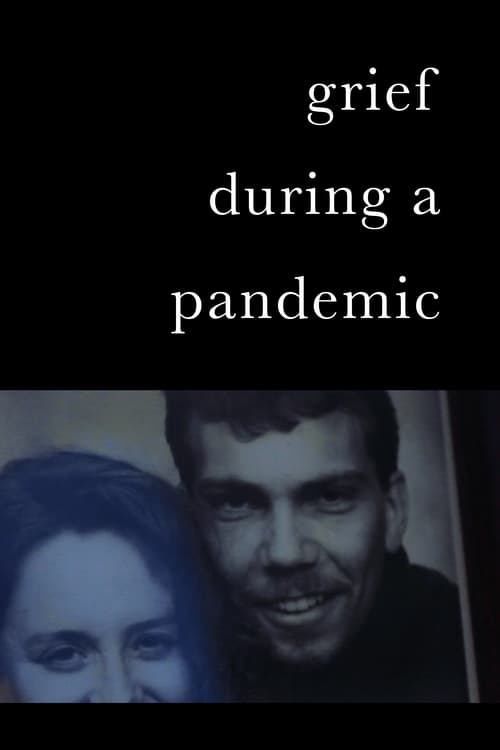
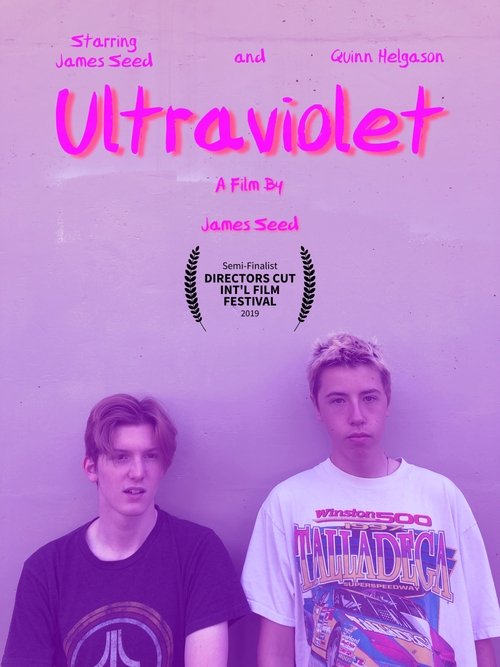
In Vancouver, British Columbia, two teenagers attempt to create a feature length documentary about their lives. The main character James (played by himself) becomes obsessed with the project and is pushed into a more introverted, lonely existence. His best friend Quinn (played by himself) sets out to help him, but is met with the real answer as to why James is keeping himself inside: the rejection of what he thinks is the love of his life. The two of them go their separate ways, with James going deeper into a depression he’s not sure he can escape from.
Confessions of people who have lost their sight during their lives. What are their feelings and how do they view their apparent handicap?
2012: Time For Change is a documentary feature that presents ways to transform our unsustainable society into a regenerative planetary culture. This can be achieved through a personal and global change of consciousness and the systemic implementation of ecological design.
In a series of juxtaposed images and sounds, Jaromil Jireš comments on the tragic premature death of thousands as well as their posterity due to the atomic bomb.
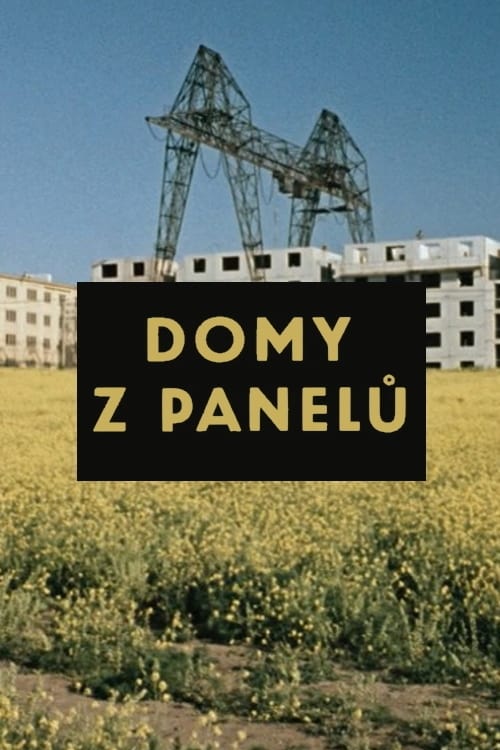
A student work by Jiří Menzel, filmed during his second year at the FAMU film school. Views of old Prague and its tenement buildings, symbolizing the obsolete past, alternate with shots of construction sites for new prefabricated apartment buildings. In spite of certain unavoidable propagandistic overtones added by the director, it is notable as the beginning of his search for a “dramaturgy of colors.”
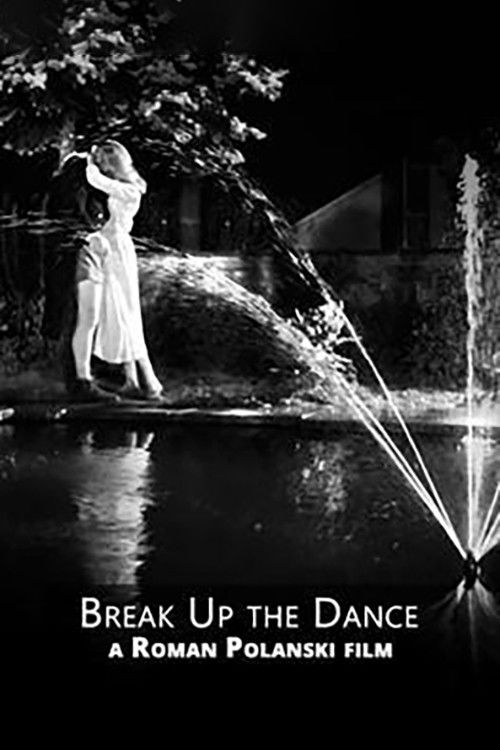
Youths get ready for a party, decorating the dance floor, cleaning out the fountain of a pond. That evening, the party starts and guests arrive: everyone has a ticket, and a guy at the gate, wearing a formal shirt, tails, and shorts, makes sure only those with tickets gain entrance.
The director, who has always been viewed as the black sheep in her family, sets out to the Belarusian town of Vitebsk to talk with her parents about previous grievances and topics that were considered taboo. The effort to find a common language, which runs into stormy emotions and the inability to voice honest opinions, is captured through both personal moments and detailed shots of the protagonists’ faces.
Battering, breading, frying – Berta has prepared thousands of schnitzels in her old cast-iron pan over the years. This 83-year-old landlady’s life on the family farm with adjoining guest house in the Upper Palatinate has been marked by constant hard work. A life that her granddaughters Monika and Hannah never wanted to lead. Now, the deeply indebted farm is on the brink of collapse. Despite having an academic background and contrary to her intentions, Monika, in her early thirties, decides to give up her modern life and save the family business. The two women join forces and give themselves a year to sort out the farm’s problems.
Although they look almost identical in black balaclavas, they have arrived at extremely right-wing views along very different paths. For six months Michał Edelman documented the activity of the National-Radical Camp brigade from Łódź ranging from propaganda events including an obligatory barbecue through attempts to disrupt the Gay Parade in Radomsko to the culmination on the Independence Day in 2019 when they marched along the streets of Warsaw. Are the nationalists really a group of friends with clear-cut views only?
Comments on the background and popularity of disc jockey "Emperor" Bob Hudson, who bases his shows on the idea that radio is a fantasy.
In 2012, violent conflicts broke out between the Muslim Rohingya and the Buddhist majority in Rakhine State on the west coast of Myanmar. The government subsequently deported Muslims and imprisoned them in a camp on the outskirts of the city. The documentary looks at the lives of neighbours on both sides.