An intimate portrait of Georges Brassens, giant of French song.
Georges Brassens
as Self (archive footage)
Sandrine Kiberlain
as Narrator (voice)
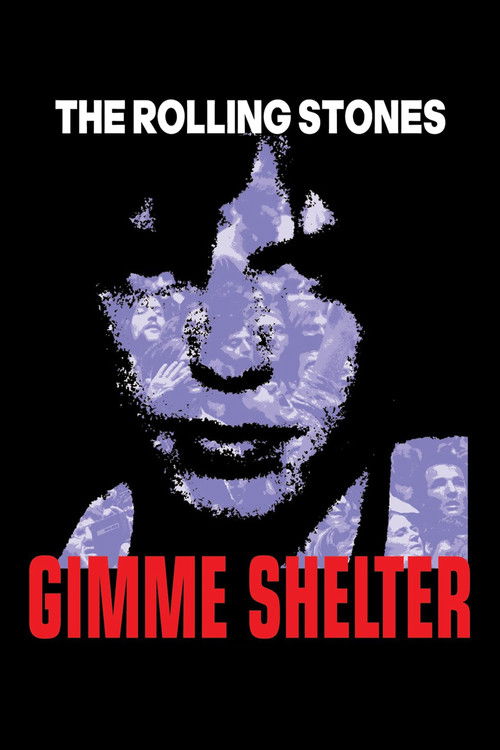
A detailed chronicle of the famous 1969 tour of the United States by the British rock band The Rolling Stones, which culminated with the disastrous and tragic concert held on December 6 at the Altamont Speedway Free Festival, an event of historical significance, as it marked the end of an era: the generation of peace and love suddenly became the generation of disillusionment.
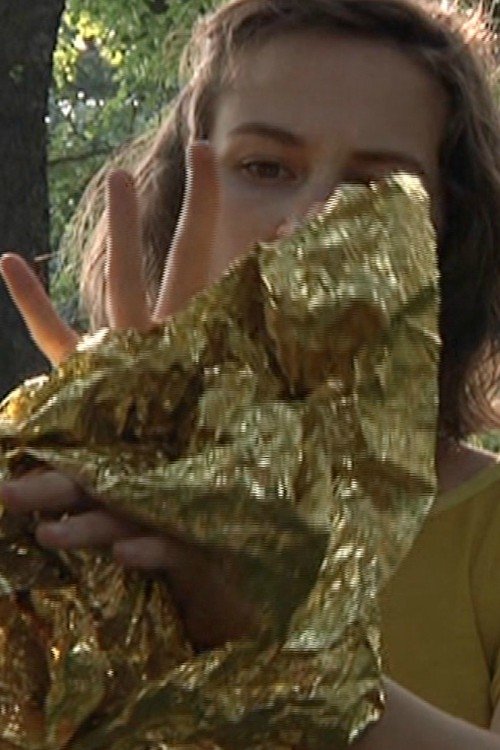
Filmmaker Froukje van Wengerden’s 86-year-old grandmother shares a powerful memory from 1944, when she was just 14. As her story unfolds, we see a group of contemporary 14-year-old girls. Their procession of portraits permits the spectator to see simultaneously forward and back, into the future and towards the past. A miraculous testimonial that uses eye contact to focus the viewer inward and evoke unexpected emotions.
The man behind the legend and a knowing look at 1950s Hollywood are revealed in this dynamic biopic of the meteoric star whose troubled life echoed his gut-grabbing performances in East of Eden, Rebel Without a Cause and Giant.
Electro-Pythagorus is an intimate and subjective portrait of the late Martin Bartlett, the Canadian electronic music pioneer who studied with Pauline Oliveros, David Tudor, John Cage, and Pandit Pran Nath. His contribution as an interdisciplinary composer, educator, and founding member of Western Front, though undoubtedly extensive, is in danger of being erased from cultural memory since his death from AIDS in 1993. Navigating an array of archival materials including letters, correspondences, notebooks, personal photos, and a huge body of unreleased music and field recordings held at the archives of Simon Fraser University, Electro-Pythagoras is a journey through the evolution of Bartlett’s musical time and space, softly guided by Luke Fowler’s insightful camera and montage—creating an experimental portrait that defies one-dimensionality.
Portrait of a French mercenary working in Libya, hired by the Phalange to train the militias. War leaves its traces; and for some, who see death as part of the job, it’s a vocation.
When a Mongolian nomadic family's newest camel colt is rejected by its mother, a musician is needed for a ritual to change her mind.
On August 8, 1988, the world’s first and largest Satanic rally took place. Ripped from a video featuring Satanist talking about creating a New World Order and killing off the masses. The 8-8-88 ritual was conducted right at the heart of the Satanic Panic. The goal, further exploit and feed upon the energies produced by the fears of the ignorant general public and media. It was shown to a sold-out crowd of degenerates promising them, “A Bitter Message of Hopeless Grief,” “A Nightmare of TERROR!” and “An Evening of Apocalyptic Delight!”
The film describes the microcosmos of the small village Wacken and shows the clash of the cultures, before and during the biggest heavy metal festival in Europe.
An experimental journey through a year in the life of the director, using his always playing playlist to cross the boundaries of fiction and documentary. Through scenes of both comedy and tragedy, realistic documentary footage and experimental sequences of the director's environment and daily life we get a sometimes estranging image of a young man and also an intriguing insight in his mindset and how this translates to the imagery on screen.
Chronicles Harry’s musical journey while creating his much anticipated debut solo album. The film features exclusive interviews and behind the scenes footage shot in Jamaica, Los Angeles and London during the making of the album and is complemented by Harry and his band performing songs from it for the first time at the world famous Abbey Road Studios in London.
When you listen to The Years, the debut studio recording from Urbanites, you're hearing a band in progress. They wanted to make The Years differently, and decided to record the album together, live, in the same space - Studio A of Electrical Audio in Chicago, Illinois. With the exception of limited overdubs, (vocals, drum ensembles and laptop atmospherics) each song represented one collective take, warmly captured to two inch analogue tape. This recording method embraced the mistake as much as the moment. They also chose to document the making of the record with a film, appropriately titled, 'You Can't Rewind The Years'. With a new understanding and years of progress to come, these longtime friends are making the music that they'd always hoped to. As they sing, in The Years' standout track Restless, "Not without trial, not without err - this brokenness is ours to share."
In spring 1997, after several delays, The Video Dream Mixes was released. It features music material from The Dream Mixes, combined with films of US landscapes and alienated sights of Venice, pictures and computer animated graphics and virtual views from outer space. The film material was mixed up with clips showing the band on stage or during journeys. Most of the material was filmed by Edgar Froese.
Transformer was universally praised for its well-constructed anatomy of a touchstone album. Now expanded to interweave the original broadcast version with the bonus features on the original disc, the story appropriately begins with Reed remembering his days with the Velvet Underground and the importance of Andy Warhol in making them a New York-based phenomenon. These discussions provide more than the historical context for Transformer. Live at Montreux 2000 is a concert, released in 2005 by Eagle Vision. Reed performed eight songs from the Album Ecstasy plus a few older ones. From his days in the sixties as the main singer and songwriter of the Velvet Underground and through his mercurial solo career he has kept his audience and the critics on their toes with dramatic changes of musical direction from album to album. Underpinning everything however has been his unquestionable ability as a songwriter and performer of the highest class.
Metzer 58 play Punk. They were founded in a meet-up at Lebenshilfe Münster, an NGO that provides housing and other services to people with disabilities. The band consists of disabled people and able-bodied people. That doesn't really affect the topic of their songs or the amount of chaos and excess at their gigs, though. In this documentary, director Tobias Stiegler follows the band on tour and paints an intriguing portrait of Metzer 58
"Green Day: The Early Years" chronicles the rise of the world's most influential punk band, from their origins playing shows at Berkley's notorious Gilman Street venue in the late 80s, through the release of the platinum-selling Dookie in 1994.
Talented teen musicians from around the USA spend a week working with Grammy nominated professionals