Through the montage of film fragments from the Mexican Golden Cinema, it explores the cinematographic representation of of pain, violence, repressed sexuality and Mexicanness.
Absurd attempts to produce an amateur film about an amateur film company. The awards ceremony for the film takes place in a town cinema: 1st Prize for the leading lady: a goat.
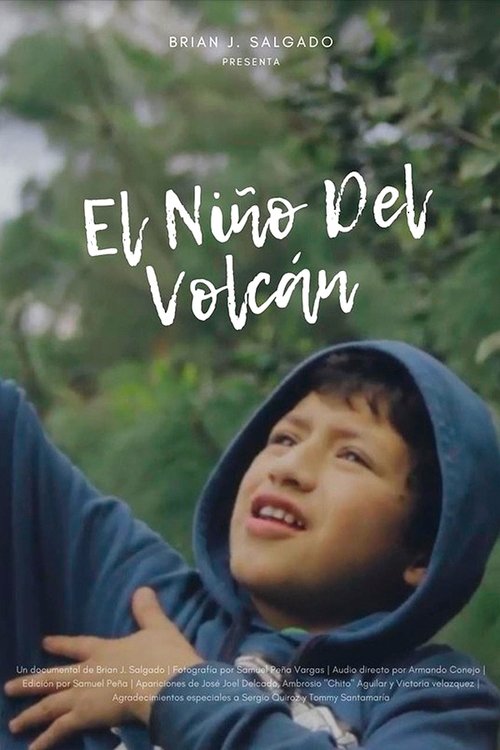
Joel, an 11-year-old boy, will guide us through the forest of the Popocatépetl volcano and with his childlike wisdom leaves us lessons on a natural life.
Filmmaker Alain Resnais documents the atrocities behind the walls of Hitler's concentration camps.
A visual experiment on the different types of movement in a city.
Famous Spanish film critic Alfonso Sánchez talks about his personal life, his work and Anouk Aimée. A sentimental tribute to one of the most relevant figures on the Spanish film scene.
In this video essay, the filmmaker reflects on the contrast between himself and the space around him, a student dormitory.
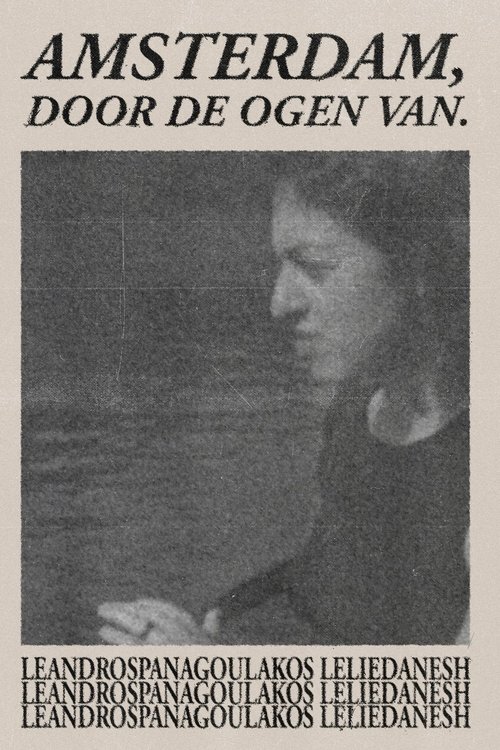
A visual poem shot on Super 8 through the streets and shops of Amsterdam.
Commissioned by developer Harry Macklowe to promote properties at 432 Park Avenue in New York City, this short film tells the story of a ballet dancer who travels from her mansion estate to the city to move into the building where certain famous faces come up along the way.
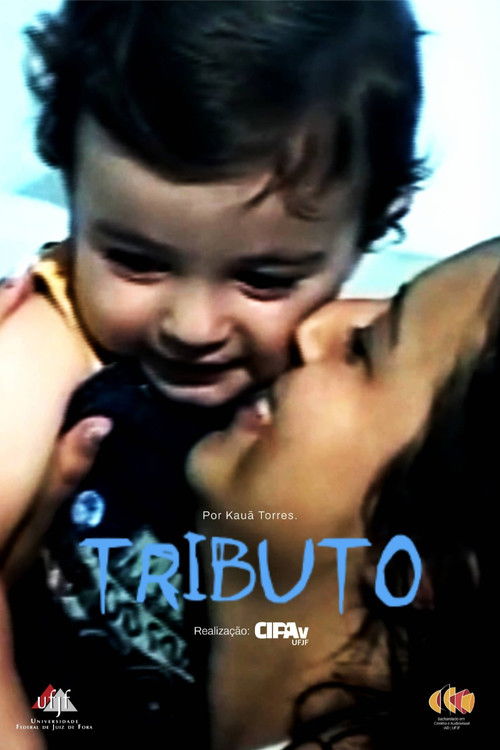
A tribute for a mother, by her son.
A short silent documentary on the making of the 1931 Abel Gance directed film, "La Fin du Monde".
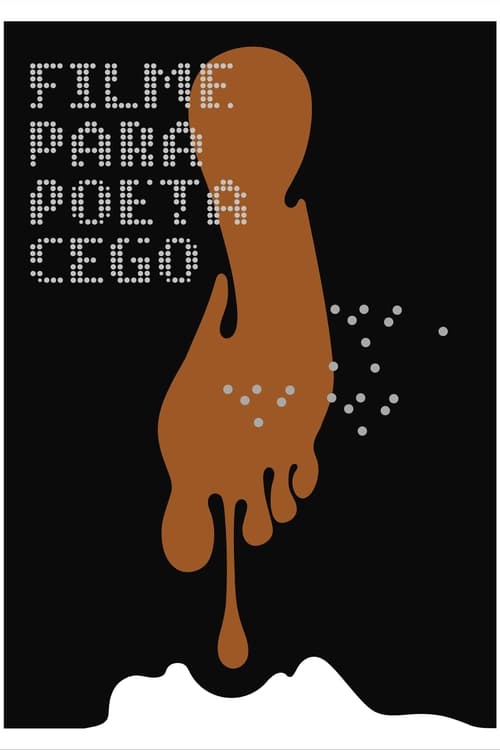
Glauco Mattoso, a blind sadomasochistic poet, agrees to participate in a documentary about his own life, but the conditions he imposes raise difficulties to the work of the young director.
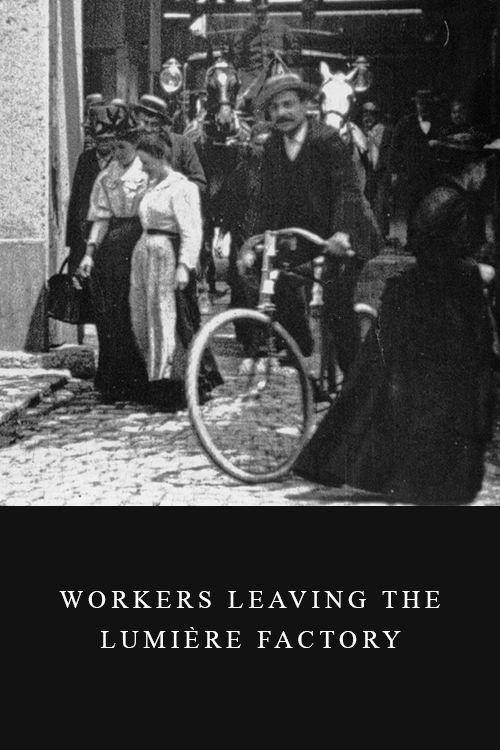
Working men and women leave through the main gate of the Lumière factory in Lyon, France. Filmed on 22 March 1895, it is often referred to as the first real motion picture ever made, although Louis Le Prince's 1888 Roundhay Garden Scene pre-dated it by seven years. Three separate versions of this film exist, which differ from one another in numerous ways. The first version features a carriage drawn by one horse, while in the second version the carriage is drawn by two horses, and there is no carriage at all in the third version. The clothing style is also different between the three versions, demonstrating the different seasons in which each was filmed. This film was made in the 35 mm format with an aspect ratio of 1.33:1, and at a speed of 16 frames per second. At that rate, the 17 meters of film length provided a duration of 46 seconds, holding a total of 800 frames.
The End of Stories is an animated documentary dome film about our inability to understand the present or imagine the future. The 4th installment in the “Corona Voicemails” series, the film showcases a collage of 37 perspectives from around the world of people coping with the turbulence of pandemic life.
The “Painting Skills for Africa” association has been traveling to Rwanda for 10 years now. They support local institutions through social projects. They are painting schools, kindergartens and hospitals. Always at eye level with the journeymen and vocational students.